General Data Protection Regulation (GDPR) compliance is the ongoing, systematic practice of handling personal data lawfully, fairly, and transparently, while maintaining a robust, verifiable evidence trail of all data-processing controls. For Software-as-a-Service (SaaS) companies, the challenge is nuanced: these entities must navigate the complexities of acting simultaneously as data controllers for their own corporate data and data processors for the vast troves of customer-uploaded information. The transition from a static privacy policy to an operational framework is no longer a luxury; it is a fundamental requirement for market access and digital trust.
Since its enactment on May 25, 2018, the GDPR has transformed the global digital landscape. It replaced the fragmented Data Protection Directive of 1995 with a unified, stringent legal framework across the European Economic Area (EEA). While the regulation initially triggered a wave of "panic compliance"—characterized by frantic mass-emailing campaigns and last-minute policy updates—the current regulatory environment is defined by a shift toward operational maturity. Regulatory bodies, including the UK’s Information Commissioner’s Office (ICO) and various European national supervisory authorities, now prioritize evidence-based accountability over mere procedural formality.
Historical Context and Regulatory Evolution
The genesis of the GDPR lies in the European Commission’s four-year consultation process, which recognized that the 1995 framework was ill-equipped for the era of cloud computing, big data, and behavioral advertising. Following its adoption by the European Parliament and Council in April 2016, a two-year implementation window allowed organizations to overhaul their internal data architectures.
Today, the enforcement landscape has evolved. While the prospect of administrative fines—reaching up to €20 million or 4% of annual global turnover—dominates the headlines, the practical reality of enforcement is more surgical. Regulators are increasingly utilizing warnings, reprimands, and mandatory processing restrictions. They expect organizations to demonstrate a "privacy by design" philosophy, where data protection is not an afterthought but a core component of the product development lifecycle.
The Scope of Responsibility: Controllers vs. Processors
The foundational challenge for any SaaS firm is the correct classification of its activities. A data controller is the entity that determines the "why" and "how" of data processing. A data processor acts solely on the documented instructions of the controller.
The complexity for SaaS providers is that these roles are rarely binary. A platform might function as a processor when handling a client’s CRM database, yet simultaneously operate as a controller regarding the telemetry data, billing information, and account administration logs of its own users. Failure to bifurcate these roles leads to "privacy leakage," where a vague, blanket privacy policy fails to address the specific legal bases for each unique processing activity.
To remain compliant, organizations must conduct a rigorous scope test for every processing stream:
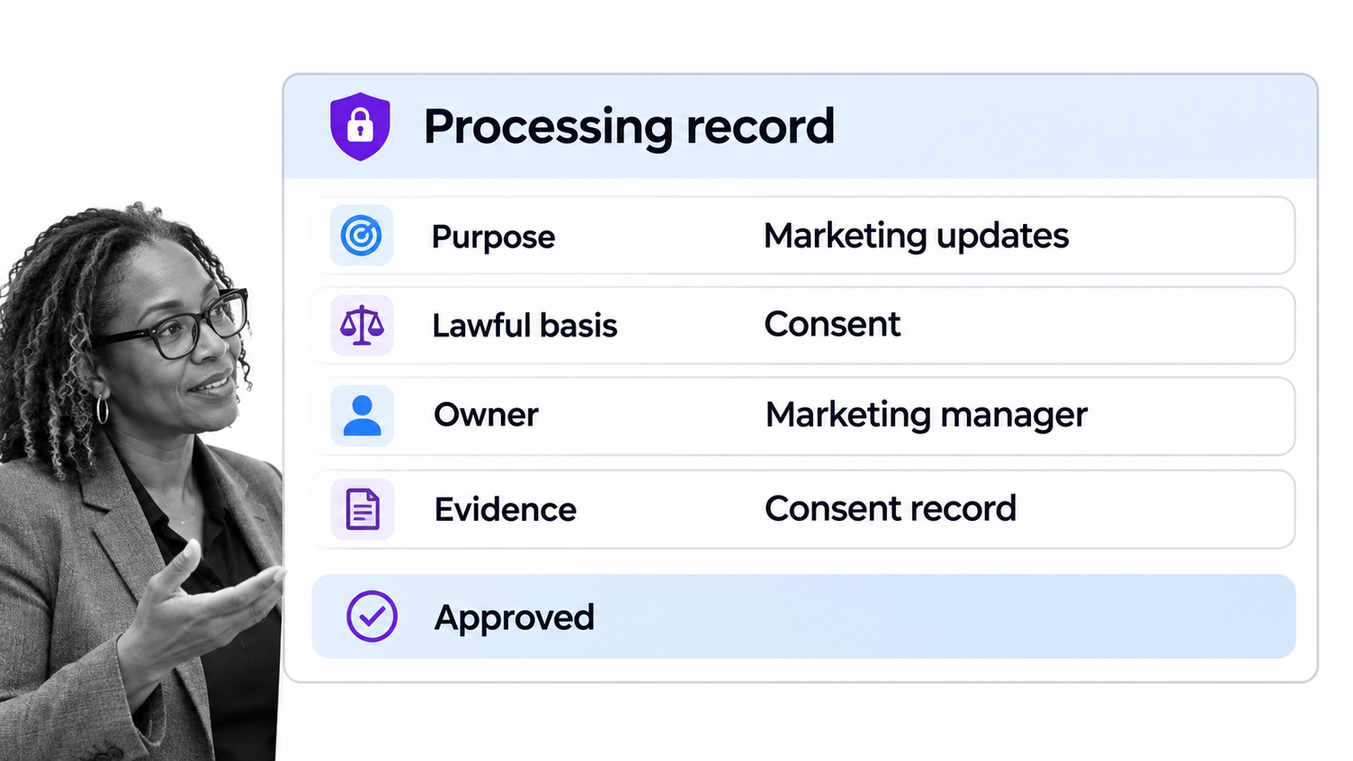
- Establishment: Does the processing occur within the context of an EU-based branch or subsidiary?
- Targeting: Is the service explicitly marketed or offered to individuals located in the EU?
- Monitoring: Does the service involve tracking the online behavior of individuals located within the EU?
If any of these conditions are met, the organization falls under the jurisdiction of the GDPR, regardless of its physical headquarters.
Data Protection in the SaaS Ecosystem: A Chain of Trust
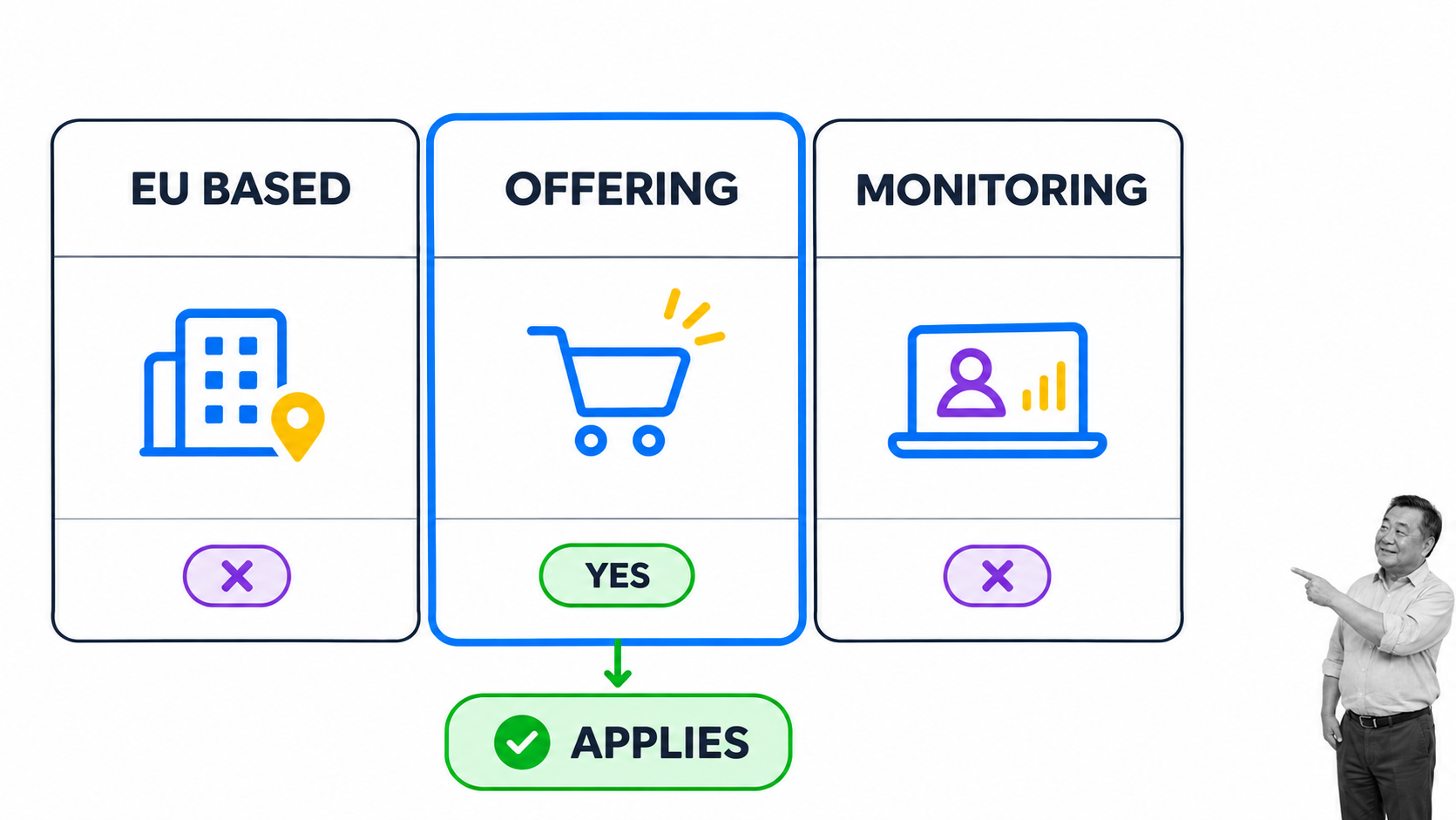
SaaS companies occupy a unique position in the digital supply chain. Because they host data for HR, healthcare, and financial sectors, they are effectively the gatekeepers of sensitive personal information. This necessitates a "chain of accountability."
A SaaS provider must ensure that its own sub-processors—such as cloud hosting providers, analytics platforms, and payment gateways—adhere to equivalent standards of protection. The legal instrument for this is the Data Processing Agreement (DPA). A robust DPA does not simply repeat the text of the law; it defines the scope, nature, and duration of processing, the technical security measures in place, and the strict conditions under which data may be transferred internationally.
International data transfers remain a point of high friction. Following the invalidation of previous frameworks like the Privacy Shield, companies must now rely on Standard Contractual Clauses (SCCs) or Binding Corporate Rules (BCRs), often accompanied by Transfer Impact Assessments (TIAs) to ensure the destination country provides a level of protection essentially equivalent to that of the EU.
Building an Operational Compliance Framework
Compliance is not a static state; it is a management system. Organizations that successfully navigate the GDPR move away from "paper compliance" and toward "compliance operations."
1. Governance and Leadership
While not every organization is legally required to appoint a Data Protection Officer (DPO), every organization must designate a point of accountability. The DPO role, when required under Article 37, must be independent, adequately resourced, and report directly to the highest level of management. This ensures that privacy considerations are part of the board-level decision-making process.
2. Documentation as Evidence
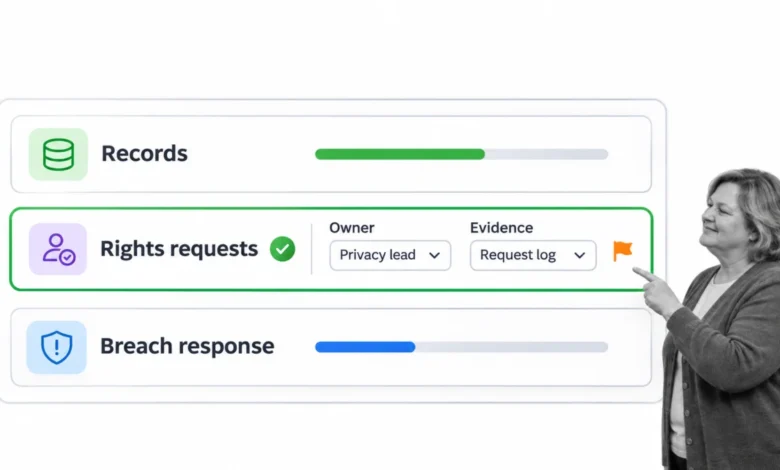
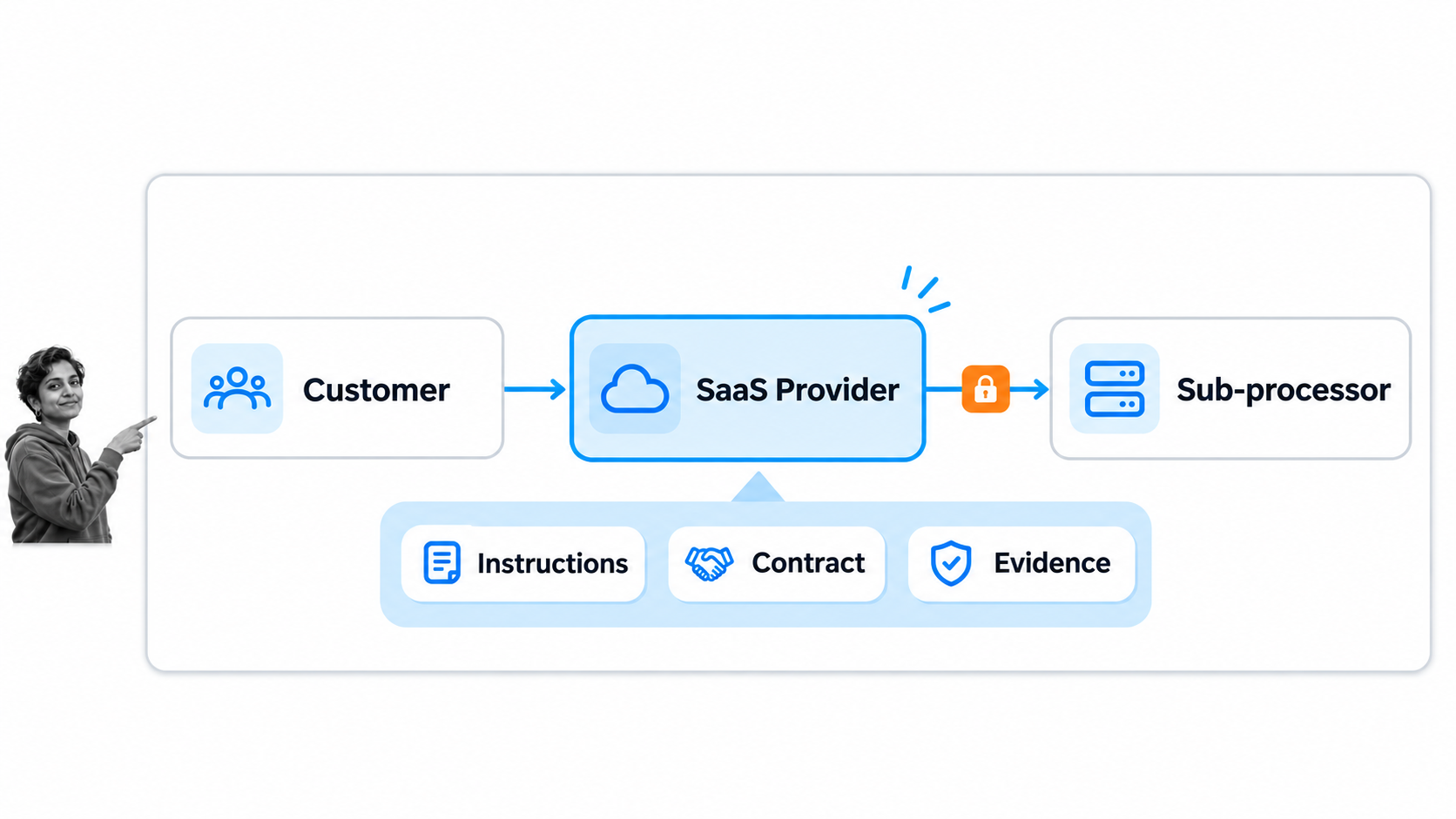
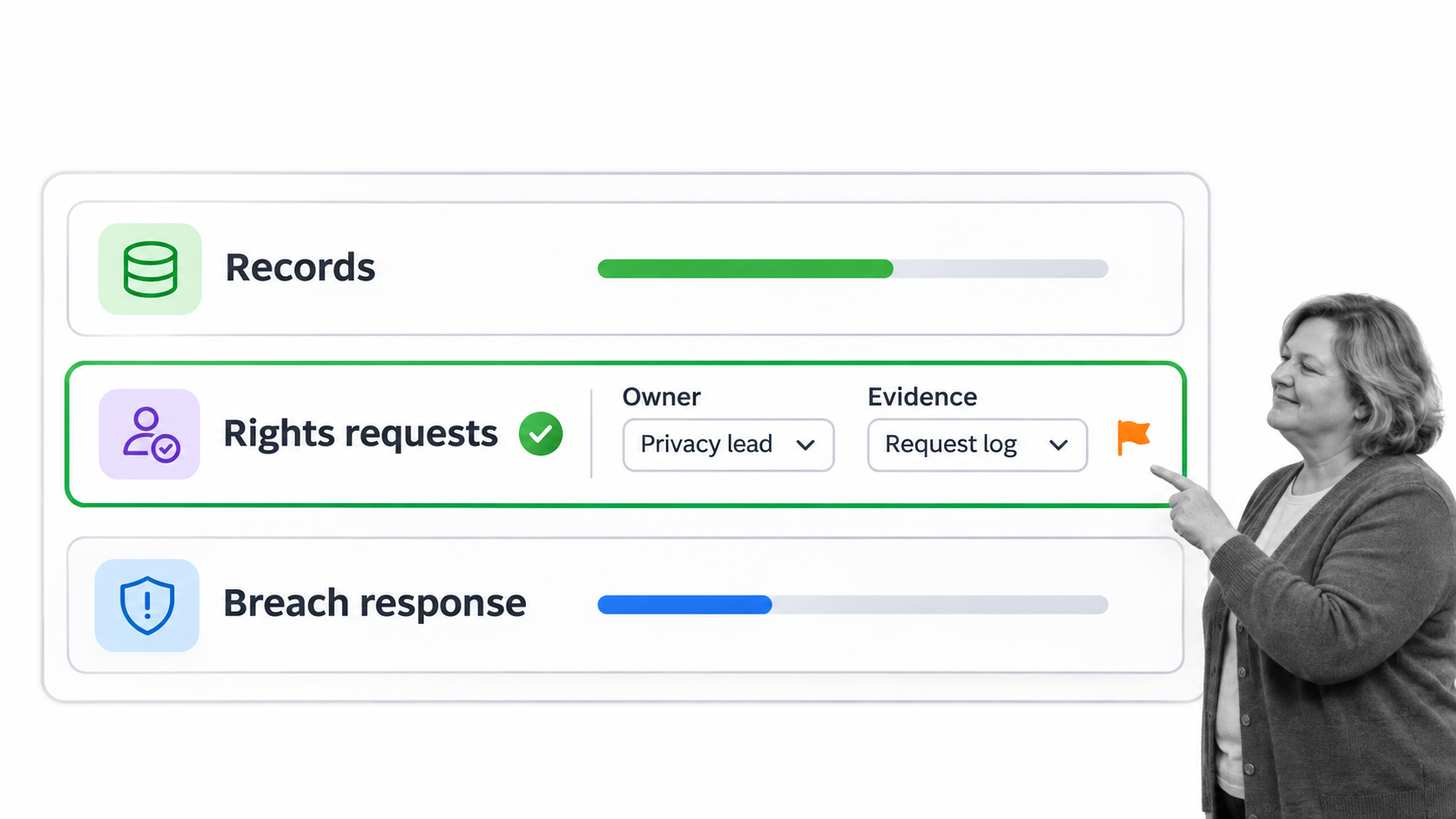
Accountability is the "golden thread" of the GDPR. Documentation must be more than a repository; it must serve as an audit trail. This includes:
- Records of Processing Activities (ROPA): A living map of data flows.
- Data Protection Impact Assessments (DPIAs): Mandatory for high-risk processing, these assessments must be completed before the initiation of new data-intensive projects.
- Breach Response Protocols: In the event of a breach, the clock starts immediately. Organizations have a 72-hour window to report to the relevant supervisory authority if the breach poses a risk to individuals’ rights.
3. Rights Management
The GDPR grants individuals extensive rights, including access, rectification, erasure ("the right to be forgotten"), and portability. These are not merely customer service requests; they are legal obligations. An effective compliance operation requires a centralized workflow that can verify identity, search disparate databases, apply relevant legal exceptions, and deliver a timely, secure response.
The Role of Technology in Compliance
Modern SaaS companies are increasingly turning to Compliance Operations Platforms to manage this complexity. These platforms shift the burden from manual, spreadsheet-based tracking to automated, repeatable workflows.
By using dedicated software, teams can enforce "hand-offs" between departments—for instance, ensuring the Legal team reviews a new vendor before the Procurement team signs the contract. This integration of privacy into the operational stack ensures that compliance is not a manual hurdle but an automated byproduct of standard business processes.
Broader Implications and Future Outlook
The ripple effects of the GDPR are global. From the California Consumer Privacy Act (CCPA) to Brazil’s LGPD, the "Brussels Effect" has established the GDPR as the gold standard for data governance. For the SaaS industry, this creates a dual pressure: the need to comply with a patchwork of emerging regulations and the need to maintain a unified product experience.
As enforcement matures, the regulatory focus is shifting toward "dark patterns"—manipulative interface designs that undermine user consent—and the ethical use of AI in processing personal data. Organizations that prioritize transparency and user agency will not only avoid the threat of administrative fines but will also distinguish themselves as leaders in a competitive market.
Conclusion: Moving from Panic to Proactive Defense
The era of viewing GDPR as a "check-the-box" project is over. It is now a critical component of enterprise risk management. Success requires a commitment to documenting every data interaction, maintaining a clear separation of controller and processor duties, and treating privacy as a fundamental aspect of product design.
To build a sustainable compliance program, start by auditing your highest-risk data streams. Identify the owners, map the systems, and ensure that your technical safeguards—such as encryption, tenant separation, and access controls—are not just contractual promises, but operational realities. By moving from a state of reactive panic to proactive, process-driven governance, SaaS organizations can turn the challenge of GDPR into a competitive advantage, fostering deeper trust with their customers and ensuring long-term resilience in an increasingly regulated digital world.