How to Recover From a Code Red Productivity Slump and Reclaim Your Workflow


In late 2023, a significant portion of the professional workforce reported an unprecedented rise in chronic task avoidance and burnout, characterized by a phenomenon often described as a "code red" productivity slump. For many, this state is defined by an overwhelming accumulation of overdue assignments, a sense of dread when initiating the workday, and the pervasive feeling that a temporary period of stagnation has become a permanent professional identity. The psychological weight of a neglected task management system—often represented by red-flagged notifications—can trigger a feedback loop of avoidance that significantly hampers output and mental well-being.
The mechanics of this slump are rooted in cognitive distortion. When projects remain unaddressed for extended periods, they often undergo a process of "mental inflation," wherein the perceived difficulty and size of the task grow exponentially in the mind of the individual. This disparity between the manageable reality of a project on paper and its overwhelming presence in the mind is a primary driver of the paralysis that characterizes modern professional burnout.
The Anatomy of a Productivity Crisis
Data from productivity studies conducted throughout the latter half of 2023 indicates that digital overwhelm is not merely a matter of poor time management, but a systemic failure to process cognitive load. When an individual’s task management interface, such as OmniFocus or similar platforms, becomes saturated with overdue items, the visual cue of "red" alerts acts as a stressor that reinforces the avoidance cycle.
Psychologists note that when the brain cannot visualize a project as a series of discrete, executable steps, it defaults to avoidance to minimize the immediate discomfort of failure. This creates a dangerous trajectory: as the project is avoided, it remains incomplete; as it remains incomplete, it is viewed as increasingly daunting; as it becomes more daunting, the propensity to avoid it grows.
A chronological analysis of this phenomenon suggests a common pattern:
- The Trigger Event: A high-pressure period (Q4 2023) leads to the accumulation of small, missed deadlines.
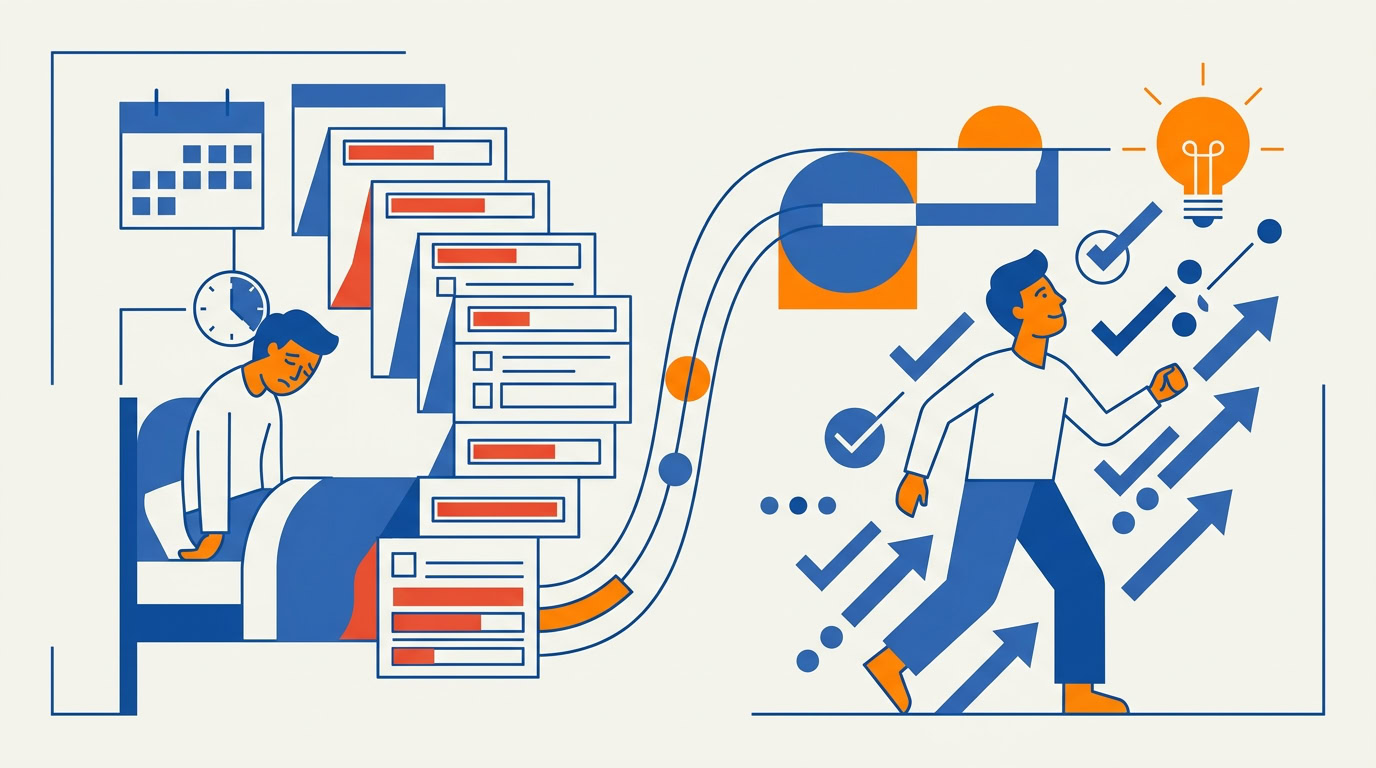
- The Feedback Loop: The accumulation of tasks creates a visual overload, leading to feelings of dread.
- The Cognitive Distortion: Tasks grow in perceived complexity, causing paralysis.
- The Stagnation: The individual identifies their state as a permanent personality trait rather than a temporary workflow issue.
Cognitive Offloading and the Science of Micro-Actions
The most effective remedy for this state of paralysis is not the addition of new, complex organizational tools, which often exacerbate the feeling of overwhelm. Instead, experts advocate for a process of "cognitive offloading"—the act of removing information from the brain and placing it into an external system to reduce mental friction.
By breaking down large, intimidating projects into granular, physical actions, professionals can bypass the brain’s tendency to avoid complex tasks. A physical action is defined as a task that can be completed with minimal cognitive overhead, such as drafting a single email, formatting a document header, or initiating a phone call. The objective is to make the first step so manageable that it is statistically unlikely to be refused by the executive function of the brain.
Research into dopamine-driven motivation suggests that the successful completion of these micro-tasks releases neurotransmitters that encourage further action. This creates a positive feedback loop, replacing the avoidance cycle with a momentum-based workflow.
Environmental Influence on Executive Function
The environment in which an individual works plays a critical role in their ability to overcome stagnation. In many instances, the physical space where a "code red" slump occurs becomes psychologically associated with the feelings of failure and dread. Returning to the same desk or office environment often triggers a physiological stress response before work even begins.
A temporary shift in environment—often referred to as a "work retreat" or a "context reset"—has been shown to significantly improve cognitive performance. By physically removing oneself from the site of the slump for as little as 45 to 90 minutes, an individual can decouple their work from the negative emotional associations formed during the period of burnout.
Reports from professional consulting firms suggest that even minor environmental changes, such as decluttering a workspace, moving to a different room, or working from a quiet public space, can serve as a catalyst for renewed focus. The goal of this relocation is to treat the environment as a tool for cognitive recalibration, ensuring that the primary objective—clearing the backlog—remains the central focus of the session.
Strategic Recovery Protocols
To effectively recover from a state of sustained productivity loss, professionals are encouraged to implement a two-pronged protocol designed to address both the cognitive and environmental aspects of the crisis.
1. Environmental Reset
The first step is a deliberate change of scenery. This is not a vacation, but a tactical relocation intended to break the association between a specific location and the feeling of paralysis. Whether it is moving to a local cafe, a library, or simply a different room in one’s home, the act of changing the physical context signals to the brain that a new phase of activity is beginning. This reset should be time-boxed to ensure that the individual maintains a sense of purpose and structure.
2. The Principle of the Minimum Viable Task
The second step involves the identification and completion of a single, highly achievable task. By scanning a project that feels "humongous" and identifying the smallest possible physical action required to move it forward, the professional regains a sense of agency. This is not about completing the entire project in one sitting, but about demonstrating to the brain that the project is, in fact, composed of manageable, actionable components.
Broader Implications for the Future of Work
The widespread reports of "code red" weeks in late 2023 reflect a broader challenge in the modern knowledge economy: the sheer volume of information and tasks often exceeds the capacity for individual processing. When systems are designed only for maximum throughput, they fail to account for the human need for recalibration and mental rest.
Organizations that encourage "focus time" and provide frameworks for breaking down objectives into micro-tasks tend to see higher levels of sustained engagement among employees. Furthermore, the understanding that burnout is often a product of "cognitive distortion" rather than a lack of capability is crucial for leadership to acknowledge. By destigmatizing the need for a "reset," organizations can help employees navigate periods of high pressure without falling into the trap of long-term burnout.
Ultimately, the path out of a productivity slump lies in the intersection of externalized systems and manageable, micro-level execution. By trusting the task management system—rather than the unreliable narrative of the mind—individuals can transform an overwhelming, red-flagged backlog into a series of predictable, achievable, and ultimately satisfying professional milestones. The fire that drives productivity is rarely extinguished during these slumps; it is merely buried under the weight of unprocessed cognitive load. Reclaiming that fire is not a matter of adding more effort, but of reducing the barrier to entry for the very next step.