The Economic Landscape of Youth Sports: Evaluating Financial Commitments and Long-term Returns for Families

The landscape of American youth athletics has undergone a profound transformation over the last two decades, evolving from local community-based recreation into a multi-billion-dollar industry often referred to as the "youth sports industrial complex." As major international events like the FIFA World Cup capture the public imagination, a growing number of parents are committing significant portions of their household income to elite travel leagues, private coaching, and specialized training. While these investments are often fueled by the hope of securing collegiate scholarships or professional opportunities, a closer examination of the statistical realities and financial opportunity costs suggests that a more structured decision-making framework is required for families to maintain long-term fiscal health.
The Rising Financial Stakes of Youth Participation
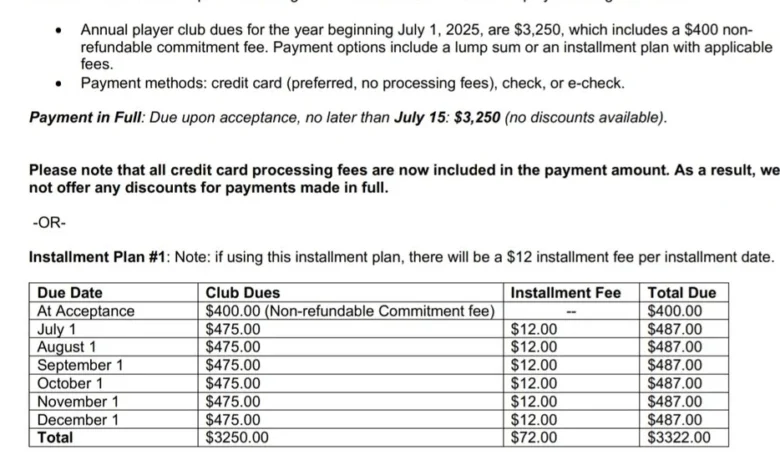
The modern "travel ball" culture requires a substantial financial commitment that extends far beyond basic registration fees. For a typical travel soccer program, annual costs frequently range between $3,500 and $7,000. However, for families with children in elite club tiers, these figures can escalate to between $8,000 and $15,000 per year when accounting for tournament registration, airfare, lodging, specialized equipment, and private supplemental training.
This spending occurs against a backdrop of increasing professionalization in youth sports. According to industry reports, the youth sports market in the United States was valued at approximately $19 billion in 2022, surpassing the market size of the NFL. This commercialization places immense pressure on parents to "keep up," leading many to view these expenses not as discretionary hobbies, but as necessary investments in their child’s future.
The Statistical Reality of Collegiate Scholarships
One of the primary drivers of high spending in youth sports is the pursuit of athletic scholarships. However, data provided by the National Collegiate Athletic Association (NCAA) reveals a stark disparity between parental expectations and statistical outcomes. Only about 2% of high school athletes receive any form of athletic scholarship to compete at the collegiate level.
Furthermore, the majority of these awards are partial scholarships rather than "full rides." Full-tuition scholarships are largely concentrated in "head-count" sports, such as Division I football and basketball. For "equivalency" sports, such as soccer, baseball, or track and field, coaches often divide a limited number of scholarships among a larger roster, resulting in individual awards that may only cover a small fraction of tuition and room and board.
From a statistical standpoint, if a youth sports club consists of 100 participants, only one or two are likely to receive any institutional financial aid based on athletic merit. For the remaining 98%, the thousands of dollars spent annually on travel and training will not yield a direct financial return in the form of reduced college costs.
A Decision-Making Matrix: Joy, Mastery, and Financial Sustainability
To navigate the complexities of extracurricular spending, financial analysts and child development experts suggest a framework centered on three primary variables: Joy, Mastery, and Capital. This approach allows parents to distinguish between productive investments and those driven by "sunk cost" fallacies or social pressure.
Variable 1: The Role of Intrinsic Motivation (Joy)
The most fundamental metric for continued investment is the child’s level of engagement and enjoyment. Experts argue that self-motivated practice is the only sustainable path to high-level achievement. If a child demonstrates "obsessive" interest—practicing independently without parental prompting—the investment may be justified as a means of supporting a genuine passion. Conversely, if a child must be consistently coerced into attending practices or lessons, the psychological and financial returns on that investment are likely to diminish rapidly.
Variable 2: Objective Assessment of Talent (Mastery)
Parents often struggle with objectivity regarding their own children’s abilities. To counteract "parental delusion," families are encouraged to seek objective data points. This includes comparing a child’s performance against regional or national benchmarks, seeking feedback from non-affiliated professional coaches, and observing whether the child remains in the top 25% of their peer group as they age.
A strategic approach involves "breadth before depth." Introducing children to a wide variety of activities—from music and coding to different types of athletics—allows for the natural discovery of aptitude. Once a child demonstrates both high joy and high mastery in a specific area, a family may choose to reallocate funds from other activities to support deeper specialization.

Variable 3: Financial Budgeting Strategies
To prevent youth sports spending from jeopardizing a family’s long-term financial security, specific budgetary tethers are recommended. Financial planners often suggest one of three methods:
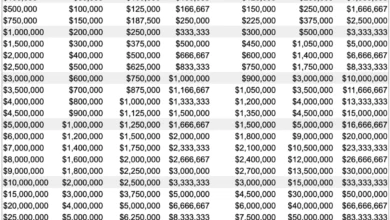
- Percentage of Annual Income: Allocating 2% to 5% of gross household income toward all extracurricular activities. For a household earning $150,000, this equates to a budget of $3,000 to $7,500.
- Percentage of Net Worth: For families with significant assets but variable income, a budget of 1% to 2% of total net worth may be more appropriate.
- Percentage of Investment Gains: Allocating 10% of the previous year’s portfolio gains to lessons and activities. This ensures that the spending is funded by capital growth rather than principal or essential savings.
By adhering to these limits, parents ensure that they are not "decumulating" wealth at a rate that undermines their own retirement or the child’s eventual need for a college fund.
The Opportunity Cost: A Comparative Financial Analysis
The true cost of elite youth sports is best understood through the lens of opportunity cost. Consider a family spending $5,000 annually on travel soccer for a child between the ages of 10 and 18. The total cash outlay over eight years is $40,000.
If that same $5,000 annual investment were directed into a diversified S&P 500 index fund with an average annual return of 8%, the account would grow to approximately $53,000 by the time the child graduates high school. If that sum were left untouched to continue compounding until the child reached age 40, it would grow to nearly $290,000.
When compared to the "expected value" of a scholarship—which, based on a 2% probability of a $20,000 annual award, sits at approximately $1,600—the financial argument for sports as a college funding strategy collapses. A traditional 529 College Savings Plan remains a statistically superior vehicle for funding higher education.
The Risks and Rewards of Parental Coaching
In an effort to mitigate costs, some parents opt to serve as primary instructors. While this can foster bonding and reduce tuition expenses, it carries technical risks. Professional instructors note that there is a significant difference between being proficient in a sport and being proficient at teaching it.
A common pitfall in parental coaching is the focus on "isolated skills" (such as hitting a ball tossed by a parent) rather than "live-play dynamics" (such as footwork, anticipation, and rallying). Families often find success in a hybrid model: utilizing professional instruction to establish proper technical foundations while relying on parents to oversee the high-volume repetitions necessary for mastery.
The Long-Term Return: Lifetime Human Capital
Despite the poor "scholarship ROI," youth sports can offer a significant return on investment when the goal is reframed as the acquisition of "lifetime sports competence." Activities such as tennis, golf, swimming, and pickleball provide benefits that extend well into adulthood, long after the competitive travel league years have ended.
The dividends of lifetime sports competence include:
- Preventative Health: Competence in a sport encourages lifelong physical activity, reducing long-term healthcare costs associated with sedentary lifestyles.
- Social Capital: Sports clubs and community leagues serve as vital social networks for adults, facilitating friendships and community integration.
- Professional Networking: In many industries, the ability to participate in a round of golf or a tennis match remains a significant asset for business development and relationship building.
Conclusion: Shifting the Paradigm
The current trend toward high-cost, high-intensity youth sports requires families to exercise rigorous financial and emotional discipline. While the dream of collegiate or professional stardom is a powerful motivator, it is statistically elusive.
A more sustainable approach treats youth sports spending as a discretionary investment in a child’s character, health, and social development rather than a financial strategy for college. By prioritizing joy and mastery, maintaining strict budgetary limits, and focusing on lifetime physical literacy, parents can ensure that their investment in their children’s activities pays dividends for decades, regardless of whether those children ever wear a varsity or professional jersey. As the "youth sports industrial complex" continues to grow, the families that thrive will be those who apply the same level of analytical rigor to their sports spending as they do to their retirement portfolios.