The luxury real estate market in Honolulu, Hawaii, particularly in the affluent enclave of Kahala, serves as a unique microcosm for understanding the intersection of high-net-worth lifestyle choices and complex financial engineering. A recent market analysis of a $9 million estate located in this region reveals a significant divergence between traditional middle-class home-buying metrics and the strategic logic employed by the ultra-wealthy. While a $9 million price tag may appear prohibitive to most, the underlying economics of such a purchase often align with broader wealth preservation strategies, estate planning goals, and currency hedging rather than simple residential utility.
The Anatomy of a Kahala Luxury Estate
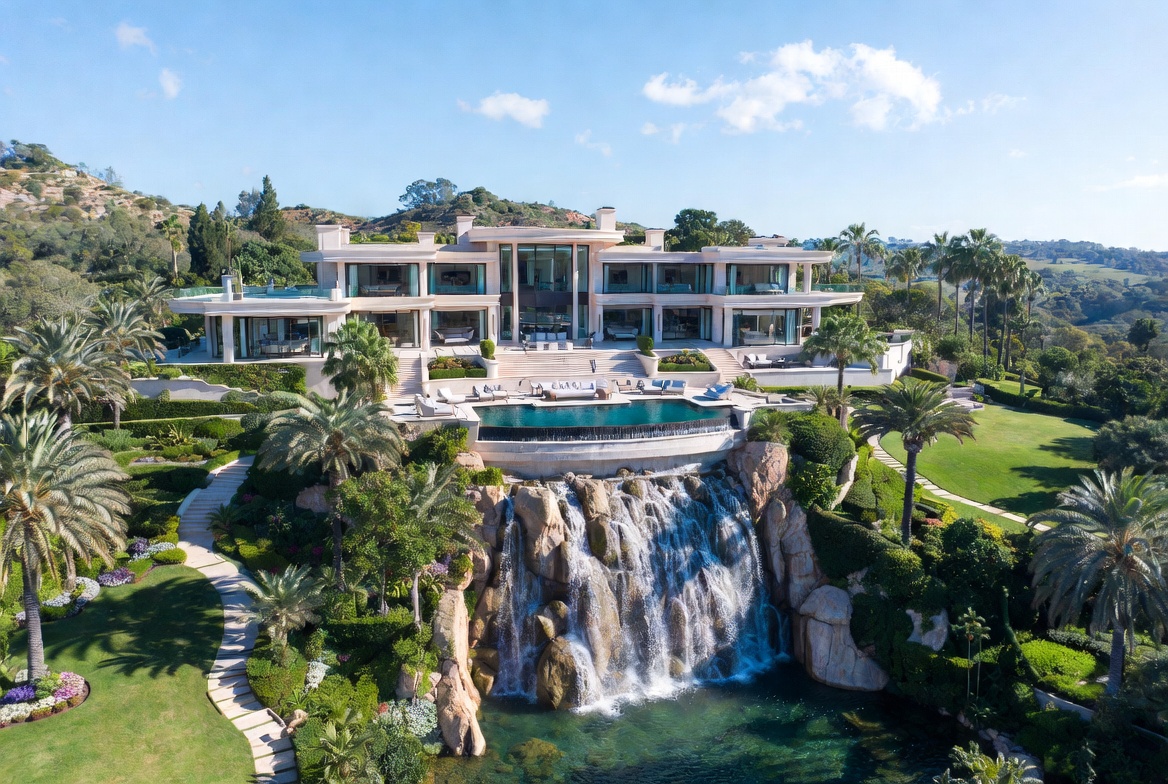
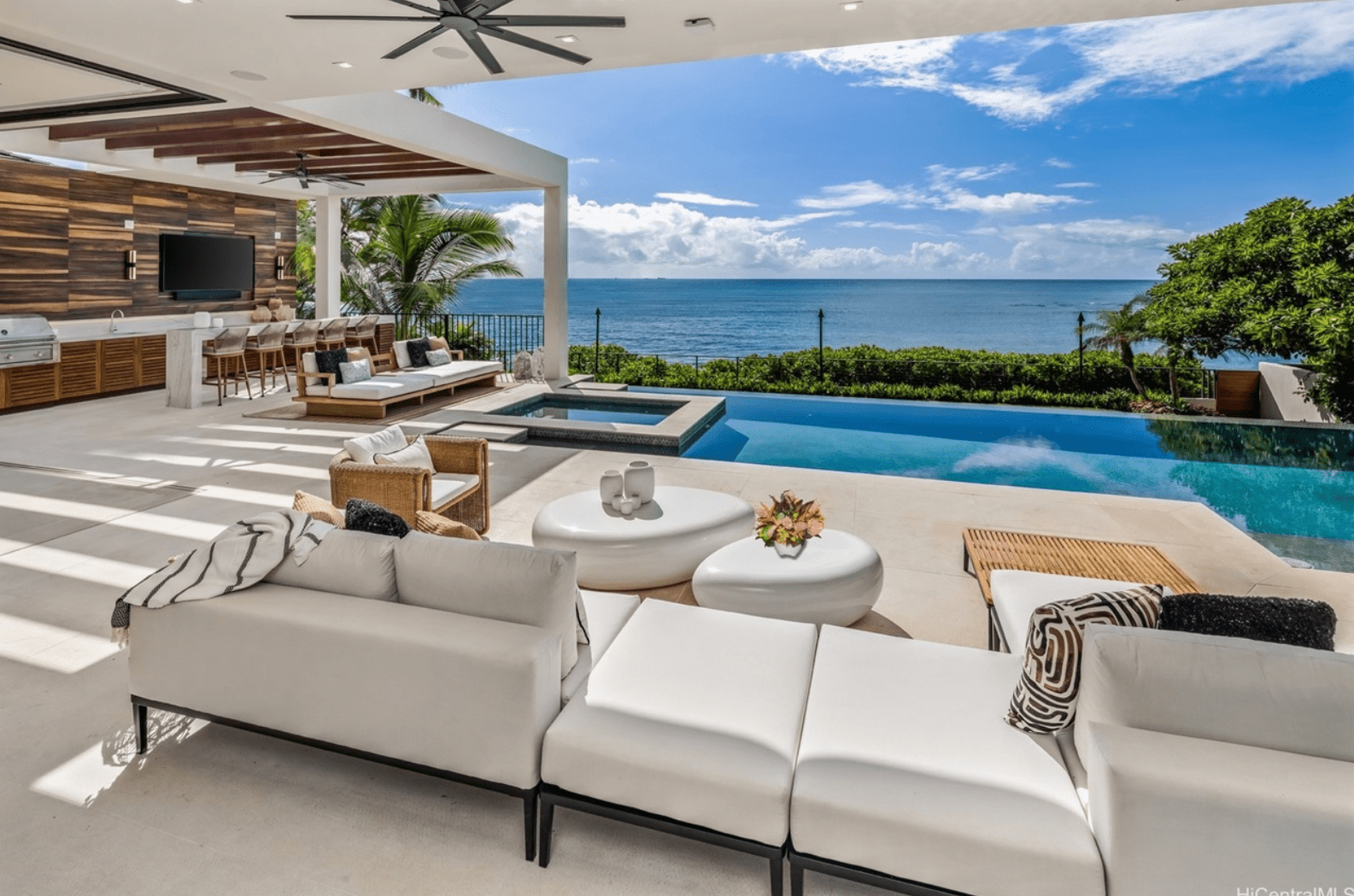
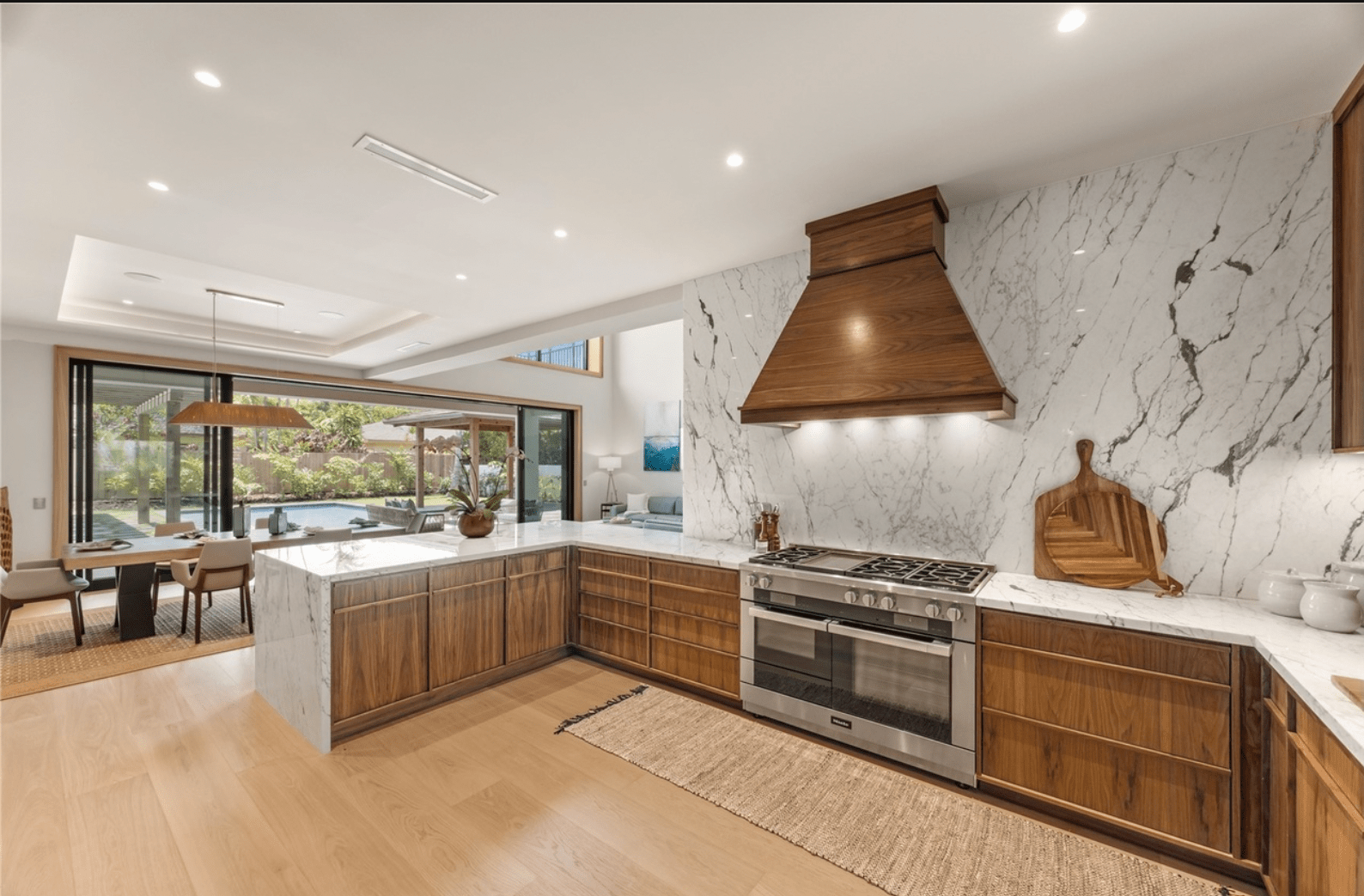
The property in question, a 6,700-square-foot residence situated on a 15,000-square-foot lot, exemplifies the "trophy property" category that defines the Honolulu luxury tier. The home features five bedrooms, 5.5 bathrooms, and a suite of high-end amenities including a free-form pool with a hot tub and cold plunge, a koi pond, and a dedicated home gym equipped with a climbing wall. Despite these features, the property remained on the market for over 200 days, a duration that highlights the niche nature of the buyer pool at this price point.
For a standard family of four, a 6,700-square-foot footprint often presents more logistical challenges than benefits. Real estate analysts note that in properties of this scale, nearly half of the square footage is dedicated to auxiliary spaces that require constant climate control, insurance coverage, and maintenance. In the tropical climate of Oahu, the carrying costs for such an estate—encompassing landscaping, pool services, koi pond filtration, property taxes, and specialized insurance—are estimated to exceed $150,000 annually.
Demographics and the Shift Toward Secondary Ownership
Data from local listing agents indicates that the primary drivers of the $8 million to $10 million market in Honolulu are not local residents seeking primary shelter. Instead, the buyer demographic is heavily weighted toward Japanese nationals and entrepreneurs from the United States West Coast. For these individuals, the property typically serves as a second or third home, often occupied for as little as 30 to 60 days per year.
The financial implications of limited occupancy are stark when viewed through a traditional cost-per-use lens. If a buyer spends $9 million on a home with $150,000 in annual carrying costs and utilizes it for only 30 days a year, the effective cost of stay is approximately $5,000 per night. When factoring in the opportunity cost of the capital—the roughly $380,000 in risk-free interest that $9 million could generate in a high-yield environment—the "true" cost of a 30-day stay escalates toward $20,000 per night.
The Denominator Effect: Net Worth Ratios
The primary reason the ultra-wealthy proceed with such acquisitions despite these high costs is the "denominator effect." In personal finance, a common benchmark suggests that a primary residence should not exceed 30% of an individual’s net worth. However, for the typical buyer of a $9 million Hawaii estate, the purchase often represents a much smaller fraction of their total wealth.
Industry experts suggest that many buyers in this segment possess a net worth ranging from $100 million to $300 million. At a net worth of $150 million, a $9 million home represents only 6% of the owner’s total assets. This ratio is functionally equivalent to a household with a $1.5 million net worth purchasing a $90,000 property. Consequently, the financial "burden" of the home is negligible, allowing the owner to prioritize lifestyle and privacy over traditional return-on-investment (ROI) calculations.

Real Estate as a "Bond-Plus" Asset and Currency Hedge
Beyond its function as a residence, ultra-luxury real estate in Hawaii is increasingly viewed as a "vault with a pool"—a stable store of wealth. Honolulu, and specifically the Kahala coastline, is characterized by permanently constrained supply. With limited oceanfront land and rising global demand, these trophy properties have historically maintained their value in a manner similar to fine art or rare collectibles.
For international buyers, particularly those from Japan, Hawaii real estate serves as a critical currency play. Holding a hard asset denominated in U.S. dollars provides a hedge against the volatility of the yen. Furthermore, the political stability of the United States makes Hawaii an attractive "safe haven" jurisdiction for global capital. In this context, the house functions less like a consumer good and more like a high-yield bond or a long-term capital preservation tool.
Estate Planning and Basis Arbitrage
One of the most compelling, though often overlooked, justifications for holding high-value real estate into old age is the "stepped-up basis" provision in U.S. tax law. Under current regulations, when an asset is inherited, its cost basis is "stepped up" to its fair market value at the time of the owner’s death.
For example, if an individual purchases a Honolulu home for $9 million and it appreciates to $20 million by the time of their passing, their heirs inherit the property at a $20 million basis. If the heirs sell the property immediately, they effectively avoid capital gains tax on the $11 million of appreciation. While the estate may still be subject to federal estate taxes—which carry a 40% rate for assets above the exemption threshold—the stepped-up basis serves as a significant form of "basis arbitrage."
It is important to note that Hawaii also imposes its own estate tax, which can reach up to 20% on real property located within the state, regardless of the owner’s primary residency. Wealthy families often work with estate attorneys to navigate these layers, frequently placing such properties into Grantor Retained Annuity Trusts (GRATs) or dynasty trusts to minimize the tax impact on future generations.
The Value of Optionality vs. Occupancy
For the ultra-high-net-worth (UHNW) individual, the purchase of a $9 million home is often an investment in "optionality." Unlike the middle-class buyer who requires high occupancy to justify the mortgage, the UHNW buyer is paying for the perpetual option to visit Hawaii at a moment’s notice without the friction of booking luxury resorts or dealing with the lack of privacy in public spaces.
The "empty" days—sometimes exceeding 300 days a year—are not seen as a waste of resources but as a necessary cost for maintaining a private, bespoke environment. This shift from "occupancy-based value" to "utility-based optionality" is a hallmark of the highest tier of the real estate market.
Market Implications and Local Impact
The persistence of the luxury market has broader implications for the Honolulu real estate landscape. As trophy properties continue to attract global capital, they set a high floor for land values in surrounding areas. This can lead to a "filtering up" effect, where the price of even modest homes in proximity to luxury enclaves is driven by the perceived prestige of the zip code.
Furthermore, the trend of long-term vacancies in luxury neighborhoods like Kahala creates a unique social dynamic. These "quiet neighborhoods" often see lower demand for local services compared to high-density residential areas, but they contribute significantly to the city’s tax base through high property tax assessments.
Conclusion: A Different Set of Rules
The acquisition of a $9 million estate in Honolulu demonstrates that at the highest levels of wealth, the rules of residential real estate are rewritten. The decision-making process shifts from a focus on affordability and cost-per-square-foot to a sophisticated analysis of asset allocation, tax efficiency, and personal freedom.
For the average investor, the takeaway is twofold: first, the importance of maintaining a disciplined ratio between housing costs and net worth; and second, the recognition that the luxury market operates on a timeline and a logic that are fundamentally decoupled from the median housing market. While the "cost-per-use" math remains a vital tool for building wealth, for those who have already achieved it, the house is no longer just a home—it is a strategic component of a global financial portfolio.