Reflecting on the Rise of AI, the Fate of Stack Overflow, and the Human Core of Developer Communities

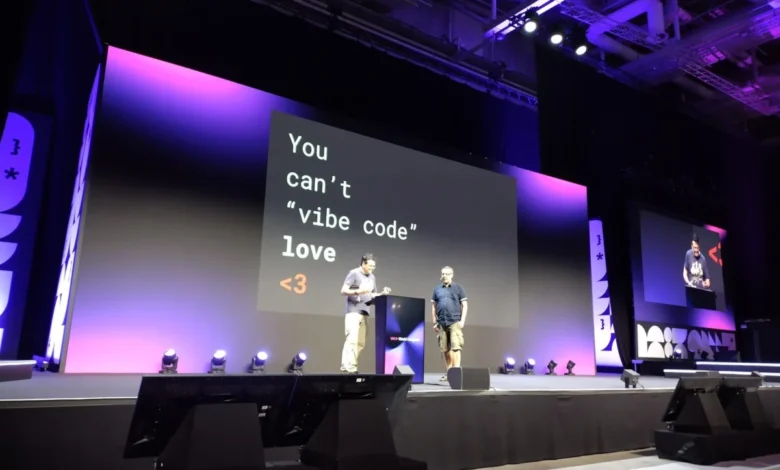
Stack Overflow co-founder Jeff Atwood and early community hire Ben Dumke-von der Ehe took the stage at the CityCube in Berlin for the WeAreDevelopers World Congress, delivering a keynote that examined the profound intersection of human-driven online communities and the rapidly expanding influence of artificial intelligence. The presentation, titled None of Us Is As Dumb As All of Us: Community And Knowledge Go Hand In Hand, offered a retrospective on the creation of one of the internet’s most vital programming resources, while raising critical questions about the sustainability of digital knowledge commons in the era of large language models (LLMs).
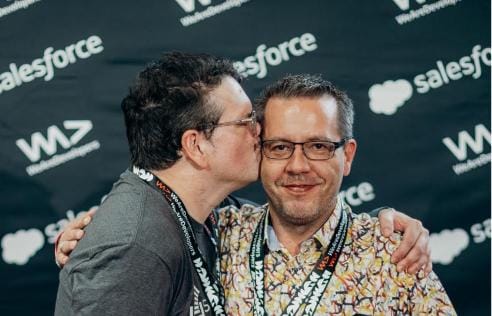
The appearance marked a rare international speaking engagement for Atwood, who stated that the opportunity materialized because of the unique alignment of location, timing, and partnership. Atwood conditioned his acceptance of the speaking slot on the inclusion of Dumke-von der Ehe, a Berlin-based developer and one of Stack Overflow’s earliest community-focused hires. Their relationship dates back to the foundational years of the platform, a period when crowdsourced coding assistance was transitioning from fragmented forum boards to structured, reputation-driven ecosystems.
Chronology of a Collaboration and Platform Evolution
To understand the core message of the Berlin keynote, one must examine the timeline of Stack Overflow and the unique professional trajectories of its key architects. Founded in 2008 by Jeff Atwood and Joel Spolsky, Stack Overflow was designed to solve a persistent pain point in software development: finding accurate, peer-reviewed answers to technical programming questions without wading through outdated or unstructured web forums.
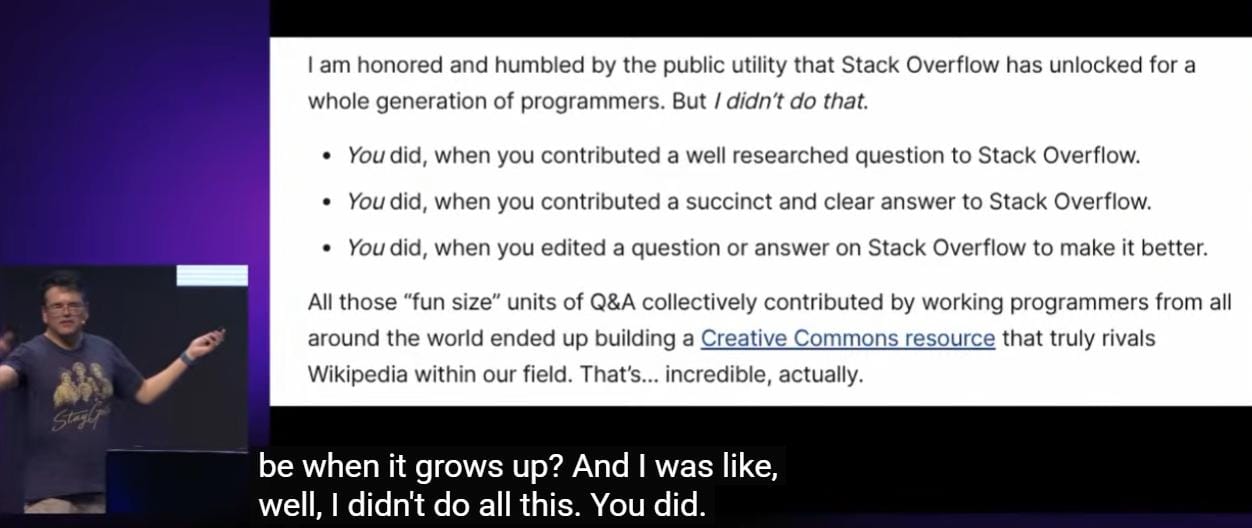
In the ensuing years, the platform scaled rapidly, relying on a bedrock Creative Commons license that legally and culturally protected the contributions of millions of developers worldwide. Ben Dumke-von der Ehe joined the company as part of its early wave of community management and engineering talent, transitioning from an active platform participant to an internal stakeholder. His career trajectory with the company included multiple tenures—leaving, returning, and ultimately departing again—mirroring the broader structural shifts within the tech industry as community-led sites scaled into enterprise-level entities.
By July 2026, when Atwood and Dumke-von der Ehe took the Berlin stage, the landscape of software development had undergone a seismic transformation. The advent of advanced generative AI and LLMs had fundamentally altered how programmers troubleshoot code, query documentation, and solve technical hurdles.
The Dual Impact of Large Language Models on Technical Knowledge

During the presentation, Atwood addressed the elephant in the room: the widespread adoption of AI coding assistants and LLMs, which now intercept a significant portion of common programming queries. Rather than viewing this development as an existential threat to Stack Overflow’s mission, Atwood framed it as an evolution that aligns with the platform’s long-term design philosophy.
Referencing his historical writings on the platform’s ultimate objectives, Atwood reiterated that the ideal state of a knowledge-sharing site is one where passive readers find the answers they need instantly, drastically reducing the necessity to create new content. According to this perspective, if 98% of programmers can resolve their immediate technical blockers via search engines or AI-generated summaries without ever needing to ask a new question, the system is functioning successfully.
Furthermore, LLMs have largely resolved a persistent logistical challenge that plagued high-traffic Q&A sites: the handling of duplicate questions. In an ecosystem hosting millions of archived threads, formulating a novel question without inadvertently duplicating prior art historically required meticulous manual searching. AI models excel at semantic mapping, translating disparate phrasing into established solutions across vast repositories of historical data. This capability has streamlined troubleshooting, reducing friction for developers seeking rapid answers.
The Vulnerability of the Digital Knowledge Commons
Despite these efficiencies, the keynote shifted toward a critical socioeconomic and technological dilemma: the long-term sustainability of the data commons. LLM training pipelines depend fundamentally on massive corpora of publicly available, high-quality human knowledge. Platforms like Stack Overflow, GitHub repositories, and open-source documentation forums have historically served as the primary training grounds for these models.
However, as developers increasingly migrate toward private interactions with proprietary AI agents—effectively "whispering to LLMs" behind closed API walls—the generation of public, peer-reviewed knowledge faces a potential decline. When the incentive structure for public contribution evaporates, the pipeline of fresh, human-validated technical data risks drying up.
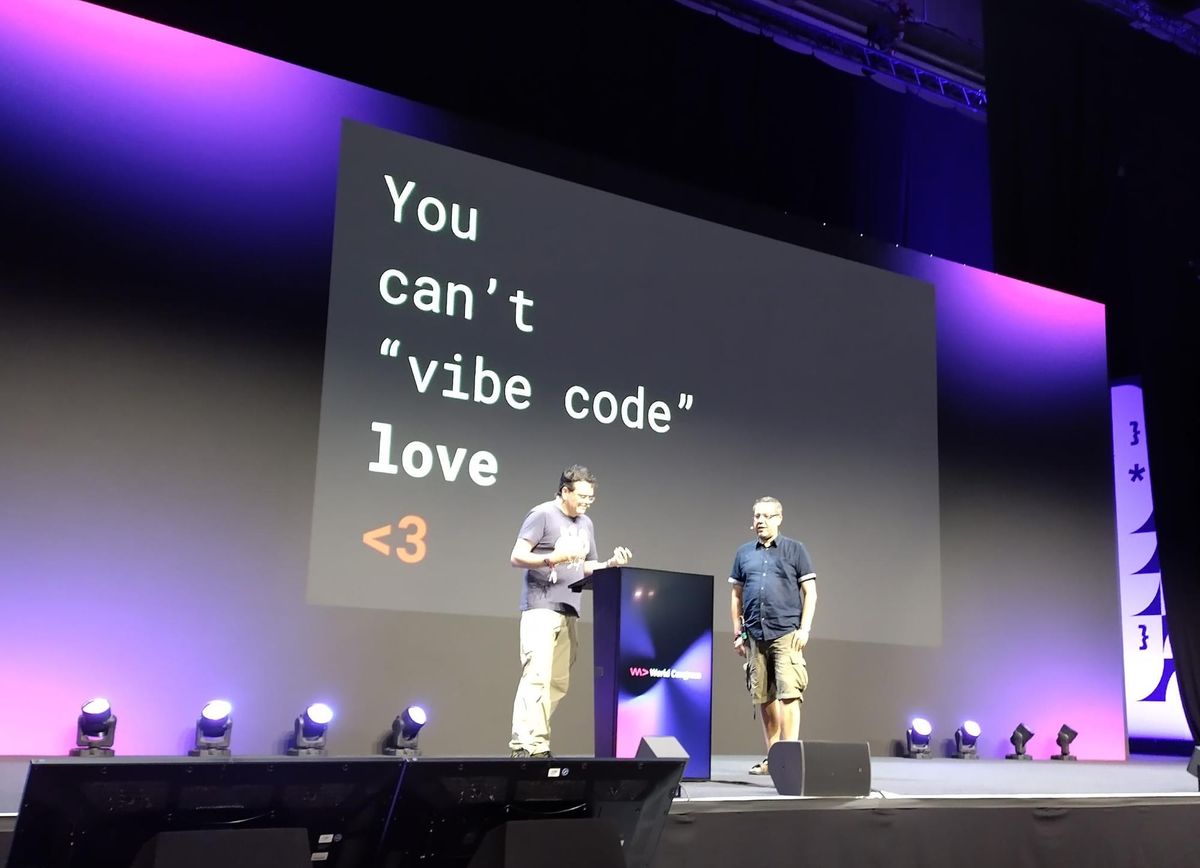
Atwood and Dumke-von der Ehe emphasized that while automated tools excel at code generation and pattern matching, they cannot replicate the cultural and social bonds forged within collaborative developer communities. In a memorable phrase from the keynote, Atwood noted, "You can’t vibe code love," underscoring the irreplaceable value of human mentorship, shared struggle, and community-driven learning.
Implications for the Future of Software Engineering
The implications of the Berlin presentation extend far beyond the specific metrics of web traffic or API licensing agreements. As technology companies increasingly monetize developer data to train next-generation AI systems, the social contract underpinning the open web is being renegotiated.
Key industry analysts note several structural takeaways from the dialogue:
- Data Scarcity Concerns: The quality of future AI models will depend heavily on whether developers continue to document edge cases, architectural debates, and novel solutions in public forums rather than private chat interfaces.
- The Evolution of Community Roles: Platforms that once focused purely on transactional Q&A are pivoting toward fostering deeper professional networks, mentorship programs, and curated knowledge repositories that AI cannot easily synthesize from scratch.
- Sustainability of Licensing Models: The reliance on Creative Commons and open-source frameworks faces pressure as commercial entities extract public data to build proprietary products, prompting renewed debates over compensation, attribution, and data sovereignty.
The WeAreDevelopers World Congress keynote ultimately served as both a celebration of a historic human collaboration and a cautionary reminder. While artificial intelligence continues to accelerate individual productivity, the foundational knowledge that empowers these models originates from collective human effort. Protecting, funding, and sustaining the digital commons remains an essential prerequisite for the continued advancement of the software engineering discipline.
Related posts: