Anthropic SEC Filing Signals Historic Wealth Distribution Amidst Unprecedented AI Growth

The artificial intelligence sector has reached a defining milestone as Anthropic, one of the industry’s leading developers, officially filed its S-1 registration statement with the Securities and Exchange Commission. The filing reveals a financial trajectory that places the company among the most successful technology entities in modern history. With more than 5,000 employees positioned to receive substantial equity payouts, the anticipated IPO is poised to trigger one of the largest single-event wealth transfers to a workforce in the history of the San Francisco Bay Area.
Market analysts estimate that the median employee at the company could see equity valuations between $3 million and $10 million within the next three years, with a significant cohort of early-stage staff likely to see their net worths climb well into the eight-figure range. This development follows a period of hyper-growth that has transformed Anthropic from a research-focused startup into a powerhouse of the global digital economy.
A Chronology of Hyper-Growth
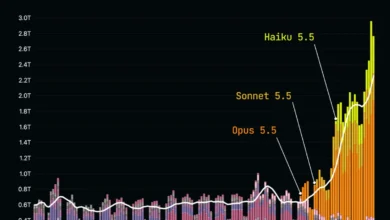
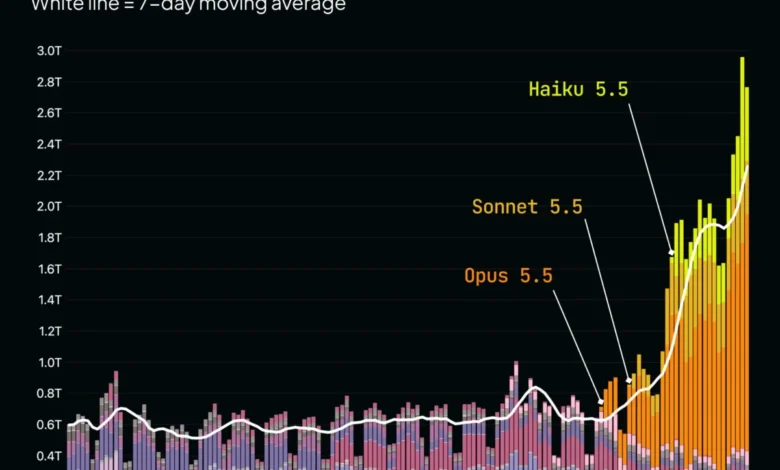
The foundation for this surge was laid in the latter half of 2026. Following the official release of the Opus 5.5 model on September 22, 2026, the platform experienced an immediate and drastic increase in adoption. Data from the SEC filing indicates that token usage across the Claude ecosystem increased by approximately 360% in the weeks following the launch.

This technical success translated directly into the company’s bottom line. Anthropic reported $16.3 billion in revenue for the first half of 2026 alone, a stark contrast to the $1.2 billion generated during the same period in 2025. With over $130 billion in cash and cash equivalents currently on its balance sheet, the firm has achieved the rare status of being both a high-growth innovator and an operationally profitable entity. The upcoming IPO, expected to raise upwards of $80 billion, is designed to fuel further scaling of the company’s infrastructure and research capabilities.
Economic Ripples in the San Francisco Housing Market
The concentration of such immense wealth within a relatively small geographic area—specifically the San Francisco Bay Area—is creating significant pressure on local real estate markets. As employees prepare for their liquidity events, the demand for high-end residential real estate has reached levels not seen since the peak of the dot-com era or the early 2010s tech boom.
Market research from Zumper confirms that San Francisco currently hosts the most aggressive housing market in the United States. Year-over-year rental prices have climbed by 27% citywide, with one-bedroom and two-bedroom units seeing increases of 25.4% and 26.8%, respectively. The residential sales market is equally buoyant; the median price for a home in San Francisco reached $1.69 million in September 2026, a 14.7% increase compared to the previous year. For single-family homes, the median price has surged to $2.2 million, with nearly 86% of properties closing at or above their asking price.
The Landlord’s Dilemma: Stability Versus Market Value
This rapid appreciation has placed individual property owners in a complex position. For landlords who signed multi-year leases during the 2024–2025 period, the current market rate for their properties has significantly outpaced the rents stipulated in existing contracts.

The dilemma centers on the balance between maximizing immediate profit and maintaining long-term tenant stability. Many property owners, particularly those who utilize "schedule of rents" agreements—a practice of pre-negotiating annual increases for the duration of a multi-year lease—now find themselves earning significantly less than the prevailing market rate. In some instances, the opportunity cost for these landlords exceeds $15,000 per year.
While some stakeholders argue that the sudden wealth of tech employees justifies an immediate adjustment to market-rate pricing, others contend that the fundamental nature of a lease contract necessitates strict adherence to original terms. From a legal and ethical standpoint, the consensus among professional property management firms suggests that the financial windfall of a tenant—whether through an IPO, inheritance, or a career promotion—should not fundamentally alter the contractual obligations of a lease.
Broader Implications of AI-Driven Wealth
The emergence of a new class of "AI-wealthy" individuals has broader implications for urban planning and socioeconomic stratification. Economists are monitoring the situation to see if this influx of capital will lead to long-term inflation in the services sector or if it will simply accelerate the displacement of middle-income residents.
For the broader public, the "outsider" experience of the AI boom is marked by the difficulty of participating in the upside. While venture capital and private equity firms provide some avenues for investment, the primary wealth creation remains concentrated within the company’s internal cap tables. This has led to a renewed interest in indirect investment vehicles, such as REITs (Real Estate Investment Trusts) and private real estate crowdfunding platforms, which allow individuals to gain exposure to real estate growth without the logistical hurdles of direct property management.

The Role of Transparency in Contractual Relations
As the market continues to evolve, the importance of clear, written communication between property owners and tenants has come to the forefront. Industry experts note that landlords who provide transparent, multi-year rental schedules often experience lower turnover rates. This "harmony premium"—the peace of mind gained by avoiding frequent lease renegotiations—is frequently valued by property owners as being worth more than the incremental gains of chasing market-rate rent.
However, the lack of "cost control" for landlords remains a significant concern. While rent control measures often protect tenants, property owners face rising costs in maintenance, labor, insurance, and property taxes, which are not capped. When these costs rise, landlords are forced to navigate the thin line between maintaining professional relationships and ensuring the financial viability of their assets.
Looking Toward the Future
The Anthropic IPO will likely serve as a litmus test for the sustainability of the current AI boom. If the company maintains its current growth rate, the resulting wealth distribution will fundamentally reshape the demographic landscape of San Francisco. For those within the industry, the focus will shift toward financial management and long-term planning. For the community at large, the challenge will be managing the inflationary pressures that inevitably follow such massive concentrations of wealth.
Ultimately, the events surrounding this IPO underscore a fundamental reality of the modern economy: technological disruption creates winners and losers at a speed that traditional institutions are struggling to accommodate. As the city prepares for the influx of new capital, the reliance on stable, transparent, and fair contractual agreements will remain the bedrock of social and economic order, regardless of whether a specific sector is experiencing a period of extreme, AI-driven growth. Whether through direct equity ownership or the indirect benefits of a thriving local economy, the influence of this IPO will be felt across the region for years to come.