The Dad Bod Challenge: Leveraging Social Pressure and Financial Stakes for Physical Transformation


The pursuit of optimal health often founders on the rocks of inconsistent motivation and lack of accountability. In response, a growing trend of "Dad Bod" and "Mom Bod" challenges—organized groups of peers who utilize high-stakes financial penalties to enforce fitness goals—is gaining traction. These programs operate on a simple but potent psychological principle: the combination of social contract theory and loss aversion. By placing a significant sum of money in escrow, participants create a tangible incentive to adhere to rigorous body recomposition regimens that might otherwise be abandoned.
The Mechanics of High-Stakes Accountability
At the core of these challenges is the concept of a financial "skin in the game" mechanism. For many, a nominal entry fee is insufficient to alter long-term behavioral patterns. Participants in recent cohorts have adopted a $5,000 penalty model, an amount designed to be high enough to create genuine psychological distress at the prospect of loss, yet achievable for the demographic involved.
The structure typically involves a baseline assessment using clinical-grade tools such as DEXA (Dual-Energy X-ray Absorptiometry) scans. These scans provide an objective baseline for fat mass and lean tissue, moving beyond the limitations of standard bathroom scales, which often fail to distinguish between muscle loss and fat loss. Participants then commit to a specific timeframe—often ranging from 90 to 180 days—to hit predetermined body composition targets. The presence of a "judge" or a neutral third party is common, ensuring that the rules are enforced and that the financial stakes are handled securely.
Chronology of a Transformation
The journey of a typical participant involves several distinct phases. In the initial phase, often spanning the first 30 to 45 days, the focus is on establishing a caloric deficit while simultaneously implementing resistance training. For individuals who have spent years in a sedentary state, this phase is characterized by rapid adjustments in water weight and initial nervous system adaptation.
By the 45-day mark, the reality of "body recomposition" sets in. Unlike simple weight loss, which can be achieved through caloric restriction alone, recomposition requires a delicate balance: consuming enough protein to support muscle protein synthesis while maintaining a deficit large enough to mobilize adipose tissue. Clinical data indicates that as individuals approach middle age, the efficiency of this process declines. Sarcopenia, or the age-related loss of muscle mass, begins to accelerate after age 40, making the dual goals of fat loss and muscle gain significantly more complex.

Participants often encounter a "plateau phase" around the halfway point. It is at this juncture that many groups introduce flexibility, such as the option to purchase a time extension for a set fee. While this provides a necessary lifeline for those experiencing slower-than-expected progress, it also tests the participant’s commitment to the original, more stringent deadline.
Comparative Analysis: Fitness and Financial Discipline
The parallels between physical fitness and financial management are substantial, a fact that has not escaped observers in the personal finance sector. Both require long-term discipline, the ability to delay gratification, and the willingness to track progress using accurate metrics.
In finance, net worth serves as the "DEXA scan" of one’s economic health—it provides a comprehensive view of assets versus liabilities, rather than just the "income" reflected by a monthly paycheck. Similarly, monitoring body composition rather than just weight allows for a more nuanced understanding of health. The failure to track these metrics often leads to "financial drift" or "physical stagnation." Just as automated savings and AI-driven investment tools assist in wealth accumulation, the structure of a group challenge acts as an external enforcement mechanism for physical health.
The Challenge of Aging and Injury Risk
A significant factor in these challenges is the physiological reality of the aging athlete. Participants in their 40s and 50s face a heightened risk of injury compared to their younger counterparts. Tendon elasticity decreases, and recovery times for musculoskeletal stress increase.
Data from participant feedback reveals a recurring theme: the necessity of "training to failure" versus the necessity of injury prevention. Many participants report past injuries—particularly in the shoulders and lower back—that serve as limiting factors. Consequently, the most successful participants are those who adopt a conservative, sustainable lifting protocol rather than the high-intensity, high-risk methodologies of their youth. The integration of mobility work and recovery protocols has become a standard, if unofficial, requirement for those who hope to reach the finish line without a medical setback.
Broader Implications and Public Health
The rise of the Dad Bod Challenge reflects a broader cultural shift toward proactive, data-driven health management. As public healthcare costs continue to rise, the incentivization of preventative health measures at the community level may offer a scalable solution. When individuals take responsibility for their body composition, they are effectively lowering their long-term insurance risk, reducing the likelihood of metabolic diseases, and increasing their functional longevity.
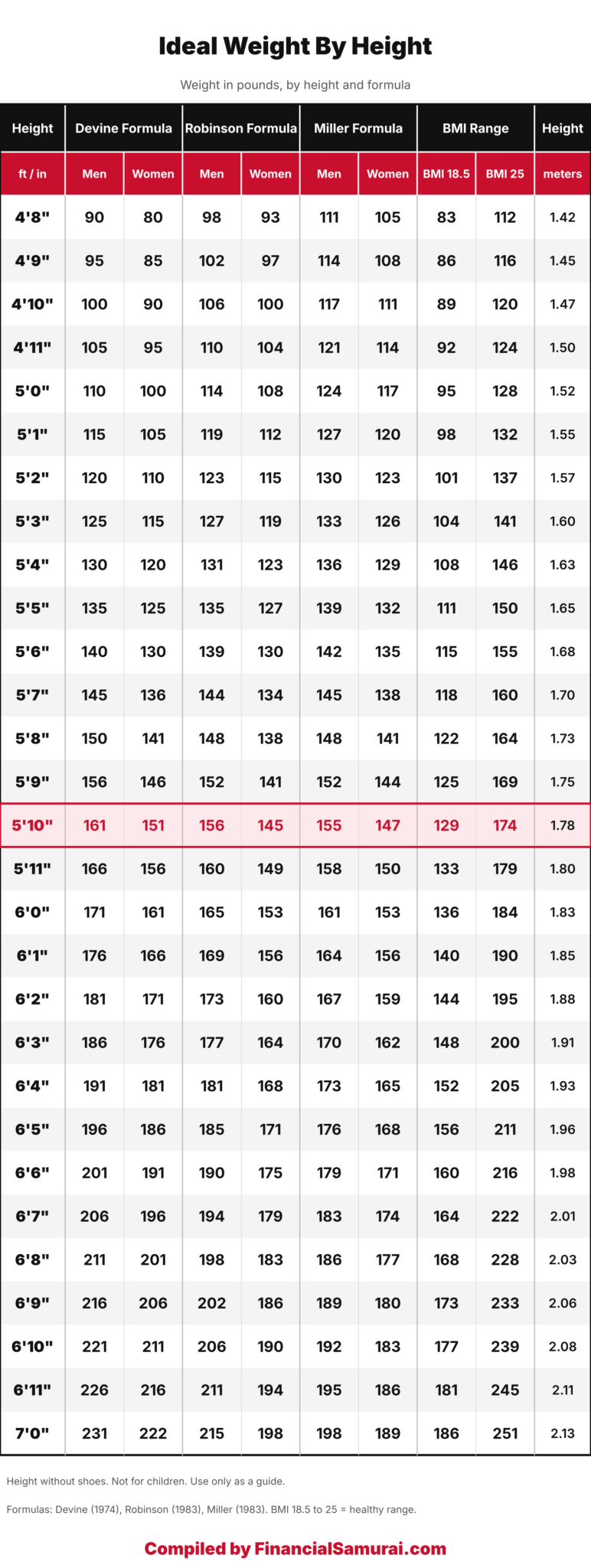
From an insurance perspective, the timing of these transformations is critical. Term life insurance premiums are largely determined by health classifications, which rely heavily on weight, blood pressure, and cholesterol levels. By undergoing a structured, monitored fitness program, individuals can potentially improve their health metrics significantly, allowing them to lock in more favorable life insurance rates. This creates a secondary financial incentive that reinforces the initial motivation for the challenge.
Expert Perspectives on Behavioral Modification
Behavioral economists suggest that the "Dad Bod" model works because it addresses the "intention-action gap." Most people possess the intention to get fit, but they lack the immediate, tangible consequence for failing to do so. By making the cost of failure financial rather than abstract, participants move from a state of "passive hoping" to "active executing."
Furthermore, the social component cannot be ignored. The camaraderie developed among participants serves as a support network that mitigates the isolation often felt when undergoing a major lifestyle change. In many cases, these groups continue to meet long after the financial stakes have been settled, indicating that the true value lies in the formation of long-term, healthy habits rather than the mere avoidance of a penalty.
Conclusion and Future Outlook
The Dad Bod Challenge represents an evolution in how society approaches personal health. By combining the rigid discipline of financial accountability with the physiological demands of body recomposition, these groups are proving that it is possible to achieve significant physical transformations even during the demanding years of mid-life.
While the $5,000 financial penalty is a high bar, it serves as an effective proxy for the high cost of poor health in the long run. As more individuals recognize that their physical health is as much an asset as their financial portfolio, the popularity of these challenges is expected to grow. Whether the goal is to play sports with children, reduce life insurance premiums, or simply improve overall longevity, the data suggests that for those who struggle with self-motivation, the structure of a high-stakes challenge may be the most effective pathway to success. As the challenge cycles conclude, the focus remains on the transition from the "contest" to a "lifestyle"—ensuring that the gains made under pressure are maintained well into the future.