The Wealth Explosion at Anthropic and the Dilemma of Rising Market Rents in the AI Era

The recent filing of an S-1 registration statement with the U.S. Securities and Exchange Commission (SEC) by Anthropic has confirmed what many industry analysts suspected: the artificial intelligence boom is creating a historic concentration of wealth for the company’s workforce. With over 5,000 employees holding equity, projections suggest that the median employee stands to gain between $3 million and $10 million in compensation value within the next three years. This influx of capital represents a seismic shift in the economic landscape of San Francisco, where the company is headquartered, and has sparked a complex debate regarding the ethics of real estate pricing in a city undergoing rapid wealth polarization.
Financial Performance and Growth Trajectory
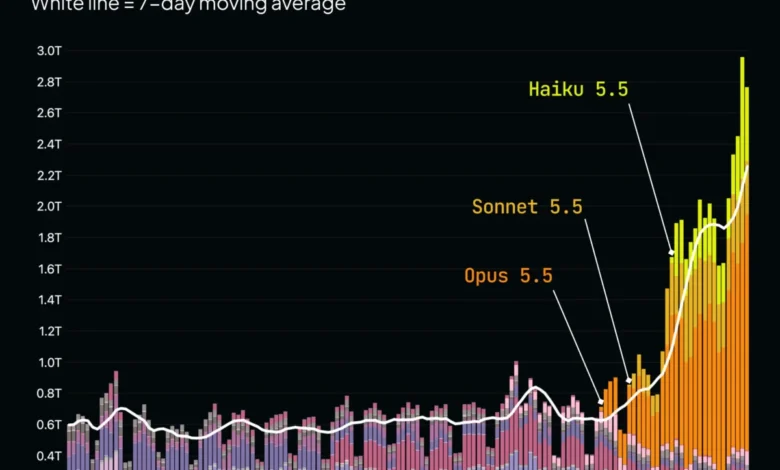
The SEC filing provides a rare, transparent look at the financial velocity of a top-tier AI firm. Anthropic reported $16.3 billion in revenue for the first half of 2026, a staggering increase from the $1.2 billion recorded during the same period in 2025. This growth has been largely attributed to the successful rollout of the Claude Opus 5.5 model, which launched on September 22, 2026. Following this release, token usage—the primary metric for AI model consumption—surged by approximately 3.6 times.

Beyond its revenue figures, the company’s balance sheet reflects significant stability, with over $130 billion in cash and cash equivalents. The upcoming IPO, expected to raise upwards of $80 billion, is poised to be one of the largest public offerings in the history of the technology sector. Such figures underscore the immense market appetite for large language models and the industrial-scale infrastructure required to support them.
Chronology of the AI-Driven Housing Surge
The current housing market dynamics in San Francisco are inextricably linked to this rapid technological advancement. The following timeline illustrates the progression of the market:
- 2022–2023: The local housing market experienced a period of stagnation and slight contraction as tech hiring slowed and remote work policies remained fluid.
- 2025: The "AI Pivot" began in earnest, with venture capital firms aggressively funding local startups. Rental turnover increased, and competition for high-end residential properties began to climb.
- September 2026: The launch of Opus 5.5 served as a catalyst for local hiring and expansion, cementing San Francisco’s status as the epicenter of AI development.
- October 2026: Citywide rental data indicated a 27% year-over-year increase, with median home prices for single-family residences reaching approximately $2.2 million, a 24% increase from the previous year.
The Landlord’s Dilemma: Contractual Obligations vs. Market Realities
The surge in localized wealth has placed independent landlords in a difficult position. Many property owners who signed multi-year leases prior to the 2026 explosion are now finding themselves significantly below market rate. In San Francisco, where housing demand consistently outstrips supply, the gap between contract rent and current market value can exceed $15,000 annually for a single residential unit.

For many property owners, the primary question has become whether to adhere to established lease terms—often including pre-negotiated rent schedules—or to move toward market-clearing prices. Historically, many landlords have utilized multi-year rent schedules to ensure tenant stability and predictability. However, the unprecedented velocity of the current economic environment has tested the resolve of those who prioritize long-term "harmony" over immediate profit maximization.
Industry analysts note that while the temptation to adjust rents upward is high, the cost of turnover—including vacancy periods, marketing, and the search for high-quality tenants—often offsets the gains achieved through rent hikes. Furthermore, the legal and social implications of raising rents in a city with strong tenant protection sentiments mean that landlords often trade immediate cash flow for the reduction of risk associated with tenant turnover.
Macroeconomic Implications and Wealth Disparity
The concentration of wealth within companies like Anthropic raises broader questions about the "permanent underclass" in tech-centric cities. As AI wealth pulls ahead, the disparity between those with equity-based compensation and the broader service-sector workforce has widened. This has led to an inflationary environment for essential goods and housing, making it increasingly difficult for non-tech professionals to remain in the city.

Financial experts observe that real estate remains a primary hedge against this type of volatility. For investors, the ability to maintain rental properties during periods of extreme growth is a test of patience and financial liquidity. Those who manage to hold property long-term are often able to benefit from the general appreciation of the underlying asset, even if their rental income remains temporarily capped by lease agreements.
Official Perspectives and Market Behavior
While corporate landlords often rely on algorithmic pricing software to adjust rents in real-time based on demand, independent ("mom-and-pop") landlords continue to operate on a different set of social norms. There is an emerging consensus among smaller property owners that a lease is a binding promise, not a royalty agreement on a tenant’s success.
The prevailing view among experienced landlords is that a tenant’s financial windfalls—whether through an IPO, inheritance, or lottery—are separate from the contractual obligation to pay for the use of a space. Conversely, landlords rarely offer rent reductions when tenants suffer financial setbacks, such as layoffs or medical emergencies. This creates a moral parity: if a tenant is not penalized for bad luck, they should not be penalized for good fortune.

Strategic Alternatives: Passive Real Estate Investment
Given the complexities and "tenant drama" associated with being a hands-on landlord, many investors are shifting toward passive vehicles. Platforms such as Fundrise and other private real estate investment trusts (REITs) offer a way to gain exposure to the residential and industrial real estate market without the daily operational burdens of managing physical property. These platforms allow for diversification across various geographies, mitigating the risks associated with being over-indexed in a single hyper-inflated market like San Francisco.
Conclusion and Future Outlook
As Anthropic and other AI leaders continue to grow, the pressure on the San Francisco housing market is unlikely to abate in the near term. The tension between historical rent structures and current market valuations will remain a defining feature of the local economy. For both tenants and landlords, the path forward involves balancing the drive for economic efficiency with the stability provided by clear, written agreements.
Ultimately, the events of 2026 serve as a case study in how technological innovation can rapidly transform the economic fabric of a region. As the wealth generated by the AI sector continues to circulate through the local economy, the reliance on long-term, transparent lease agreements may prove to be the most effective strategy for maintaining market order, even as the temptation to chase market rates remains a persistent challenge for property owners. Moving into 2027, observers expect a continued trend toward institutionalization of the rental market, as individual owners grapple with the rising costs of maintenance and the intense volatility of the current economic cycle.