The construction software landscape is undergoing a structural shift as general contractors, subcontractors, and enterprise program managers increasingly evaluate whether comprehensive project management ecosystems adequately fulfill specialized timeline requirements. While Procore has expanded its software suite to include native scheduling capabilities following the widespread rollout of Procore Scheduling, a significant segment of the construction industry continues to seek dedicated third-party alternatives. This search is primarily driven by the need for advanced resource leveling, multi-project crew workload tracking, seamless interoperability with legacy scheduling formats, or more predictable per-user and flat-rate pricing structures.
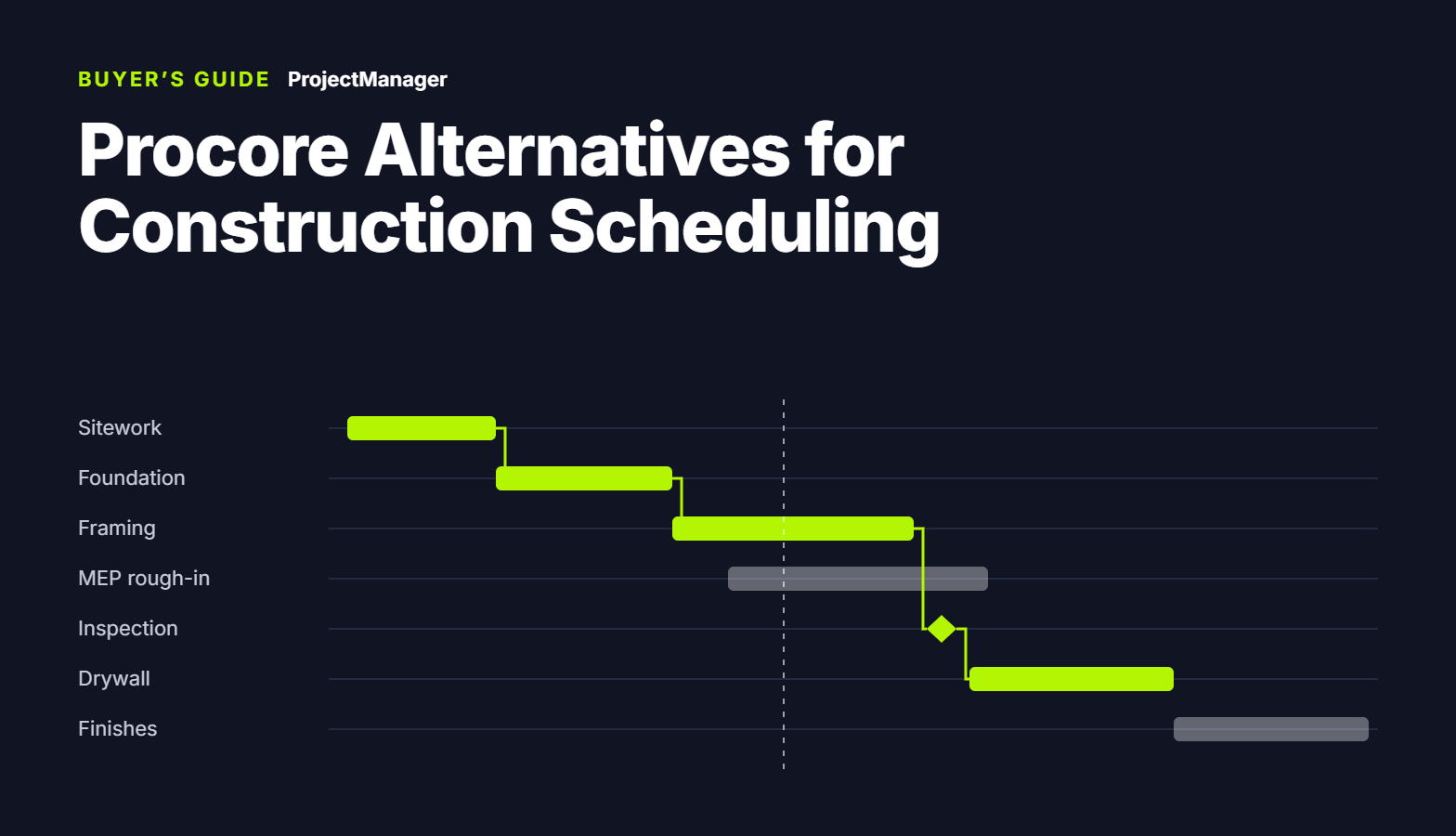
Industry analysts note that construction professionals generally approach this technical dilemma through two distinct operational models: replacing Procore entirely with specialized all-in-one platforms, or adopting a hybrid workflow where a dedicated scheduling engine manages the critical path and is subsequently exported into Procore as a read-only master timeline. To navigate these choices effectively, project teams must analyze how alternative platforms handle foundational scheduling mechanics, including dependency logic, float calculations, baseline variances, and field mobility.
Evolution of Construction Scheduling Platforms

The demand for robust construction scheduling software has accelerated due to tightening project margins, supply chain volatility, and increasingly aggressive project delivery deadlines. Historically, project management platforms attempted to offer generalized task tracking that often lacked the mathematical rigor required for complex construction sequencing. The introduction of Procore Scheduling provided a centralized environment for teams already deeply embedded in Procore’s document control, request for information (RFI) management, and financial accounting modules.
However, organizations operating across multiple concurrent jobs often find that generalized platforms lack deep, cross-project resource visibility. For example, a superintendent managing structural concrete work on two separate sites needs immediate visibility into crew allocations to prevent double-booking. When dedicated scheduling tools are integrated alongside or in place of enterprise platforms, project executives look for native adherence to the Critical Path Method (CPM), accurate handling of lag and lead times, and unhindered data portability via Microsoft Project (MPP) and Primavera (XER) formats.

Comparative Analysis of Leading Scheduling Alternatives
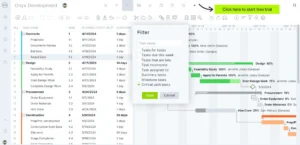
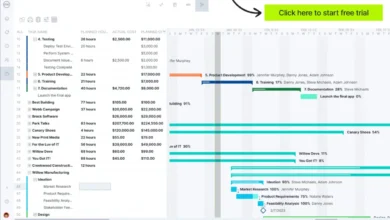
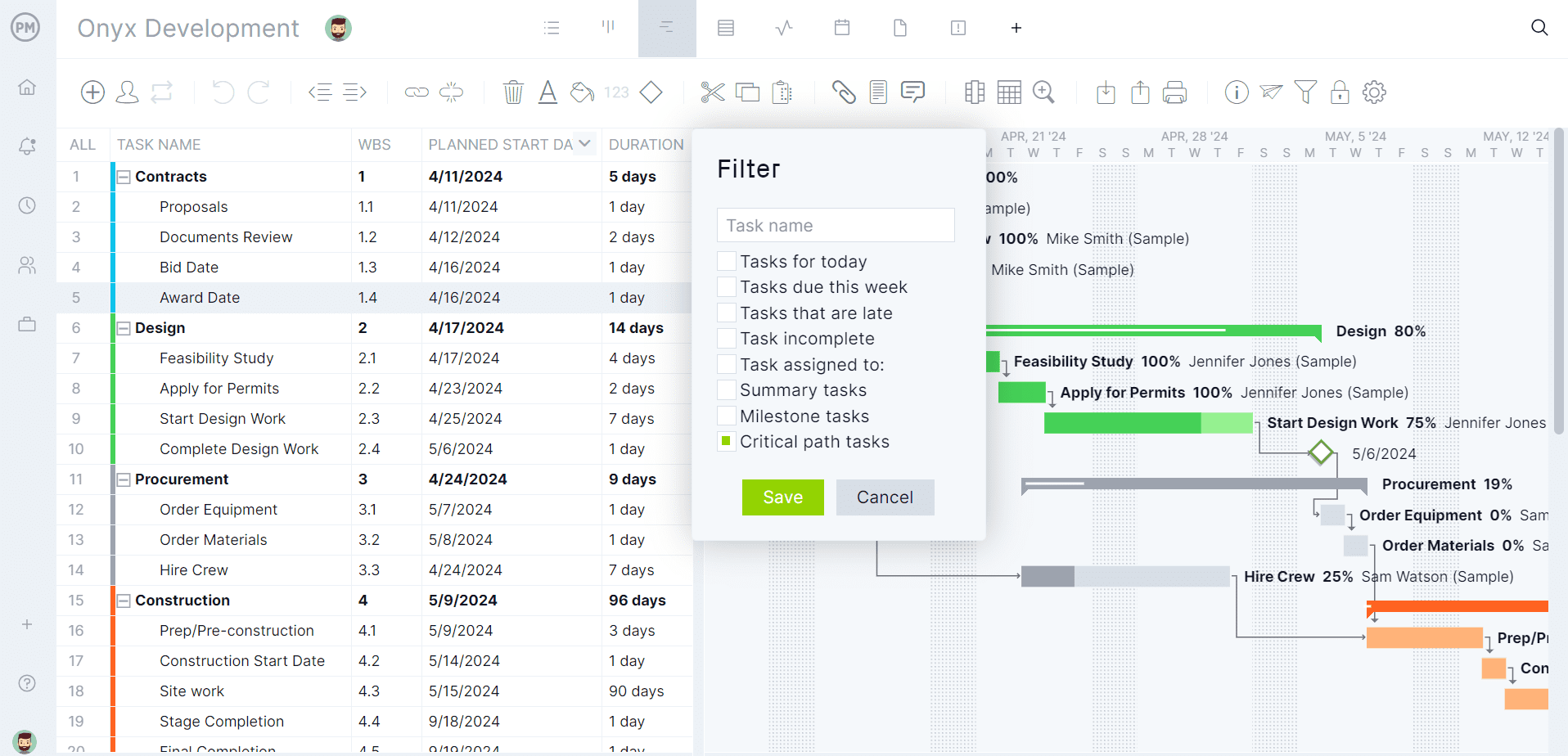
ProjectManager emerges as a primary choice for general contractors and trade subcontractors requiring a balance between advanced scheduling features and transparent per-user pricing. By supporting all four dependency types—finish-to-start, start-to-start, finish-to-finish, and start-to-finish—alongside customizable lag times, ProjectManager maintains timeline integrity when structural modifications or weather delays occur. Furthermore, its business-tier workload management page aggregates labor hours across multiple active jobs, displaying over-allocated personnel in a clear visual interface. For teams maintaining a hybrid workflow, ProjectManager enables lossless MPP file imports and exports, allowing schedulers to develop timelines in a dedicated workspace and publish them directly to Procore as a read-only master schedule.
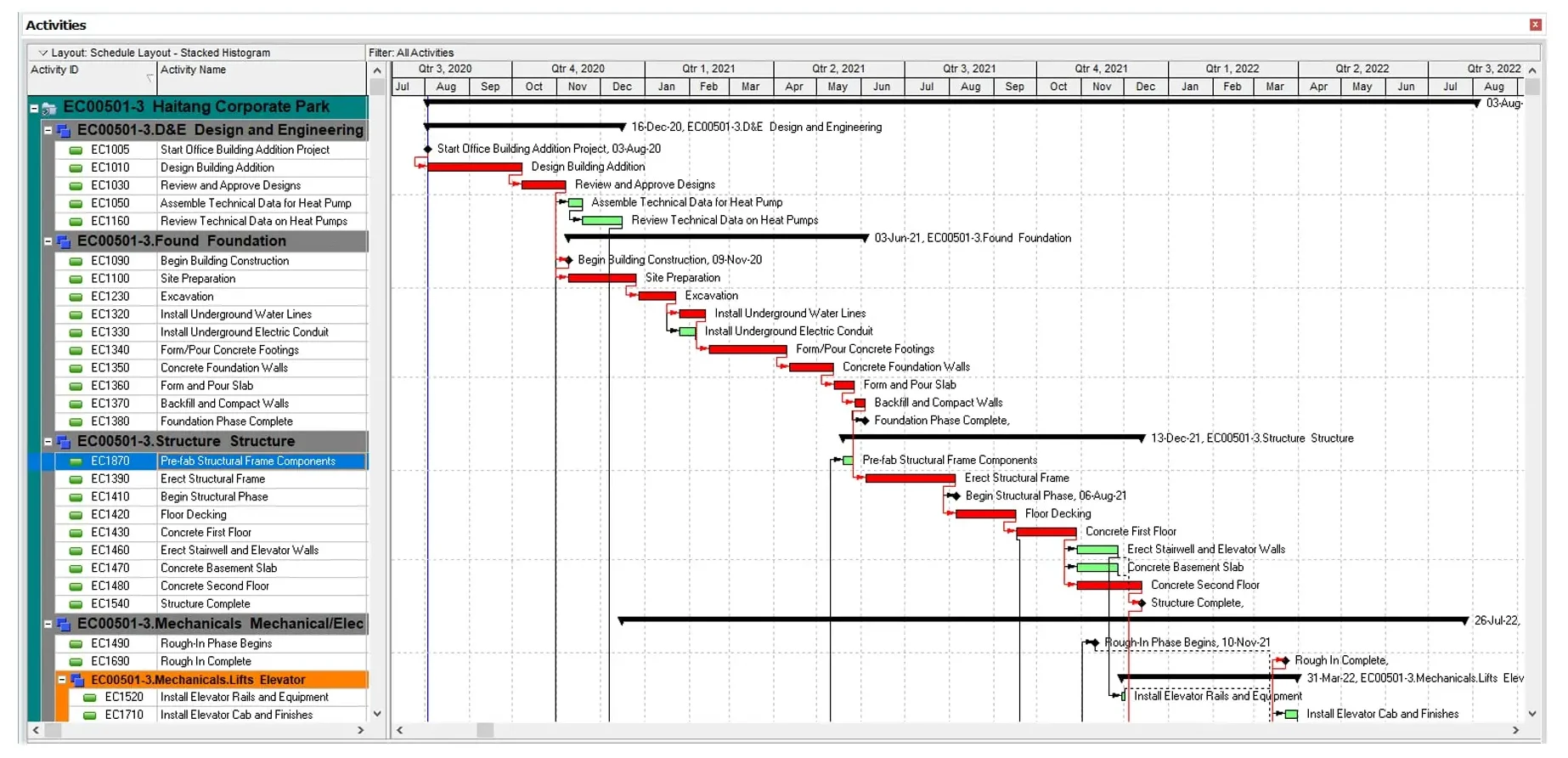
For large-scale infrastructure programs and enterprise owners, Oracle’s Primavera P6 remains an industry standard. Renowned for its ability to calculate the critical path via total float or longest path methodologies, P6 manages tens of thousands of concurrent activities effortlessly. Its native support for XER and XML formats satisfies stringent owner requirements on public works and heavy civil projects. Despite its analytical power, P6 commands higher implementation costs, steep learning curves, and specialized administrative overhead, often necessitating dedicated scheduling professionals rather than field superintendents.
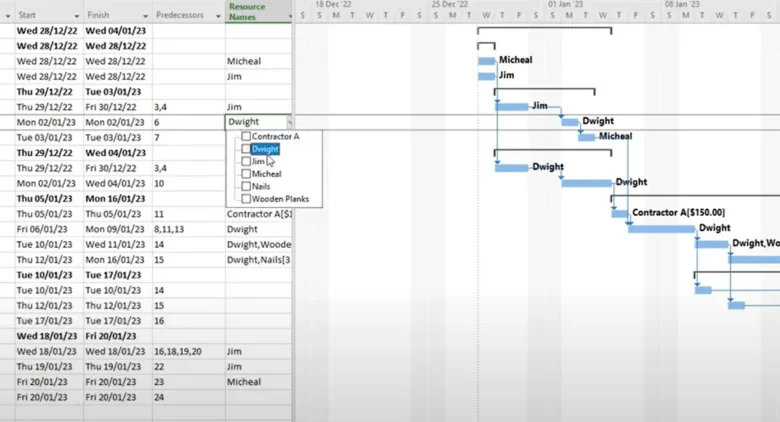
Microsoft Project continues to serve organizations deeply integrated within the Microsoft ecosystem. Available via desktop licenses such as Project Professional 2024 or cloud-connected subscriptions like Plan 3, the platform offers comprehensive CPM engines, robust baseline management, and native MPP file generation. While desktop versions provide deep analytical control, their limitation to Windows environments and the lack of native, direct-edit mobile apps for field crews mean that superintendents frequently rely on exported views rather than live desktop interactions.
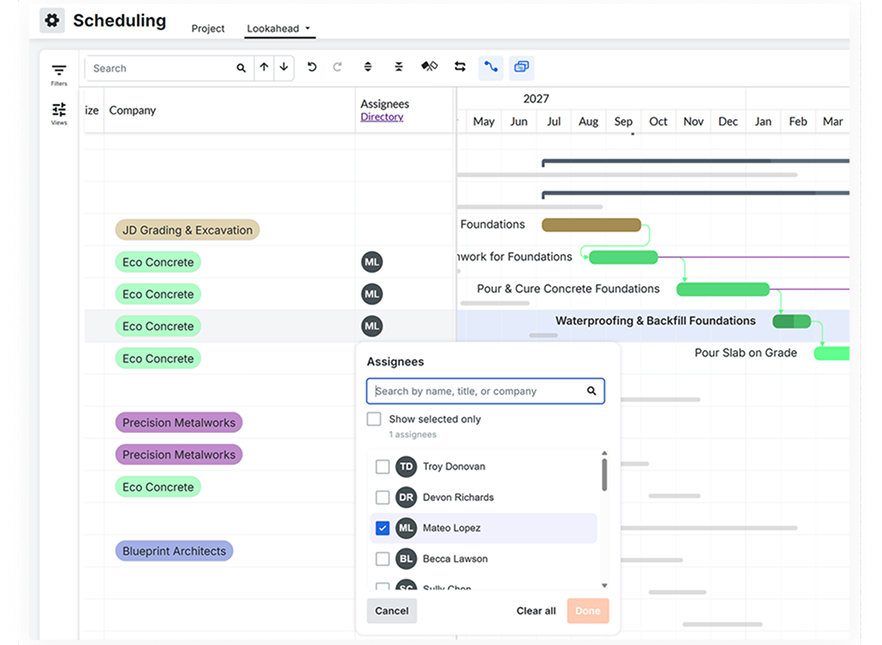
TeamGantt addresses the needs of specialty contractors through its specialized construction iteration, Builder Edition. Offering a flat monthly pricing model with unlimited users across a capped project count, TeamGantt incorporates lookahead schedules, change confirmation workflows, and direct Procore synchronization. This architecture allows field teams to review upcoming milestone windows without requiring costly software licenses for every subcontractor or trade partner.
Contractor Foreman and Smartsheet cater to different segments of the market. Contractor Foreman functions as an all-in-one suite designed for smaller contractors seeking to replace Procore entirely, embedding Gantt scheduling, crew tracking, and financial tools into a single platform. Smartsheet appeals to organizations that prefer a familiar, spreadsheet-like interface combined with powerful relational capabilities, though its export limitations—relying on XML rather than native MPP—require verification of file compatibility before integration with enterprise environments. Finally, GanttPRO provides an accessible, cost-effective alternative for smaller teams requiring rapid schedule creation, though its lack of native MPP export restricts its utility for complex, multi-platform hybrid workflows.
Operational Strategies: Replacement Versus Coexistence
When deciding whether to transition away from Procore’s native scheduling tools, executive leadership must evaluate their organization’s reliance on non-scheduling modules. Enterprises heavily dependent on Procore’s submittal logs, certified payroll, sub-tier compliance, and financial tracking are rarely incentivized to abandon the platform entirely. For these organizations, the coexistence model—authoring the schedule in a dedicated third-party tool and importing the resultant MPP or XER file into Procore—retains the benefits of a single source of truth for administrative records while empowering schedulers with advanced dependency modeling tools.
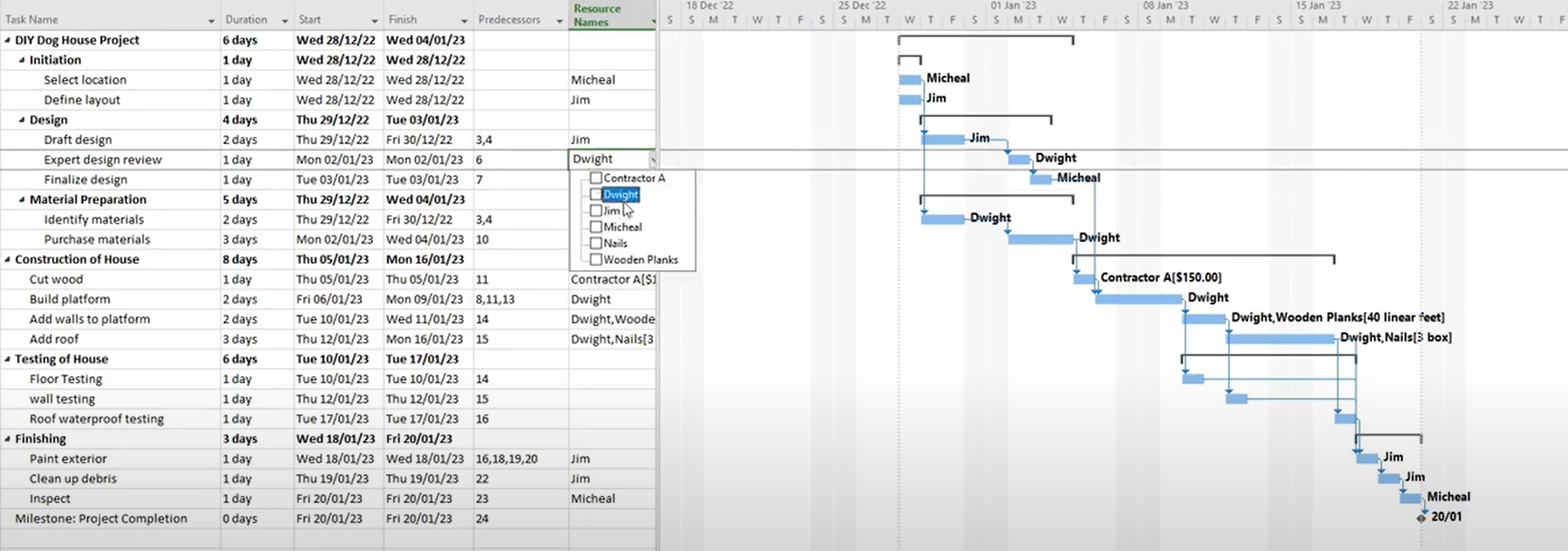
Conversely, mid-sized contractors and specialty trade partners who utilize Procore primarily for basic milestone tracking often find that maintaining an enterprise platform introduces unnecessary financial overhead. For these entities, migrating to dedicated scheduling software or all-in-one platforms like ProjectManager or Contractor Foreman reduces software subscription costs while delivering superior visibility into crew utilization and productivity metrics.
Future Outlook for Construction Technology
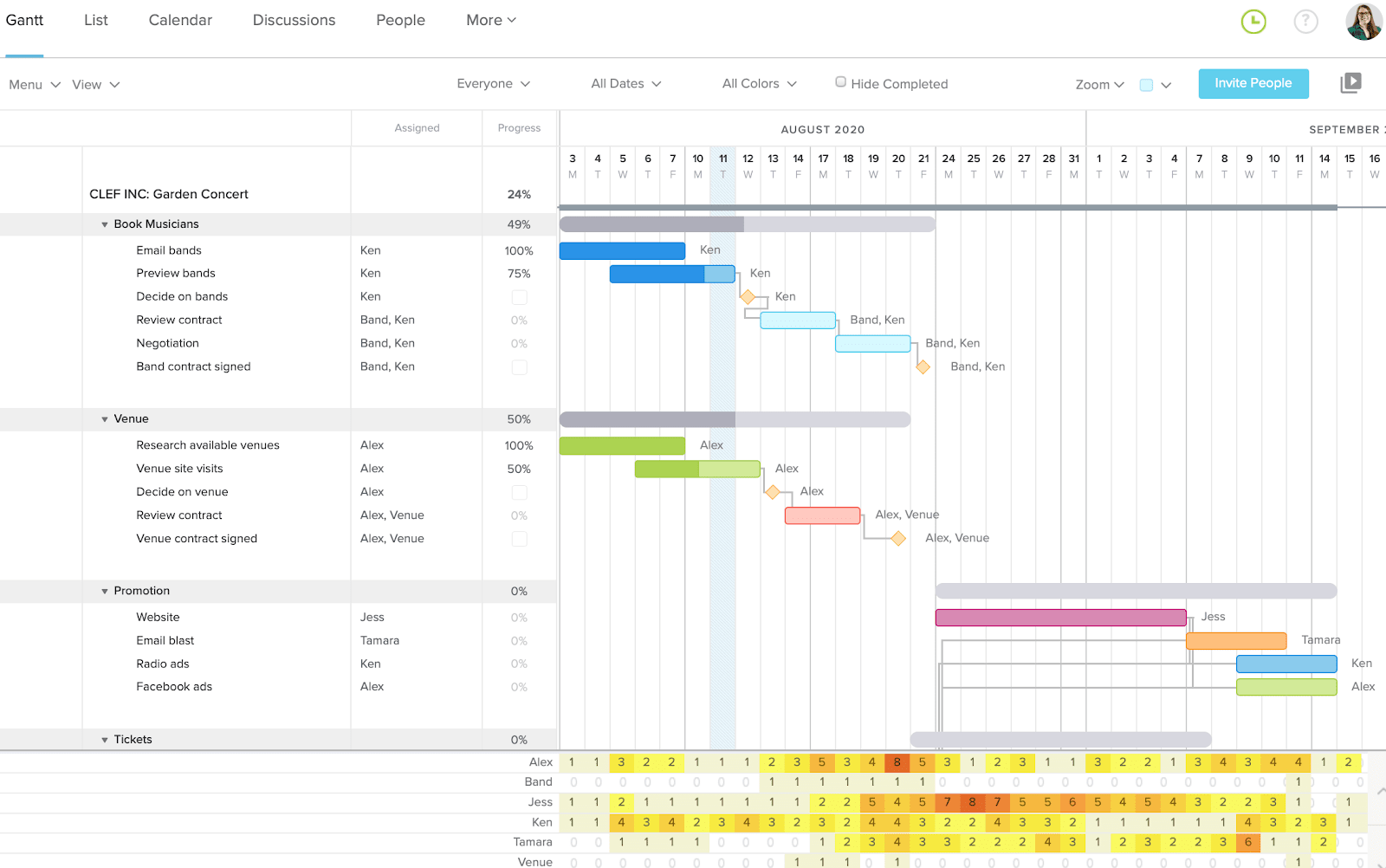
As construction technology matures through 2026 and beyond, software vendors are increasingly incorporating artificial intelligence-driven predictive analytics, automated variance detection, and real-time field data synchronization. Whether organizations choose to consolidate their operations within a single enterprise platform or assemble a best-of-breed software stack, the fundamental requirement remains unchanged: construction schedules must accurately reflect site reality, protect critical path logic, and maintain clear communication channels between the executive office and the jobsite.