The Art and Science of Guest Posting: How Process Street Built a Scalable Editorial Partnership System

Guest posting, often referred to as guest blogging, is a strategic content marketing tactic where individuals or businesses contribute articles to external websites and publications they do not own. This practice aims to leverage the audience and authority of established platforms to expand reach, drive targeted traffic, enhance brand visibility, and build valuable backlinks. While the concept appears straightforward, its effective implementation requires meticulous planning, consistent execution, and robust operational systems, as demonstrated by Process Street’s journey in building a successful guest posting program that resulted in over 300 published articles across prominent industry outlets.

The allure of guest posting lies in its potential to position a business or individual as a thought leader within their niche. Imagine if literary giants like William Shakespeare or Toni Morrison offered to contribute to a contemporary publication; their insights would undoubtedly be welcomed. Similarly, for businesses, guest posting allows their subject matter experts to share valuable knowledge with new audiences, transcending the limitations of their own owned media channels. This approach is not merely about link acquisition, a practice that has faced scrutiny from search engine algorithms, but rather about forging genuine editorial partnerships that offer mutual benefits to both the contributor and the host publication.
The fundamental principle of guest posting is a symbiotic relationship. The guest contributor provides unique expertise and a polished piece of content, while the host publication offers editorial review, distribution channels, and access to an established readership. The ultimate goal extends beyond mere SEO metrics; it encompasses building brand authority, fostering relationships with other industry players, and generating qualified leads through relevant referral traffic. As Process Street’s experience illustrates, achieving these outcomes hinges on delivering genuinely valuable content that resonates with the host publication’s audience and adheres to their editorial standards.
The Evolution of Process Street’s Guest Posting Program
Process Street’s foray into guest posting began organically, spearheaded by an individual writer, Ben Brandall. Initially, the focus was on individual efforts to build personal authority, which, by extension, boosted Process Street’s credibility. Brandall strategically contributed to publications he regularly consumed, such as TechCrunch, HubSpot, G2, and The Next Web. His early work covered a diverse range of topics, including UX design, 1990s Japanese video games, and even more academic subjects like Karl Marx, demonstrating a willingness to adapt his expertise to fit various editorial landscapes. These initial bylines, though few in number, were significant due to the prestige of the publications, establishing a foundation of credibility without a formalized process.
The program gained momentum with the addition of another content writer, Ben Mulholland. The team adopted a playful analogy of spreading "digital peanut butter" to describe their efforts – aiming to increase their online presence and pique interest in their work. This phase was characterized by individual relationship-building and the pursuit of bylines in respected outlets like Chargebee and Usability Geek. While effective in garnering attention, this decentralized approach lacked a centralized system for tracking opportunities, managing editor relationships, and ensuring consistent quality. Editor preferences might reside in individual inboxes, outlines in disparate documents, and publication statuses known only to the writer. This became increasingly risky as the team grew and the number of publications involved expanded.

Scaling Through Coordinated Campaigns
A significant turning point arrived with the launch of Process Street’s first coordinated guest posting campaign. This initiative was designed to support a set of employee-onboarding resources, targeting publications that already covered similar topics. The strategy shifted from individual pitches to a more structured campaign approach. Ben Brandall spearheaded the research phase, compiling a comprehensive master document exceeding 10,000 words, containing potential titles, article ideas, relevant statistics, and source materials. This provided a consistent foundation for writers while allowing for customization to individual publication needs.
This coordinated effort led to the publication of over 100 guest posts within approximately six months. This impressive output underscored the power of structured research, clear ownership, and persistent execution. However, this high-volume approach also highlighted a potential pitfall: the risk of outreach becoming generic and impersonal. The team recognized that while scale was achievable, maintaining relevance and personalization was paramount in today’s content landscape. Modern campaign design, they concluded, required a more focused approach, prioritizing genuine editorial fit, tailored content angles, and respect for each publication’s unique requirements.
Systemizing Production and Review: The Eighteen-Stage Process
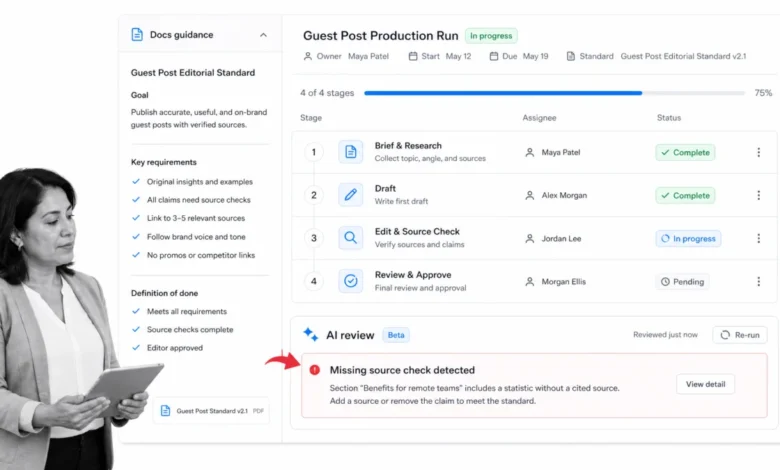
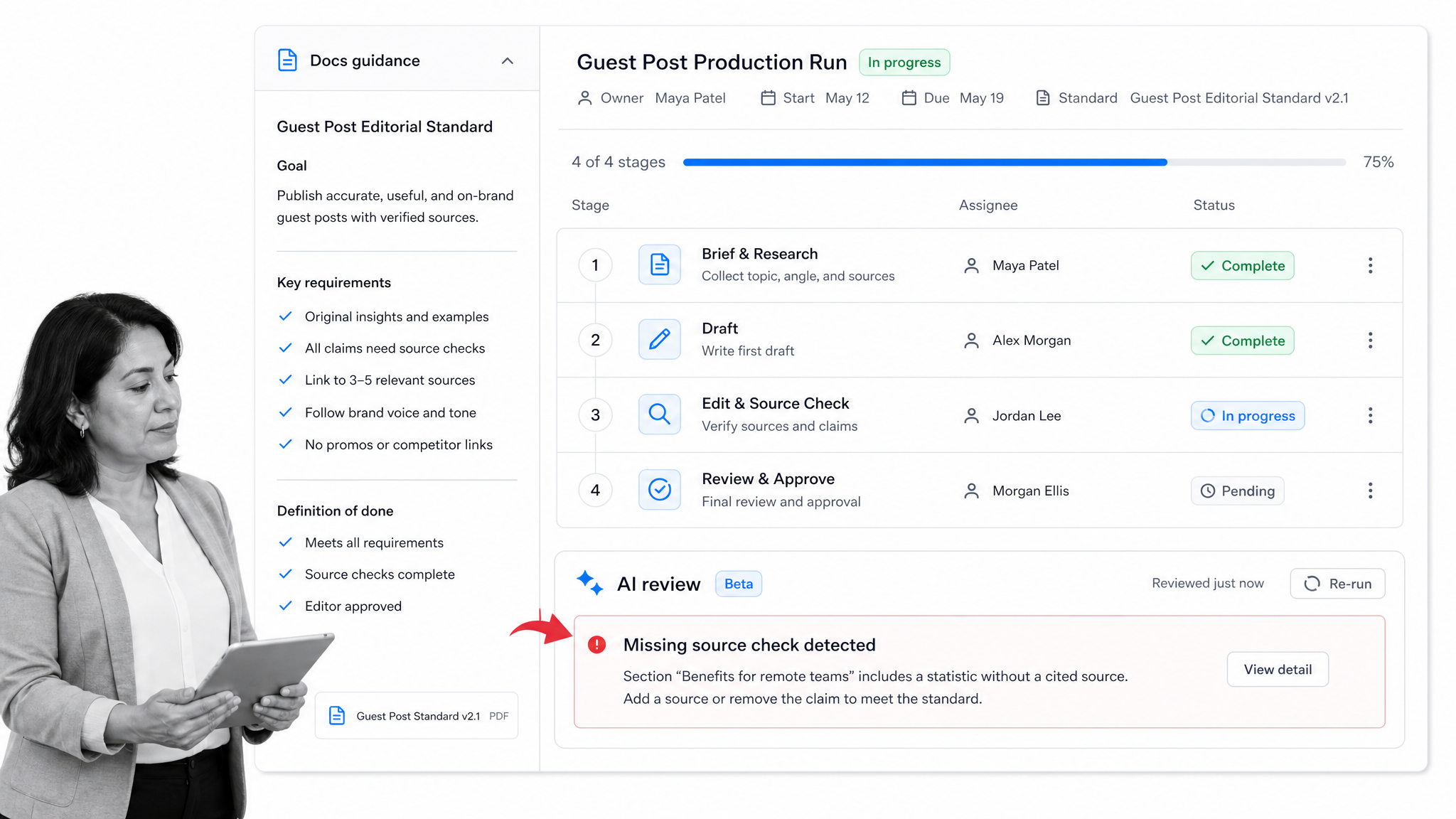
As the guest posting program expanded to encompass themes like remote work, business process management, and software integrations, the need for a more robust operational system became evident. This led to the development of a formalized "Guest Post Production" process, comprising eighteen distinct stages. This comprehensive workflow was designed to govern every aspect of the guest posting lifecycle, from initial idea generation to post-publication tracking.
The stages included critical steps such as:

- Opportunity Research: Identifying potential publications and their editorial needs.
- Contact Qualification: Verifying the appropriate editor or contact person.
- Idea Development: Crafting unique and relevant article concepts.
- Outline Creation: Structuring the article for clarity and impact.
- First Draft Writing: Developing the core content.
- Internal Review: Ensuring adherence to Process Street’s quality standards.
- Revision: Incorporating feedback from internal reviewers.
- Pitch to Editor: Submitting the finalized proposal.
- Editor Feedback: Addressing any editorial comments or requests.
- Final Draft Submission: Delivering the polished article.
- Publication Confirmation: Verifying the article has gone live.
- Link Tracking: Monitoring performance and backlinks.
This detailed process was supported by an integrated technology stack. Gmail was used for communication, with labels to track accepted pitches. Airtable served as a central repository for opportunity records, and Zapier automated the transfer of information between these platforms, initiating production runs within Process Street. This system effectively separated content judgment from administrative tasks, ensuring that writers could focus on crafting compelling narratives while the system managed the logistical aspects of workflow, deadlines, and status updates. This automation reduced administrative burden and provided campaign owners with real-time visibility into the progress of each contribution, eliminating the need for constant manual updates.
Addressing Ownership Failures and Embracing a Mixed Model
A critical challenge arose when the original owner of the off-site program, Ben Brandall, departed from Process Street. Ben Mulholland, who took over, inherited a program that still relied heavily on personal relationships and contextual knowledge that wasn’t fully embedded within the operating system. This led to a dip in output, as too much crucial information remained with individuals rather than within documented processes. The system documented production steps but lacked the nuanced understanding of editor preferences and follow-up expectations that Brandall had cultivated.

The team recognized that a single point of failure could cripple the program. To regain momentum, they emphasized communication and relationship management, leveraging tools like BuzzSumo for topic research and Close for managing outreach and follow-ups. A significant follow-up campaign in this period demonstrated the effectiveness of a structured approach, contacting 646 individuals, achieving a 64% open rate, and a 19% response rate. While not all responses led to acceptances, this provided a transparent view of the funnel and yielded new guest posting opportunities.
However, as team roles continued to evolve, some accepted guest post slots still fell through the cracks. Writers began to bypass the established production process for opportunities they sourced independently, leading to delayed or undelivered content and strained editorial relationships. This highlighted a common process flaw: a workflow optimized for one acquisition route (campaign-driven opportunities) became invisible to those using another (individually sourced pitches).

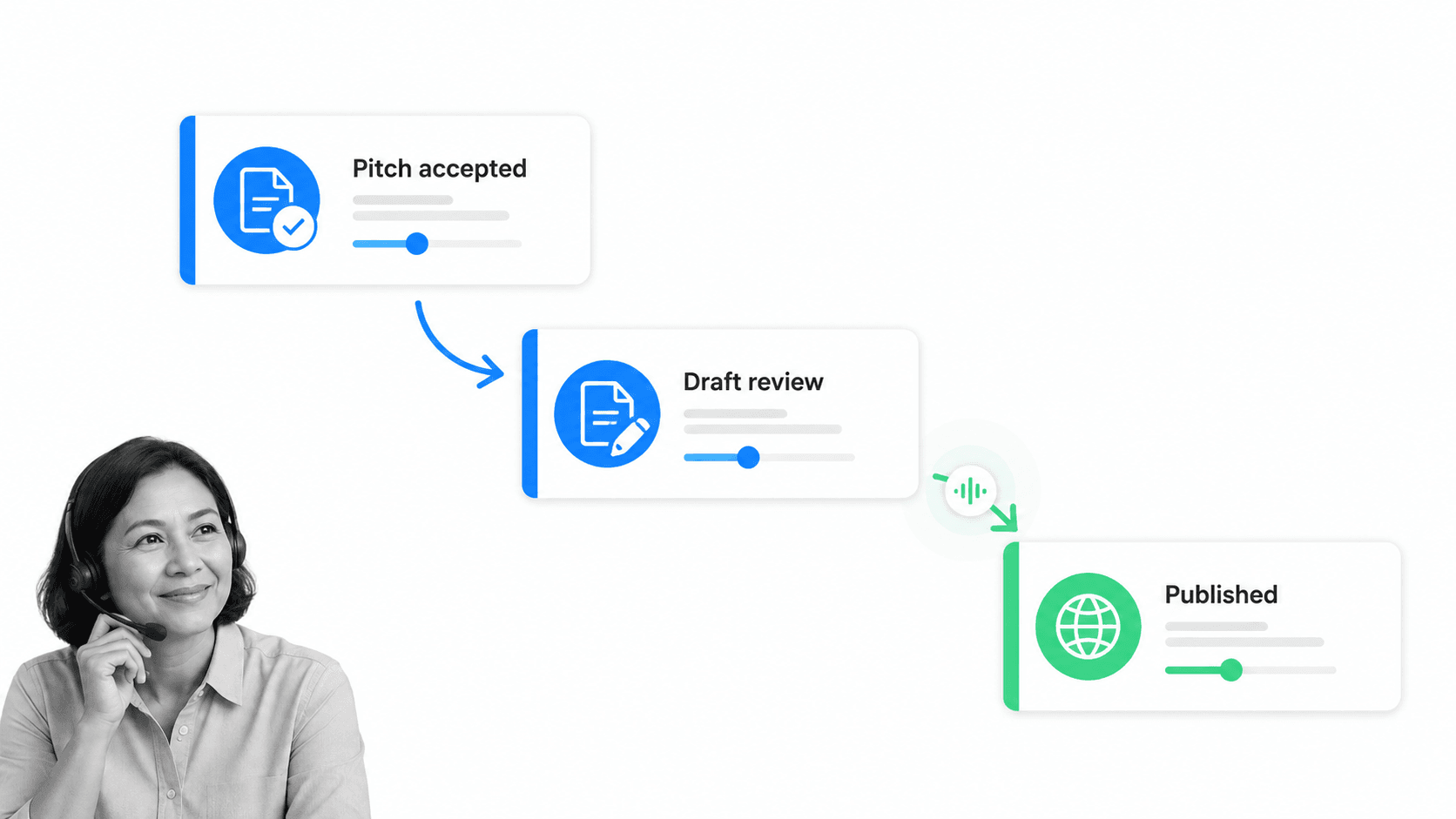
The solution was to implement a "mixed model" that accommodated both campaign-driven opportunities and individually sourced pitches. This involved creating a clear pathway for writers to develop ideas, qualify publications, pitch editors, and then integrate these accepted pitches into the same governed review process. The production workflow was enhanced to emphasize reviewer ownership, evidence-based decision-making, and meticulous tracking of final publication details. Each accepted contribution required a designated writer, reviewer, due date, source verification, decision record, and the final published URL. This ensured that all guest posts, regardless of their origin, adhered to the same rigorous quality controls.
This revised approach began earlier in the process, at the idea development stage. Writers were prompted to document proposed audiences, publication fit, supporting evidence, and pitch details before making contact. Once an editor accepted an idea, this record seamlessly transitioned through outline, draft, review, delivery, revision, and publication stages, eliminating the need for disparate spreadsheets or private checklists. This integrated system fostered accountability and ensured that creative freedom did not come at the expense of operational rigor.
Four Essential Guest Blogging Tips for Success
Process Street distilled their extensive experience into four key actionable tips for writers and marketers looking to excel in guest posting:
- Build Relationships Before You Pitch: Cultivate genuine connections with publications by actively engaging with their content, offering thoughtful comments, and participating in relevant conversations. This establishes familiarity and increases the likelihood of your pitches being considered. Focus on a curated list of publications you genuinely admire and understand, rather than a broad, indiscriminate outreach.
- Follow Every Editorial Guideline: Meticulously adhere to the submission rules outlined by each publication. These guidelines are not arbitrary but are designed to streamline the editorial process. Ignoring them signals a lack of professionalism and can lead to avoidable rejections. Regularly recheck guidelines as they can be updated.
- Personalize the Substance, Not Just the Greeting: Go beyond superficial salutations. Demonstrate a deep understanding of the publication’s content, identify an unmet need within their audience, and clearly articulate why your expertise is uniquely suited to address it. This personalization should extend to the draft itself, mirroring the publication’s style and adding original insights.
- Document and Track Every Commitment: Implement a robust system for tracking all guest posting activities. This includes opportunity details, editorial commitments, deadlines, reviewer assignments, and the final published URL. A centralized workflow management tool ensures accountability, prevents dropped balls, and preserves valuable context and relationships, especially in remote or dynamic team environments.
The journey of Process Street’s guest posting program underscores that success in this domain is not accidental. It requires a strategic blend of creative content generation, diligent operational management, and a commitment to building authentic editorial partnerships. By evolving from individual efforts to a systematic, scalable operation, Process Street demonstrated that guest posting, when approached with discipline and a focus on value, can be a powerful engine for brand growth and industry influence. The lesson learned is that while the creative spark is essential, it must be supported by a well-oiled machine to achieve sustainable, long-term success.