Marketing Attribution for SaaS: It Has Never Been Easier or More Affordable to Build a High-Accuracy Model

Marketing attribution in the Software as a Service (SaaS) sector has long been perceived as a complex, often unreliable, and prohibitively expensive endeavor. For over a decade, the industry has largely concentrated on pipeline performance marketing, with many teams investing heavily in dashboards and reporting infrastructure to justify expenditure. This has led to prolonged debates over the efficacy of first-touch versus last-touch attribution models, diverting valuable time and resources away from the more critical task of generating demand at the top of the marketing funnel. Founders and revenue leaders are acutely aware of the significant capital invested in customer acquisition, yet accurately identifying the channels that consistently drive revenue remains one of their most persistent challenges. However, recent insights suggest a paradigm shift: achieving high-accuracy attribution for SaaS businesses is now more accessible and cost-effective than ever before.
This transformation is underpinned by a confluence of technological advancements and evolving data strategies. The traditional attribution models, largely designed for e-commerce with its swift transaction cycles, are proving inadequate for the protracted and multi-faceted buyer journeys characteristic of SaaS. The increasing stringency of privacy regulations, while seemingly an obstacle, has paradoxically empowered SaaS companies to reclaim control over their data, paving the way for more robust and reliable attribution frameworks.
A recent workshop co-hosted by ChartMogul, a leading subscription analytics platform, and InnerTrends, a customer analytics specialist, brought this optimistic outlook into sharp focus. Sara Archer, Chief Revenue Officer at ChartMogul, and Claudiu Murariu, CEO of InnerTrends, concluded that the barriers to entry for sophisticated marketing attribution have significantly diminished. This article delves into the reasons behind this shift, examines the evolving data landscape, and provides a concise, five-step guide for SaaS companies to establish a confident attribution strategy.
The Antiquated Attribution Model: A Mismatch for SaaS

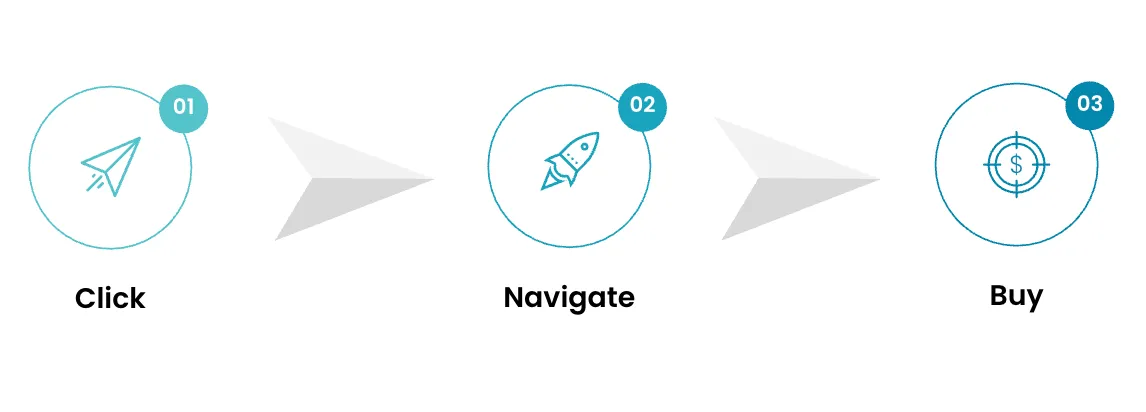
The foundational attribution models that emerged in the early days of digital marketing were intrinsically linked to the e-commerce paradigm. They operated on a simplified assumption: a user interacts with an advertisement (a click), navigates to a website (a session), and completes a purchase. This model thrived in an era where conversions were typically immediate, browsers facilitated unrestricted tracking script execution, and UTM parameters sufficed for most data requirements, with ad platforms handling the remainder.
The modern SaaS landscape, however, presents a dramatically different scenario. Buyer journeys can span weeks or months, involving multiple decision-makers within an organization. A user might initiate a signup on a mobile device and later upgrade via a desktop, creating fragmented digital footprints. Furthermore, the rise of Product-Led Growth (PLG) strategies and AI-driven product interactions can significantly influence revenue long before a human sales representative becomes involved.
Consider the contemporary SaaS buyer’s journey. Privacy-conscious browsers increasingly block third-party cookies, consent banners curtail script deployment, and users commonly employ ad blockers and VPNs, all of which impede traditional tracking methods. Beyond the digital realm, product discovery and research occur through a myriad of channels, including social media communities, instant messaging platforms, podcasts, video content, and even informal conversations. Consequently, a substantial portion of web traffic is often categorized as "Direct" or "Unknown," leaving a significant data gap for attribution.
This disparity does not signify a fundamental flaw in attribution itself, but rather an obsolescence of models designed for a bygone digital era. The challenge lies not in the impossibility of tracking, but in adapting to a more complex and privacy-centric ecosystem.
The Illusion of Perfect Precision: Embracing Imperfection
A pervasive pressure exists for SaaS founders to achieve absolute precision in their attribution metrics. However, the reality is that complete accuracy is an unattainable goal in today’s environment. A potential customer might first encounter a product through a recommendation in a private messaging group, see a brand mention in a professional network, and then sign up from a different device. No single system can perfectly capture every element of such a dispersed journey.
The crucial insight here is that consistency, rather than absolute precision, is the key to effective attribution. By reliably tracking a significant portion, perhaps 60% to 75%, of user journeys using clean, first-party data, discernible patterns emerge. These patterns enable informed decision-making, even in the absence of perfect data.
Thomas Anastaselos, Director of Revenue Operations and Data Analytics at ChartMogul, emphasizes this point: "People block tracking, scripts won’t load, random errors happen. Guess what? It doesn’t matter. Once you have verified your approach, have tested against something more robust like the server logs, and know that your results are consistent and accurate but only capture 70% of the leads, that’s fine. You now know that you are missing 30%. But you also know that you are comparing 2 campaigns on the same basis. So, your decision making is practically unaffected."
This represents a critical mindset shift. The focus should move away from chasing the elusive final 25% of data and toward developing a durable attribution model that accurately interprets the majority of user interactions.
The Evolving Landscape: Why Attribution is Becoming More Achievable
Despite the proliferation of privacy regulations, the process of marketing attribution for SaaS companies is paradoxically becoming more manageable. This evolution is driven by a decentralization of data control, placing more power and insight directly into the hands of SaaS teams.
-
The Ascendancy of First-Party Data: Unreliable third-party tracking methods are being supplanted by the inherent reliability of first-party data. Critical attribution events, such as user signups, logins, and in-product interactions, are directly controlled by the SaaS company. When properly captured and stored, these data points form the bedrock of an accurate attribution model, irrespective of browser restrictions.
-
Democratization of Data Warehousing: Sophisticated data warehousing solutions like Snowflake, Google BigQuery, and PostgreSQL have become accessible and cost-effective for businesses of all sizes. These platforms enable the centralized storage of diverse data streams, including customer relationship management (CRM) data, product analytics, marketing campaign performance, and subscription metrics. What once required a dedicated data science team can now be managed with minimal engineering support, allowing for a unified view of the customer lifecycle.
-
Beyond Cookies: The Future of Identity Stitching: The reliance on cookies for identity stitching is diminishing. Once a user creates an account or logs in, their subsequent journey can be reliably tracked using internal identifiers. This process circumvents the limitations imposed by cookie blockers and browser privacy settings, enabling a more persistent and accurate understanding of user behavior across devices and sessions.
-
PLG Data Enhances Attribution: The wealth of data generated by Product-Led Growth initiatives provides a significantly richer context for attribution. User behavior within the product is a powerful predictor of upgrade likelihood and long-term customer value. Integrating PLG data with marketing and sales data within a centralized data warehouse dramatically enhances the precision of attribution models.
The cumulative effect of these advancements is a landscape where robust and accurate attribution is no longer an aspirational luxury but an achievable reality for SaaS companies.
The Growth Imperative: Why High-Accuracy Attribution Matters
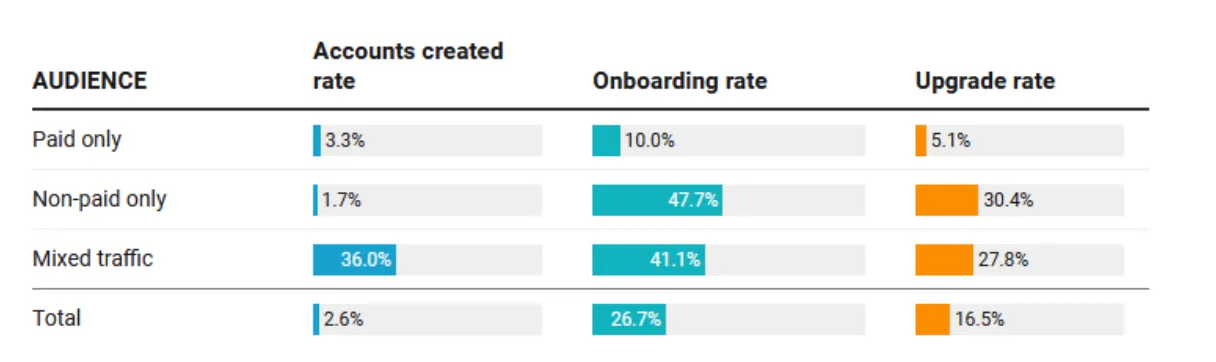
Not all leads are created equal, and this is where the true value of attribution emerges. A lead generated through a paid advertisement might result in a signup, but its conversion rate, activation success, and ultimate lifetime value can differ significantly from a lead acquired through content marketing, referrals, or organic search.
Analysis across numerous SaaS datasets consistently reveals disparities in customer value based on acquisition channel. For instance, customers acquired through organic search often exhibit higher conversion rates and longer subscription durations compared to those from paid social campaigns. This highlights that optimizing solely for lead volume can be a misleading strategy. Without a comprehensive understanding of the full funnel, teams may inadvertently celebrate top-of-funnel successes that fail to translate into sustainable revenue.
Therefore, attribution transcends a mere analytical exercise; it is a fundamental growth strategy. When founders and revenue leaders gain clarity on key metrics such as:
- Customer Lifetime Value (LTV) by Channel: Understanding which channels deliver customers with the highest long-term value.
- Customer Acquisition Cost (CAC) by Channel: Identifying the true cost of acquiring customers from different sources.
- Conversion Rates and Activation Metrics by Channel: Pinpointing channels that bring in highly engaged and likely-to-convert users.
- Revenue Contribution by Channel: Directly linking marketing spend to tangible revenue generation.
They are empowered to allocate budget strategically, creating compounding growth effects over time.
A Real-World Illustration: When Lead Volume Deceives
A poignant example of this dynamic unfolded at ChartMogul a few years prior. The company invested heavily in a gated content strategy, which, on the surface, appeared successful. Lead volume doubled, and marketing dashboards presented a healthy picture. However, a deeper analysis of revenue data painted a different story. When segmented by Monthly Recurring Revenue (MRR) contribution, leads generated through free trials consistently yielded significantly more revenue than those acquired via gated content.
This scenario underscores the peril of optimizing for vanity metrics. Without a full-funnel attribution perspective, organizations can celebrate top-of-funnel volume that ultimately fails to translate into meaningful, sustainable revenue. A modern attribution model shifts the conversation from the quantity of leads to the quality of revenue.
The Escalating Cost of Acquisition: Heightened Importance of Attribution
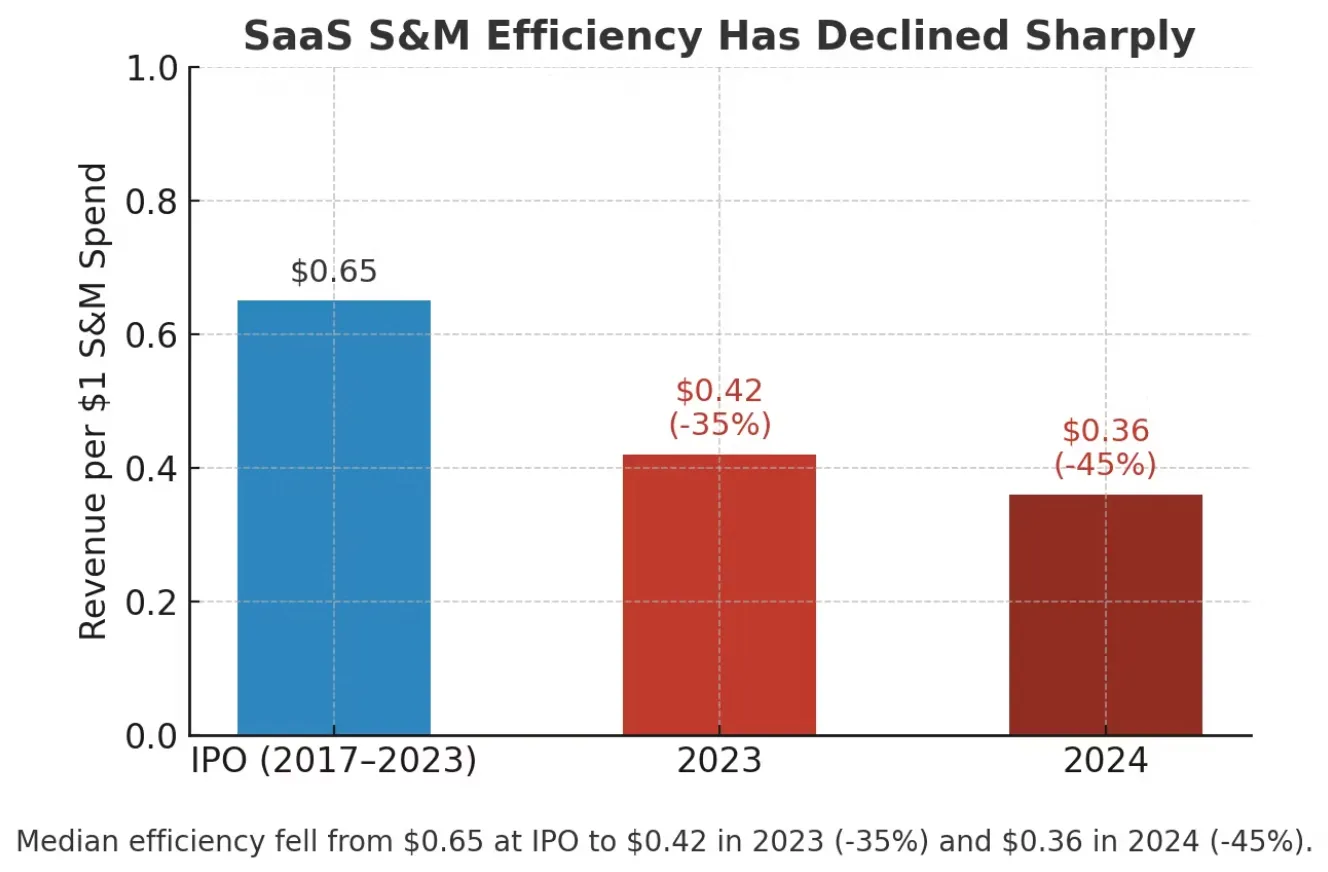
The persistent increase in Customer Acquisition Costs (CAC) across the SaaS industry is a growing concern, with sales and marketing efficiency declining for many organizations. Data from sources like Blossom Street Ventures indicates a trend where SaaS sales and marketing spend is not yielding commensurate returns.
In this environment, attribution becomes an indispensable tool for strategic budget allocation. It provides the critical visibility needed to identify which customer cohorts are genuinely valuable and worth pursuing, and which represent a less efficient use of resources. This data-driven insight forms the bedrock of informed investment decisions.
Constructing Your Modern SaaS Attribution Model: A Practical Framework
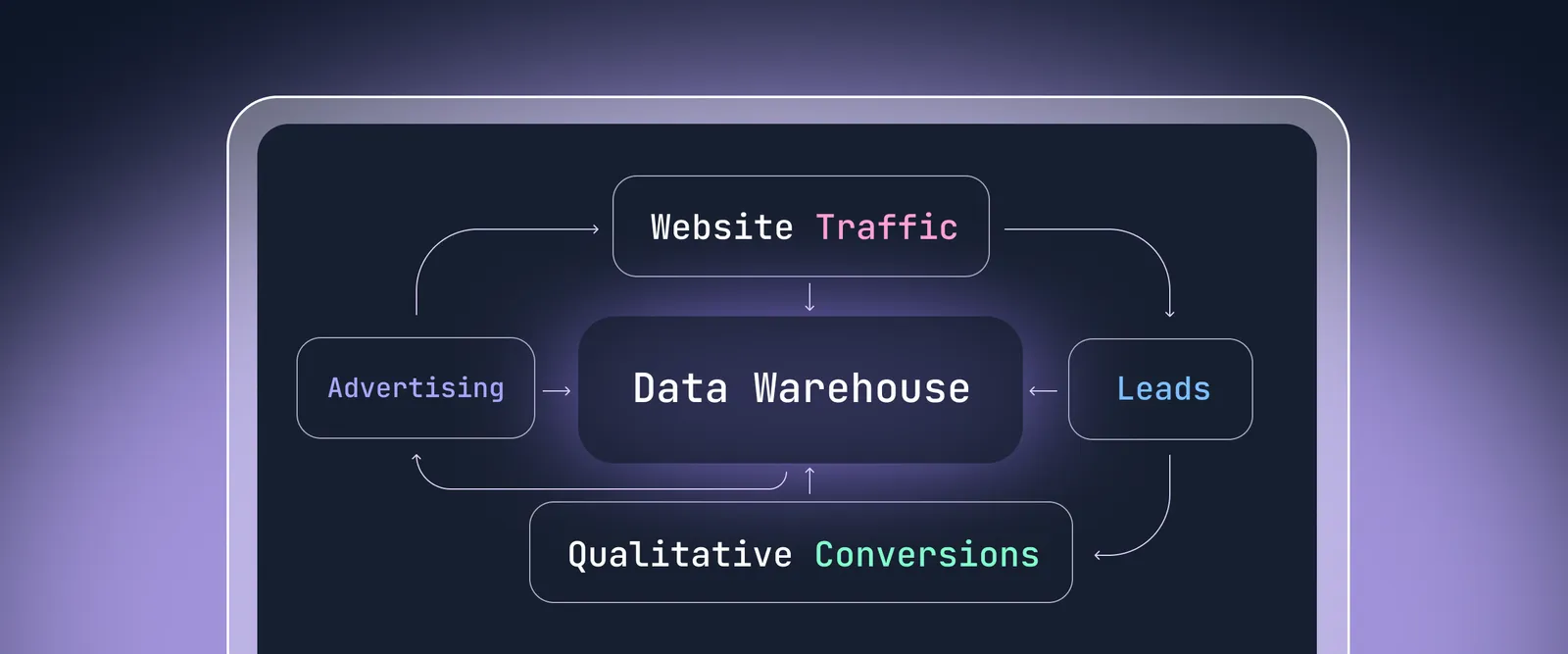
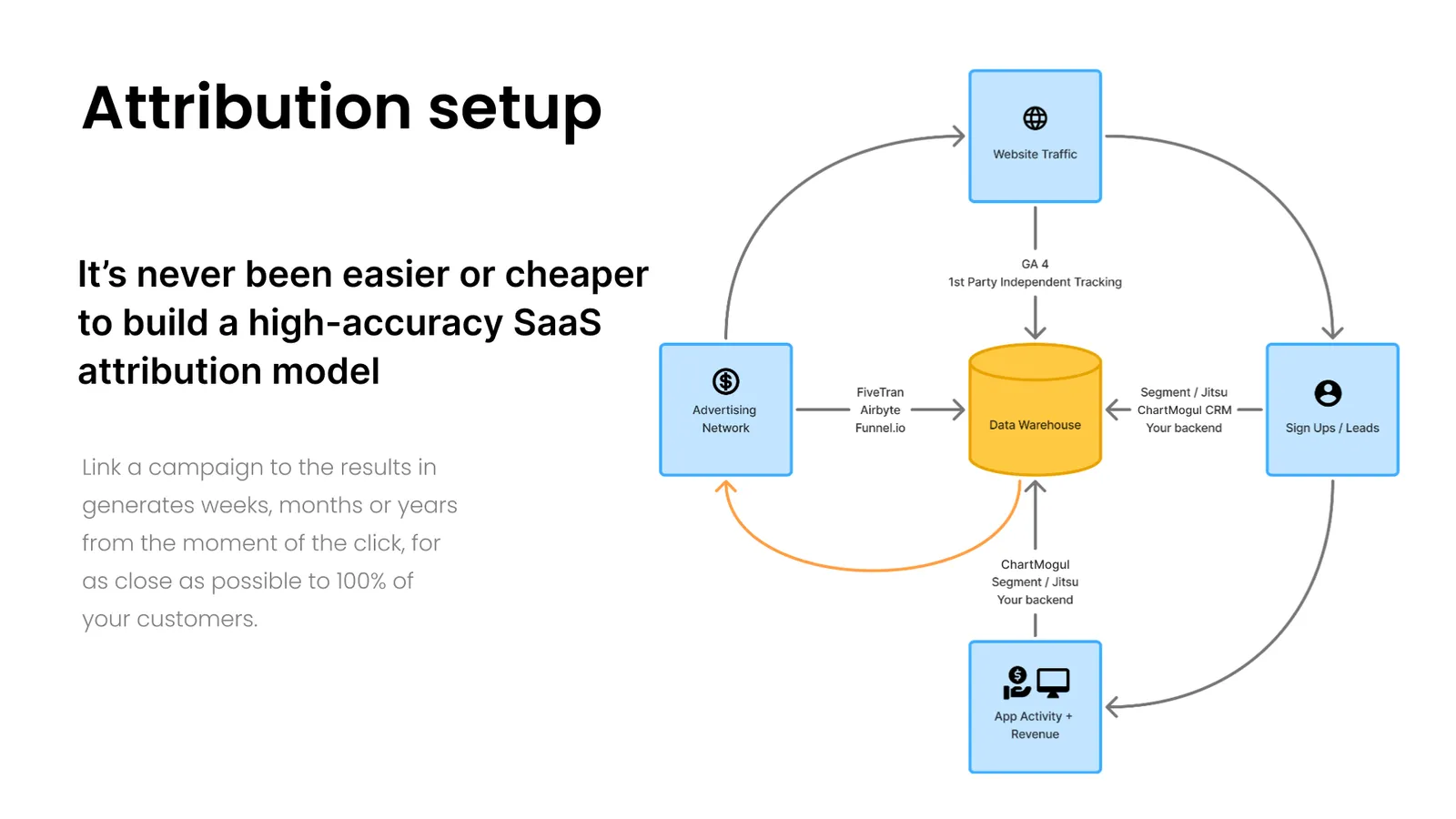
Building an effective modern SaaS attribution model does not necessitate a sprawling data team or enterprise-level marketing automation platforms. It hinges on a data warehouse-centric approach and a clear, consistent framework. Claudiu Murariu of InnerTrends outlines the essential steps:
-
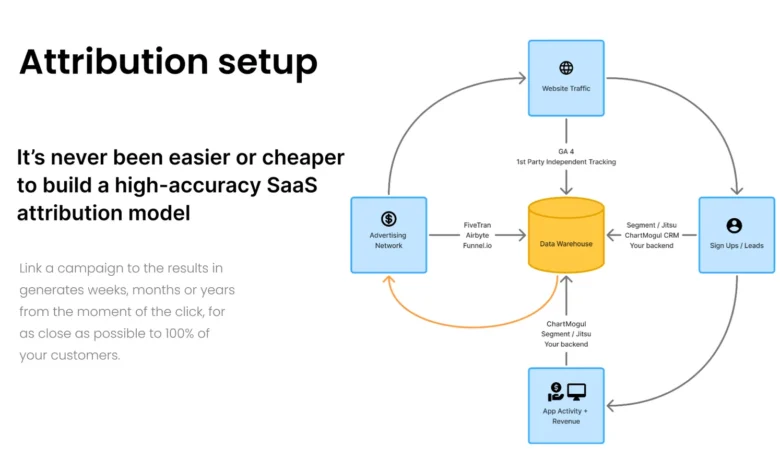
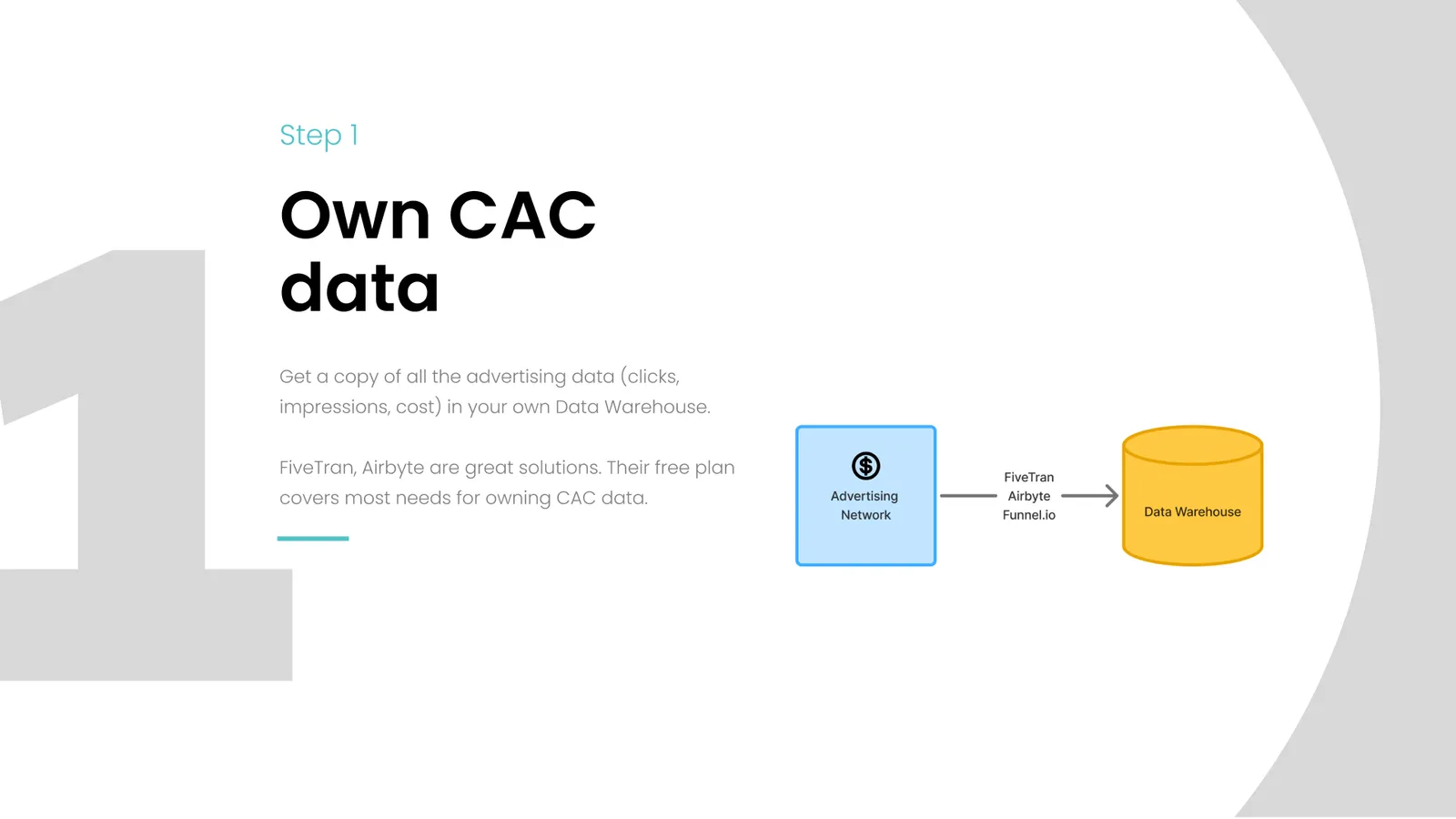
Own Your CAC Data: The foundational step is to gain direct ownership of core advertising data within your own data warehouse. This involves ingesting data from ad platforms such as Google Ads, Meta Ads, LinkedIn Ads, and any other significant paid channels. By consolidating this data, companies are liberated from the vagaries of platform-specific reporting, ensuring a consistent and reliable source of truth for campaign performance.
-
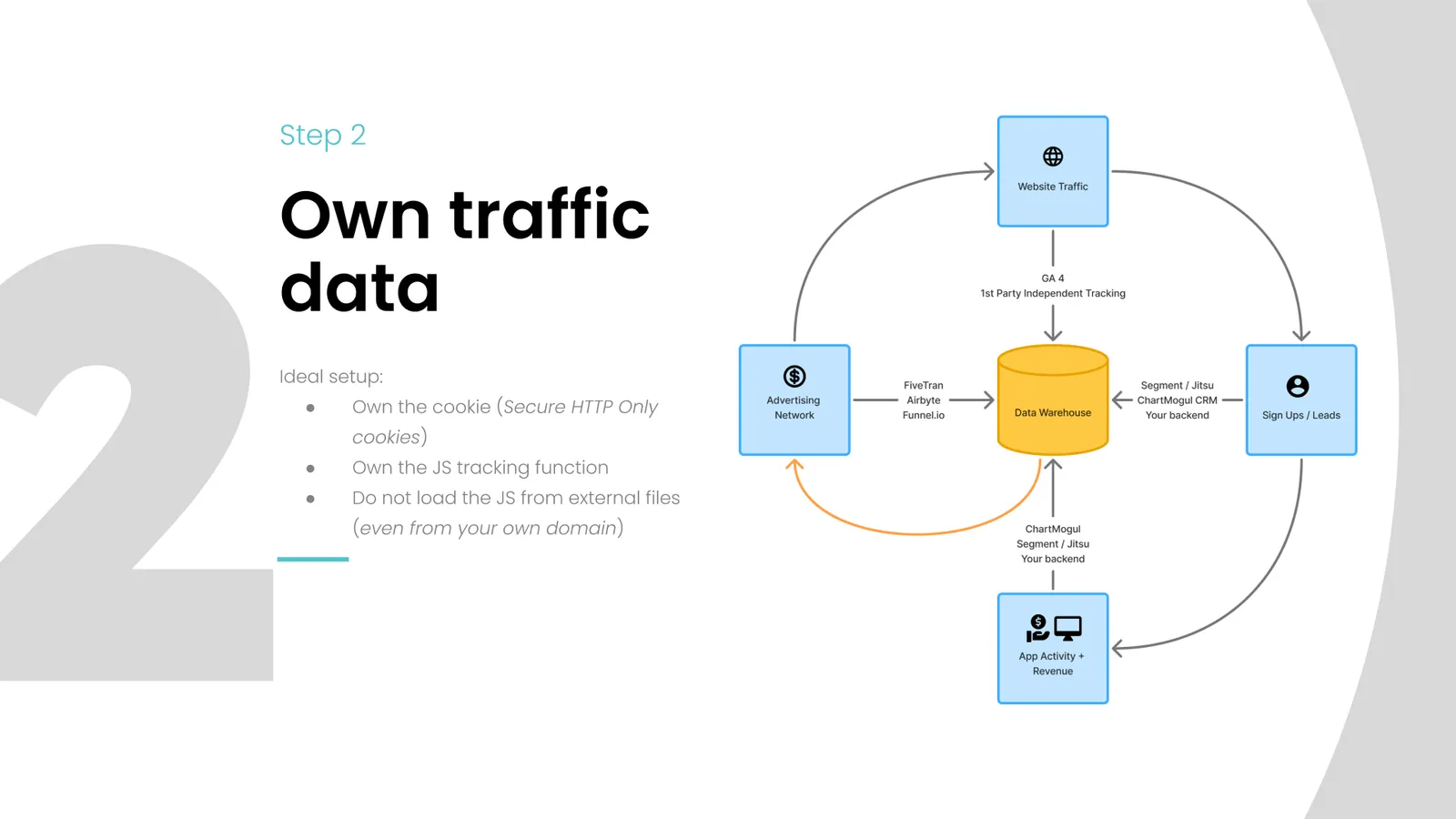
Own Your Traffic Data: Cookie and Tracking Control: Take proactive control over how website traffic is tracked. An optimal setup involves a robust first-party data collection strategy. This is crucial because traditional tracking scripts deployed via tools like Google Tag Manager (GTM) are increasingly susceptible to blocking by ad blockers, browser privacy settings, and mobile device configurations. Many ad platforms now advocate for server-side Conversions APIs precisely to circumvent these limitations. By hosting tracking logic internally, companies can bypass patterns that tracking detection tools look for. This approach enhances data capture and provides a more resilient tracking mechanism.
-
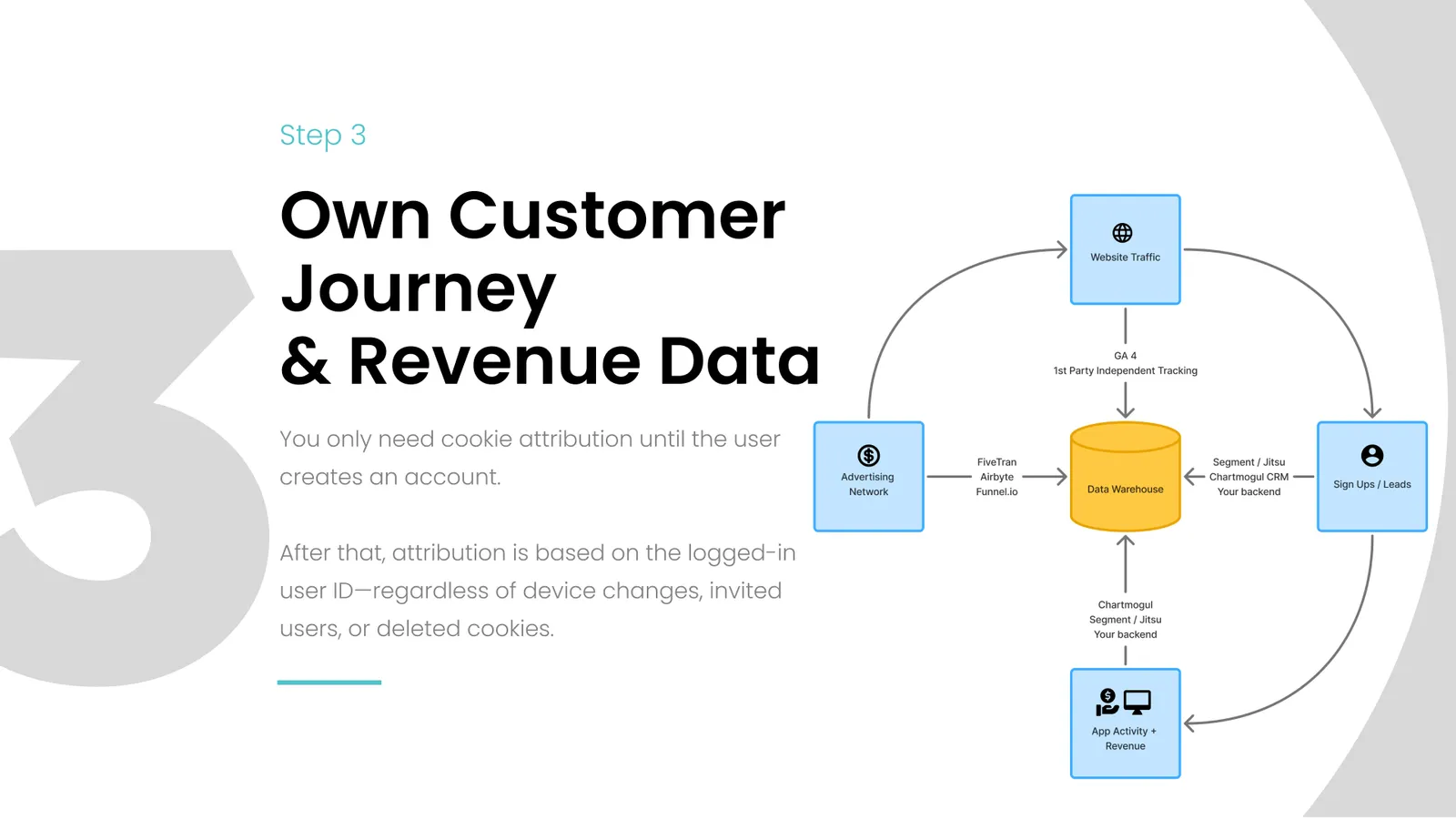
Own the Customer Journey and Revenue Events: Cookie-based attribution is primarily relevant until a user creates an account. Post-signup, attribution can transition to a far more reliable identifier: the logged-in user ID. Once a user is authenticated, their subsequent interactions – including feature usage, engagement patterns, and conversion events – can be consistently linked to their profile. This ensures that attribution remains tied to the individual user and their associated account, rather than being dependent on ephemeral browser cookies.
-
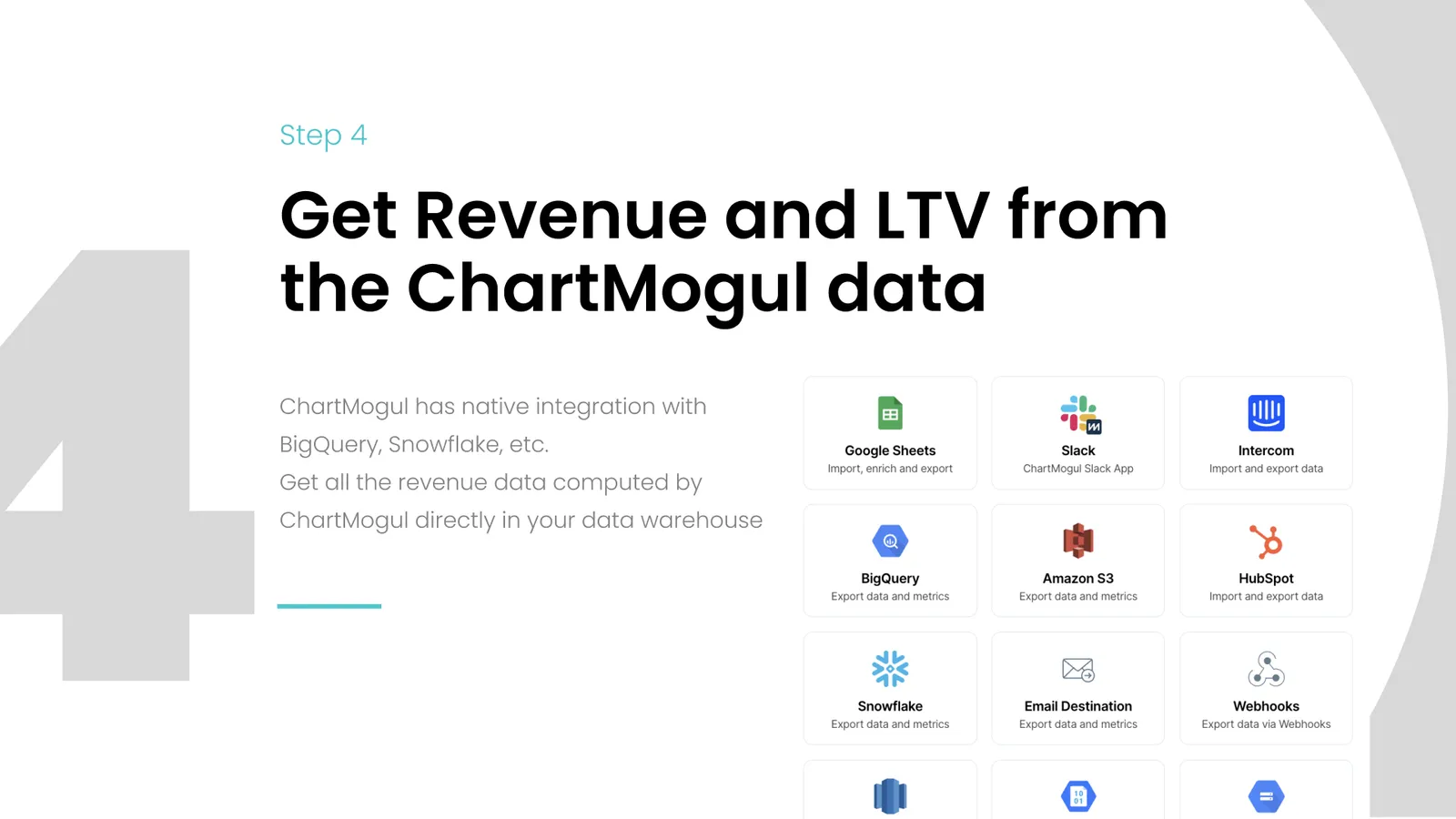
Integrate Subscription Revenue and LTV Data: The next critical step is to integrate subscription analytics platforms, such as ChartMogul, to incorporate revenue and Lifetime Value (LTV) data into the same unified picture. This brings the financial dimension to the forefront of the attribution equation. By connecting these data sources, companies can track revenue directly back to the original acquisition channels, enabling a comprehensive understanding of marketing ROI.
-
Compute and Activate Your Model: With the requisite data consolidated in the data warehouse – including CAC data, traffic and user journey events, and subscription revenue – the stage is set to compute and activate the attribution model. This allows for granular analysis of channel performance, customer cohort value, and the direct impact of marketing efforts on revenue. The insights derived can then inform strategic decisions regarding budget allocation, campaign optimization, and overall growth strategy.
The power of this integrated approach lies in its ability to move beyond theoretical debates about attribution models. It equips businesses with a practical, high-accuracy attribution framework that directly guides budget allocation and fuels sustainable growth.
The Final Takeaway: Simplicity and Ownership Drive Success
In conclusion, achieving effective marketing attribution for SaaS businesses no longer necessitates perfect tracking or complex enterprise marketing automation suites. The core requirements are straightforward: a model built on robust first-party data, enriched with product usage insights, seamlessly connected to subscription revenue, and fully owned by the internal team. Modern data tools have finally democratized this capability, making sophisticated attribution accessible to SaaS businesses of all sizes. By embracing this shift, companies can move from speculative discussions to data-driven decisions, ultimately driving more efficient and sustainable growth.