Revolutionizing New Hire Integration: Essential Onboarding Checklists for Business Success

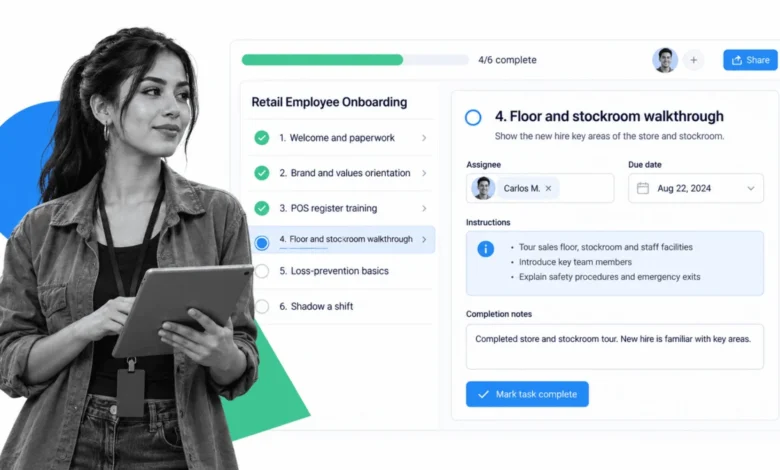
The journey of integrating a new employee into an organization is a critical juncture that can significantly impact retention, productivity, and overall company culture. Recognizing this, businesses are increasingly turning to structured onboarding processes, with checklists emerging as a cornerstone for ensuring consistency and thoroughness. This comprehensive guide delves into the definition and importance of employee onboarding, highlighting why a robust process is not merely beneficial but essential for modern organizations. It further introduces six ready-to-use employee onboarding checklists, designed to streamline the integration of new hires, which can be implemented independently or integrated with platforms like Process Street for enhanced tracking and automation.
The imperative for effective employee onboarding has never been clearer. As reported by Dr. John Sullivan, a renowned recruiting advisor and human resources professor, the consequences of weak onboarding are stark. While specific figures were not provided in the original content, Sullivan’s broader research consistently underscores the financial and human cost of failed hires. In an era where recruitment itself has become an increasingly expensive and time-consuming endeavor, with reports indicating longer hiring cycles and heightened costs, a well-defined onboarding process acts as a vital insurance policy. It mitigates the risk of revenue loss and the detrimental impact on morale that inevitably follows when a new hire does not integrate successfully and departs.

The Indispensable Role of Employee Onboarding
The significance of a well-executed onboarding program extends far beyond the initial days of employment. It sets the tone for a new hire’s entire tenure, influencing their speed of contribution and their long-term commitment to the organization. The data supporting this is compelling. Research from Brandon Hall Group indicates that a strong onboarding process can boost new hire retention by an impressive 82 percent and enhance productivity by over 70 percent. These findings are echoed by numerous other studies, all pointing towards the same conclusion: effective onboarding is a strategic investment that yields substantial returns. By ensuring new employees feel welcomed, informed, and supported, organizations can significantly increase their productivity, foster greater job satisfaction, and ultimately avoid the considerable expense and disruption of having to re-fill the same position.
Defining the Scope of Employee Onboarding
At its core, employee onboarding is the systematic process of integrating new hires into the fabric of an organization. As defined by iCIMS, it encompasses familiarizing new employees with the company’s culture, operations, and their specific role, thereby enabling them to become productive and engaged members of the team. A comprehensive onboarding process typically involves several key components:
- Cultural Immersion: Introducing new employees to the company’s mission, vision, values, and overall organizational culture. This helps them understand the "why" behind their work and feel a sense of belonging.
- Role Clarity and Expectations: Clearly defining job responsibilities, performance expectations, and key performance indicators (KPIs). This ensures new hires understand what is expected of them and how their contributions align with team and company goals.
- Tools and Resources: Providing access to necessary equipment, software, and resources, along with training on how to use them effectively. This includes IT setup, access to relevant systems, and an understanding of internal communication channels.
- Team Integration: Facilitating introductions to colleagues, managers, and key stakeholders. Building relationships early on can foster a sense of camaraderie and support.
- Compliance and Administration: Completing necessary HR paperwork, understanding company policies, and ensuring compliance with all legal and regulatory requirements.
- Training and Development: Offering initial training relevant to the role and outlining opportunities for ongoing professional development. This demonstrates a commitment to the employee’s growth.
The Power of Checklists in Onboarding
The statistics surrounding the challenges of employee onboarding, while potentially daunting, point to a refreshingly straightforward solution: the humble yet powerful checklist. Across HR departments worldwide, checklists have become the most dependable method for ensuring a consistent and effective onboarding experience. They remove the guesswork, prevent critical steps from being overlooked, and guarantee that every new employee receives a comprehensive and equitable introduction to the company. Rather than laboriously constructing these essential tools from scratch, businesses can leverage pre-existing templates, adapting them to their specific needs and industry.
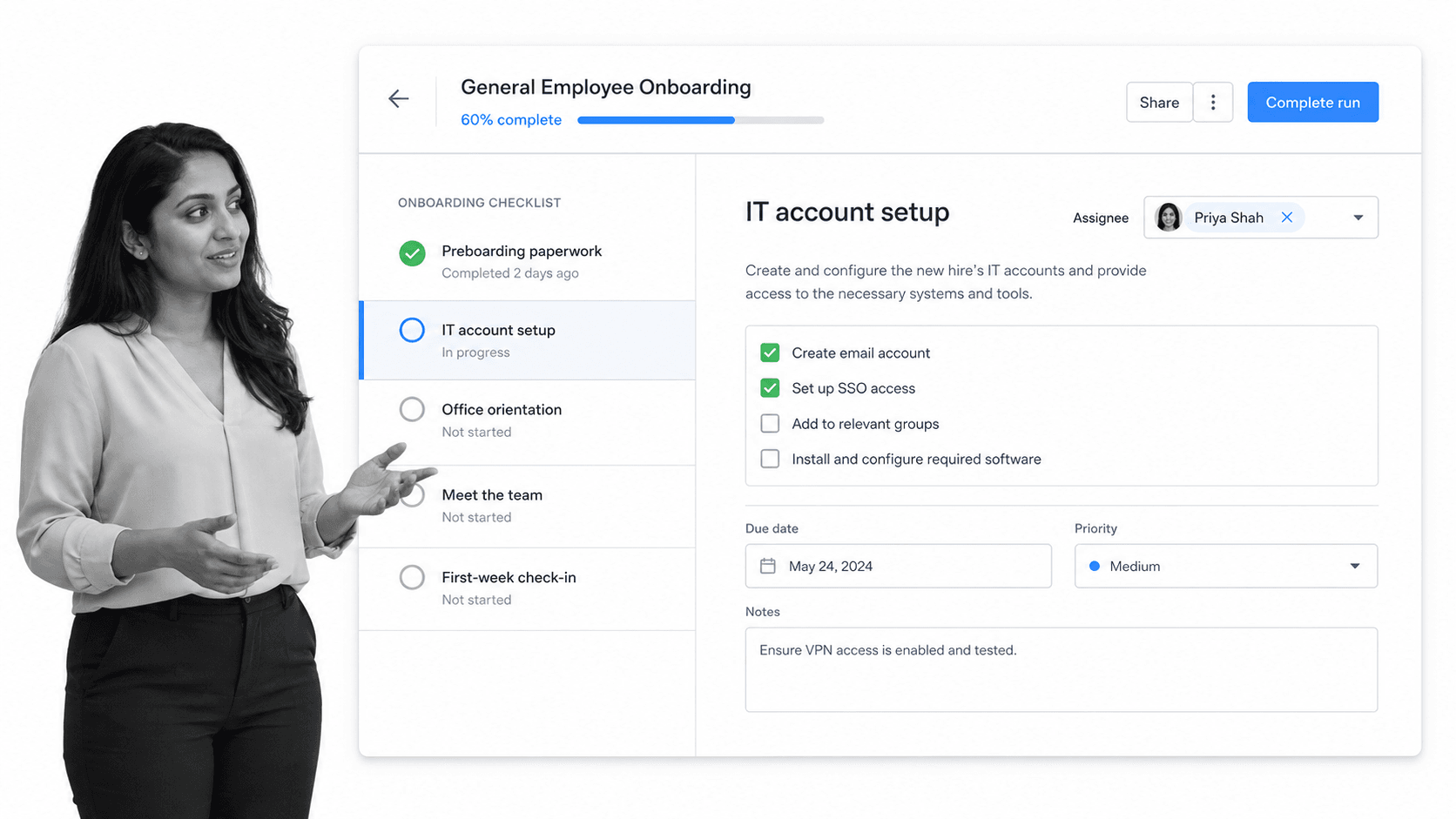
Process Street offers a suite of such templates, designed to be readily implementable. By utilizing these, organizations can ensure that their onboarding processes are not only thorough but also repeatable, providing a clean and verifiable record of completion for every new hire. The ability to track and automate these steps through platforms like Slack or Microsoft Teams further modernizes the onboarding experience, aligning it with the collaborative and digital-first approach favored by today’s workforce.
Spotlight on Specialized Onboarding Checklists
Recognizing the diverse nature of modern businesses and roles, Process Street has developed a range of specialized onboarding checklists to cater to specific industries and functions. These templates are not merely generic guides but are tailored to address the unique challenges and requirements of different sectors.
General Employee Onboarding Checklist
For organizations with a broad spectrum of roles, the General Employee Onboarding Checklist serves as an indispensable starting point. This comprehensive template covers a wide array of foundational elements essential for any new hire, regardless of their specific position. It addresses company-wide information, administrative necessities, and initial introductions, providing a robust framework that can be customized to fit the unique contours of any business. By utilizing this checklist, companies can ensure that every new employee receives a solid introduction to the organization, setting them on a path to success even before their official start date.
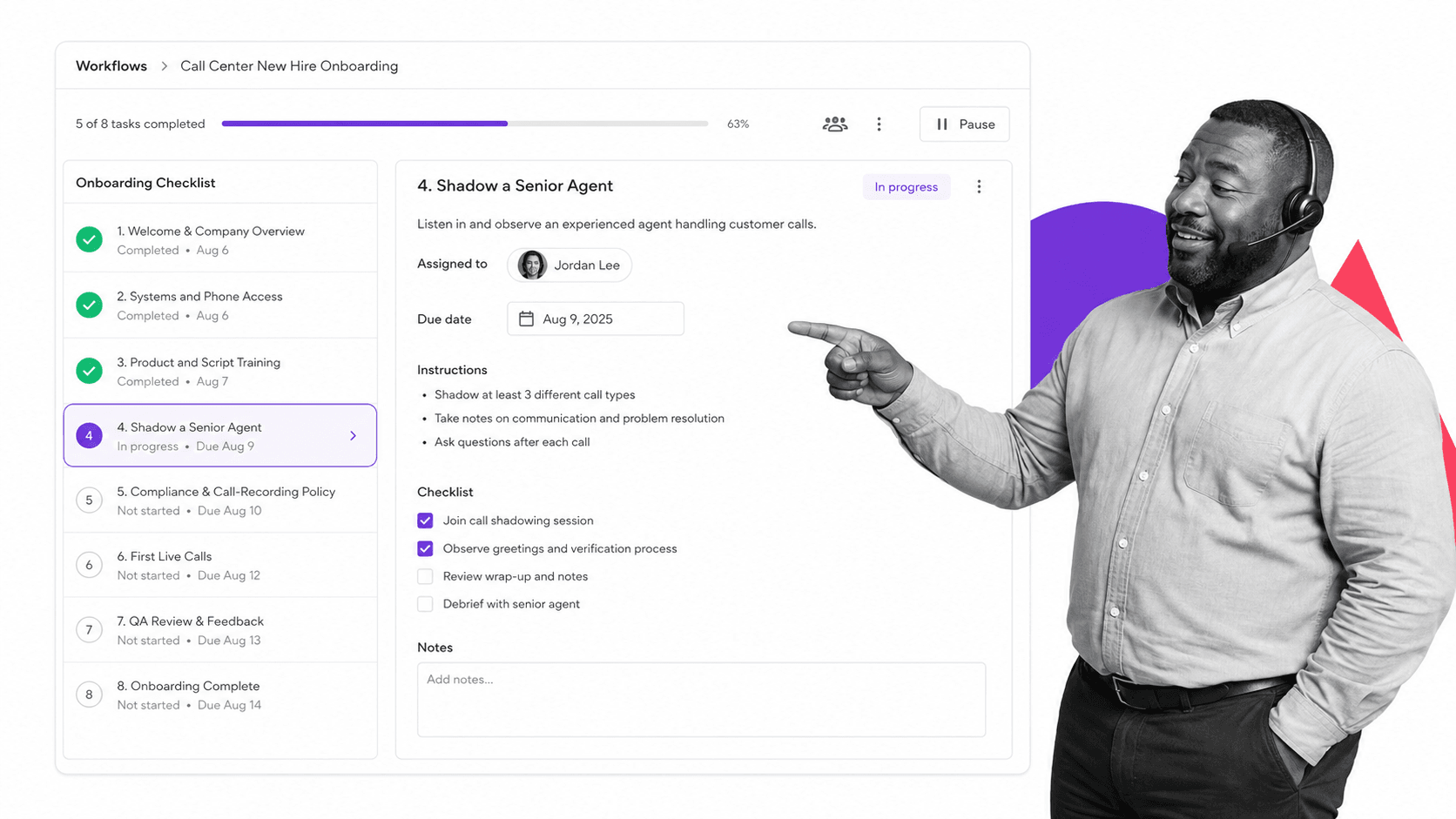
Call Center Employee Onboarding Checklist
The dynamic and often demanding environment of a call center requires rapid assimilation of new agents to ensure both customer satisfaction and employee retention. This specialized checklist focuses on accelerating the ramp-up period for new agents, addressing the unique pressures and product complexities inherent in call center operations. A well-structured onboarding process in this context directly translates to reduced stress for new hires, improved customer service quality, and enhanced agent productivity and morale. The checklist guides new agents from the moment of hire, ensuring that critical steps are not missed, leading to a smoother integration, a more supported team, and consistently well-cared-for customers.
Retail Employee Onboarding Checklist
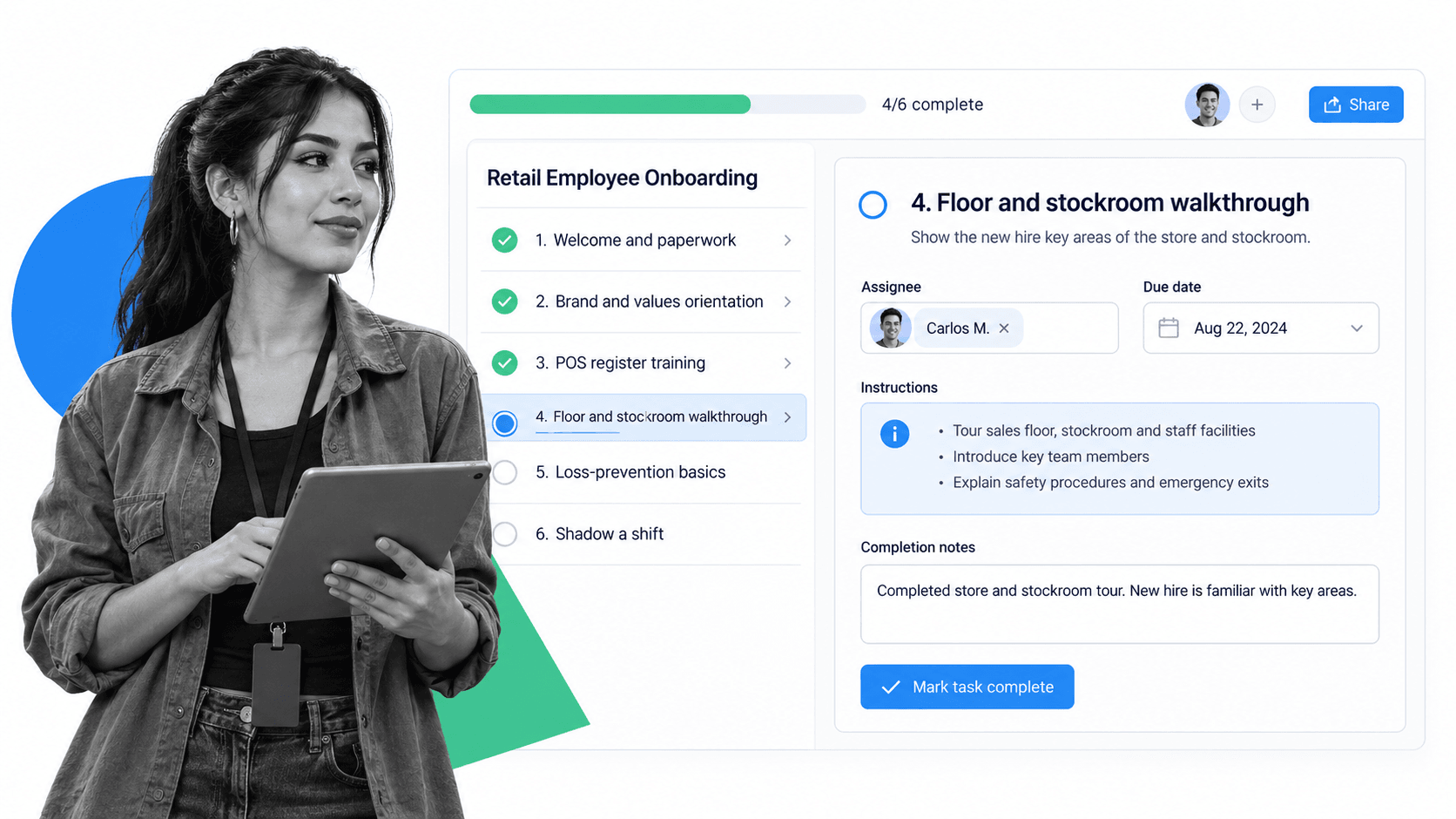
Onboarding in the retail sector often involves group training sessions or remote orientations, covering brand identity, company values, and the brand’s historical narrative. This checklist is designed to equip new retail employees with the knowledge and skills necessary to embody the brand and contribute to its success. It acknowledges the crucial role retail staff play in direct customer interaction and aims to provide them with the training and attention they need to feel valued and prepared. By ensuring a positive and thorough onboarding experience, businesses can foster a team that is not only informed but also enthusiastic and customer-centric, leaving a lasting positive impression on patrons.
Restaurant Employee Onboarding Checklist
The restaurant industry thrives on exceptional customer experience, and new hires are instrumental in delivering that promise. This checklist is akin to crafting a compelling advertisement for the establishment, ensuring that every new team member is aligned with the restaurant’s vision for customer engagement. From initial greetings to the final farewells, restaurant staff shape the guest experience. Given the significant investment in attracting talent, dedicating equal attention to onboarding is a strategic imperative. This checklist covers essential aspects, ensuring new hires are happy, well-prepared, and ready to contribute to the restaurant’s reputation and repeat business.
Developer Onboarding Checklist for Startups
Startups often place developers in a position where they must quickly learn complex codebases and architectures. This can be a challenging and potentially demotivating experience. The Developer Onboarding Checklist for Startups is designed to mitigate this by providing a structured pathway for new engineers. It aims to ease their transition, make them feel welcome from day one, and facilitate continuous progress monitoring in the weeks following their arrival. The high cost associated with replacing developers, factoring in project delays and ramp-up time, makes a robust onboarding process a critical investment for agile and innovative companies.
Salesperson Onboarding Checklist for Startups
For startups, a high-performing sales team is crucial for growth. This checklist addresses the multifaceted nature of sales onboarding, which extends beyond job specifics to encompass company tools, internal processes, and unwritten cultural norms. It guides new sales representatives from the moment they are hired through their initial days, weeks, and months, ensuring that all critical details, including a thorough review of the company handbook, are covered. This structured approach ensures that sales personnel are equipped not only with product knowledge but also with a deep understanding of the company’s operational framework, enabling them to contribute effectively to revenue generation.
Leveraging Process Street for Enhanced Onboarding
Process Street functions as a Compliance Operations Platform, transforming standard operating procedures (SOPs) into automated, trackable workflows. This ensures a consistent and high-quality onboarding experience for every new hire, regardless of who manages the process. By documenting onboarding procedures once and running them as automated workflows with assigned owners and deadlines, businesses can leverage built-in AI to identify and address missed steps or stalled tasks proactively. Workflow automation and approval functionalities streamline administrative burdens, while providing HR and operations teams with a live, auditable record of every step taken for each employee. This level of systematization is invaluable for scaling operations and maintaining compliance in dynamic business environments.
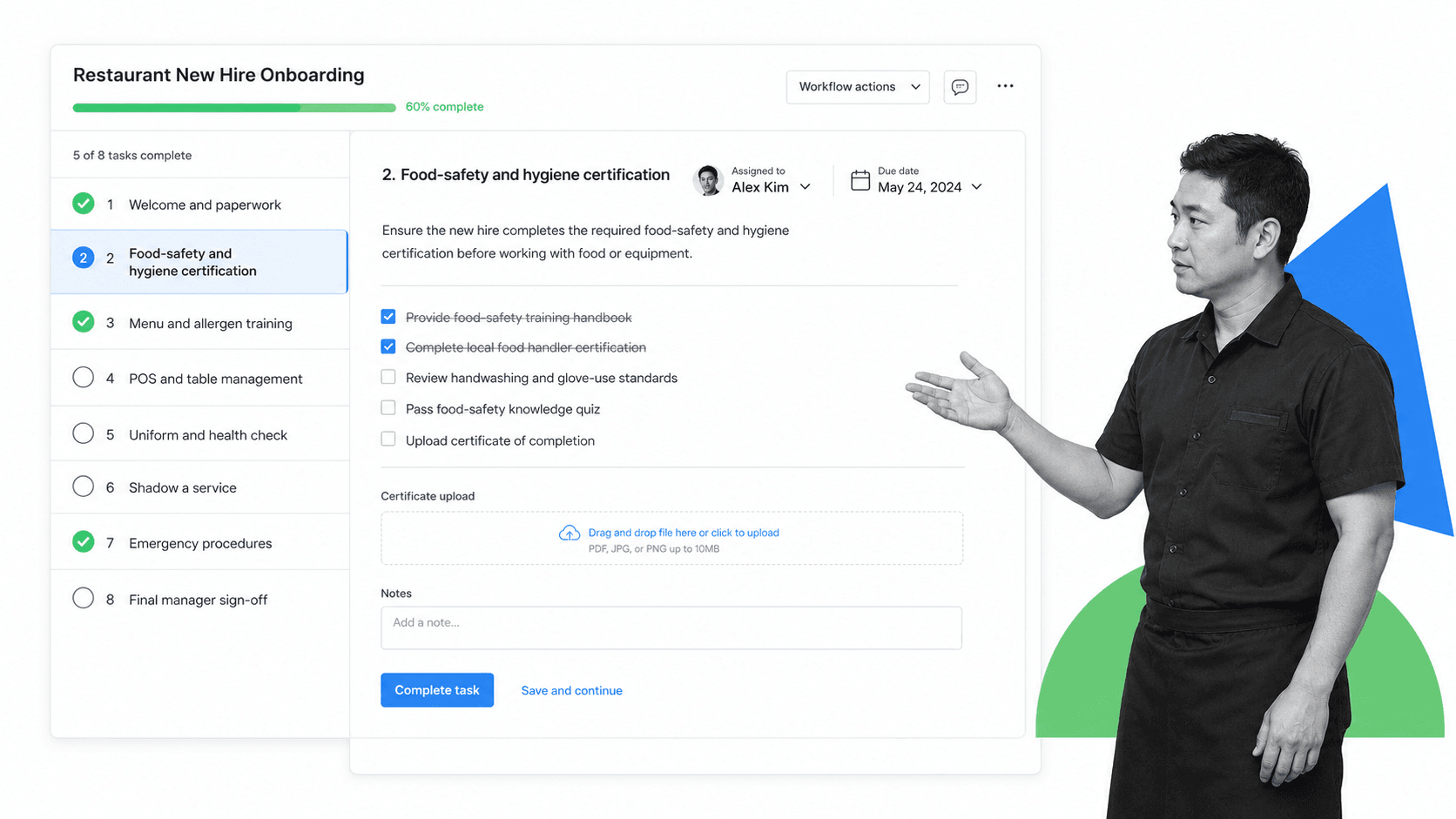
For organizations seeking to tailor their onboarding further or create unique processes, Process Street’s intuitive platform allows for the creation of custom checklists in minutes, making sophisticated onboarding management accessible and efficient. The platform’s video integration capabilities further enhance the learning experience, providing visual context and instruction that can significantly improve comprehension and engagement for new employees. The ability to embed these checklists within existing communication tools like Slack or Microsoft Teams ensures that onboarding becomes an integrated part of the daily workflow, rather than an isolated administrative task.