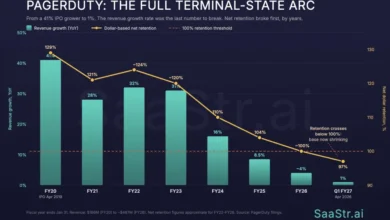
The AI Activation Paradox: Rapid Growth Meets Troubling Churn in the New SaaS Landscape

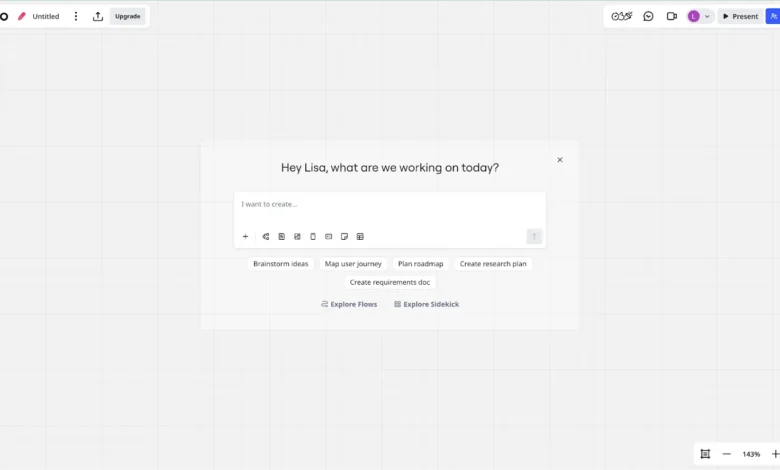
The advent of Artificial Intelligence is revolutionizing how users engage with software, enabling them to achieve desired outcomes with unprecedented speed. This transformation, akin to the impact of mobile on distribution, is compressing the journey from user intent to tangible value, rendering established product activation strategies potentially obsolete. However, emerging data suggests a complex dynamic: while AI-native products are experiencing meteoric early growth, many are also grappling with significantly higher churn rates compared to their traditional SaaS counterparts. This presents a critical challenge for SaaS companies, demanding a re-evaluation of what "activation" truly means in the age of AI.
The core of this paradox lies in how AI is fundamentally altering the user experience and, consequently, the very definition of product activation. Historically, SaaS activation was a hurdle to overcome—a gauntlet of setup and onboarding that users had to navigate before experiencing the product’s core value. The primary focus was on streamlining this initial friction, reducing setup time, and simplifying onboarding flows to achieve a quicker time-to-first-value. AI has largely conquered this initial challenge. Users can now often sign up, articulate their needs, and receive a valuable output within minutes. The dreaded "empty state" problem, the daunting blank canvas that once characterized a new user’s first interaction, is rapidly diminishing. AI-powered tools are generating initial outputs, pre-populating environments, and guiding users through intuitive conversational interfaces rather than rigid, step-by-step tutorials.
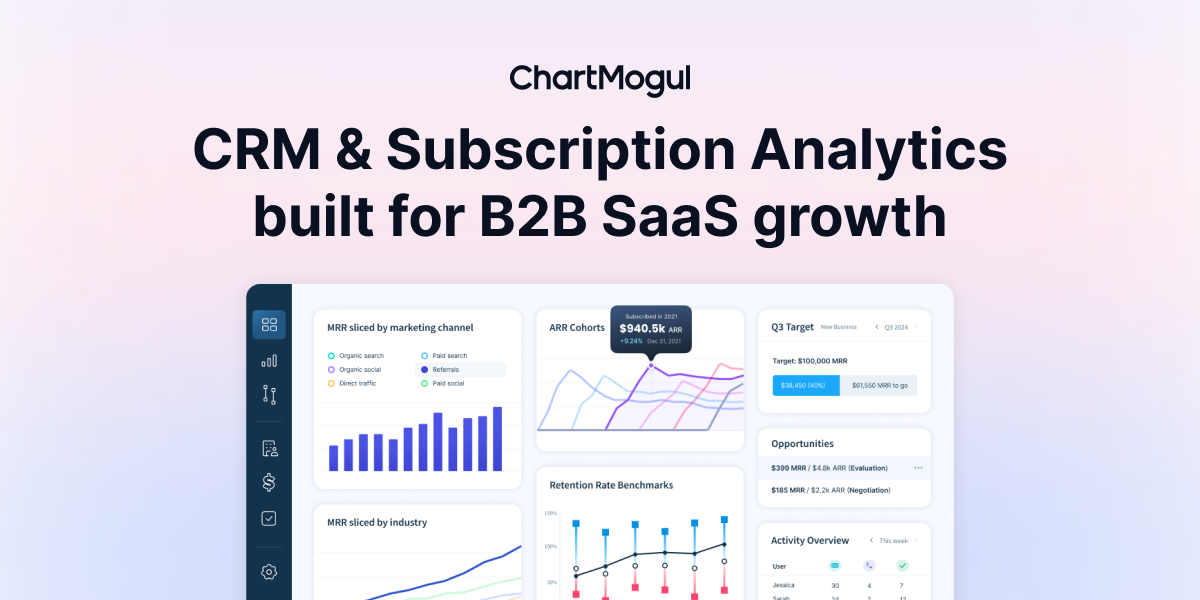
This accelerated path to value is a significant advancement. However, as research from platforms like ChartMogul has begun to highlight, this rapid AI-driven value realization can inadvertently bypass a crucial element of user engagement: understanding. When AI performs the work that a user previously had to do, it can create a passive experience. While users may be impressed by the immediate results, they may not develop a deep cognitive model of the product or integrate it into their fundamental workflows. This lack of deeper integration means that when faced with a similar problem in the future, the user may lack a compelling, ingrained reason to return to that specific AI-powered solution.
The Evolving Landscape of AI-Driven Activation
The shift from active user engagement in achieving initial value to passive reception of AI-generated outcomes is the subtle yet critical problem that many SaaS teams have yet to fully address. Traditional activation metrics, designed for a pre-AI era, often fail to capture this nuanced change. They measure the completion of initial steps, such as signing up or generating a first output, but do not necessarily indicate whether that output has been internalized or integrated into the user’s ongoing work processes. This disconnect can lead to a misleading picture of success, where early engagement metrics appear strong, but long-term retention falters.
Charting the Course: Four Patterns of Effective AI Activation
Leading AI-native products are demonstrating innovative approaches to navigate this new activation paradigm. While not universally adopted, the most successful examples exhibit a combination of four key patterns that foster deeper user engagement beyond the initial impressive output:
Pattern 1: AI-Generated First Outputs as a Foundation
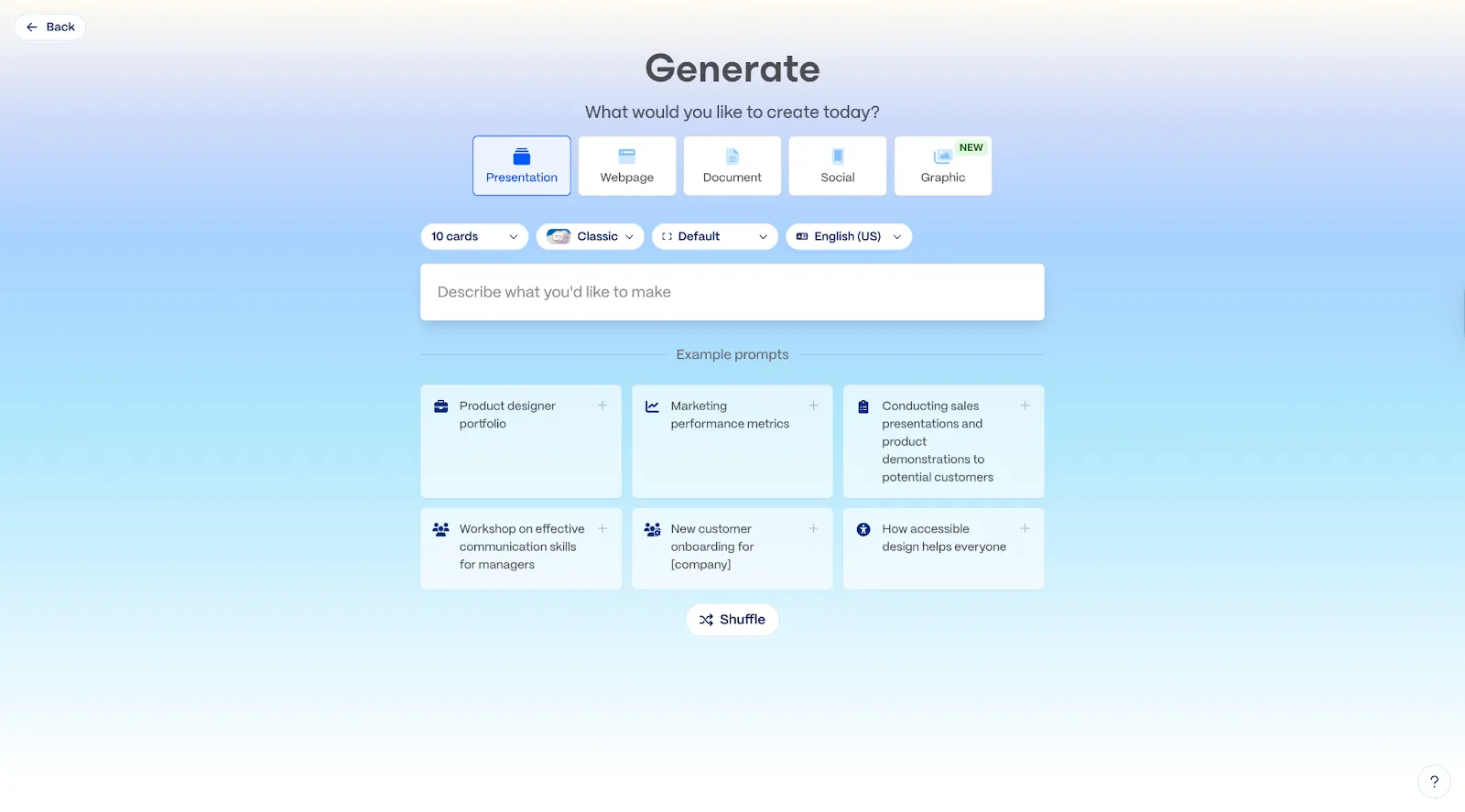
Instead of presenting users with a blank slate, the most effective AI-native products immediately generate a tangible, working artifact. This could be a draft document, a preliminary presentation, a pre-configured CRM pipeline, or a generated code snippet. The key is that this output is not an end in itself but a starting point for user interaction. Platforms like Gamma exemplify this by allowing users to describe their desired presentation topic and receive a fully styled draft within seconds. This immediate, tailored response creates a powerful sense of recognition and understanding, prompting users to engage further by editing, refining, and personalizing the AI’s creation. The psychological impact of starting with something already built, rather than from scratch, significantly enhances perceived value and encourages continued exploration.
Pattern 2: AI-Assisted Setup for Seamless Integration
A significant bottleneck in traditional SaaS adoption has been the often-tedious process of configuration—connecting third-party tools, importing data, and building complex workflows. AI is now being leveraged to automate and simplify these critical setup phases. Companies like HubSpot utilize AI to generate functional CRM pipelines from minimal user input, while Intercom can construct initial help centers and chatbots by analyzing existing content. This pattern shifts the burden of configuration from user effort to AI inference, allowing users to bypass lengthy setup procedures and directly access the product’s core value proposition. The principle here is not the elimination of setup, but its intelligent transformation, ensuring that users can enter the value-delivery phase without succumbing to setup fatigue.
Pattern 3: Conversational Onboarding for Deeper Understanding
The rigid, linear nature of traditional onboarding flows, characterized by a predetermined sequence of steps, is being replaced by adaptive, conversational interfaces. AI-powered assistants can engage users in dynamic dialogues, asking clarifying questions and responding in real-time to gather genuine user intent. This approach moves beyond simply collecting data through forms; it aims to understand the user’s specific goals, target audience, and contextual requirements. Notion’s AI assistant, for instance, integrates into the user’s workflow, offering assistance as needed rather than guiding them through a fixed tutorial. This conversational feedback loop allows the product to build a more accurate and nuanced understanding of the user, leading to more relevant and valuable subsequent AI interactions.
Pattern 4: Context-Aware AI Embedded Within Workflows
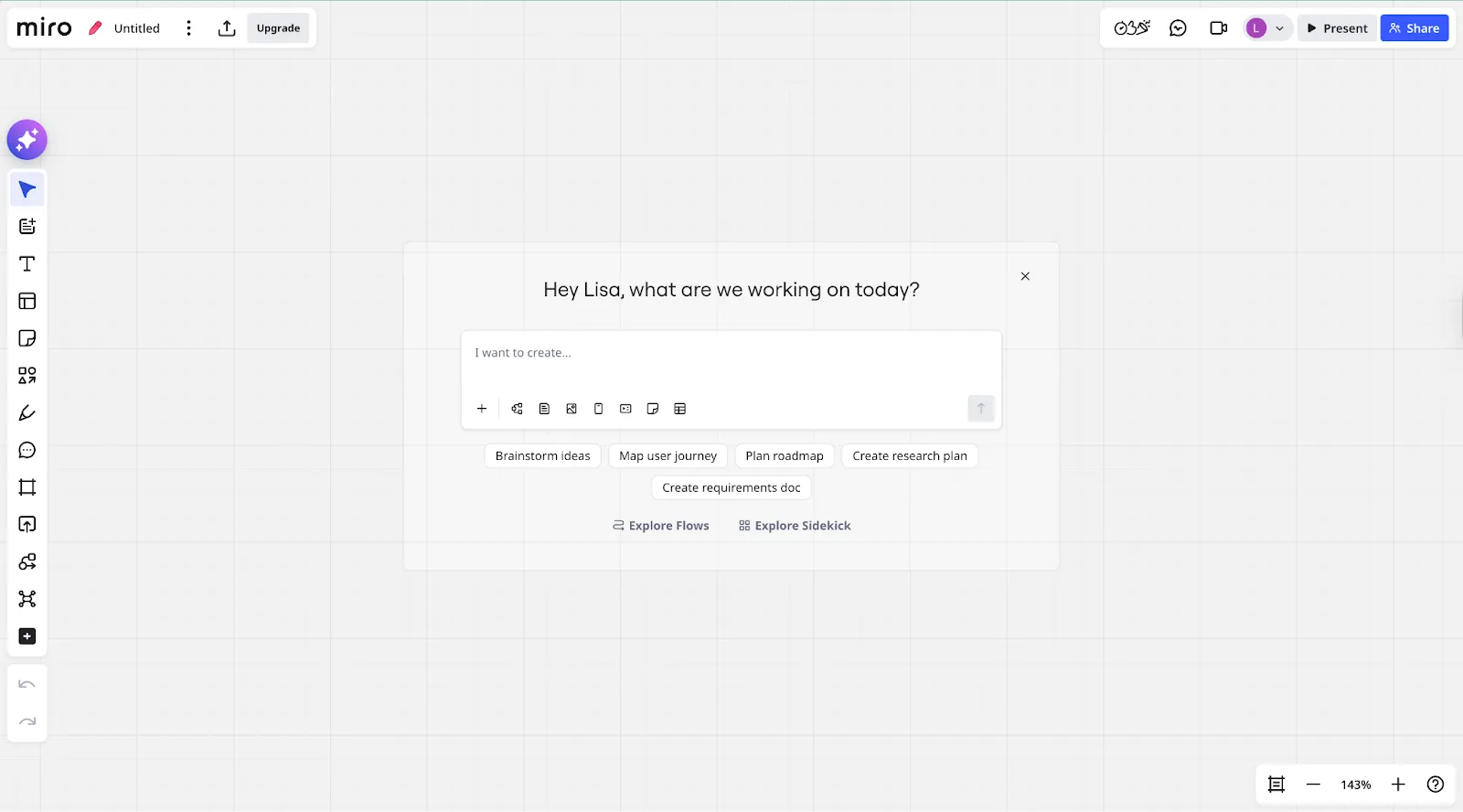
The most potent pattern for long-term retention involves AI that becomes increasingly valuable over time through the accumulation of user context. As users engage with the product, the AI learns their preferences, project history, and unique working methodologies. Miro’s AI, for example, analyzes existing elements on a canvas to provide relevant suggestions, summarize content, or generate new ideas in context. This integration means the AI is not a separate feature to be visited but an intrinsic part of the product’s functionality. Each interaction deepens the AI’s understanding, making the product more indispensable and increasing the cost of switching to a competitor, as users would lose not just a tool but a personalized, context-rich working environment.
Bridging the Gap: From First Value to Lasting Habits
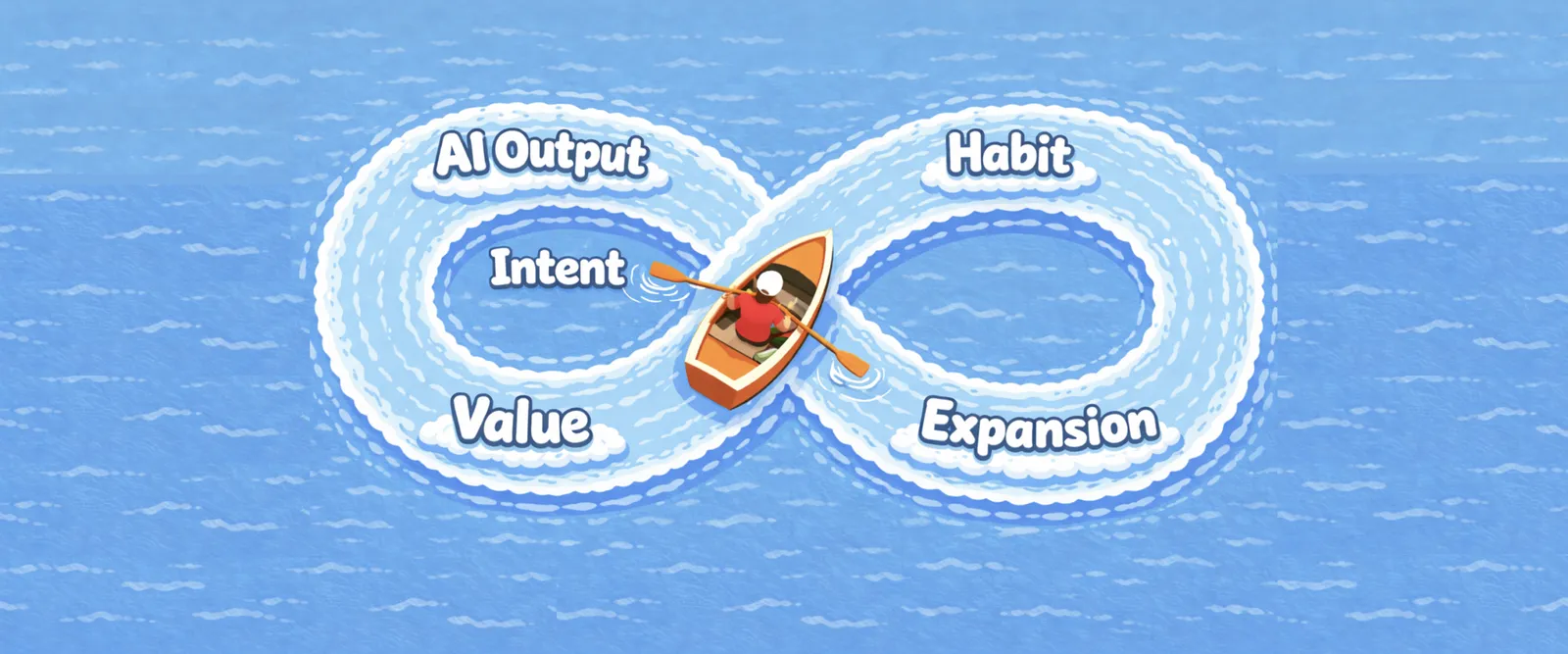
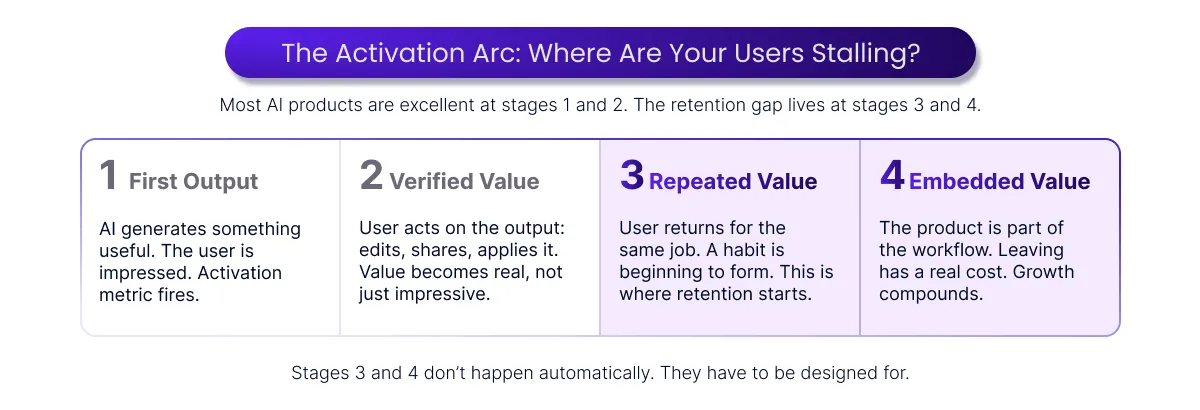
While the four patterns described above excel at creating an impressive first user experience and rapidly delivering initial value, they do not automatically guarantee sustained engagement. The critical challenge lies in bridging the gap between experiencing AI-generated value and integrating that value into a user’s habitual workflow. The distinction between a user who is impressed by an AI-generated presentation and closes the tab, and one who actively edits, shares, and returns to create another, is profound. Both might be considered "activated" by traditional metrics, but only the latter is on the path to becoming a retained customer.
This distinction hinges on three key elements:
- Action on Output: The transition from passive recipient to active user is paramount. When users edit, share, export, or apply AI-generated content, they are personalizing it and embedding it into their work. This active engagement transforms an impressive output into a functional tool.
- Designed Return Triggers: Products must be intentionally designed with specific events that prompt users to return. This is not a vague aspiration for usefulness but a concrete mechanism. For Loom, it’s a notification that a video has been watched; for Slack, it’s an incoming message; for Cursor, it’s the codebase residing within the product. These are built-in reasons to re-engage.
- Accumulation of Context: Traditional SaaS built switching costs through accumulated data like files, contacts, and history. AI-native products must deliberately build equivalent value through contextual learning. The more the product understands about a user’s preferences, patterns, and team dynamics over time, the more costly it becomes to leave.
Rethinking Metrics for the AI Era
The current standard of measuring activation as a binary outcome—whether a user has completed a predefined milestone—is insufficient in the AI-driven landscape. As the hard problem shifts from initial access to retention quality, new metrics are needed to provide a more comprehensive view of user engagement and long-term value.
Three crucial additions to the metrics dashboard include:
- Downstream Action Rate: Tracking the percentage of users who take a subsequent action on their initial AI-generated output (e.g., editing, sharing, exporting). This metric directly assesses whether the AI output has been adopted rather than merely consumed.
- Return Trigger Engagement: Monitoring the frequency and success rate of users interacting with the product’s designed return triggers. This gauges the effectiveness of the mechanisms put in place to foster habitual usage.
- Contextual Depth Score: Developing a metric that quantifies how much specific context the AI has accumulated about a user over time. This could be based on the number of projects, refined preferences, or learned workflows. A higher score indicates a more personalized and valuable user experience, contributing to stickiness.
These metrics, taken together, offer a more robust understanding of user engagement, moving beyond mere activation to assess the quality and durability of that activation.
Strategic Imperatives for Future Growth
Adapting to the AI activation paradigm does not necessarily require a complete product overhaul, but rather a strategic recalibration of focus and a refinement of existing product development.
- Redefine the Activation Event: Shift the definition of activation from "onboarding complete" or "first output generated" to a downstream action that signifies genuine value integration. This might involve requiring users to edit, share, or return to their initial AI output. While this may initially lower activation rates, it will result in cohorts that are far more predictive of retention.
- Explicitly Design Return Triggers: Proactively identify and build specific events that compel users to return to the product. This involves moving beyond the hope of utility and designing concrete mechanisms, such as notifications, collaborative prompts, or the arrival of new AI-generated insights.
- Map Contextual Accumulation: Analyze the user journey to pinpoint where and how the product begins to acquire meaningful user-specific context. If this accumulation is delayed or absent, it indicates a missed opportunity to build the switching costs essential for durable retention.
- Segment Cohorts Based on Action: Utilize analytics to create distinct cohorts: one for users who actively engaged with their first AI output, and another for those who did not. Comparing their retention rates over 30, 60, and 90 days will reveal the tangible impact of active engagement on long-term user commitment.
The era of AI has fundamentally reshaped user expectations, enabling remarkable first-session experiences. However, the companies poised for sustained growth in the coming years will not be those with the most sophisticated AI onboarding alone. They will be the ones that successfully translate that initial AI-driven value into ingrained workflow habits. This transition requires a fundamental redefinition of activation, moving from a singular focus on initial engagement to a comprehensive strategy that prioritizes the full user journey. The data from platforms like ChartMogul serves as a stark reminder: rapid early growth without compounding into strong Net Revenue Retention is not a sustainable growth story but an acquisition challenge with an underlying retention deficit. Addressing this gap begins with embracing a new standard for activation—one that acknowledges the power of AI to deliver immediate value and, crucially, to foster lasting user habits. The fastest product to deliver value gains entry; the product that becomes an indispensable part of the user’s workflow is the one that endures.
Lisa Heiss, a prominent PLG and activation strategist and founder of UXELERATE, emphasizes this paradigm shift. Her work with B2B SaaS founders from Seed through Series B focuses on architecting robust activation, conversion, and retention strategies. Heiss notes, "The fastest product to deliver value gets a foot in the door. The product that becomes part of the user’s workflow is the one that stays." This underscores the critical need for companies to look beyond the initial "wow" factor of AI and build products that integrate seamlessly into the fabric of their users’ daily operations.