Buffer Analysis Pinpoints Evolving LinkedIn Engagement Patterns: Optimal Posting Times Shift to Late Afternoons and Evenings in 2026

A comprehensive analysis of millions of posts across major social media platforms, including LinkedIn, by the social media management firm Buffer, reveals a significant shift in user engagement patterns for 2026. The study, spearheaded by Buffer’s resident data scientist Julian Winternheimer, indicates that peak LinkedIn engagement, which historically was almost entirely confined to traditional working hours, is now migrating towards late afternoon and evening slots. This development mirrors trends observed on consumer-centric platforms like Instagram and TikTok, signaling a broader change in how professionals interact with business-focused content outside conventional work schedules.
Methodology and Key Discovery
Buffer’s research methodology involved delving into an extensive dataset of over 4.8 million LinkedIn posts processed through its platform. This two-year longitudinal study, diligently managed by Winternheimer, aims to provide up-to-date insights into audience behavior. The findings for 2026 were particularly striking, diverging from the patterns identified in 2025. Last year, engagement on the professional networking site saw a sharp decline after 5 p.m., firmly anchoring peak activity within the 9-to-5 workday. However, the latest data paints a different picture, with a pronounced shift towards later hours.
"We’ve been tracking these numbers for a couple of years now, and the 2026 LinkedIn findings definitely surprised us," commented a Buffer spokesperson, referring to Winternheimer’s work. "What we’re seeing is that late afternoon and evening hours are now pulling some of the strongest LinkedIn engagement numbers. It suggests that professionals are still highly interested in consuming and interacting with professional content, but they’re increasingly doing so after their conventional work tasks are completed for the day."
The Paradigm Shift: Evening Engagement on LinkedIn
The most notable revelation from Buffer’s 2026 data is the emergence of late afternoon and evening hours, specifically between 3 p.m. and 8 p.m. on weekdays, as the new prime window for high engagement. Posts shared at 4 p.m. on Wednesday, and at 3 p.m. and 4 p.m. on Friday, demonstrated the highest overall engagement. This represents a significant departure from previous years when engagement was concentrated strictly within business hours.
This shift suggests evolving user habits, possibly influenced by the prevalence of remote work, flexible schedules, and the blurring lines between professional and personal digital consumption. Professionals might be using their commutes, post-work wind-down periods, or even late-night browsing sessions to catch up on industry news, network, or engage with thought leadership content. While midday hours still yield decent performance, they no longer represent the dominant peak they once did. This trend aligns with observations on platforms like Instagram and TikTok, where evening engagement has long been a norm, indicating a broader normalization of after-hours digital activity, even within professional contexts.
Understanding Engagement and the LinkedIn Algorithm
Buffer’s analysis underscores that "engagement" is a critical metric for content visibility on LinkedIn. The platform’s algorithm interprets interactions such as reactions, comments, and reposts as signals of content value. Higher engagement, therefore, generally translates to increased reach, as the algorithm prioritizes valuable content for broader distribution. While numerous factors contribute to a post’s ranking, engagement serves as a robust indicator for predicting broader audience exposure.
As a Buffer analyst explained, "The more engagement your post receives, the more people will likely see your post. It’s a simplified explanation, as many elements determine how posts are ranked, but it’s a solid rule of thumb. Strong engagement doesn’t guarantee viral reach, but it significantly influences it." This makes identifying optimal posting times crucial for individuals building a personal brand and companies managing a LinkedIn Page alike.
Detailed Daily Breakdown of Optimal Posting Times (Local Time Zone)
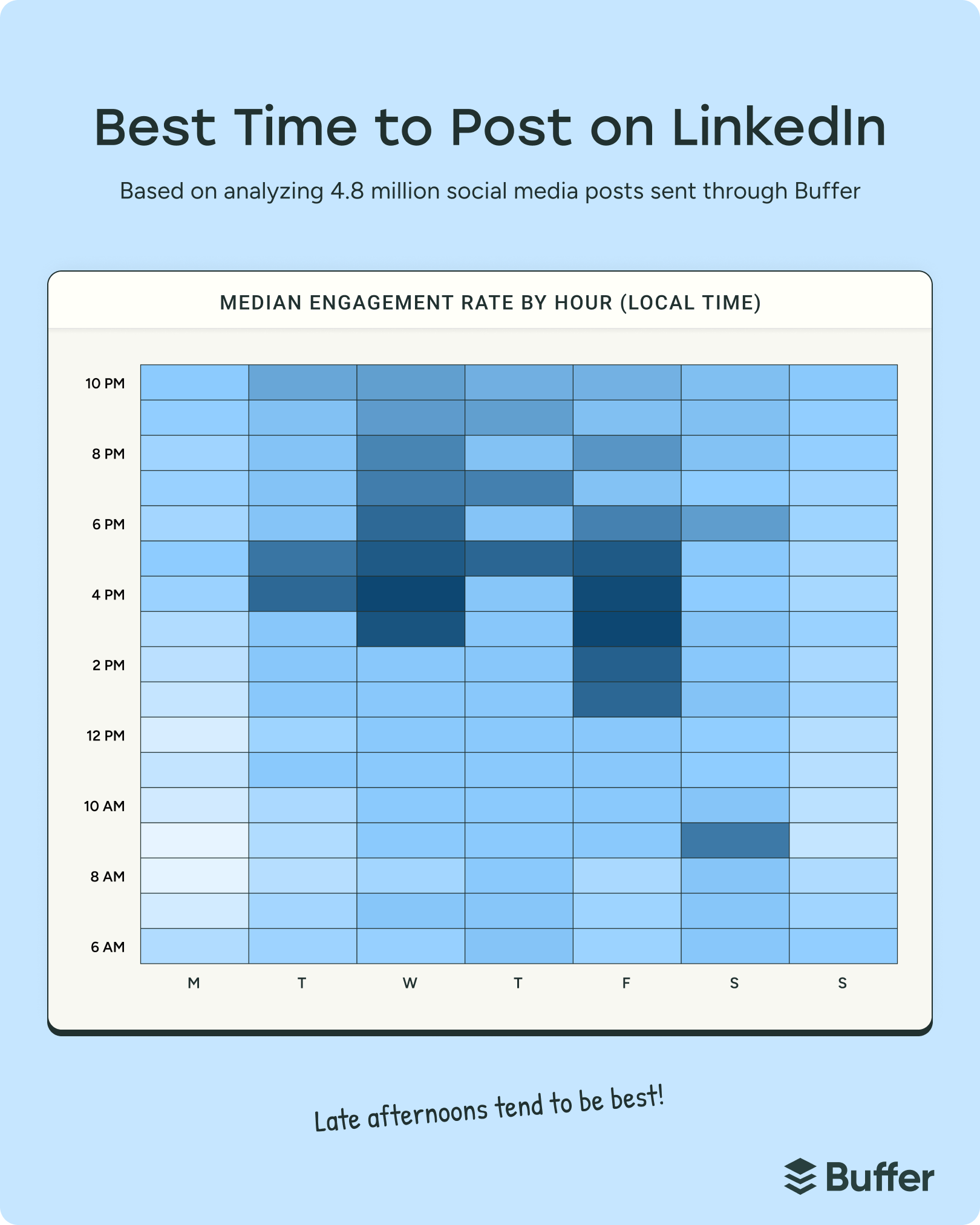
Buffer’s data normalizes posting times by local time zone, ensuring that recommendations are universally applicable without complex conversions.
-
Monday: The best time to post on Monday is 10 p.m., with 5 p.m. and 9 p.m. also showing above-average engagement. Mondays generally exhibit lower engagement compared to the rest of the week, suggesting professionals are "heads-down" in their initial work tasks. Strategic content planning for mid-to-late week is advised for high-priority messages.
-
Tuesday: Optimal posting times on Tuesday are 4 p.m., 5 p.m., and 10 p.m. Similar to Monday, Tuesday’s overall engagement remains slightly subdued. Marketers should test these times with their specific audiences before committing to a rigid Tuesday schedule.
-
Wednesday: This day emerges as the undisputed champion for LinkedIn engagement. The best time to post is 4 p.m., which is identified as one of the highest-engagement slots across the entire week. Other strong times include 3 p.m. and 5 p.m., forming a robust afternoon-to-early-evening window. Wednesday is an ideal day to share critical announcements or premium content.
-
Thursday: The best time for Thursday posts is 5 p.m. Engagement remains strong through the late afternoon and evening, with 7 p.m. and 9 p.m. also proving effective for reaching users engaging later in the day.
-
Friday: Friday maintains its strength in engagement, with 3 p.m. being the optimal time, as professionals begin to wind down their workweek. Other high-performing slots are 4 p.m. and 5 p.m. Friday remains a valuable day in the content rotation.
-
Saturday: Weekend engagement on LinkedIn is generally lower. However, if weekend posting is necessary, Saturday at 9 a.m. offers the best window, followed by 6 p.m. and 10 p.m. For maximum impact, weekday posting is usually preferable.
-
Sunday: Sundays typically register the lowest engagement levels. The optimal time is 10 p.m., though 9 p.m. and 6 a.m. also show some activity. Content creators should manage expectations for reach on Sundays and prioritize more impactful content for weekdays.
The Best Day of the Week for LinkedIn Engagement
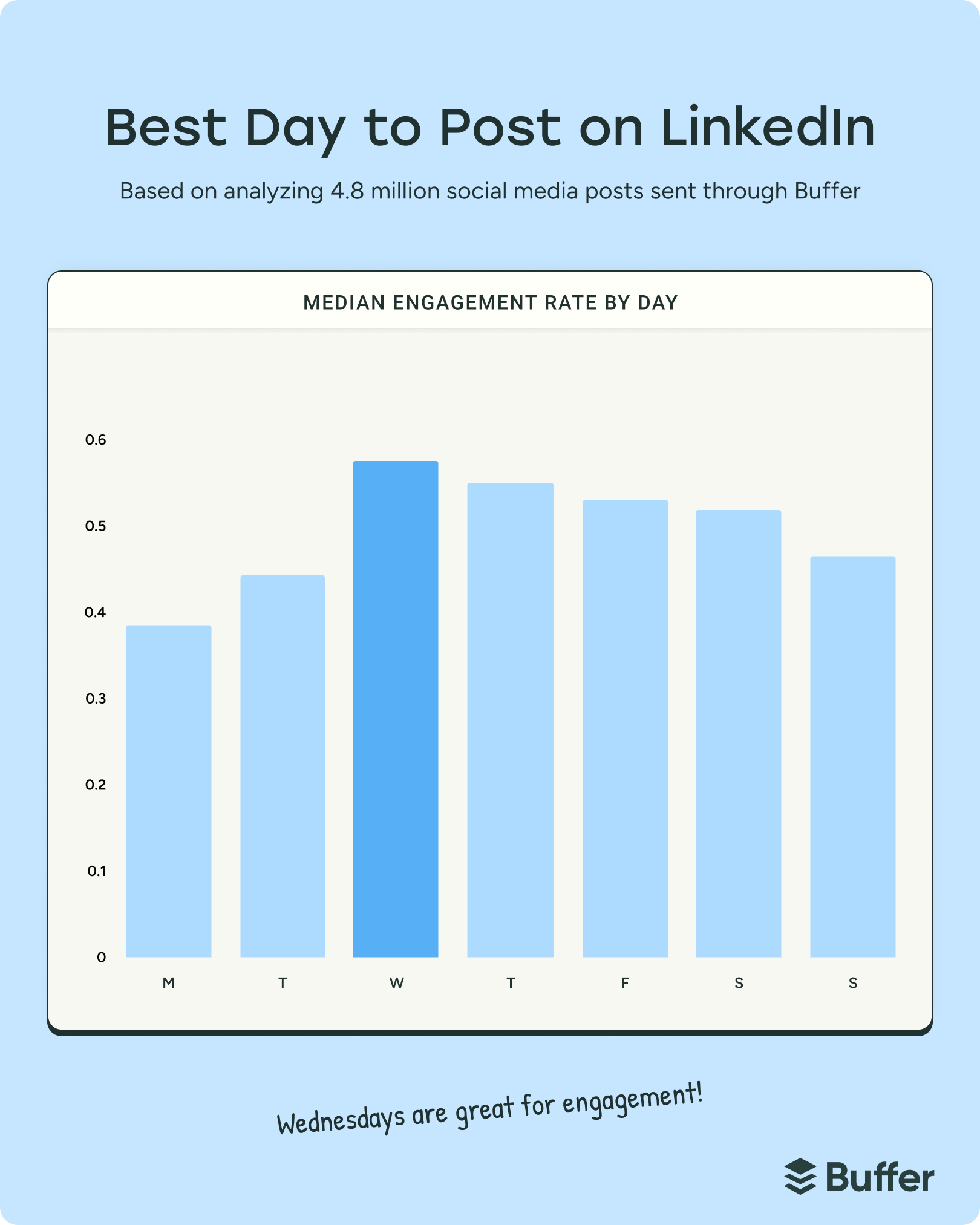
Reinforcing the daily breakdown, Wednesday stands out as the best day to post on LinkedIn, generating the highest engagement rates. Thursday and Friday follow closely, forming a midweek to late-week peak. This pattern aligns with the anecdotal understanding that professionals are fully immersed in their work by mid-week, actively seeking valuable content and networking opportunities, but are not yet disengaged for the weekend.
Conversely, Monday and Tuesday recorded the lowest engagement in Buffer’s dataset, with Monday showing the weakest performance. While some LinkedIn-sponsored research has occasionally highlighted Tuesday as an active day, Buffer’s extensive data points to a "heads-down" work theory for the early week. This discrepancy underscores the importance of individual audience analysis, as industry, role, and geographic factors can influence specific peak times.
Strategic Implications for Marketers and Professionals
These findings carry significant implications for anyone leveraging LinkedIn for professional growth or brand promotion.
- Re-evaluate Scheduling: Marketers and content creators should adjust their content calendars to prioritize late afternoon and evening slots, especially from Wednesday to Friday.
- Test and Optimize: While Buffer’s data provides a robust starting point, the "every audience is different" caveat remains paramount. Professionals are advised to experiment with these new peak times and meticulously track their own analytics to pinpoint the unique optimal windows for their specific target demographic.
- Content Strategy: The shift to post-work engagement might suggest a preference for content that is insightful, thought-provoking, or career-advancing, but perhaps less time-sensitive than urgent workday announcements. Content formats like carousels (documents), which Buffer’s data shows generate up to 596% more engagement than text-only posts, are particularly effective.
- Leverage Tools: Utilizing social media management tools like Buffer, which can automatically suggest and schedule posts during these high-engagement periods, can streamline content strategy and ensure consistent optimization.
Leveraging Tools for Optimized Scheduling
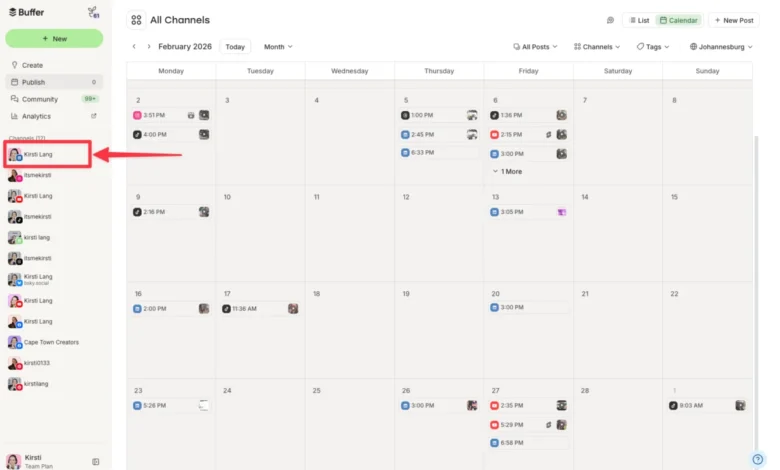
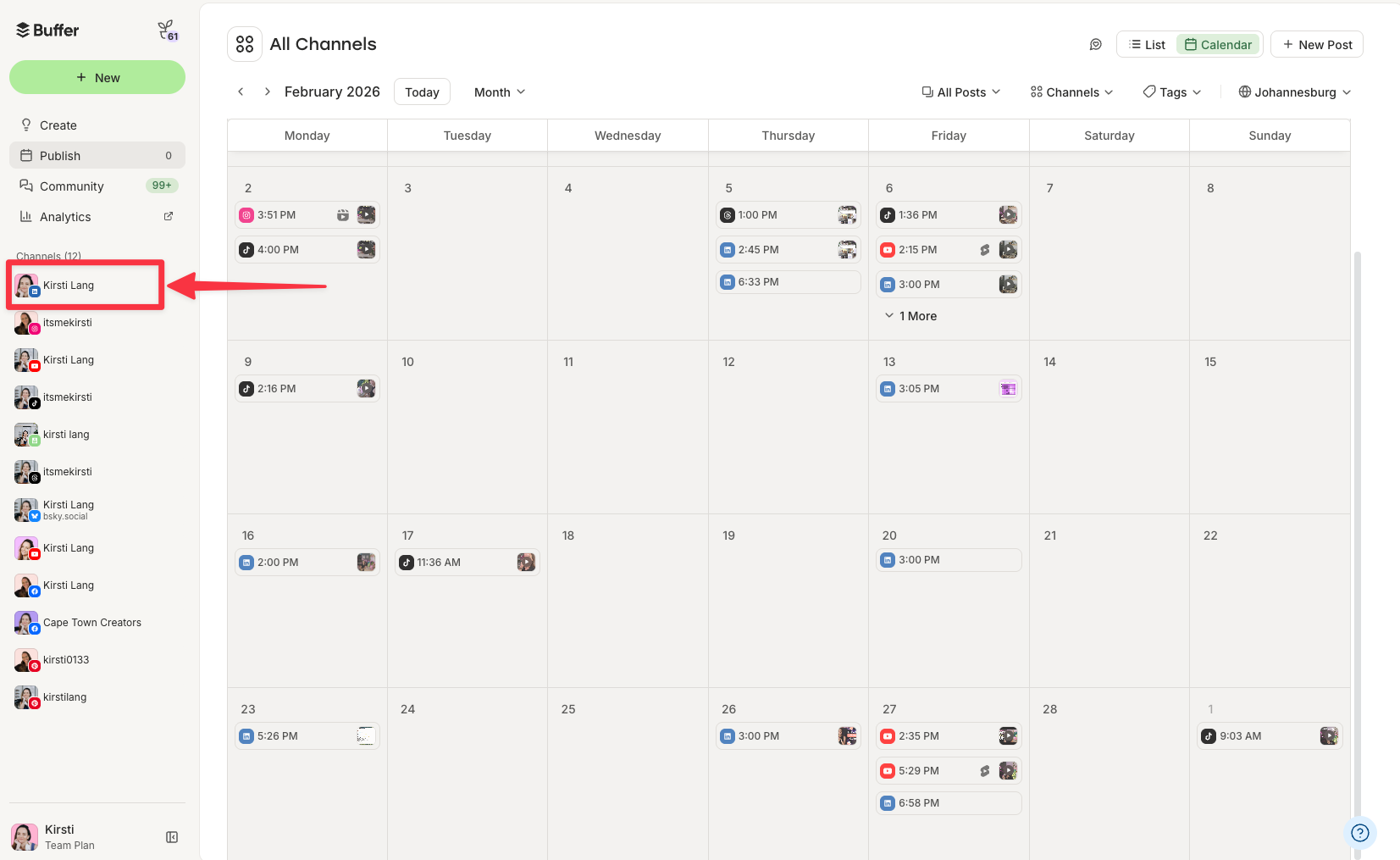
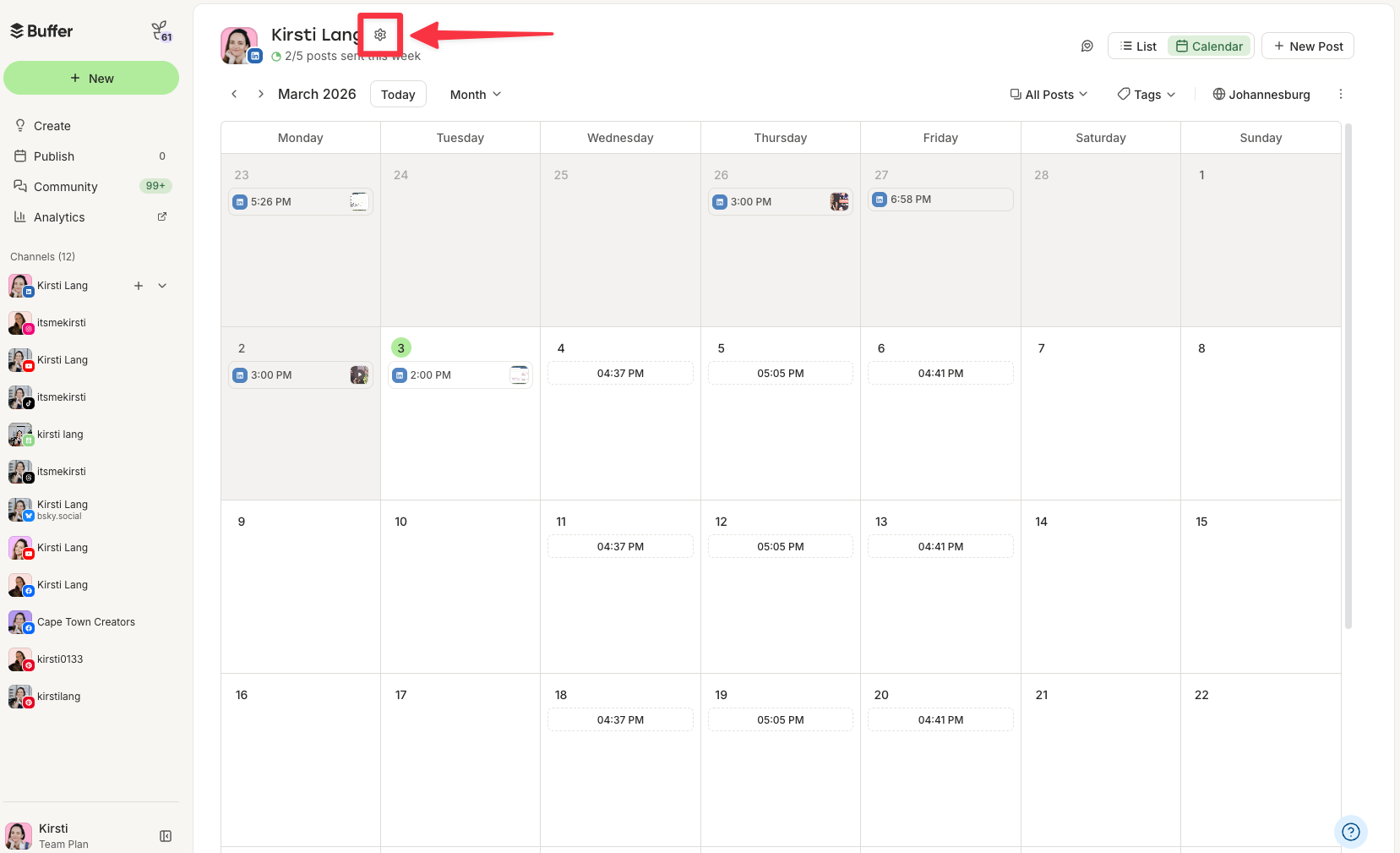
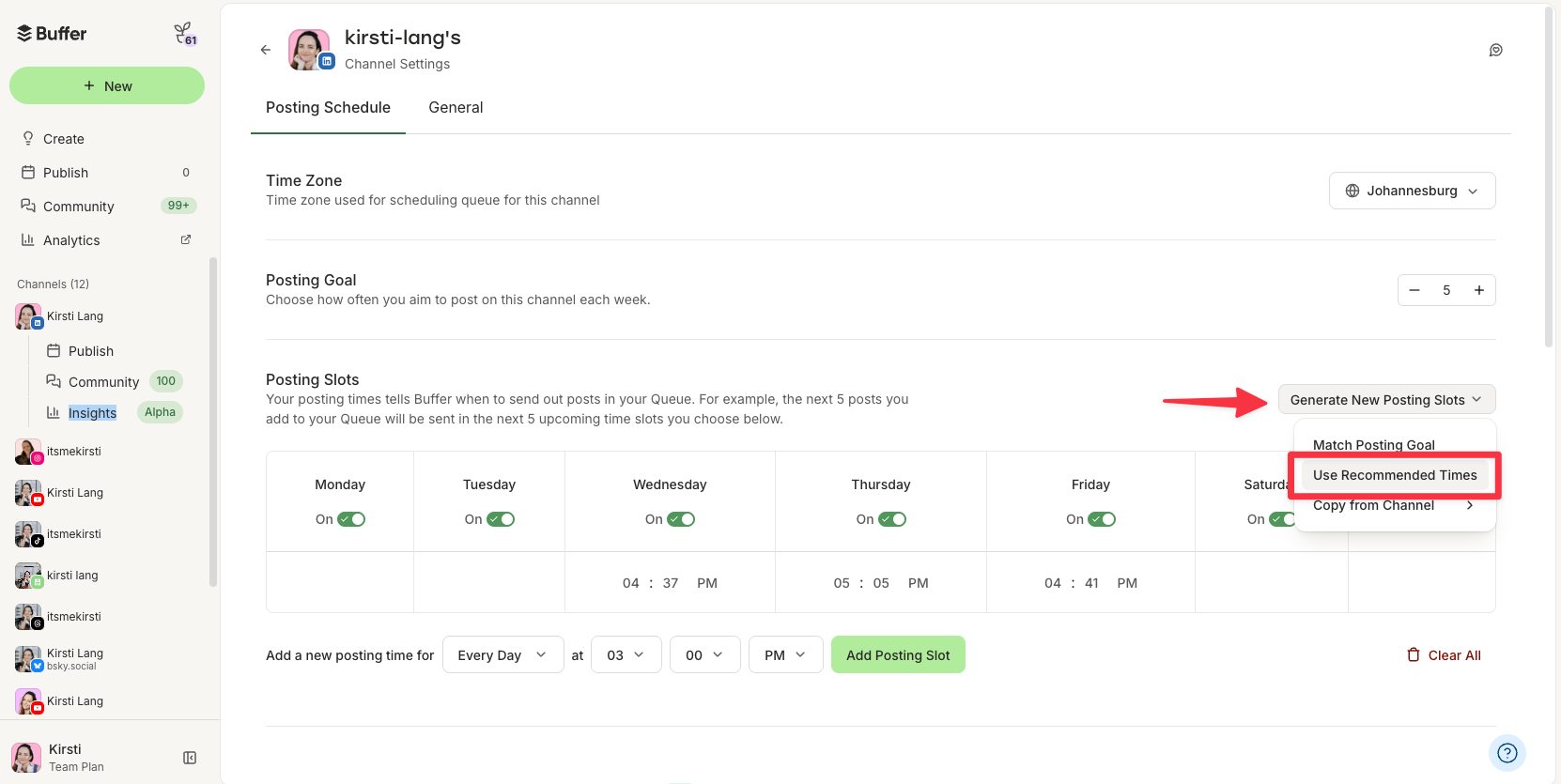
For users of Buffer, implementing these new insights is designed to be seamless. The platform integrates its latest research directly into its scheduling features. Users can set their posting schedule to automatically populate with the newly identified best times across LinkedIn and other supported social media channels. These optimized slots appear directly in the queue and calendar views, simplifying the process of scheduling content for maximum impact. This automation significantly reduces the manual effort required to align posts with peak engagement windows, freeing up time for content creation and strategy refinement. The system is designed to update dynamically with the latest data, ensuring users always benefit from the most current insights.
Addressing Common Questions on LinkedIn Engagement
Does the time you post on LinkedIn actually matter?
Yes, unequivocally. Buffer’s analysis of over 4.8 million LinkedIn posts confirms that timing significantly influences content engagement. Posts published during identified high-engagement windows consistently outperform those shared at off-peak times. However, timing serves as an enhancer, not a substitute, for quality content. A relevant and valuable post will always perform better, but optimal timing provides an additional boost.
When is the worst time to post on LinkedIn?
Based on Buffer’s 2026 data, the lowest engagement occurs early in the week, particularly Monday and Tuesday mornings (before noon). Weekends also generally see lower activity. High-priority content should be strategically placed to avoid these low-engagement periods.
What is the "golden hour" for LinkedIn posts?
While LinkedIn hasn’t officially confirmed a specific "golden hour," the concept refers to the initial period after a post goes live, where early engagement can significantly influence its broader distribution by the algorithm. Publishing during peak activity times maximizes the chances of this initial engagement, giving the post a stronger start.
Is LinkedIn engagement higher in the morning or evening?
A notable change in 2026 is that evening hours (3 p.m. to 8 p.m. on weekdays) now generally outperform morning hours on LinkedIn. This marks a shift from previous years and suggests professionals are increasingly engaging with content after their typical work day.
What’s the best time to post on LinkedIn on weekends?
For weekend posting, Saturday at 9 a.m. is the most effective slot. Late Sunday evening (around 10 p.m.) also shows some activity. However, weekend engagement is considerably lower than weekdays, making midweek (Wednesday to Friday) a more strategic choice for critical content.
Do these posting times apply to my time zone?
Yes, the data has been normalized by Buffer’s data scientist, Julian Winternheimer, to be applicable to local time zones. If the recommendation is 4 p.m., it means 4 p.m. in the specific time zone you are targeting your audience.
How often should I post on LinkedIn?
Buffer’s separate analysis of over 2 million LinkedIn posts suggests that posting 2 to 5 times per week is an optimal starting point, leading to around 1,182 more impressions per post and a 0.23% increase in engagement rate compared to posting once a week. Higher frequencies (6-10 times/week or 11+ times/week) can yield significantly greater impressions and engagements, regardless of audience size.
What type of content performs best on LinkedIn?
Carousel (document) posts currently lead in engagement, generating up to 596% more interactions than text-only posts, according to Buffer’s data. Beyond format, content that provides genuine professional value, unique insights, or a fresh perspective tends to resonate most effectively with the LinkedIn audience.
Conclusion and Future Outlook
The evolving landscape of LinkedIn engagement, as highlighted by Buffer’s 2026 analysis, underscores the dynamic nature of social media platforms and user behavior. The shift towards late afternoon and evening engagement signifies a maturation of LinkedIn as a platform, where professional networking and content consumption increasingly extend beyond traditional office hours. For marketers, brands, and individual professionals, adapting to these changes by strategically timing content and continuously analyzing audience-specific metrics will be paramount for maximizing reach and impact in the competitive digital space. The insights provided by Buffer serve as a critical guide, but consistent monitoring and agile strategy adjustments remain key to sustained success.