In the dynamic landscape of online marketing, businesses are often inundated with a bewildering array of channels and tactics, each promising to deliver unparalleled results. This proliferation of options, while seemingly beneficial, can lead to a dilution of focus and conviction, making it increasingly challenging for marketers to simplify their strategies and drive meaningful growth. At its core, effective marketing remains a fundamental pursuit: attracting potential customers and then persuading them to make a purchase. For online businesses, this translates into a straightforward equation: New Signups = Traffic x Conversion Rate. This article delves into a strategic framework designed to dissect and optimize this equation, enabling businesses to identify their most impactful marketing initiatives and allocate resources for maximum return on investment.
The fundamental principle underpinning successful online marketing is the understanding that the number of new signups or desired conversions is a direct product of two key metrics: the volume of traffic directed to a website and the rate at which those visitors convert into customers or leads. Every channel, tactic, and conversion opportunity within a marketing strategy should, therefore, be evaluated along these two critical axes. To navigate this complexity, a structured approach is essential. This article introduces "The Conversion Map," a framework designed to categorize and prioritize marketing efforts, thereby enabling a more focused and effective allocation of resources.
Understanding the Core Metrics: Traffic and Conversion Rate
Before delving into the strategic application of The Conversion Map, it is crucial to understand the significance of its constituent elements. Traffic represents the flow of potential customers to a business’s online presence. This can be generated through a multitude of channels, including organic search engine optimization (SEO), paid search advertising (PPC), social media marketing, content marketing, email marketing, affiliate marketing, and direct traffic. The quality and intent of this traffic are paramount; simply attracting a large volume of visitors is insufficient if they are not the right audience.
Conversion rate, conversely, measures the effectiveness of a website or landing page in persuading visitors to take a desired action. This action could be anything from signing up for a newsletter, downloading a whitepaper, requesting a demo, making a purchase, or filling out a contact form. A high conversion rate signifies that a business is successfully engaging its audience and effectively communicating its value proposition. Conversely, a low conversion rate, despite significant traffic, suggests a disconnect between the marketing message and the audience’s needs or expectations, or perhaps issues with the user experience on the website.
The interplay between these two metrics is critical. A channel that drives high traffic but yields a low conversion rate might be inefficient, while a channel with low traffic but a high conversion rate might be leaving significant potential revenue on the table. The Conversion Map framework aims to illuminate these dynamics, guiding marketers to make informed decisions about where to invest their efforts.
The Conversion Map Framework: Categorizing Marketing Efforts
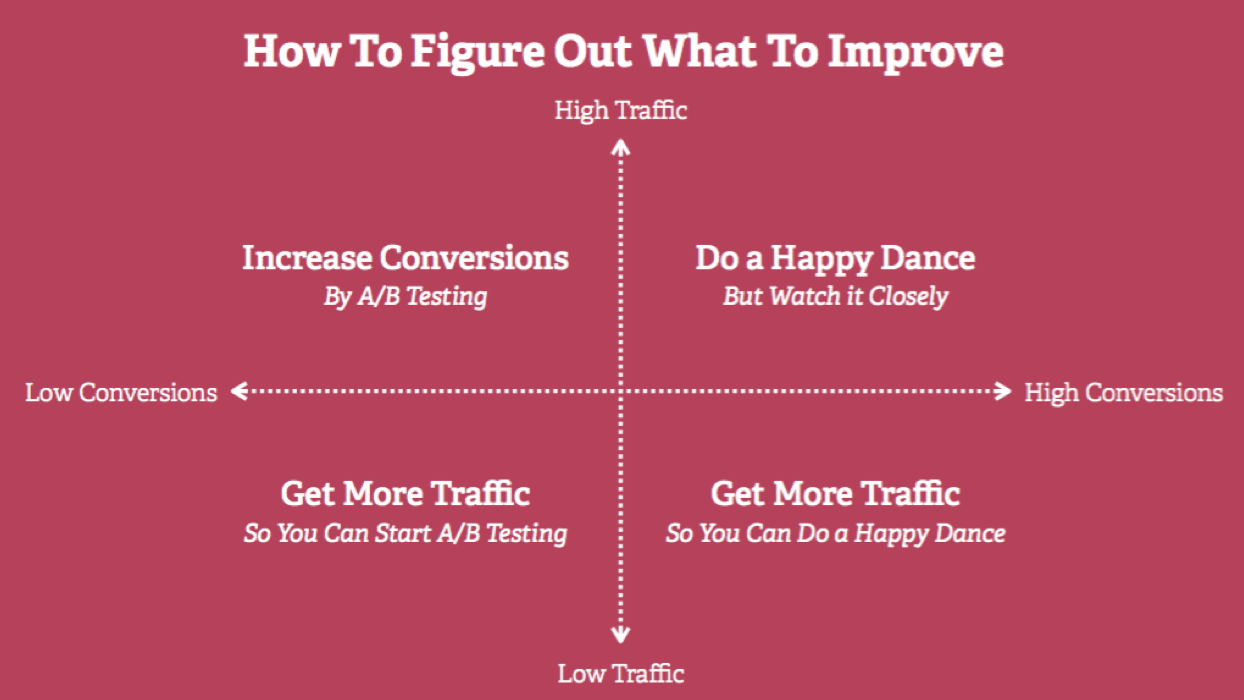
The Conversion Map categorizes marketing channels, landing pages, and content into one of four quadrants based on their traffic volume and conversion rate. This visualization provides a clear overview of performance and helps identify strategic priorities.
- Quadrant 1: High Traffic, High Conversion: These are the most successful initiatives, representing channels or content pieces that attract a large audience and effectively convert them. These are the "cash cows" of a marketing strategy, generating significant results with optimal efficiency.
- Quadrant 2: High Traffic, Low Conversion: This quadrant highlights areas where a substantial number of visitors are arriving, but a low percentage are converting. This presents a significant opportunity for improvement, as optimizing conversion rates here can lead to a substantial increase in overall signups with minimal additional traffic generation effort.
- Quadrant 3: Low Traffic, High Conversion: These initiatives attract a smaller audience but are highly effective at converting those who do arrive. This often indicates a niche audience with strong intent or highly targeted content. The focus here is on scaling traffic to capitalize on this existing conversion efficiency.
- Quadrant 4: Low Traffic, Low Conversion: This quadrant represents the least effective marketing efforts, characterized by both low visitor numbers and poor conversion rates. These initiatives typically require a fundamental re-evaluation or reallocation of resources.
The fundamental principle derived from this framework is to identify what is working and amplify it. Instead of a scattergun approach, the focus shifts to leveraging existing successes and addressing areas with the most significant potential for improvement.

Prioritizing Improvement: A Strategic Process
The Conversion Map framework provides a roadmap for optimizing marketing efforts. The greatest opportunities for immediate impact often lie within the "High Traffic, Low Conversion" quadrant. This is because a substantial volume of visitors is already present, meaning even marginal improvements in conversion rate can translate into a significant uplift in overall signups with relatively less effort compared to acquiring entirely new traffic.
The recommended prioritization for executing improvements based on The Conversion Map is as follows:
- High Traffic, Low Conversion: This quadrant represents the most immediate and impactful area for optimization. The abundance of traffic provides a large sample size, facilitating rapid experimentation and learning through A/B testing. The goal here is to understand what types of messaging, calls to action, or user experience enhancements best resonate with the existing audience to drive conversions.
- Low Traffic, High Conversion: Once the high-traffic, low-conversion areas are being optimized, attention can shift to these highly efficient but under-trafficked initiatives. The objective is to strategically increase traffic to these pages or channels, thereby scaling their proven conversion power.
- Low Traffic, Low Conversion: These initiatives require a more fundamental approach. The initial focus should be on driving any form of traffic, even if it is low in volume and conversion. The aim is to move these efforts into a more promising quadrant, typically "High Traffic, Low Conversion," where they can then be further optimized.
- High Traffic, High Conversion: These are the established successes. While they should not be neglected, the primary focus for optimization should be elsewhere. These initiatives should be placed in an ongoing maintenance mode, ensuring their continued performance without excessive resource allocation that could be better utilized in areas with greater potential for growth.
Deep Dive into Quadrant Optimization Strategies
#1 High Traffic, Low Conversion: The Goldmine of Opportunity
This quadrant is often the most fertile ground for significant growth. Businesses are already investing in attracting visitors, but failing to capitalize on that investment. The high volume of traffic provides an ideal environment for rigorous A/B testing. By systematically testing variations of headlines, calls to action, landing page layouts, offer structures, and even entire user journeys, marketers can pinpoint the elements that most effectively persuade visitors to convert.
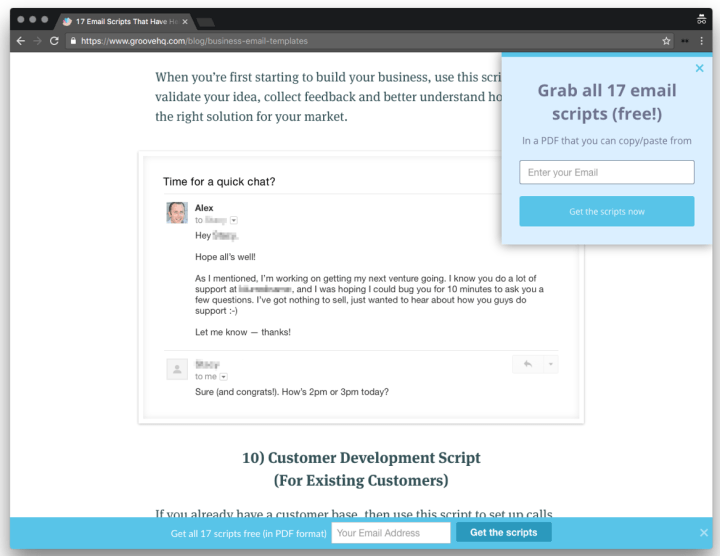
For example, a SaaS company might observe that its blog posts generate thousands of monthly visitors but have a low sign-up rate for their free trial. Through A/B testing, they might discover that a clearer call to action placed higher on the page, or a more compelling offer that highlights a specific pain point addressed by their software, significantly boosts trial sign-ups. The key here is a data-driven approach, where hypotheses are formed, tested, and the results are analyzed to inform subsequent iterations. This iterative process of testing, learning, and refining is crucial for transforming high traffic into high conversions.
#2 Low Traffic, High Conversion: Scaling Proven Success
Initiatives that fall into this quadrant indicate a deep understanding of a specific audience segment and an effective strategy for converting them. However, the limited traffic restricts the overall impact. The primary objective here is to scale traffic to these high-converting assets. This can be achieved through various means:
- Content Promotion: Leveraging paid advertising channels (e.g., social media ads, search ads) to drive targeted traffic to these pages.
- Cross-Promotion: Linking to these high-converting pages from other relevant content or website sections.
- SEO Optimization: Enhancing the search engine visibility of these pages to attract more organic traffic.
- Email Marketing: Featuring these assets in email campaigns to existing subscribers who may be interested.
It is important to note that as traffic scales, conversion rates may naturally decline. This is because a broader audience will have varying levels of intent. When this occurs, the focus may need to shift from simply increasing traffic to implementing A/B testing strategies to maintain or improve conversion rates, effectively moving the initiative towards the "High Traffic, High Conversion" quadrant.

#3 Low Traffic, Low Conversion: Rebuilding from the Ground Up
This quadrant represents the most challenging scenario, where marketing efforts are neither attracting significant attention nor generating desired outcomes. For businesses, particularly early-stage startups or those entering new markets, this is a common starting point. The immediate goal must be to generate any form of traffic and begin the process of understanding what resonates with the target audience.
Content marketing often proves to be an effective strategy in this quadrant. By creating valuable, informative, and engaging content, businesses can begin to establish an online presence and attract an audience. This could involve creating blog posts, videos, infographics, or podcasts that address the pain points and interests of potential customers. As traffic begins to build, the focus can then shift to optimizing conversion rates, aiming to move these initiatives into more productive quadrants. Building brand awareness and establishing credibility are often prerequisites for driving meaningful traffic and conversions in this scenario.
#4 High Traffic, High Conversion: Sustaining the Momentum

Achieving "High Traffic, High Conversion" is the ultimate goal for any marketing initiative. These are the initiatives that are performing exceptionally well, generating significant results with optimal efficiency. While these are the success stories, they should not be taken for granted.
The key here is sustained monitoring and maintenance. These initiatives are the "cash cows" that can fund other growth experiments. Regular performance checks are essential to ensure that the underlying factors contributing to their success remain in place. This might involve ensuring the continued relevance of the content, the optimal performance of the landing page, and the consistent quality of the user experience. While over-optimization can sometimes be detrimental, a proactive approach to maintenance can prevent these high-performing assets from declining in effectiveness over time.
The Long Game: Content Marketing and Sustainable Growth
The strategic application of The Conversion Map framework is not about finding quick wins but about building a sustainable and scalable marketing engine. Content marketing, in particular, exemplifies this long-term approach. As highlighted by the example of KISSmetrics achieving a significantly lower cost per acquisition through content compared to paid channels, content marketing represents a strategic investment.
In its early stages, content marketing involves building "islands of content" – individual pieces of high-quality content that attract and engage a nascent audience. Over time, as more valuable content is created and shared, these islands begin to coalesce, forming "continents" of authority and traffic on the internet. This process is deliberate and incremental, built upon a foundation of consistent effort and a deep understanding of the audience. It is not achieved through sporadic tactics or "hail Mary" plays, but through a structured, step-by-step process of creating value, attracting an audience, and optimizing for conversions.

By embracing The Conversion Map framework, businesses can move beyond the overwhelming complexity of the online marketing landscape. They can adopt a clear, data-driven approach that prioritizes efforts, maximizes resource allocation, and ultimately drives sustainable growth by focusing on the fundamental equation of traffic and conversion. This strategic clarity is not merely beneficial; it is essential for thriving in today’s competitive digital marketplace.