AI Tools for Small Businesses: Revolutionizing Operations, Enhancing Efficiency, and Driving Growth

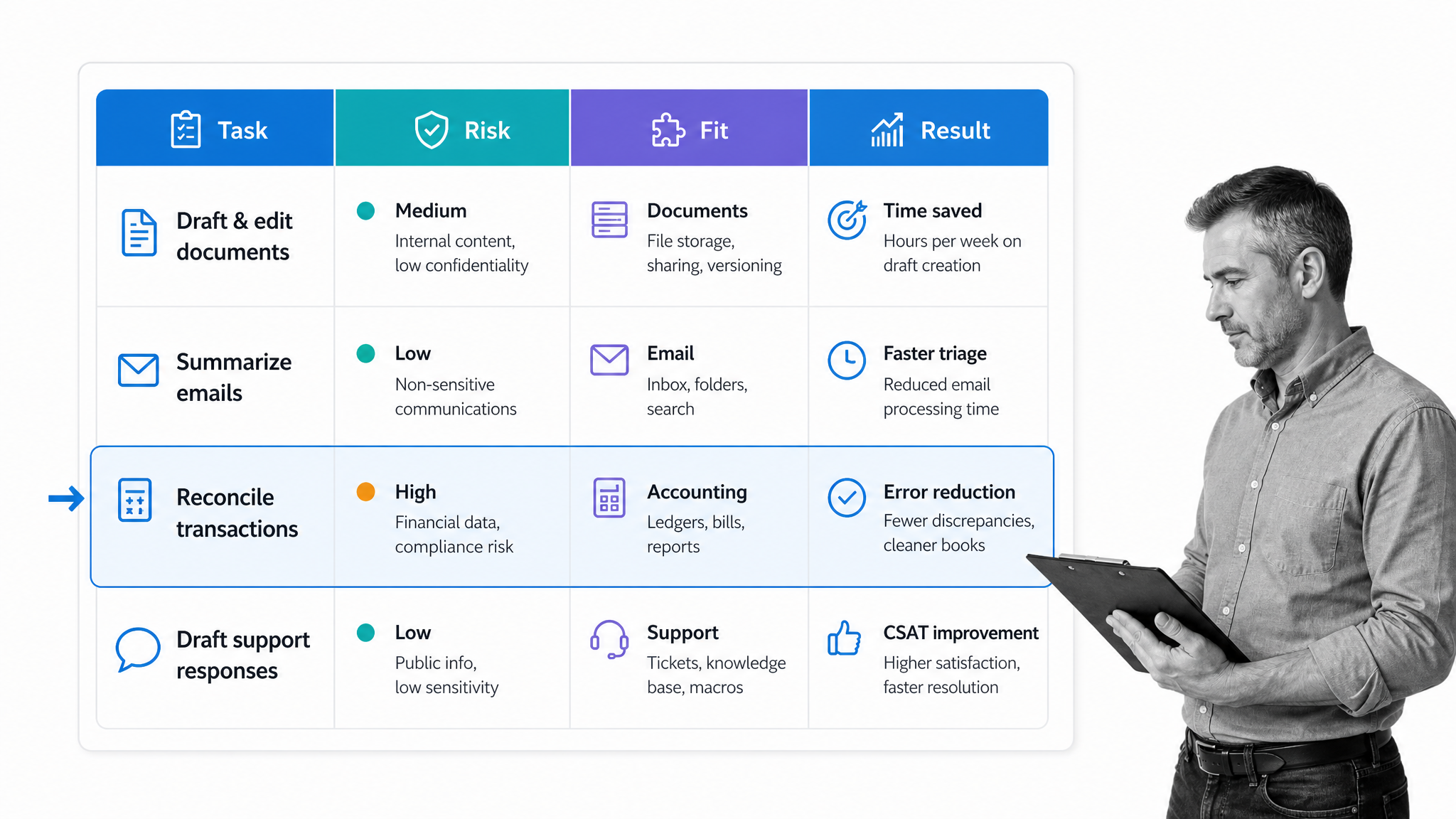
Artificial intelligence (AI) is no longer a futuristic concept; it’s a present-day reality for small businesses seeking to streamline operations, reduce repetitive tasks, and gain a competitive edge. From marketing and finance to customer support and compliance, AI-powered tools are emerging as indispensable assets, capable of transforming how businesses function. The key to successful AI adoption lies not in selecting the tool with the most extensive feature list, but in identifying solutions that seamlessly integrate with existing systems, protect sensitive data, and deliver measurable results for frequent, critical tasks.
The adoption of AI by small businesses is accelerating, driven by the need to overcome resource limitations and compete with larger enterprises. A recent report by Grand View Research projected the global AI in small and medium-sized business market to reach $21.5 billion by 2030, growing at a compound annual growth rate (CAGR) of 37.8% from 2023 to 2030. This surge is attributed to the increasing affordability of AI solutions and a growing awareness of their potential to boost productivity and efficiency.
For small businesses, the most practical approach to AI integration begins with a targeted workflow. This involves identifying a specific task that the team repeats weekly, piloting one or two AI tools to address it, and maintaining human oversight for critical decisions. By tracking changes in time spent, cost, error rates, or conversion metrics, businesses can validate the effectiveness of AI before expanding its use. The landscape of AI tools is vast, encompassing over 50 solutions organized by business function, allowing for comparisons between broad platforms and specialized options.
Navigating the AI Landscape: A Categorized Approach
The diverse array of AI tools available can be broadly categorized to help small businesses identify solutions that align with their specific needs. These categories include cross-functional assistants, financial management, human resource management, marketing and customer relationship management (CRM), operational efficiency, technology and data management, and compliance and legal.
Cross-Functional AI Tools for Small Businesses
These versatile tools often serve multiple departments and can significantly enhance overall business processes and team productivity.
-
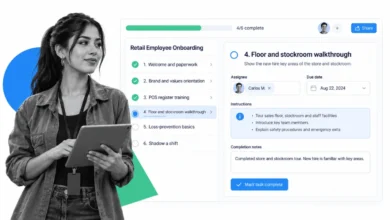
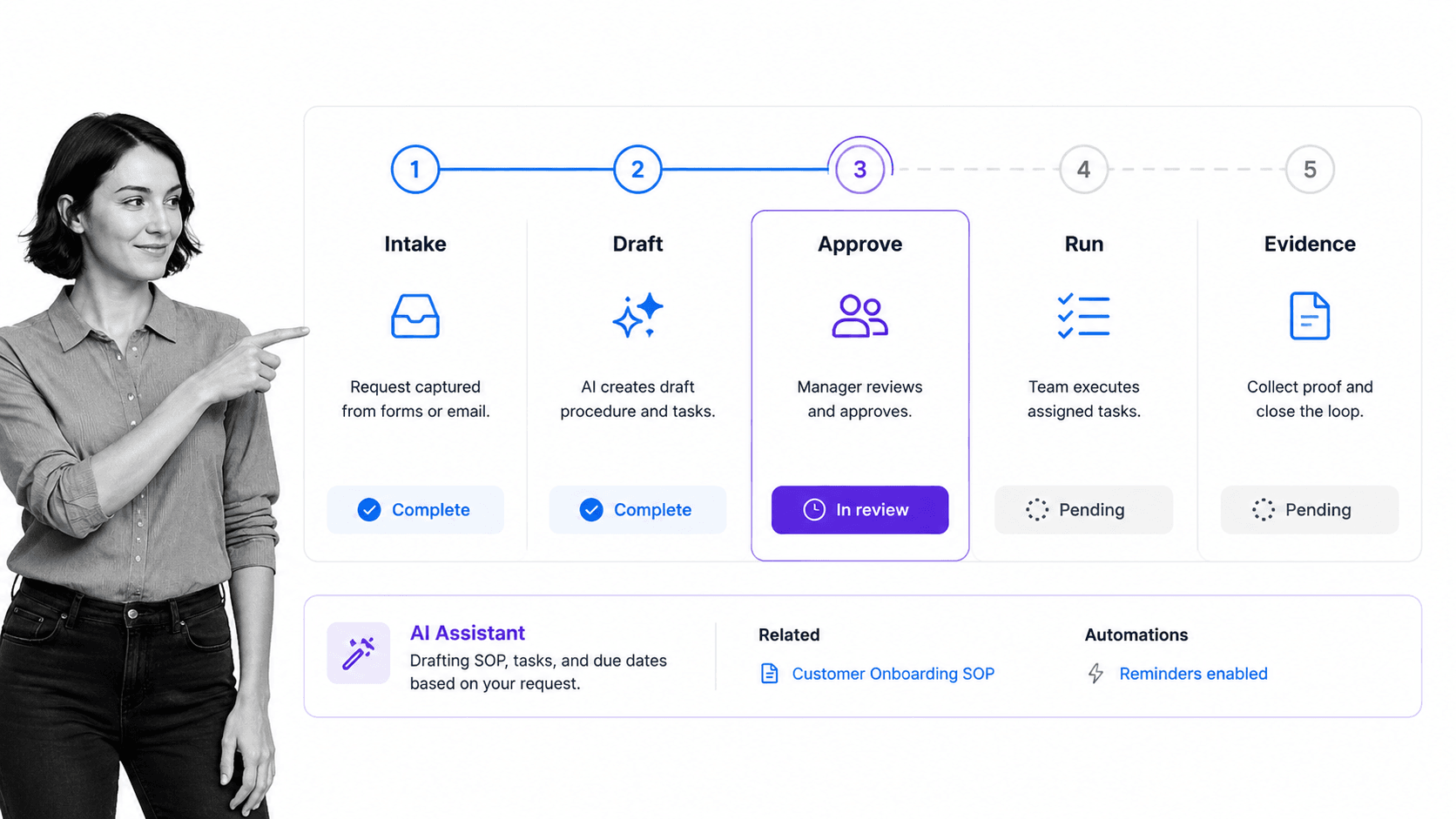
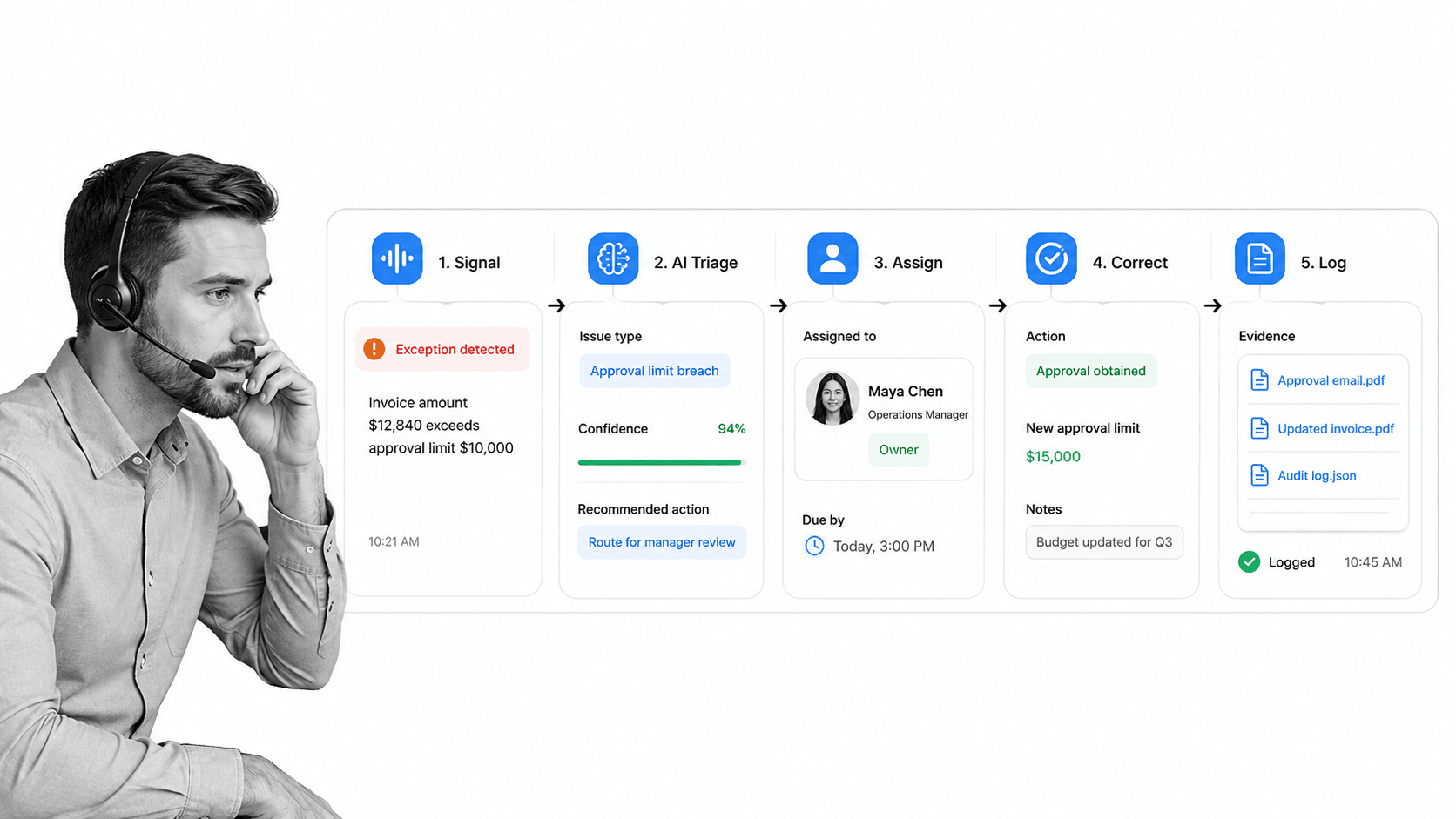
Process Street: This Compliance Operations Platform allows businesses to document, standardize, and evidence their work through structured workflows. Its built-in AI capabilities enable small businesses to transform policies into actionable processes, manage approvals, collect data, and maintain audit trails without relying on multiple disparate solutions. It’s an excellent starting point for those seeking AI workflow tools for repeatable operations.
-
ChatGPT Business: Designed for small teams, ChatGPT Business offers a shared workspace for drafting content, conducting research, performing analysis, and receiving coding support. Its effectiveness is maximized when teams define clear use cases, provide reliable source material, and ensure human review of outputs before they impact customer interactions or critical decisions.
-
Gemini: Google’s AI assistant, Gemini, is adept at research, drafting, analysis, and multimodal tasks. For businesses already integrated with Google Workspace, Gemini offers a seamless experience, assisting with documents, emails, spreadsheets, and meetings while keeping final decision-making authority with the user.
-
Claude (Anthropic’s LLM): Claude stands out with its ability to process extensive text inputs, making it suitable for a wide range of tasks including text generation, language translation, and content design. Its capacity for handling large volumes of information makes it a powerful tool for in-depth analysis and content creation.
-
Zoho Zia: Integrated within Zoho’s comprehensive software suite, Zia acts as an AI assistant that enhances data analysis and decision-making. It offers intuitive workflows and predictive analytics to optimize operations and improve business outcomes.
-
Regie.ai: This AI sales engagement platform is designed for prospecting and outbound communication. It assists small sales teams in researching accounts, crafting personalized messages, and managing outreach sequences. However, the quality of communication and deliverability remain dependent on careful targeting and human review.
-
UiPath: A leading Robotic Process Automation (RPA) software, UiPath utilizes AI to automate repetitive tasks and streamline business processes. By building software robots that mimic human actions, businesses can increase efficiency, reduce errors, and reallocate human resources to more strategic initiatives.
-
AppZen: This AI-based tool automates the auditing of expense reports. By leveraging AI and machine learning, AppZen identifies policy violations, potential fraud, and errors in expense data, saving significant time and ensuring compliance.
-
ThoughtSpot Spotter: Offering an AI analytics experience, ThoughtSpot Spotter allows users to ask business questions in natural language and explore governed data. It accelerates the process of generating useful charts and explanations, provided that reliable data models and access controls are already in place.
-
HubSpot Breeze Copilot: HubSpot’s AI assistant integrates across its customer platform, enabling small businesses to summarize records, draft content, prepare for customer conversations, and reduce repetitive CRM tasks. It ensures contacts, context, and outcomes are managed within a single system.
-
Intercom Fin: An AI customer-service agent, Intercom Fin resolves support questions using a company’s approved knowledge sources and escalates complex issues to human agents when necessary. It’s ideal for small teams looking to manage routine inquiries efficiently while maintaining a clear escalation path.
-
Email Content Generator from Mailchimp: Mailchimp’s AI feature helps optimize email campaigns and improve customer targeting. This tool assists in delivering personalized, targeted messages, driving better email marketing results and enhancing customer engagement.
-
Grammarly AI: Grammarly AI assists teams in drafting, revising, and refining written communication across various work platforms. It serves as a valuable editing layer for clarity, tone, and consistency, rather than a substitute for subject matter expertise or factual verification.
-
Starmind: This AI platform maps skills and expertise within an organization, enabling businesses to leverage their employees’ knowledge more effectively. Its AI-driven algorithms foster collaboration and efficient problem-solving.
-
Persado: Persado specializes in generating impactful language for communications. By analyzing data and employing AI algorithms, it helps create compelling content that resonates with target audiences, thereby enhancing marketing and customer engagement efforts.
-
Gong.io: Gong.io analyzes sales calls and meetings to provide actionable insights and coaching for sales teams. Its AI algorithms help understand customer interactions, identify sales patterns, and optimize sales strategies for improved performance.
-
HubSpot Breeze Intelligence: This tool aids HubSpot customers in enriching company and contact records, understanding buyer intent, and reducing data entry workload. Its effectiveness is heightened when a business has a clearly defined ideal customer profile and established rules for data verification.
-
Microsoft 365 Copilot: Integrated into familiar Microsoft applications, Copilot offers AI assistance for summarizing meetings, drafting documents, analyzing spreadsheets, and preparing presentations. Its utility is optimized when permissions and source files are well-managed.
-
Invoca: As a call tracking and analytics platform, Invoca extracts valuable insights from customer phone calls. It provides data-driven analytics, call attribution, and conversation analytics to optimize marketing campaigns and enhance customer experiences.
Financial Management AI Tools for Small Business
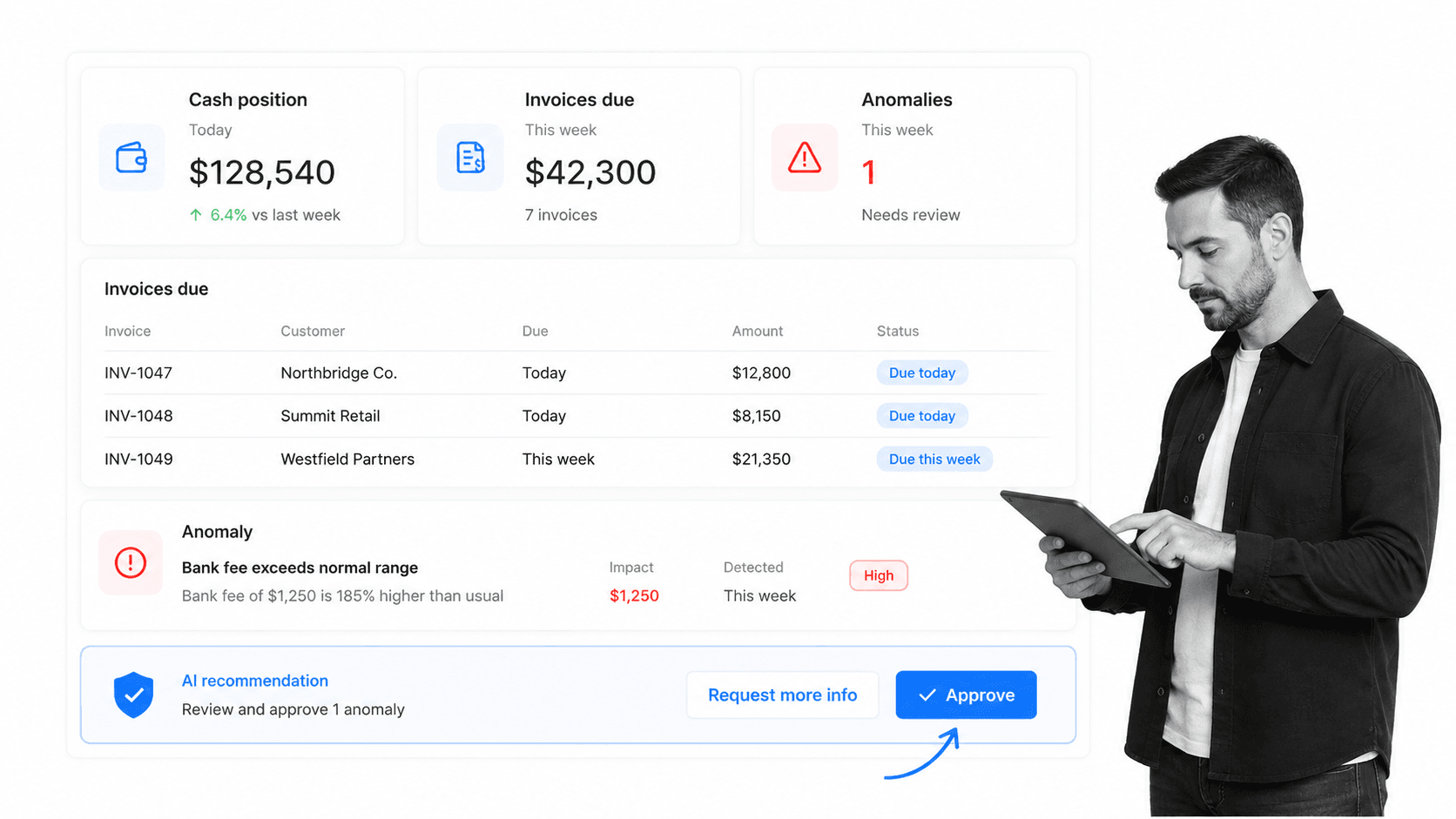
AI is increasingly being used to automate and enhance financial operations, from accounts payable to cash flow forecasting.
-
BILL: This financial operations platform manages accounts payable, accounts receivable, spend, and cash flow. Its automation capabilities help small finance teams capture invoices, route approvals, and schedule payments, reducing repetitive data entry while maintaining human accountability for significant transactions.
-
Zeni: Zeni is an AI-powered finance manager that handles bookkeeping, tax filing, and financial reporting. By automating manual processes, it aims to save time and minimize errors in financial management, providing a more efficient approach to financial operations.
-
Chata.ai: This AI assistant provides small business owners with immediate access to data analytics, understanding natural language queries to offer insights into cash flow, forecasting, and revenue predictions, thereby empowering data-driven financial decisions.
-
American Express Business Blueprint: This service offers eligible small businesses a consolidated view of their cash flow and financing options. It is positioned as a financial platform designed to provide a clear financial overview, rather than a general-purpose AI assistant.
Human Resource Management (HRM) AI Tools for Small Business
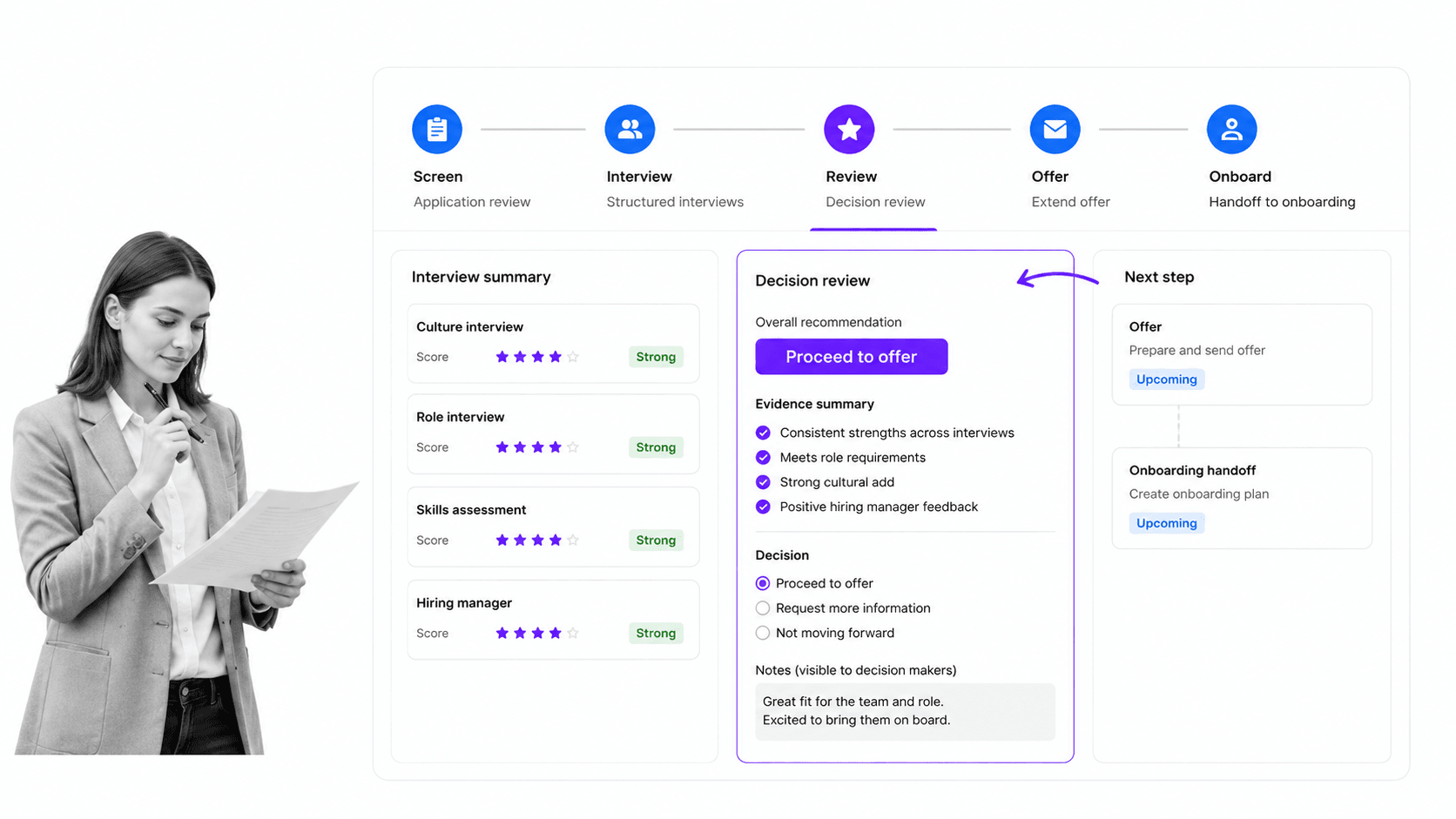
AI is transforming recruitment, performance management, and employee engagement.
-
hireEZ: An AI-assisted recruiting platform, hireEZ focuses on candidate sourcing, engagement, and talent data management. It helps small hiring teams organize outreach and research but emphasizes that human accountability remains crucial for candidate evaluation, and automated recommendations should not be treated as final employment decisions.
-
Lattice: This AI-powered performance management platform assists small and medium-sized businesses (SMBs) in managing employee performance. It leverages AI to collect feedback, set goals, and track progress, offering a more data-driven approach to performance evaluation.
-
X0PA AI: X0PA AI supports structured recruiting processes with tools for candidate screening, shortlisting, and matching. While it can reduce repetitive review tasks, the platform stresses that human oversight is essential for evaluating candidates, ensuring accommodations, and making final employment decisions.
-
Harver: Harver offers AI-powered pre-employment assessment software that streamlines candidate screening. Its AI algorithms evaluate applicants based on skills, personality traits, and cultural fit, aiming to improve the accuracy of hiring decisions.
-
Engagedly: This talent management platform integrates engagement, performance, learning, and AI-assisted people workflows. It provides a comprehensive suite of tools for managing the employee lifecycle, with AI enhancing various aspects of people operations.
-
Linear AI: Designed for software product teams, Linear AI assists in creating, updating, searching, and summarizing work within the Linear platform. It offers an integrated AI solution for teams that prefer AI functionality within their existing issue-tracking workflow.
-
Radancy AI Interview: Radancy’s AI-powered hiring capabilities, including its AI Interview technology, support structured screening and interview workflows. However, the company underscores that human judgment remains paramount for evaluation, accommodations, and final employment decisions.
Marketing and CRM AI Tools for Small Business
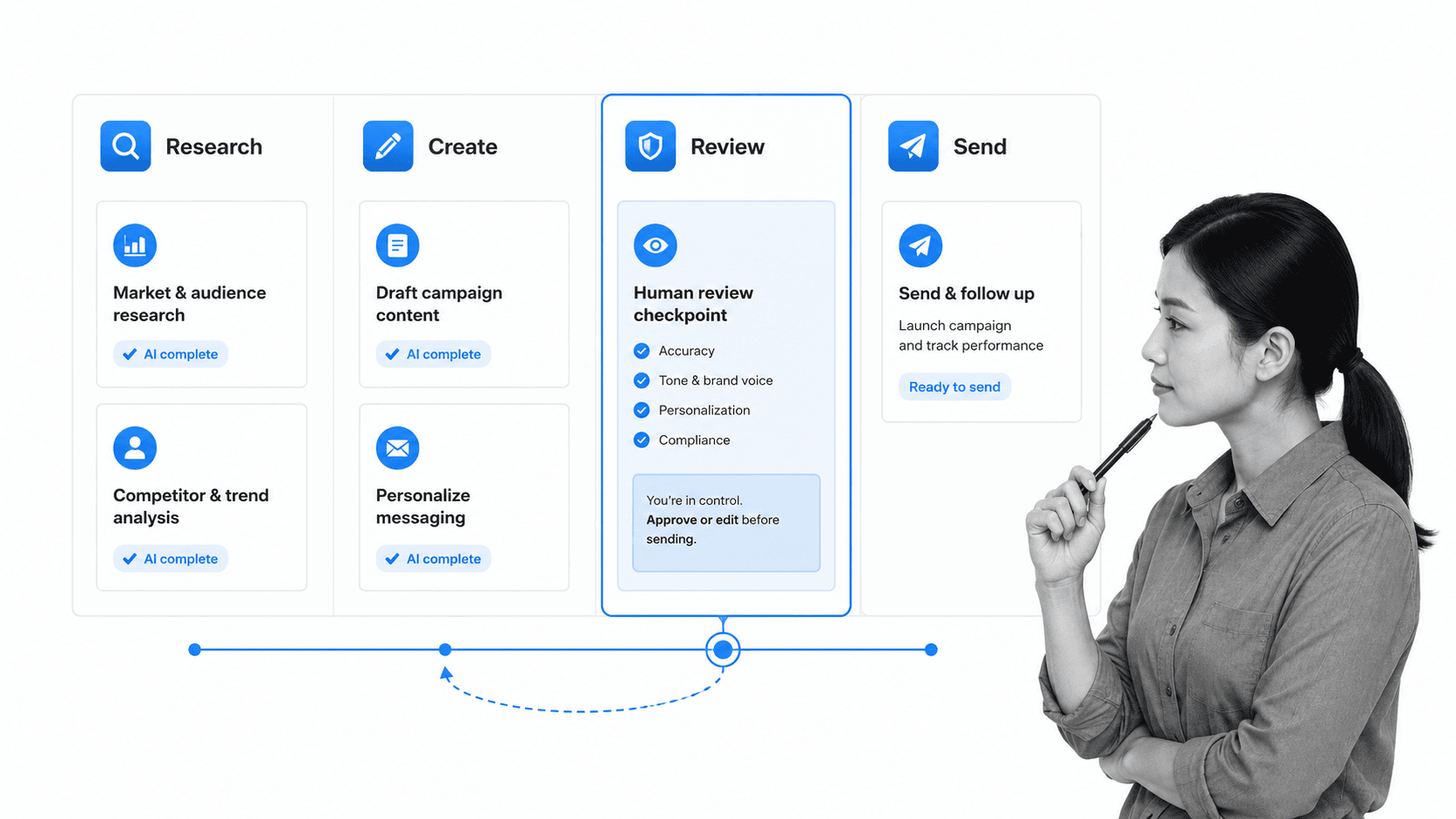
AI is revolutionizing how businesses connect with customers, from content creation to customer service.
-
beehiiv: While primarily an email newsletter platform, beehiiv incorporates AI features to support content creation and production. It provides tools for writing, sending, growing, and monetizing newsletters, making it a valuable asset for businesses focused on email marketing.
-
Wordtune: This AI-powered writing assistant helps users improve their writing style by suggesting word choices, correcting grammar, and making text more concise and engaging. It serves as a powerful tool for refining marketing copy and other written communications.
-
Canva Magic Studio: Canva Magic Studio integrates AI-assisted tools for image, video, presentation, and copy creation within the Canva platform. It enables small teams to quickly move from concept to usable campaign assets, maintaining brand consistency and human approval within a familiar workspace.
-
Adobe Firefly: Adobe Firefly offers generative AI capabilities for images, video, and design across Adobe products. Creative teams can leverage it for concept development and production variations, seamlessly integrating it into their existing editing workflows.
-
Synthesia: Synthesia allows users to create animated videos using text-to-speech technology. This tool simplifies video production, making it accessible for businesses looking to enhance their marketing content with engaging visual elements.
-
Writesonic: Writesonic is an AI text generation tool capable of assisting with the creation of blog posts, articles, social media content, product descriptions, and more. It helps businesses produce a high volume of written content efficiently.
-
Kapiche: This text analytics software utilizes AI to analyze customer feedback, providing valuable insights into customer sentiments, opinions, and reviews. It helps businesses understand their audience better and make data-driven improvements to their offerings.
-
Optimizely: Optimizely is an AI-driven platform for website experimentation and personalization. It helps businesses optimize website performance, increase conversions, and deliver tailored customer experiences, leading to improved customer satisfaction and engagement.
-
Crisp: Crisp is an AI-powered customer service platform that manages and enhances customer support experiences. Features like live chat, chatbots, and automation streamline interactions, improve query resolution, and provide a seamless customer journey.
-
Birdeye: Birdeye focuses on driving business growth through enhanced customer experience. It collects and analyzes customer feedback, online reviews, and ratings, helping businesses improve their reputation, attract more customers, and increase revenue.
-
Zendesk AI: Zendesk AI enhances customer service workflows with automated answers, agent assistance, intelligent routing, and quality support. It offers a robust solution for small businesses seeking AI integration within a managed support queue and knowledge base.
Operational Efficiency AI Tools for Small Business
These tools are designed to streamline day-to-day operations, improve project management, and boost overall productivity.
-
Taskade: Taskade is a cloud-based project management tool that facilitates team collaboration on tasks, projects, and documents. Its user-friendly interface and diverse features aim to enhance team productivity and efficiency.
-
Replit Agent: Replit Agent assists users in describing, building, testing, and deploying software within a browser-based development environment. It can accelerate the creation of prototypes and internal tools for small businesses, though production applications still require rigorous security, reliability, ownership, and maintenance reviews.
-
Notion AI: Integrated into the collaborative workspace tool Notion, Notion AI offers features for content creation and editing, idea generation, and task automation, enabling more efficient and productive workflows.
-
Flowpoint: Flowpoint is a customer-journey and funnel analytics platform that helps businesses understand user behavior across digital touchpoints, identify drop-off points, and prioritize changes to improve conversion rates.
-
Pando: This AI-powered transportation management platform handles freight planning, procurement, execution, and payment workflows. It assists operations teams in consolidating shipment data, investigating exceptions, and coordinating logistics decisions across existing systems.
-
Greyparrot: Greyparrot is an AI-based tool focused on waste recognition and management to promote sustainability. Using computer vision, it analyzes waste streams, classifies waste types, and provides insights for effective waste management strategies.
-
Midjourney: Midjourney is a text-to-image AI tool that generates images from textual descriptions. It leverages a large language model trained on extensive datasets of text and images, enabling creative visual content generation.
Technology and Data Management AI Tools
These tools help businesses manage their technology infrastructure and data more effectively.
-
DataRobot: An automated machine learning platform, DataRobot predicts and interprets user data. It automates the process of building and deploying machine learning models, empowering users to extract valuable insights from their data.
-
SAP WalkMe: SAP WalkMe is a digital adoption platform that guides users through software applications and identifies areas where users struggle. It can support onboarding and process adoption across complex systems, though it typically involves a more substantial implementation than a simple help widget.
-
Logz.io: This log analysis platform provides advanced insights into IT infrastructure monitoring. It centralizes log data, applies machine learning for analysis, and offers real-time alerts and visualizations for proactive troubleshooting and system optimization.
Compliance and Legal AI Tools
AI is also making inroads into ensuring regulatory adherence and streamlining legal processes.
-
Archer Evolv Compliance: This platform integrates regulatory-change capabilities to help compliance teams monitor changes, assess relevance, assign actions, and maintain evidence within a broader risk and compliance program.
-
Spellbook: Spellbook is an AI contract assistant that aids in drafting, reviewing, and comparing language within legal documents. It is designed to streamline legal work for businesses by enhancing efficiency and accuracy in contract management.
Real-World Impact: Case Studies in AI Adoption
The true value of AI for small businesses is demonstrated through tangible improvements in key performance indicators. Three distinct use cases highlight the practical outcomes achievable with existing AI tools:
Boosted Efficiency and Productivity: VisitUs and Regie.ai
Alister Wood, owner of VisitUs, a company heavily reliant on email marketing for lead generation and sales conversions, shares his team’s positive experience with Regie.ai. Previously, crafting emails for hundreds of contacts was a significant challenge, requiring extensive effort from sales and marketing teams. With Regie.ai, VisitUs can now specify their target audience and customer type, and the AI generates personalized emails within minutes. This has not only saved considerable time for both departments but has also led to a slight increase in conversion rates due to the platform’s automated email scheduling. The efficiency gained has allowed VisitUs to dedicate more time to customer engagement, further strengthening client relationships.
Enhanced Decision-Making: Musician Authority and Flowpoint
Michaela Melo from Musician Authority’s marketing department describes Flowpoint as a "game-changer" for their online operations. Flowpoint addresses the challenge of optimizing website conversions and maximizing ROI through data-driven decisions. Its features, including cross-domain funnel tracking, funnel analytics, AI-powered recommendations, and conversion rate optimization, provided valuable insights into website performance. The AI-generated recommendations helped identify technical errors hindering conversions and led to noticeable improvements in website conversion rates and overall performance. This data-informed approach empowers businesses to make more strategic decisions with greater confidence.
Improved Customer Experience: GreenPal and Intercom.io
Gene Caballero, co-founder of GreenPal, highlights Intercom.io’s instrumental role in streamlining customer communication and enhancing customer satisfaction. Intercom’s AI-powered features enabled GreenPal to provide personalized support and engage with customers effectively. Caballero states, "This (tool) not only improved our efficiency but also enabled us to deliver a superior customer experience that sets us apart from our competitors." By leveraging AI for customer interactions, GreenPal has been able to differentiate itself in a competitive market.
Choosing the Right AI Tools for Your Small Business
Selecting the most appropriate AI tools requires a strategic approach focused on specific business needs. The process should begin by identifying a single, recurring, costly, or error-prone task. Documenting the current baseline—in terms of time, cost, quality, or conversion rates—is crucial for measuring the impact of any AI pilot program.
A structured approach to AI adoption involves:
- Identifying a core problem: Pinpoint a specific, recurring task that consumes significant resources or leads to errors.
- Setting a baseline: Quantify the current performance of that task before implementing AI.
- Piloting AI solutions: Test one or two tools designed to address the identified problem.
- Maintaining human oversight: Ensure human review and decision-making for critical outcomes.
- Measuring results: Track changes in time, cost, quality, or conversion metrics.
- Expanding judiciously: Only scale AI adoption once a workflow is stable, team members understand its limitations, and the measured benefits justify the operating costs.
Ultimately, a smaller, well-managed set of AI tools with clear ownership and robust review controls will likely yield more value than a sprawling collection of disconnected AI subscriptions. By focusing on practical application, measurable outcomes, and strategic integration, small businesses can effectively harness the power of AI to drive efficiency, innovation, and sustainable growth in today’s dynamic marketplace.