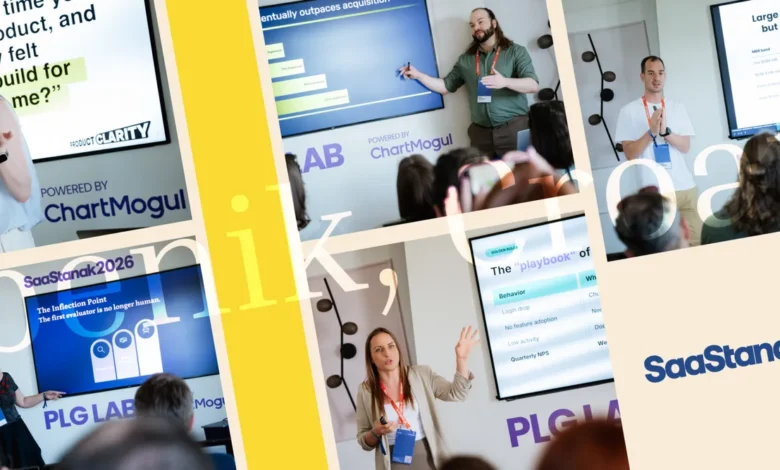
ChartMogul, a leading revenue intelligence platform for SaaS businesses, has concluded its inaugural Product-Led Growth (PLG) Lab series, a collection of intimate, city-based meetups designed to address the complex challenges faced by modern SaaS founders and operators. The series, which culminated in an extensive program overlooking the Mediterranean Sea in Croatia, provided a platform for candid discussions and practical insights into optimizing PLG strategies. Sara Archer, Chief Revenue Officer at ChartMogul, spearheaded the initiative, emphasizing the need for events that delve into the "messy, important stuff" of PLG, moving beyond theoretical concepts to actionable operational tactics.
The genesis of the PLG Lab series stems from ChartMogul’s direct engagement with its customer base, predominantly comprised of ambitious SaaS businesses building with "smart, opinionated products" rather than relying on massive capital infusions, extensive enterprise sales teams, or six-figure contracts. Archer noted that recurring themes in her conversations with founders and operators consistently revolved around the intricacies and complexities inherent in a PLG model. This observation fueled the desire to create an event that would directly confront these challenges, from optimizing n8n workflows and refining activation paths to designing effective compensation plans for hybrid go-to-market (GTM) motions.
The series kicked off in San Francisco, strategically timed to coincide with Stripe Sessions. A notable session featured Brenna Loury, CRO of Doist, who shared her candid experiences and the inherent difficulties of moving upmarket within a predominantly PLG-driven business. The engagement from attendees was so profound that discussions continued even after the formal session concluded, spilling over into informal networking on a rooftop terrace, further underscoring the value and timeliness of the topics addressed. This successful initial meetup set a precedent for the subsequent gatherings.
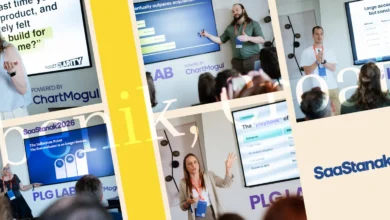
Following the San Francisco event, ChartMogul transported the PLG Lab series to the picturesque Croatian coast. In collaboration with SaaStanak, a regional SaaS conference, the company organized two intensive afternoons of PLG-focused content. Despite occurring during a heatwave, each session reportedly drew standing-room-only crowds, with attendees demonstrating remarkable engagement. Participants actively posed sharp questions, shared their own company-specific experiences, and forged new professional connections. The overwhelming positive reception and the depth of operator-level knowledge exchanged at SaaStanak prompted ChartMogul to make this valuable content accessible to a wider audience.
In true ChartMogul fashion, the company has committed to recapping each session, extracting practical takeaways, and providing access to the presentation decks for ongoing reference. This initiative aims to democratize the knowledge shared at these exclusive meetups, allowing those unable to attend in person to benefit from the expert insights.
The Expansion Engine: Architecting a Scalable PLG Stack for Automated Upsells
One of the pivotal sessions, "The Expansion Engine: Architecting a Scalable PLG Stack for Automated Upsells," presented by Tom, shifted the perspective on expansion revenue. Traditionally viewed as a sales execution challenge—requiring precise timing, targeted outreach, and compelling offers—this session argued that for many SaaS businesses, expansion is fundamentally an infrastructure problem. The core takeaway is that when the right data flows seamlessly into the appropriate workflows, expansion becomes more timely, relevant, and significantly more scalable. The presentation deck, made available by ChartMogul, offers a blueprint for building this robust infrastructure.
When Automations Guess Wrong: Behavior Shows What Happened. Users Tell You Why
Aleksandra’s presentation, "When Automations Guess Wrong: Behavior Shows What Happened. Users Tell You Why," addressed a common pain point for PLG companies: lifecycle automations that function technically but still feel generic. The session served as a critical reminder that while user behavior data can reveal what happened, it is direct user feedback that elucidates why. This distinction is crucial for refining automated communications and ensuring they resonate with user needs and contexts. The provided deck offers frameworks for interpreting both behavioral patterns and qualitative user insights to drive more effective engagement.
From Traditional SaaS to AI-Native in 5 Days: 3 Companies That Did It
The rapid evolution of technology was a central theme, exemplified by the session "From Traditional SaaS to AI-Native in 5 Days: 3 Companies That Did It." This presentation demystified the concept of becoming "AI-native," transforming it from a vague strategic aspiration into a tangible product exercise. The framework presented involves identifying the initial valuable outcome, streamlining the surrounding work, preserving the trust-building moment, and then architecting the user experience backward from that point. The deck includes practical prompts and frameworks designed to facilitate team discussions on how products can leverage AI to anticipate user needs, make default decisions, and maintain user agency and ownership.
LTV Has a Blind Spot: Findings from 3,700 SaaS Businesses Over 6 Years
A groundbreaking session, "LTV Has a Blind Spot: Findings from 3,700 SaaS Businesses Over 6 Years," unveiled new data from ChartMogul’s insights team. This research examined over 3,700 SaaS businesses across a six-year period. The core finding suggests that while Lifetime Value (LTV) remains a critical metric for informing decisions regarding Customer Acquisition Cost (CAC), payback periods, and segment investments, its efficacy is contingent on understanding its limitations. The presentation highlights the specific scenarios where the LTV formula can break down and emphasizes the necessity of cross-referencing it with actual customer behavior to maintain an accurate financial outlook.
People-Led Growth: Fixing Your Product’s First Impression and Path to Activation
"People-Led Growth: Fixing Your Product’s First Impression and Path to Activation," delivered by Paulina, offered a vital reset for teams that may view onboarding as a "set and forget" process. This session introduced a simple, yet powerful, monthly framework for revisiting the onboarding experience. The methodology encourages teams to adopt a user-centric perspective, identify points where trust erodes or momentum dissipates, and systematically address these moments to guide users towards their first significant win with the product. The accompanying deck provides actionable steps for continuous onboarding optimization.
Invisible PLG
In an era increasingly shaped by systemic interactions, the concept of "Invisible PLG" was explored. This session posed a critical diagnostic question: could an AI agent independently discover, evaluate, test, price, and integrate with your product? If the answer is no, it suggests that while the product may still be visible to human users, it is becoming increasingly invisible to the automated systems that are beginning to dictate how software is discovered and evaluated. The presentation deck delves into the implications of this shift and offers strategies for ensuring product discoverability in an AI-driven landscape.
[Workshop] From $1M–$20M ARR: Growth Levers and New Signals for Success
A practical workshop, "[Workshop] From $1M–$20M ARR: Growth Levers and New Signals for Success," transformed the broad question of scaling to $20 million in Annual Recurring Revenue (ARR) into a more focused operating inquiry: "What must improve as we scale?" The workshop underscored that achieving this level of growth is rarely the result of a single solution but rather a confluence of compounding improvements. Key areas identified include increasing Average Revenue Per Account (ARPA), enhancing retention and expansion rates, sharpening strategic focus, and elevating execution capabilities, all supported by leadership standards that foster sustainable progress.
Where PLG Meets Sales: Building a Hybrid Growth Engine in Practice
The complexities of integrating Product-Led Growth with traditional sales motions were tackled in "Where PLG Meets Sales: Building a Hybrid Growth Engine in Practice." This session argued that a hybrid GTM is more than just attaching a self-serve funnel to a sales team; it’s about proactively addressing systemic and process challenges that arise when different buyer personas require distinct engagement paths. The presentation explored crucial elements such as account routing, ownership definition, incentive design, product boundary setting, and meeting customers where they are in their buying journey.
The Launch to Adoption Gap: Why Fast Shipping Doesn’t Equal Product Growth
One of the most forward-thinking perspectives was presented in "The Launch to Adoption Gap: Why Fast Shipping Doesn’t Equal Product Growth." This session identified a pervasive problem within many SaaS companies: products are being shipped faster than users can effectively absorb them. Natalija reframed product marketing from merely announcing new features to actively designing for adoption. In an environment characterized by constant product releases, companies that excel at identifying what deserves attention, targeting the right users at the opportune moment, and translating product launches into tangible user behavior change are poised to gain a significant competitive advantage. The deck provides a framework for achieving this critical alignment.
Closing Thoughts on the Evolving PLG Landscape
Collectively, the sessions within the Product-Led Growth Lab series illuminated a significant evolution in the understanding and application of PLG. It is no longer solely about disintermediating the sales process. Instead, PLG is increasingly recognized as a multifaceted discipline encompassing sophisticated data architecture, robust feedback loops, nuanced onboarding psychology, intricate hybrid GTM design, streamlined launch systems, and the development of agent-readable infrastructure. Crucially, it still hinges on the fundamentally human aspect of effectively communicating a product’s value proposition to potential customers.
The overarching implication of the PLG Lab series is that the field is becoming simultaneously more technical, more operational, and more deeply human. This trend suggests that SaaS companies aiming for sustained success in the current market must cultivate expertise across these diverse and interconnected domains. As businesses navigate this increasingly complex landscape, the insights and frameworks shared by ChartMogul and its network of industry leaders offer a valuable roadmap for achieving scalable and sustainable growth.