For many households, the decision to replace a aging vehicle or commit to ongoing maintenance is a significant financial inflection point, often clouded by emotional attachment and the allure of modern amenities. With the average transaction price for a new vehicle in the United States hovering near $50,000, consumers are increasingly re-evaluating the long-term utility of vehicle ownership. This analysis explores the fiscal realities of maintaining an older luxury vehicle versus the depreciating costs associated with purchasing a new automobile, particularly within the context of high-cost urban living.
The Fiscal Disparity: Maintenance Versus Depreciation
The financial argument for retaining an existing vehicle often rests on the concept of depreciation, which remains the single largest cost of vehicle ownership. Luxury SUVs, in particular, frequently experience aggressive value erosion, losing approximately 20% of their market value in the first year of ownership, followed by a decline of 10% to 15% in the second year.
Consider a luxury vehicle priced at $110,000. In a high-tax jurisdiction such as San Francisco, where sales tax is approximately 8.625%, the upfront acquisition cost—including registration fees—can exceed $120,000 before the vehicle leaves the lot. If a consumer were to purchase this vehicle with the intent of selling it after 24 months, the combined impact of depreciation and non-recoverable sales tax could result in a total cost of ownership ranging between $43,000 and $48,000, excluding fuel, insurance, and interest expenses. This equates to a monthly carrying cost of nearly $2,000.
Conversely, maintaining an 11-year-old vehicle presents a vastly different fiscal profile. Even with an estimated annual maintenance budget of $3,000, the monthly expenditure remains significantly lower—approximately $250. This creates a margin of roughly $40,000 over a two-year period, a sum that can be reallocated toward long-term savings, debt reduction, or other life priorities, such as relocation or education expenses.

The Psychological Component: The Hidden Cost of Asset Protection
Beyond the tangible arithmetic of depreciation and repair costs lies the psychological burden of asset management. A new vehicle requires a heightened level of vigilance; every parking maneuver in a dense urban environment becomes a calculated risk. This phenomenon, often described as the "hidden cost of ownership," manifests as a persistent, low-level anxiety regarding minor dings, scratches, and the conduct of other motorists.
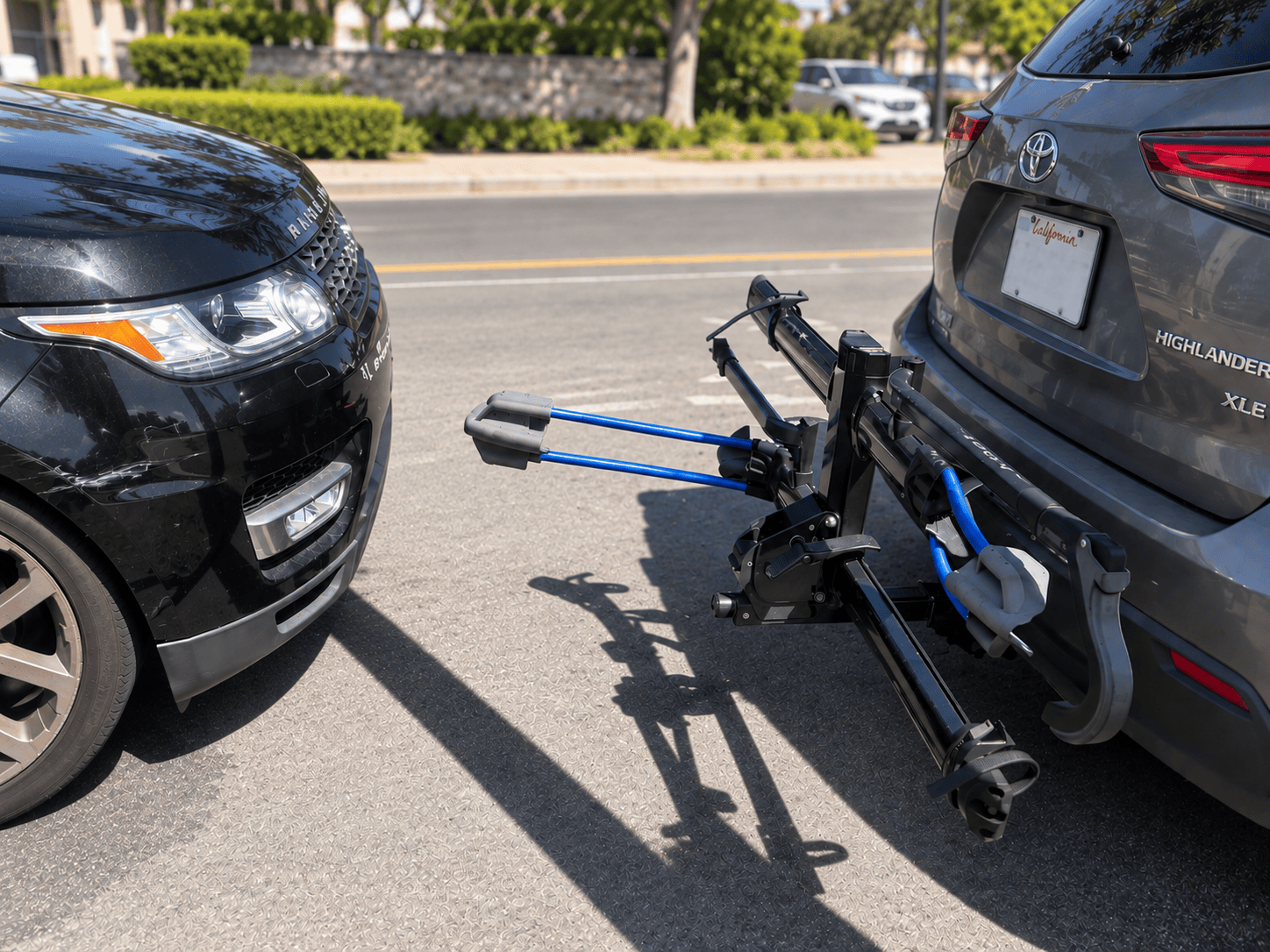
Recent real-world incidents, such as accidental contact with protruding, extended bicycle racks in public parking zones, serve as case studies for this stress. When an individual operates an older vehicle that has already sustained minor cosmetic imperfections, the financial impact of such an accident is categorized as a maintenance inconvenience rather than a capital loss. The psychological relief derived from not needing to prioritize the pristine condition of a vehicle is a measurable, if intangible, benefit of choosing to delay replacement.
Structural Realities of the Automotive Marketplace
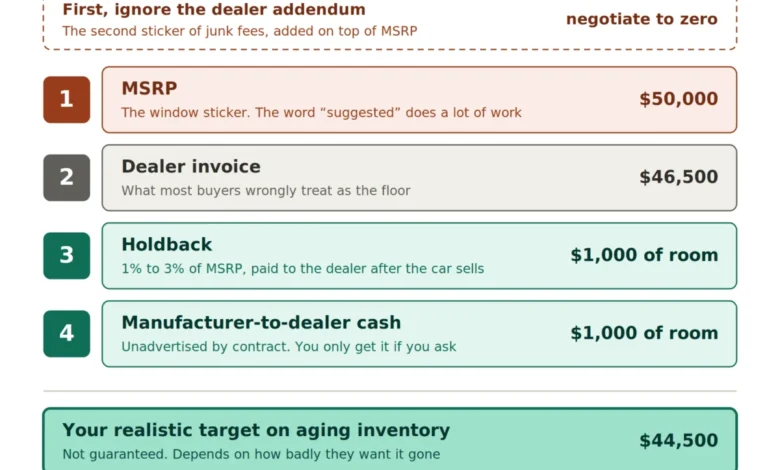
For those who remain committed to the purchase of a new vehicle, understanding the four distinct layers of automotive pricing is essential to navigating the negotiation process effectively.
- Manufacturer’s Suggested Retail Price (MSRP): This figure serves as a baseline, but often includes "dealer addenda"—discretionary charges for services such as paint protection, nitrogen-filled tires, or VIN etching. These are frequently high-margin, non-essential items that are subject to negotiation.
- Dealer Invoice: Contrary to popular belief, the dealer invoice is rarely the true "floor" of a negotiation. It represents the base price, but it does not account for the complex incentives provided by manufacturers.
- Manufacturer Holdback: Manufacturers typically remit 1% to 3% of the MSRP back to the dealer after a sale is completed. This provides dealers with an operational buffer, meaning a sale "at invoice" is still a profitable transaction for the dealership.
- Manufacturer-to-Dealer Cash: This is the most opaque layer of pricing. These are unadvertised, performance-based incentives provided to dealers to move specific inventory. Because these are often contractually restricted from public advertising, consumers must directly inquire about current dealer-cash programs to identify potential savings.
Strategic Negotiation Tactics
The current automotive market, particularly during seasonal lulls such as the Labor Day period, favors the informed consumer. Dealers are often incentivized to clear floor space for incoming model-year updates, creating a window of opportunity for aggressive pricing.
To optimize this process, financial analysts recommend a tripartite approach:
- Decouple Negotiations: Treat the purchase price, the trade-in value, and the financing terms as three entirely separate transactions. Blending these allows for "shell games" where a discount in one area is reclaimed through inflated interest rates or undervalued trade-ins.
- Prioritize "Out-the-Door" Pricing: Requesting a single, all-inclusive price that covers tax, title, registration, and documentation fees is the most effective way to prevent the late-stage addition of hidden administrative costs.
- Adhere to the 1/10th Rule: Financial experts often advise that a household should spend no more than 10% of their gross annual income on the purchase price of a vehicle. This threshold acts as a hedge against the "anxiety tax" of ownership, ensuring that the asset remains a tool for transportation rather than a drain on household solvency.
Broader Economic Implications
The shift toward longer vehicle holding periods reflects a broader trend in personal finance: the prioritization of cash flow over status signaling. As interest rates for automotive loans remain elevated—often hovering near 7% for 60-month terms—the cost of borrowing has effectively raised the barrier to entry for new vehicle ownership.
Furthermore, the logistical challenges of relocation—such as the high cost of shipping vehicles to regions like Hawaii—often render the purchase of a new vehicle just prior to a major move financially illogical. When factoring in the $5,000 expense of shipping, a two-year ownership cycle for a new car becomes a significant liability.
Ultimately, the decision to retain an older vehicle is not merely an act of austerity; it is a calculated choice that optimizes for peace of mind and capital preservation. In an environment where the stakes of vehicle ownership—both financial and emotional—continue to rise, the ability to detach one’s self-worth from the condition of a vehicle’s exterior panels is a hallmark of sound financial maturity. For the average consumer, the most effective way to win the "game of chicken" in modern, high-density traffic is to drive a vehicle that has already reached the point where further depreciation is negligible and the psychological burden of perfection is nonexistent.