The Hidden Crisis of Frugality Why the Wealthiest Demographic Often Suffers from Dangerous Household Neglect

The paradox of modern personal finance reveals a growing discrepancy between accumulated wealth and quality of life among the elderly. While the "Silent Generation" and "Baby Boomers" hold the largest share of household wealth in the United States, a significant portion of this demographic lives in environments characterized by deferred maintenance, physical discomfort, and avoidable health risks. This phenomenon, often driven by psychological inertia rather than financial scarcity, suggests that the "activation energy" required for home and lifestyle maintenance becomes a primary barrier to safety as individuals age.
The Heat Vulnerability Paradox
A critical intersection of this trend is the increasing mortality rate associated with extreme heat. According to the World Health Organization (WHO), heat-related deaths in the European region now exceed 175,000 annually. In a broader global context, more than 60,000 people in Europe died specifically from heat-related causes during the summer months alone. Data indicates that approximately 85% to 90% of these fatalities occur among individuals over the age of 65.
The physiological basis for this vulnerability is well-documented by geriatric specialists. As the human body ages, its ability to thermoregulate—the process of maintaining an internal core temperature through sweating and vascular dilation—significantly diminishes. Furthermore, pre-existing cardiovascular and respiratory conditions, common in older populations, are exacerbated by prolonged heat stress.
Despite these risks, financial reports from the Federal Reserve indicate that Americans aged 70 and older hold nearly $35 trillion in wealth. The refusal to invest in climate control, such as a $500 air conditioning installation, represents a lethal disconnect between financial capacity and survival needs.
Case Study: The Honolulu Maintenance Gap
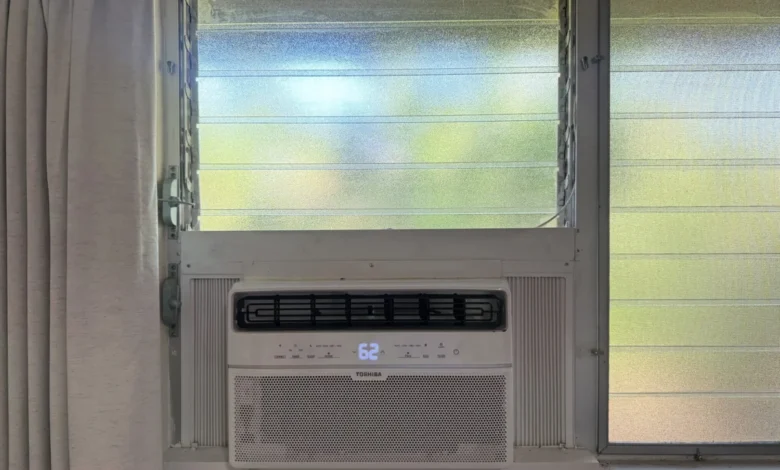
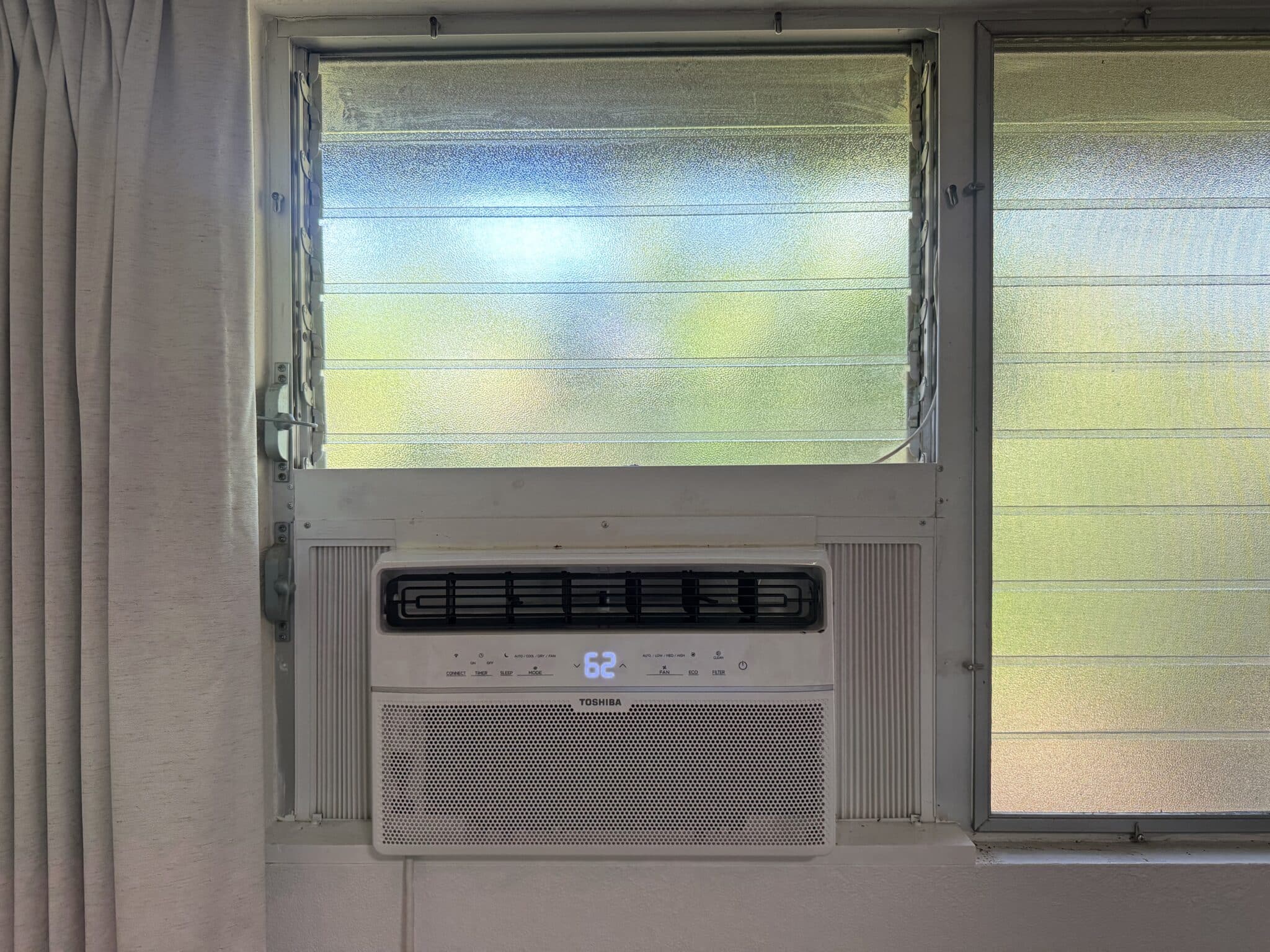
The challenges of elderly home maintenance were recently highlighted through an analysis of a residential property in Honolulu, Hawaii. The case involved a two-bedroom in-law unit where the primary cooling system was a 42-year-old through-the-wall air conditioning unit that had long since ceased to function. In a climate where summer temperatures frequently range between 83 and 90 degrees Fahrenheit with high humidity, the lack of climate control posed a direct threat to the occupants’ health.

The resolution of this issue demonstrated the low financial threshold required to mitigate such risks:
- Unit Cost: A new AC unit was procured for approximately $260.
- Labor: Professional installation required roughly four hours of labor, costing approximately $250.
- Total Investment: Under $600 to secure a habitable sleeping environment.
The investigation into the property further revealed a pattern of "adaptation to dysfunction." Occupants had adjusted to a leaking kitchen pipe that had persisted for three years, as well as a television with significant visual distortion. This suggests that for the elderly, the discomfort of a broken appliance or a deteriorating home environment often fades into "background noise," while the prospect of arranging a repair remains a daunting logistical hurdle.
The Concept of Activation Energy in Geriatric Care
Financial analysts and psychologists have identified "activation energy" as the primary obstacle to elderly home improvement. While a younger homeowner may view a car repair or a plumbing fix as a series of manageable administrative tasks, an 81-year-old may perceive the same tasks as insurmountable.
The logistical chain for a standard repair involves:
- Identifying and vetting a trustworthy service provider.
- Managing communication and scheduling.
- Supervising the physical work within the home.
- Handling financial transactions and potential disputes over billing.
For individuals facing cognitive decline or reduced physical mobility, each of these steps requires a high level of executive function. Consequently, the "default" choice is often to do nothing. This inertia results in a slow accumulation of hazards that can eventually lead to catastrophic outcomes.
Historical Chronology of Neglect: The Gene Hackman Case
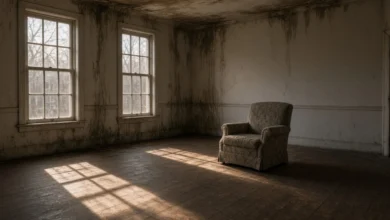
The dangers of wealth-shielded neglect were tragically illustrated in early 2025 in Santa Fe, New Mexico. Reports emerged regarding the deaths of Academy Award-winning actor Gene Hackman, 95, and his wife, Betsy Arakawa. Despite Hackman’s estimated net worth of $80 million, the couple was discovered in a home that had fallen into extreme disrepair.
Investigators found evidence of rodent infestations throughout the property. Arakawa reportedly succumbed to hantavirus pulmonary syndrome, a rare but fatal respiratory disease transmitted through contact with infected rodent droppings. Hackman, who was suffering from advanced Alzheimer’s disease, lived alongside his deceased wife for several days before his own heart failed.
This incident serves as a stark reminder that financial resources do not automatically translate into a safe living environment if the "activation energy" to hire caretakers, pest control, or cleaners is absent. It underscores a critical failure in the support systems that surround even the most affluent elderly individuals.
The Role of the "Sandwich Generation" as Intermediaries
As the global population ages, the responsibility for breaking the cycle of inertia falls increasingly on adult children—often referred to as the "sandwich generation." Experts suggest a proactive "playbook" for monitoring the safety of elderly parents:
1. Extended Observation
Brief visits often fail to reveal the true state of an elderly household. Long-term stays (four weeks or more) allow adult children to witness the daily realities of broken appliances, expired food, or failing climate control systems that parents may have "normalized."
2. Direct Intervention
The "activation energy" problem is best solved when adult children assume the logistical burden. This involves researching mechanics, scheduling appointments, and being present to facilitate repairs rather than simply providing a list of suggestions.
3. Gradual Technological Integration
Introducing conveniences such as grocery delivery services or ride-sharing apps can reduce the physical and mental toll on the elderly. However, these tools often require a period of guided instruction to overcome the initial barrier of technological unfamiliarity.

4. Consistent Communication
Establishing a regular "check-in" rhythm—ranging from daily texts to weekly video calls—serves as an early warning system for health or maintenance issues that might otherwise go unnoticed for weeks.
Economic and Societal Implications
The failure of the wealthy elderly to maintain their standards of living has broader economic implications. The "Silver Tsunami"—the aging of the Boomer generation—is expected to lead to a massive transfer of wealth over the next two decades. However, if this wealth is not utilized to maintain the physical infrastructure of elderly housing, the value of real estate assets may depreciate significantly due to long-term neglect.
Furthermore, the healthcare costs associated with preventable domestic accidents (such as falls on poorly maintained floors or heat stroke in uncooled homes) place an unnecessary burden on the medical system. A report by the CDC suggests that one out of four older adults falls each year, with many of these incidents being linked to home hazards that could have been corrected with minimal financial investment.
Conclusion: The Utility of Wealth in Late Life
The core lesson derived from these observations is that money is a tool whose utility diminishes if it is not actively deployed to mitigate risk. The "frugality" often praised in the elderly can cross the threshold into "dangerous neglect" when it prevents the removal of catastrophic risks.
Whether it is the $80 cost of adding Freon to a 28-year-old vehicle to prevent heat-related fainting or the installation of life insurance policies to protect a family’s future, the value of financial planning lies in its ability to provide "cold air" during a "heatwave." For the elderly and their families, the focus must shift from the mere accumulation of assets to the active management of the environment in which those assets are enjoyed. As evidenced by recent tragedies, the most significant risk is not the depletion of a bank account, but the depletion of the energy required to stay safe.