Mastering the Art of Professional Project Handovers: A Comprehensive Guide for Project Managers


The effective transition of project responsibilities—commonly referred to as a handover—serves as a critical operational safeguard in modern project management. Whether necessitated by a planned vacation, a medical leave of absence, or a permanent transition during a notice period, the ability to transfer complex workflows without compromising delivery milestones is a hallmark of an experienced project manager. Failure to execute a structured handover can lead to significant operational risks, including "knowledge siloing," where critical information remains inaccessible to the team, and "scope creep," which occurs when undocumented changes are introduced during an absence.
The Operational Context of Transitions
Project management theory suggests that the integrity of a project depends on the continuity of oversight. Data from the Project Management Institute (PMI) indicates that poor communication and ineffective knowledge transfer are primary drivers of project failure. When a project manager exits a role—even temporarily—the absence of a formalized handover document often leads to a productivity dip of approximately 15% to 20% during the transition phase. This phenomenon is largely attributed to the time spent by team members attempting to decipher undocumented processes, verify decision-making authority, or locate critical project artifacts.
A transition can be categorized into two distinct types: temporary and permanent. A temporary handover focuses on continuity, ensuring that daily operations remain stable until the project manager’s return. A permanent handover, conversely, involves a comprehensive knowledge transfer aimed at full operational ownership by a successor. Both require a systematic approach to mitigate the risks associated with the loss of institutional knowledge.

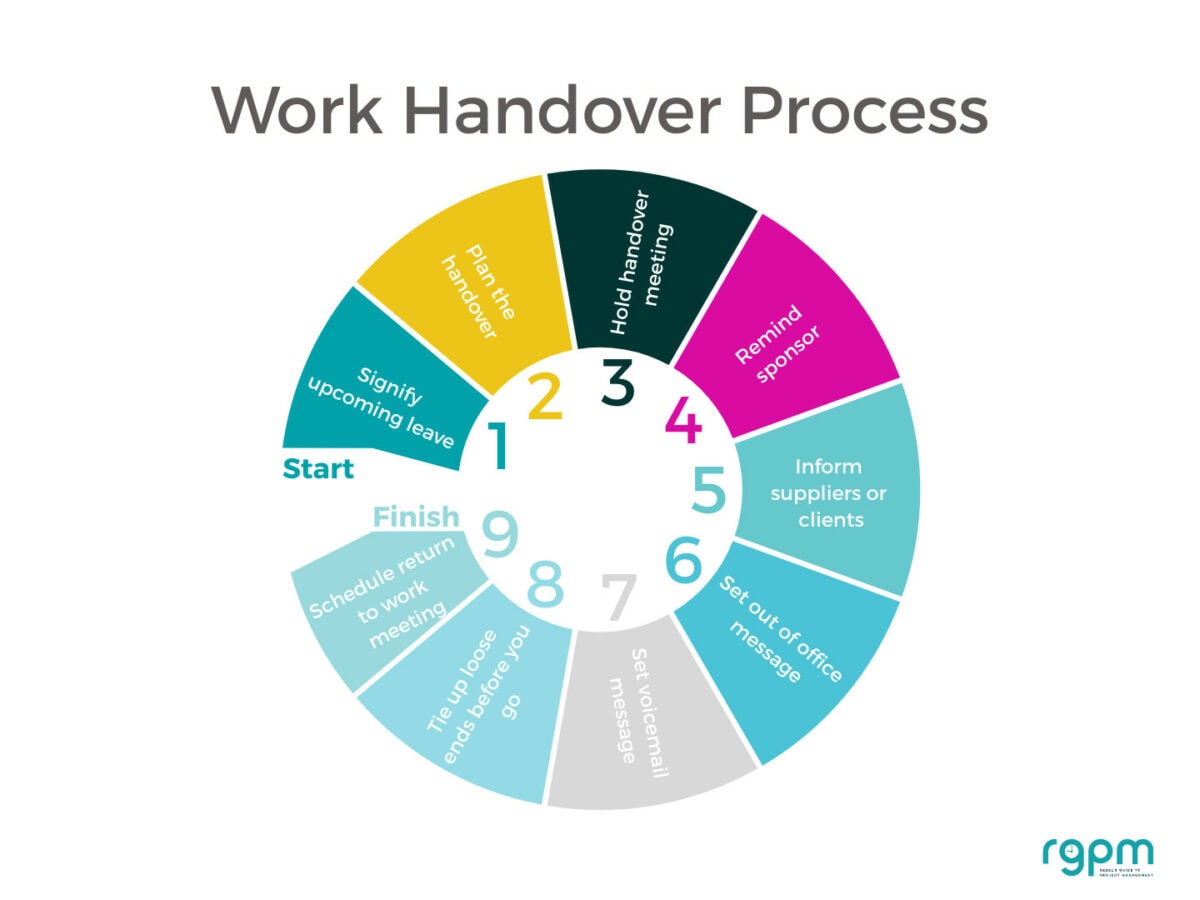
Strategic Planning: The 10-Point Framework
To ensure a seamless transition, project management professionals should adopt a rigorous framework that prioritizes transparency and accessibility.
1. Assessing the Landscape
Before initiating a handover, the outgoing manager must conduct a "while I am away" audit. This involves reviewing the project schedule, upcoming milestones, and pending approvals. This scan identifies potential bottlenecks that could arise during the absence. By mapping out these dependencies, the manager can proactively address risks before they escalate.
2. Prioritization and Triage
Not all tasks require equal attention. Effective handovers rely on a triage system:
- Urgent and Critical: Decisions and approvals that must occur within the absence window.
- Maintenance: Routine tasks that require oversight but can be handled via standard operating procedures.
- Deferrable: Non-critical analytical work or long-term planning that can be paused until the manager returns.
3. Selecting the Successor
The selection of a cover person is a strategic decision that should involve management consultation. An ideal candidate possesses the requisite technical knowledge of the project’s current status and the organizational authority to make decisions. If a single person cannot cover all responsibilities, tasks should be segmented by function, such as splitting financial approvals from stakeholder management.
4. Codifying Institutional Knowledge
Handover notes should be treated as a live document. This repository should include a summary of current project status, a list of critical stakeholders, access credentials for project management software, and a log of open issues—often managed through a RAID (Risks, Assumptions, Issues, Dependencies) log.
5. Managing Digital Presence
Digital boundaries are essential for both personal well-being and project clarity. An automated out-of-office notification should provide explicit information, including the date of return and, crucially, specific contact points for different project streams. Using vague language, such as "I will be back on Friday," is discouraged, as it fails to account for potential confusion regarding which Friday is intended.
6. The Formal Briefing Meeting
A transition meeting serves as the final sync point. During this session, the outgoing manager should discuss "judgement calls"—the qualitative insights that data cannot capture. This includes the subtle nuances of stakeholder relationships or the historical context behind a specific project risk that may not be apparent in written reports.
7. Stakeholder Communication
Proactive communication with sponsors and clients is vital to maintaining project momentum. Stakeholders should be notified of the change well in advance, with a clear introduction to the interim point of contact. This transparency prevents the uncertainty that often fuels project-related anxiety among clients.

8. Clearing the Administrative Ledger
Before departure, the project manager must resolve outstanding administrative tasks. Leaving a "mess" of unfinished status reports or disorganized inboxes creates a burden on the team, which can lead to resentment and decreased morale. A clean handover demonstrates professionalism and respect for the team’s time.
9. Planning the Re-entry
Transitioning back into a project is as critical as leaving it. A "handover back" meeting should be scheduled for the day of the return. This ensures that the returning manager is fully briefed on any developments or decisions made during their absence, allowing for a smooth resumption of duties.
10. Maintaining Professional Distance
For those on temporary leave, the final step is to disconnect. The psychological benefit of a true break is well-documented in occupational health research, where total disconnection is linked to higher long-term productivity and lower burnout rates.
Broader Implications and Institutional Impact
The systemic adoption of standardized handover protocols has profound implications for organizational maturity. When organizations treat handovers as a standard project phase—akin to initiation or closure—they build resilience. This practice reduces the "key person dependency" risk, where the success of a project is overly reliant on the continuous presence of a single individual.

Furthermore, the documentation generated during a handover serves as a valuable historical record. Over time, these documents can be analyzed to identify recurring project risks, common points of failure, and opportunities for process improvement. By codifying what is typically kept in the head of the project manager, firms transform implicit knowledge into explicit organizational assets.
Conclusion: The Professional Standard
Ultimately, a project handover is a reflection of a project manager’s organizational capability. It is not merely a task to be completed before a vacation, but a critical project management activity that ensures the longevity and stability of the project. By implementing a structured, documentation-heavy approach, professionals can ensure that their work remains robust, their teams remain supported, and their projects continue to meet their objectives, regardless of their physical presence in the office. As project environments grow increasingly complex, the ability to delegate effectively and manage transitions will remain a defining competency for leaders in the field.