Unitree might be the world’s most important robotics company and its rise signals a tectonic shift in the global automation industry.

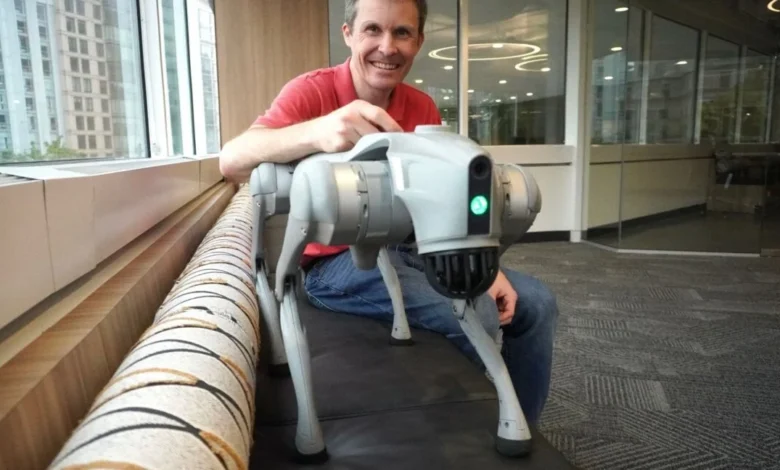
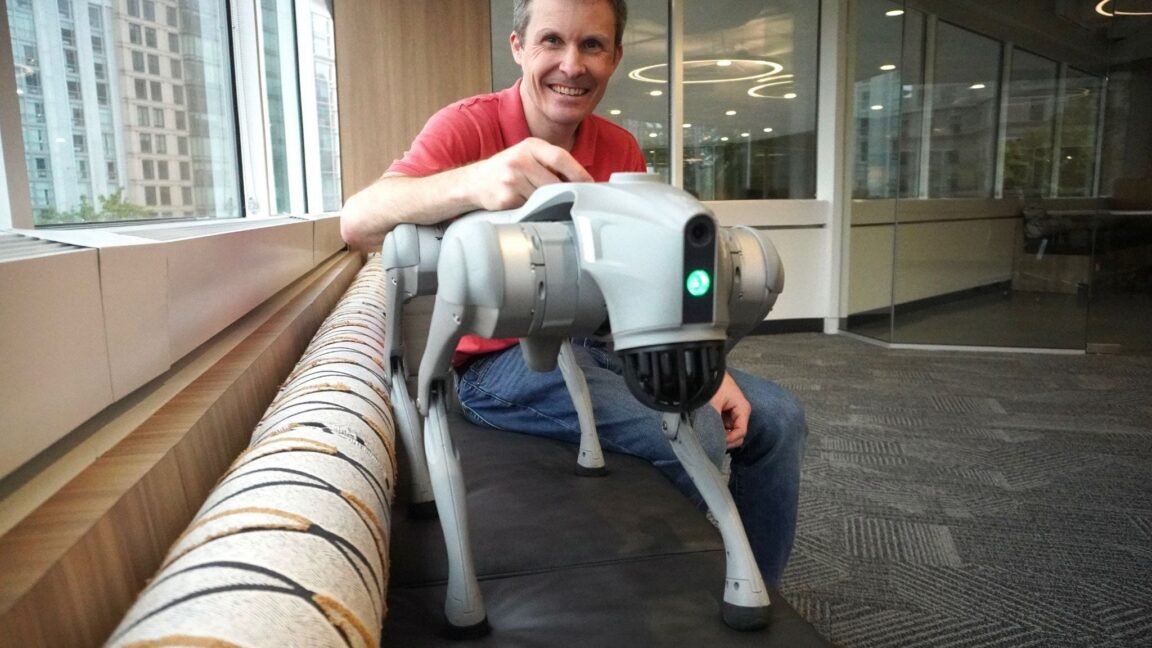
On a quiet Tuesday in June, a peculiar sight unfolded on the streets of Washington, D.C.: a four-legged robotic quadruped, roughly the size of a medium dog, navigated the sidewalks of Mount Pleasant with mechanical precision. While the scene drew bewildered stares and curiosity from pedestrians, it served as a practical field test for a device that is rapidly transitioning from a laboratory curiosity to a mass-market commodity. The robot, a Go2 Pro manufactured by the Chinese robotics firm Unitree, walked the two-mile trek to a downtown office near the White House with ease, though the return trip—a steeper, uphill climb in 87°F heat—eventually pushed the machine to its thermal and power limits.
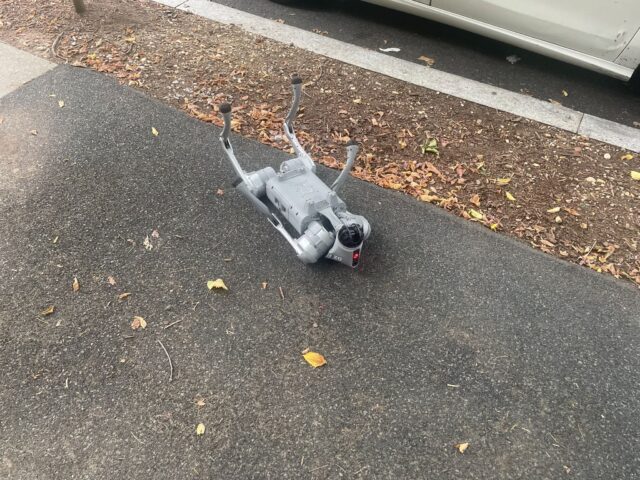
The incident, which saw the robot collapse just yards from its destination with a flashing red warning light, highlights the "rough edges" of an industry still in its infancy. Yet, the broader story is not about the failure of a single walk, but the rapid democratization of high-end robotics technology. By successfully lowering the entry cost of quadrupedal locomotion from tens of thousands of dollars to just over $4,000, Unitree has effectively upended the competitive landscape, challenging long-standing industry leaders like Boston Dynamics.
The Evolution of the Quadruped Market
For over a decade, legged robotics was the exclusive domain of elite research institutions and military contractors. Pioneering platforms like Boston Dynamics’ BigDog and WildCat utilized gasoline engines and heavy hydraulic actuators, resulting in machines that were prohibitively expensive, deafeningly loud, and environmentally impractical for civilian use. The introduction of the electric-powered Spot in 2020 marked a turning point, offering a quieter, more versatile machine, but with a price tag often exceeding $75,000, it remained inaccessible to the average consumer or small-scale academic lab.
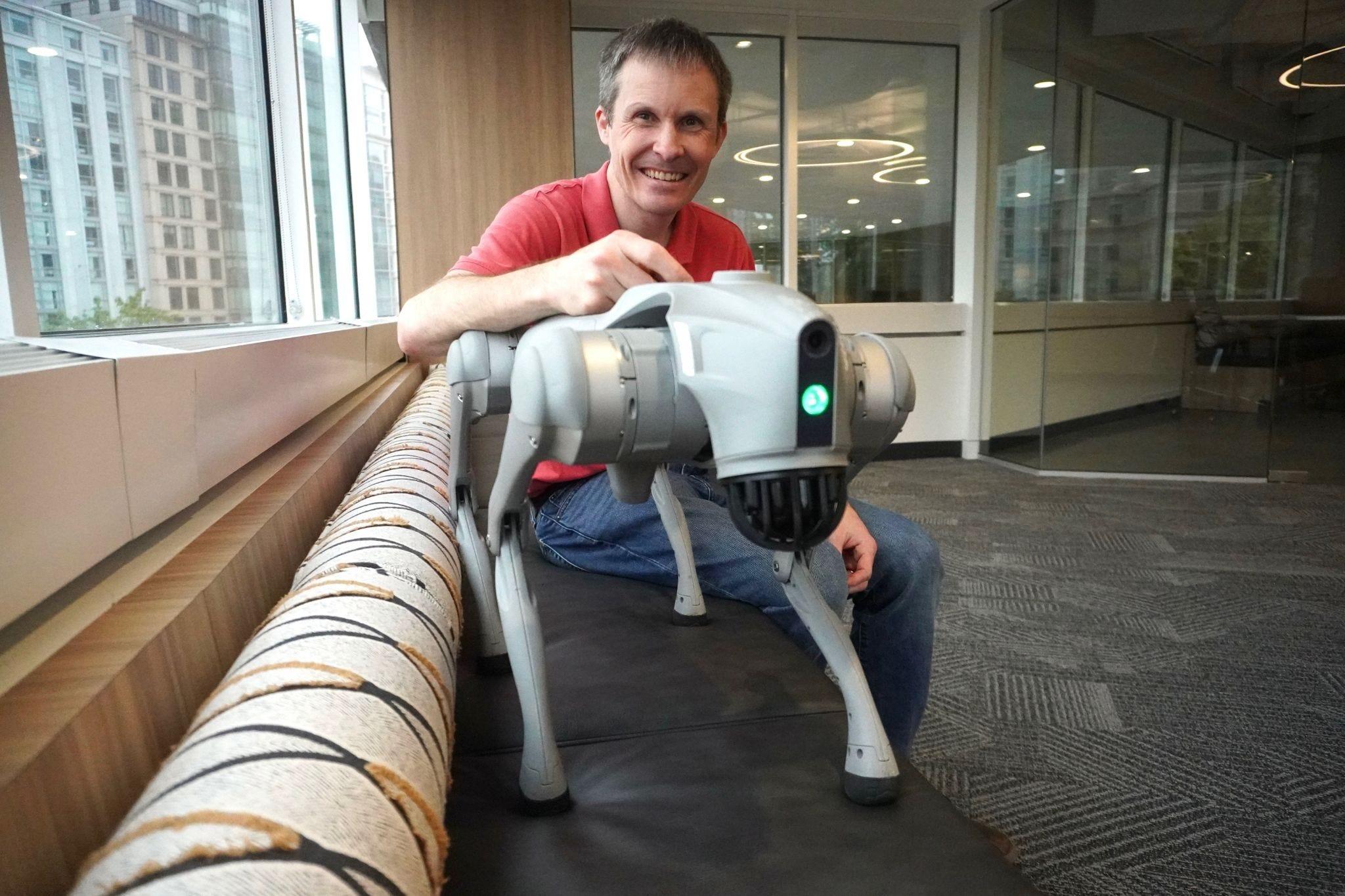
Unitree, founded in 2016 by Wang Xingxing, took a fundamentally different approach. Inspired by the foundational research of industry icons like Marc Raibert, Wang sought to strip away the complexity that kept costs high. Starting with the XDog thesis project, the company pivoted toward mass-producible electric motors and simplified gear systems. By 2021, the launch of the Go1 line at a $2,700 price point signaled the arrival of a new, aggressive pricing strategy that favored volume over premium margins.
The Engineering Strategy: Driving Down Costs
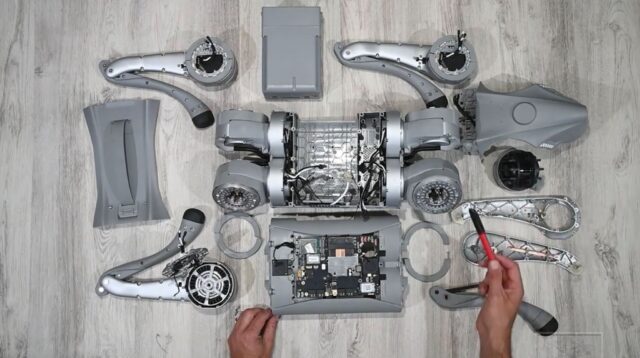
The secret to Unitree’s market dominance lies in a combination of vertical integration and strategic design choices. Analysts at Simplexity, who conducted a teardown of the Go2 Air, identified a highly optimized architecture. Instead of bespoke, high-precision industrial components, Unitree utilizes 12 identical, mass-produced motors to power the limbs. This standardization significantly reduces manufacturing complexity and inventory costs.
Furthermore, Unitree’s design philosophy eschews the high-ratio gearboxes found in industrial-grade robots. Where competitors might utilize 51:1 gear ratios for maximum precision, Unitree employs a 6.33:1 ratio. While this sacrifices some raw mechanical accuracy, it enhances "backdriveability"—the ability of the limb to yield to external physical resistance—and lowers costs. Modern control software, which can make thousands of micro-adjustments per second, allows the robot to compensate for the lower-precision hardware, a trend that is fundamentally changing how robotics engineers approach movement and balance.
From Quadrupeds to Humanoids: A Strategic Pivot
The financial performance of Unitree has been nothing short of meteoric. Following its August 19 initial public offering (IPO) on the Shanghai stock market, the company saw its valuation climb to $34 billion. This capital injection has fueled a rapid expansion into the humanoid market. Humanoid robots, which require significantly more complexity—the G1 model features 23 motors compared to the 12 found in the quadruped—represent the next frontier.

The transition has been remarkably swift. In 2025, Unitree reported that humanoid robots accounted for 51 percent of its total revenue, with sales jumping from approximately $16 million in 2024 to $129 million in 2025. By leveraging the supply chain expertise and actuator design perfected in their quadruped line, Unitree has managed to offer humanoid units starting at $13,500, a price point that has effectively created a new market category.
Regulatory Headwinds and Global Implications
As Unitree secures its position as a global leader, the company has increasingly found itself at the center of geopolitical tension. The United States, concerned about the potential for data security risks and the blurred lines between civilian and military technology in Chinese manufacturing, has begun to act. In June 2026, a bipartisan group in the U.S. House of Representatives introduced legislation aimed at restricting the import of Chinese-manufactured robots, specifically naming Unitree. This was followed by Federal Communications Commission (FCC) regulations in July that further complicated the landscape for foreign-made autonomous systems.
However, the global market remains vast. Much like the trajectory of the Chinese drone manufacturer DJI, which rose to dominate the global market by making aerial photography accessible to non-professionals, Unitree is betting that its low price point will create demand that is impossible for regulators to fully suppress. There is a palpable fear among industry observers that if the U.S. implements overly broad bans, it may inadvertently isolate itself from the rapid innovation cycle occurring elsewhere, turning the American robotics sector into a "backwater" while other nations integrate these machines into logistics, elder care, and industrial maintenance.
The Road Ahead: Potential and Pitfalls
Despite the excitement, the practical utility of these robots remains a point of contention. Critics point out that current-generation units lack the refined software necessary for complex household tasks, such as fetching items or performing delicate chores. They are, for now, primarily tools for research, entertainment, and a glimpse into a future where autonomous locomotion is ubiquitous.

The "flywheel" effect—where increased sales lead to better supply chain deals, which lead to lower costs and more sales—is well underway. Whether Unitree can maintain this momentum depends on its ability to navigate the complex regulatory environment and fend off rising domestic competition from companies like AgiBot, which has recently challenged Unitree’s lead in humanoid shipments.
For the average user, the experience remains one of wonder tempered by technical glitches. Whether the robot is performing a perfect handstand in a lab or collapsing on a suburban sidewalk, the message is clear: the era of accessible, mobile robotics has arrived. As the software matures and the hardware becomes more robust, these machines will likely evolve from novelty items into indispensable tools of the 21st century, regardless of the political borders they currently face. The rapid rise of Unitree serves as a stark reminder that in the world of high-tech manufacturing, the ability to scale and iterate is the ultimate competitive advantage.