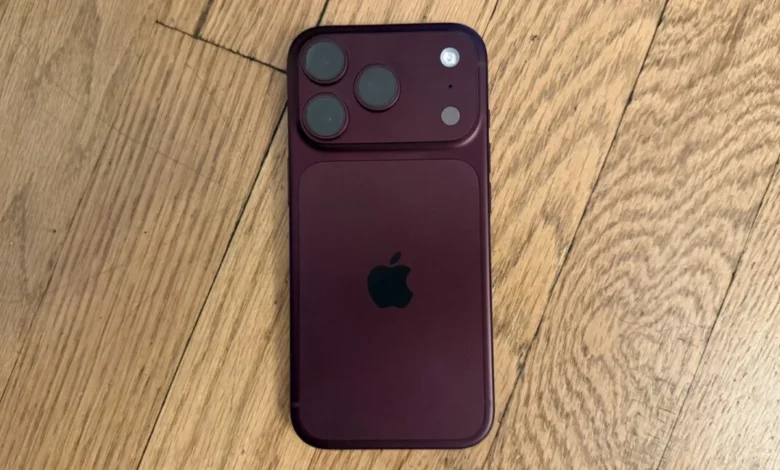
Apple’s release of the iPhone 18 Pro marks a pivotal, albeit subtle, chapter in the company’s smartphone trajectory. As the tenure of CEO Tim Cook enters its final phases, the device serves as a testament to the maturation of the smartphone market. Rather than pushing for radical, headline-grabbing design overhauls—which Apple has increasingly reserved for niche experimental lines like the iPhone Air or the newly debuted iPhone Duo—the iPhone 18 Pro functions as a refined, high-performance workhorse designed to satisfy the demands of power users and professionals.
The device arrives at a time when the broader mobile industry is pivoting away from the "annual upgrade" cycle. With hardware performance reaching a point of diminishing returns for the average consumer, Apple has shifted its engineering focus toward thermal management, battery efficiency, and granular control for content creators. While the aesthetic silhouette remains familiar, the internal architecture represents a significant step forward in hardware integration.
A Study in Thermal Engineering and Performance
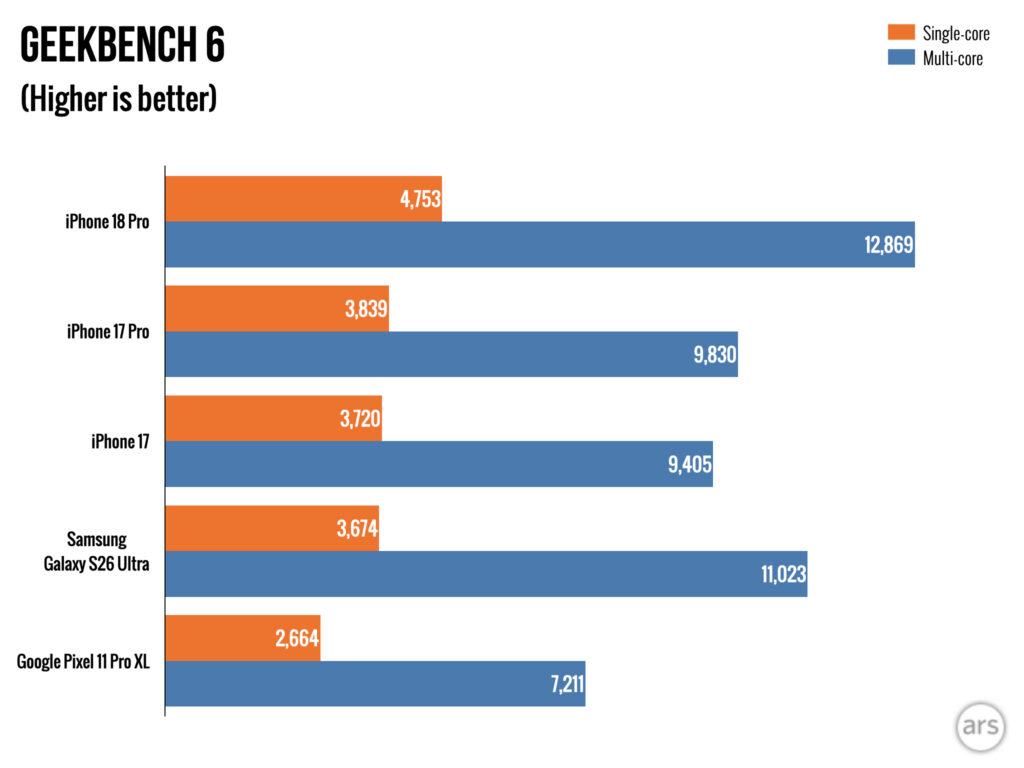
The most consequential evolution in the iPhone 18 Pro lies under the hood, specifically regarding its thermal management. The A20 Pro chip, manufactured on a cutting-edge 2-nanometer process, offers a substantial leap in transistor density and energy efficiency compared to the 3nm A19 Pro.
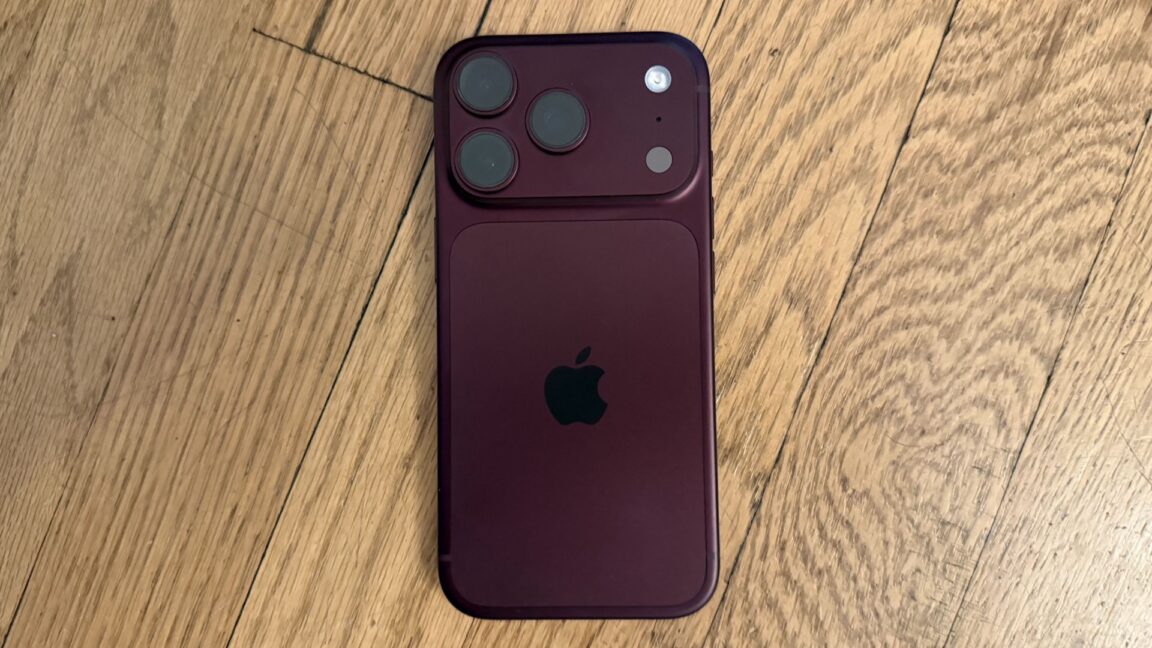
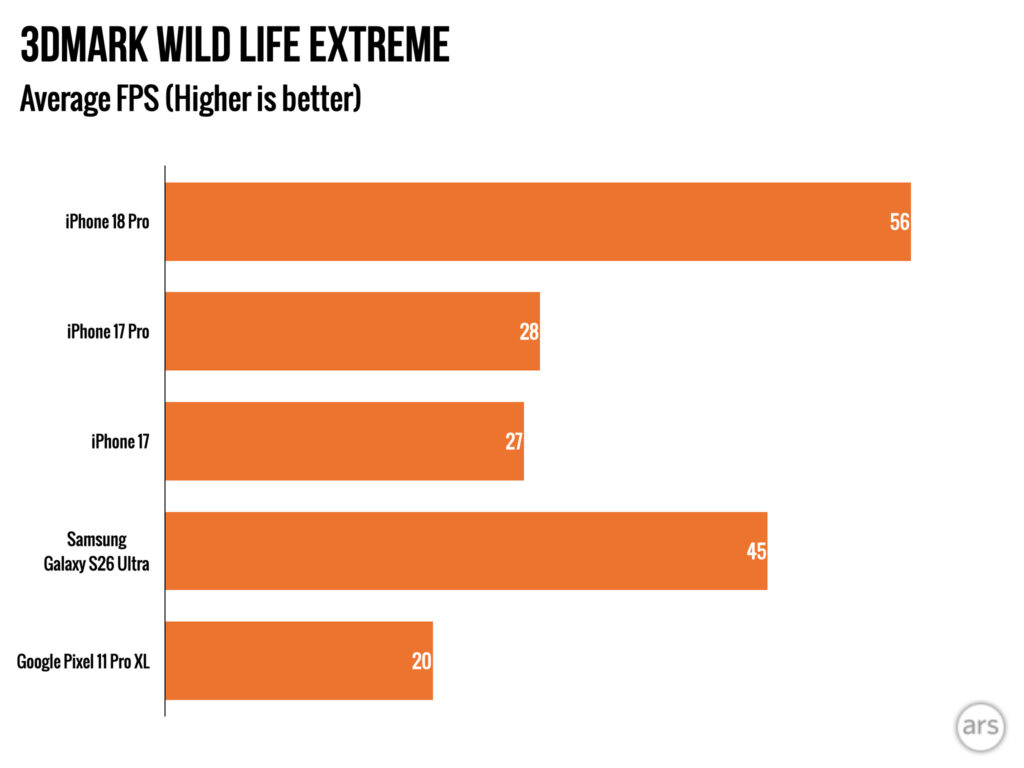
A key architectural shift involves the physical placement of the system-on-a-chip (SoC) relative to the memory modules. By moving the SoC away from the stacked configuration used in previous generations and utilizing a larger, redesigned vapor chamber, Apple has effectively mitigated the heat-throttling issues that occasionally plagued the iPhone 16 and 17 Pro series. Laboratory tests indicate a 40 percent improvement in sustained performance under heavy load, such as high-fidelity mobile gaming or intensive AI-driven image processing.
This thermal headroom is not merely a benchmark victory; it has real-world implications for device longevity and usability. By maintaining a lower internal temperature, the device prevents the "crisis management" modes that often forced previous models to dim their displays or throttle CPU speeds during navigation or extended video streaming. The integration of a copper plate beneath the display further assists in heat dissipation, ensuring that the handset remains comfortable to the touch even during prolonged periods of high-intensity tasks.
Evolution of the Dynamic Island
The external design maintains the industrial language established in recent years, featuring durable materials and a refined frame. However, a significant, albeit subtle, change is the integration of a reduced Dynamic Island. By migrating the infrared camera sensors beneath the OLED panel—positioned in the top-left corner—Apple has minimized the physical footprint of the sensor housing.
To maintain display uniformity, the pixels surrounding this sub-panel region operate at double the brightness to compensate for the lower density required for infrared light transmission. This technological achievement allows the Dynamic Island to retain its utility as a central hub for Live Activities while reclaiming screen real estate. The software has been updated to support up to three concurrent Live Activities, allowing for more nuanced data visualization without cluttering the interface.
Battery Longevity and Connectivity
The power management profile of the iPhone 18 Pro has seen a marked improvement, bolstered by the transition to the proprietary C2 cellular modem. This component is significantly more energy-efficient than the third-party Qualcomm modems utilized in previous iterations.
According to official metrics, the iPhone 18 Pro now supports up to 36 hours of offline video playback, an increase over the 33 hours provided by its predecessor. This longevity is supported by a more efficient power-delivery system, which also enables 25W wireless charging. For the average user, these incremental gains translate into a device that reliably survives a full day of heavy usage with capacity to spare, addressing a frequent point of contention for professional users who rely on their devices for mobile hotspots and constant communication.
Photographic Control and Computational Shifts
The camera system on the iPhone 18 Pro retains the triple-48 MP configuration, but the philosophy behind its operation has shifted toward user agency. A primary addition is the variable aperture, which offers a degree of manual control previously reserved for standalone mirrorless cameras. While the device handles aperture adjustments automatically to optimize exposure, the ability for users to override these settings marks a departure from the "inflexibly opinionated" computational photography that defined earlier iOS versions.
Furthermore, the introduction of "Photographic Styles 3" provides a non-destructive framework for altering the texture and tone of images. By incorporating presets that simulate specific film stocks and skin-texture rendering, Apple is attempting to bridge the gap between high-end computational processing and the aesthetic preferences of professional photographers. These adjustments are processed at the sensor level, ensuring that the image data remains high-quality while allowing for a more personalized visual signature.
Market Implications and Future Outlook
The release of the iPhone 18 Pro underscores a broader industry trend: the transition of the "Pro" moniker from a vehicle for design experimentation to a platform for absolute reliability and feature density. With the rise of specialized hardware like the iPhone Duo, the Pro line has effectively become the "kitchen sink" device—an all-encompassing tool for the user who demands the highest possible ceiling for performance and utility.
From a financial and ecological perspective, this iterative approach is a positive development. By extending the utility of the hardware and prioritizing thermal and battery health, Apple is encouraging longer replacement cycles. The data suggests that an iPhone 15 Pro, provided the battery is maintained, remains a highly competitive device in the current ecosystem.
As the industry moves toward 2027, the focus is clearly on local AI performance, powered by the dual 16-core Neural Engine and increased memory bandwidth. This hardware foundation is designed to support the next generation of iOS features, which are expected to lean heavily into on-device large language models and predictive task automation.
Conclusion
The iPhone 18 Pro does not attempt to reinvent the smartphone, nor does it seek to shock the market with radical form factors. Instead, it offers a refined, high-performance experience that addresses the specific pain points of modern users: heat, battery life, and creative control. For those currently using an iPhone 17 Pro, the upgrade may seem modest; however, for users holding onto older devices, the accumulated advancements in thermals and efficiency make the 18 Pro a compelling, long-term investment.

Ultimately, the iPhone 18 Pro represents the pinnacle of the current smartphone design language. It is a device that has reached a state of "directional perfection," where the fundamentals of connectivity, performance, and imaging are so well-established that the focus has shifted entirely to the polish and sustainability of the user experience. In the landscape of 2026, it stands as a pragmatic, sophisticated, and remarkably consistent tool for the modern professional.