The current friction stems from a long-simmering debate over whether the Smithsonian has abandoned its mandate for objective historical education in favor of progressive ideological activism. This tension reached a boiling point in July 2026, when the White House released a 162-page report accusing the museum of "ideological capture," a critique that has since triggered a series of aggressive administrative actions, congressional hearings, and the eventual resignation of Secretary Lonnie Bunch.
A Shifting Narrative: From Technological Innovation to Identity Politics
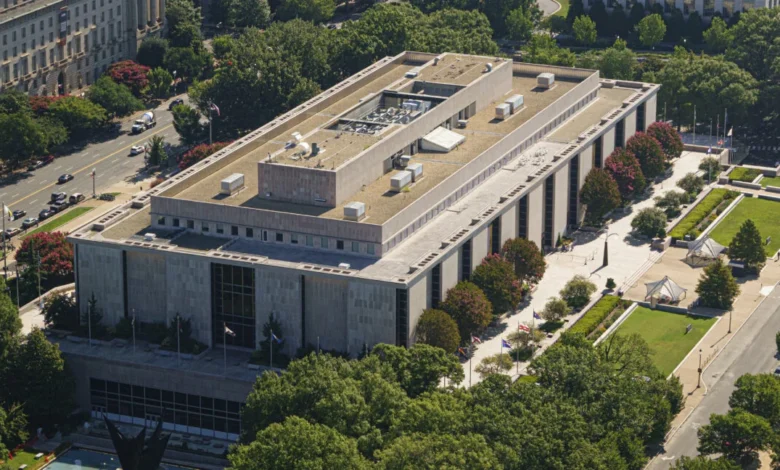
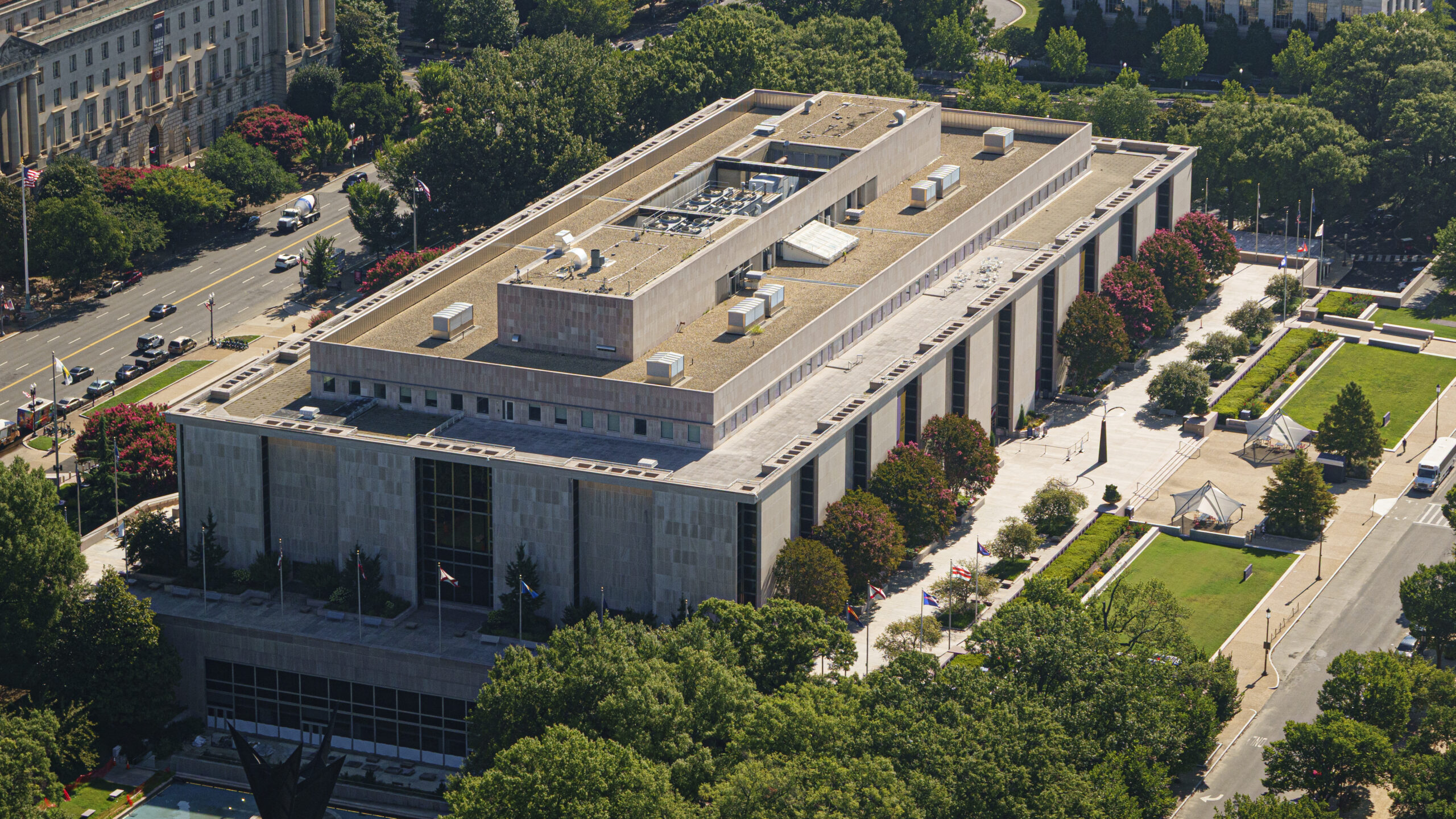
The National Museum of American History, the primary focus of the administration’s ire, has struggled for years to reconcile its dual origins. Originally opened in 1964 as the National Museum of History and Technology, the institution was initially designed to showcase American ingenuity, scientific progress, and traditional historical milestones.
As historical scholarship evolved, the museum moved away from the "great-man-of-history" approach, favoring more nuanced, thematic narratives. However, critics argue this transition lacked a coherent strategy. In 1999, commentator David Brooks characterized the museum as a "multicultural grievance" space that neglected defining national moments in favor of focusing on the oppression of specific groups. A 2002 blue-ribbon commission, led by former Republican official Richard Darman, echoed these concerns, calling for a transformation that would offer a more balanced, chronological narrative of American strengths and failings.
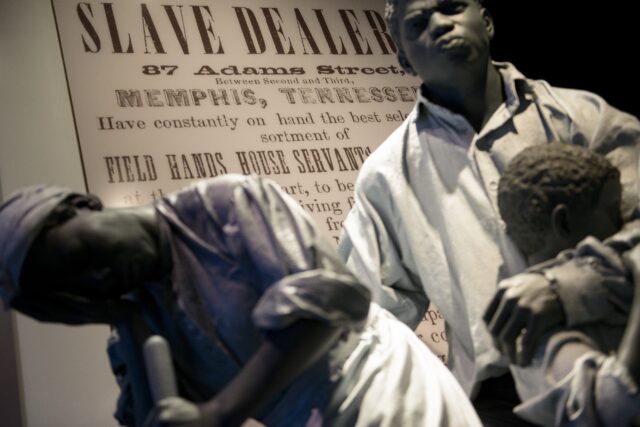
The museum’s curators, however, often prioritized material culture and specialized social history over a singular national narrative. This shift accelerated significantly during the 2020 pandemic and the subsequent national conversations surrounding the murder of George Floyd. During this period, the Smithsonian launched initiatives such as "Smithsonian Cares" and committed to integrating Diversity, Equity, Access, and Inclusion (DEAI) frameworks into its operations. While proponents viewed these changes as a necessary correction to address historical blind spots—such as the role of slavery in the lives of Founding Fathers like Benjamin Franklin—detractors saw them as a departure from the museum’s core duty.
The Escalation: Executive Orders and Congressional Oversight
The path to the current confrontation was marked by a series of escalating administrative moves. In March 2025, President Donald Trump signed an executive order labeling the Smithsonian’s approach as "divisive, race-centered ideology." This was followed by the aforementioned White House report in July 2026, which meticulously cataloged exhibits deemed controversial.
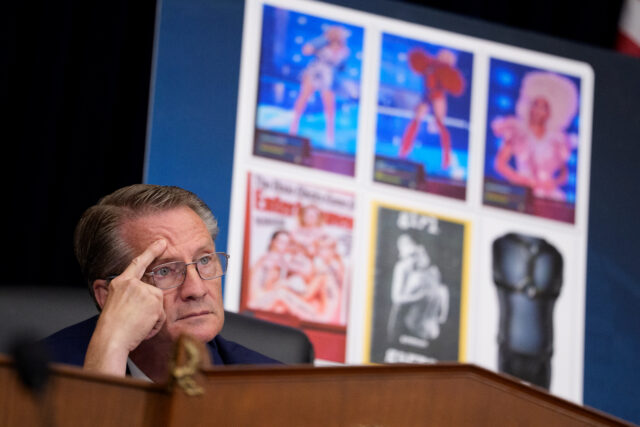
Among the items singled out were an exhibit featuring a 6-year-old’s diary entry concerning gender identity and the inclusion of a sadomasochistic harness in an exhibit regarding LGBTQ history. The report also took issue with the museum’s use of the "Museums as a Site for Social Action Toolkit," which frames traditional museum practices as being tied to "white supremacy" and "hetero-patriarchy."
The fallout from this report was immediate. In late July 2026, the House of Representatives held back-to-back hearings that featured intense questioning of museum leadership. Director Anthea Hartig was forced to defend the institution’s curatorial choices against accusations that the museum had become an engine for political activism. Republican lawmakers, including Chair Tim Burchett, utilized the hearings to highlight exhibits they deemed inappropriate for public display, while Democratic members characterized the oversight as a politically motivated attack on academic freedom, comparing the rhetoric to historical attempts at state-controlled propaganda.
Financial Vulnerability and Institutional Autonomy
The Smithsonian’s unique status as a semi-independent institution complicates its defense. While it operates under the guidance of a 17-member Board of Regents—which includes the Chief Justice of the Supreme Court, the Vice President, and several members of Congress—it is heavily dependent on federal appropriations. With the federal government providing roughly 62% of its $1 billion annual budget, the threat of deep funding cuts carries significant weight.

The pressure proved unsustainable for leadership. Lonnie Bunch, who made history as the first African American to lead the institution, announced his resignation on September 8, 2026, citing the intense stress of the ongoing political environment. His departure has left a power vacuum at the top of the Smithsonian at a time when six of the nine citizen-led seats on the Board of Regents are either vacant or expiring, granting the current administration significant influence over the future direction of the institution.
The Broader Implications for National Memory
The battle over the Smithsonian is not merely an isolated conflict between a museum and an administration; it is a fundamental disagreement over how the United States should define its own identity.
Supporters of the current administration’s intervention argue that a national museum must provide a unifying narrative that highlights the nation’s achievements and democratic ideals. They contend that the museum has drifted into a "present-day bias" that focuses disproportionately on the nation’s failures, thereby alienating a significant portion of the American public.
Conversely, historians and museum professionals argue that the role of a national museum is to facilitate a rigorous, honest, and complex engagement with the past—including the "grave sins" of slavery and systemic inequality. They warn that the current administration’s efforts to mandate "constructive" descriptions could lead to historical revisionism and the stifling of scholarly inquiry.
As the Smithsonian prepares for the 250th anniversary of the Declaration of Independence, the institution finds itself at a crossroads. The challenge for the next generation of leadership will be to determine whether it is possible to synthesize these competing visions into a narrative that is both intellectually rigorous and broadly representative of the American experience.
Timeline of the Conflict
- 1964: National Museum of History and Technology opens, focusing on technological and social progress.
- 1980: Renamed the National Museum of American History; internal debates regarding narrative cohesion begin.
- 2002: Blue-ribbon commission calls for a "transformation" to achieve greater thematic and chronological balance.
- 2020–2021: Smithsonian shifts strategic priorities toward DEAI following national social justice protests.
- March 2025: President Trump signs an executive order declaring the Smithsonian has succumbed to "divisive" ideology.
- July 2026: White House releases a 162-page report criticizing "ideological capture" within the museum.
- July 2026: House committees conduct hearings, interrogating leadership over specific exhibits and staff training materials.
- September 2026: Smithsonian Secretary Lonnie Bunch announces his resignation.
The outcome of this conflict remains uncertain, but its impact is already being felt across Washington. As the institution navigates this period of instability, the Smithsonian’s ability to remain the guardian of American history will depend on its capacity to withstand political pressure while maintaining the public trust that has defined its existence for over a century. The question remains: can the Smithsonian remain a place for "critical conversations," or will the current political climate force a permanent shift toward a more curated, consensus-driven version of the American story? The answer will likely define the cultural landscape of the United States for years to come.