F-Droid 2.0 Marks a Decisive Evolution for Open Source Software Distribution on Android

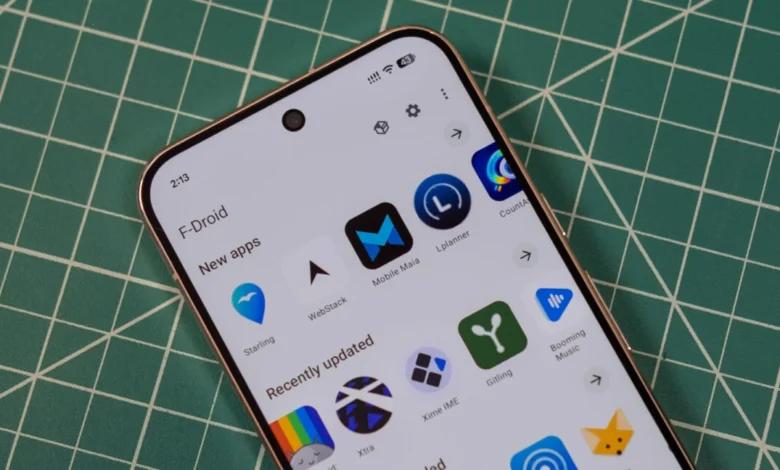
Virtually every Android device comes with the Google Play Store preloaded, positioning it as the de facto gateway for mobile applications. However, the ecosystem has long maintained a secondary pillar for power users, privacy advocates, and developers: F-Droid. After a decade of relative stagnation in its client interface, the community-driven repository has officially launched F-Droid 2.0, a comprehensive overhaul that seeks to modernize the open-source software (OSS) distribution experience. This transition, which follows a multiyear development cycle, represents more than just a visual refresh; it signals a tactical shift in how independent developers and users navigate the increasingly restricted landscape of mobile sideloading.
A Decade of Stability and the Need for Modernization
The F-Droid project was founded in 2010 to provide a platform for free and open-source Android software. For over ten years, the client application remained functional but increasingly archaic, clinging to an interface design that predated modern Android design languages like Material Design 3. While the repository grew to host thousands of high-quality applications—ranging from privacy-focused browsers to specialized networking tools—the "front end" remained a point of friction for new users.
The stagnation was not a result of inactivity but rather a reflection of the project’s grassroots nature. Unlike commercial app stores backed by multi-billion dollar corporations, F-Droid relies on volunteer contributors and community funding. The decision to rewrite the client from scratch in Kotlin Compose—Google’s modern toolkit for building native Android UIs—was a significant undertaking. This transition ensures that the app is now future-proof, responsive, and capable of integrating with the system-level aesthetics that users expect from a 2025-era mobile operating system.
Redesigning the User Experience: Kotlin Compose and Material Theming
The most immediate change for returning users is the aesthetic and functional overhaul. By adopting Kotlin Compose, the F-Droid team has significantly improved the application’s responsiveness. The UI is no longer a static list of packages; it is a dynamic, fluid environment that supports Android’s system-wide Material theming.
The interface has been stripped of unnecessary clutter. By moving secondary features into intuitive overflow menus, the developers have prioritized the primary user journeys: discovery and installation. This focus on "getting out of the way" is central to the project’s philosophy. Unlike the Google Play Store, which employs extensive telemetry to track user behavior for ad targeting and algorithmic suggestions, F-Droid 2.0 maintains a strict no-tracking policy. The app is designed to provide information without the intrusive feedback loops that define commercial marketplaces.
Enhancing Discovery and Granular Categorization
One of the historical weaknesses of F-Droid was the difficulty of navigating its repository as it scaled. As the library expanded to include thousands of applications, the flat category structure became insufficient. F-Droid 2.0 introduces a hierarchical categorization system that addresses this issue.
Users can now drill down into highly specialized niches, such as hardened firewalls, encrypted password managers, and decentralized VPN clients. These categories are accessible directly from the search tab, which has also received a functional upgrade. The search engine now performs semantic analysis on app descriptions rather than relying solely on title-based indexing. This change is critical for a community-driven repository where naming conventions can vary widely; users can now find relevant software by describing the functionality they require, mirroring the more advanced search capabilities of mainstream platforms.
The Sideloading Tug-of-War: Google and the Installation API
The launch of F-Droid 2.0 arrives at a pivotal moment in the history of Android software distribution. For years, Google has implemented increasingly complex security hurdles for applications installed outside of the Play Store. These measures, often branded as security protections, have been criticized by developers and digital rights organizations as a means of cementing the Play Store’s monopoly.
The upcoming developer verification system from Google is widely viewed as the next step in this tightening of control. In this context, F-Droid’s implementation of the Google pre-approval API is a pragmatic compromise. Historically, installing an app from F-Droid required a multi-step manual process: downloading the APK, granting "Install Unknown Apps" permission to the F-Droid client, and confirming the installation through a system pop-up.
With version 2.0, F-Droid utilizes the Android system’s native installation APIs more effectively. While it does not bypass the necessary security checks—which remain a fundamental part of the Android operating system’s security model—it streamlines the process. Users can now initiate the install directly within the F-Droid client, which triggers a system-level verification prompt. This "one-tap" verification reduces the friction that often deterred casual users from utilizing open-source software, effectively lowering the barrier to entry while remaining compliant with current system security standards.
Implications for the Android Ecosystem
The broader impact of this update extends beyond a mere software release. As regulatory bodies in the European Union and elsewhere continue to scrutinize the closed nature of mobile app stores, F-Droid serves as a proof-of-concept for a decentralized, user-centric distribution model.
Data from the project indicates that while the Play Store remains the dominant force, the demand for F-Droid has grown steadily among privacy-conscious demographics. The total number of downloads facilitated by the platform has seen a consistent upward trajectory, even as Google has made the process of sideloading more difficult. This suggests that there is a significant, if quiet, segment of the user base that prioritizes software freedom and transparency over the convenience of a curated, ad-supported marketplace.
The Role of Advocacy and Open Standards
The F-Droid team has been vocal regarding the "crackdown" on sideloading. In recent months, they have joined other advocacy groups in calling for regulatory intervention, arguing that the operating system should remain an open platform. The release of version 2.0 is, in many ways, an act of defiance through improvement. By making the experience of using an alternative store seamless, the project is demonstrating that the "security risks" cited by large corporations do not necessitate the total elimination of independent distribution channels.
Furthermore, the shift to Kotlin Compose and modern architectural standards means that F-Droid is now easier to maintain for future contributors. By standardizing the codebase, the team hopes to lower the barrier to entry for new developers who wish to contribute to the repository. This is vital for the long-term viability of the project; a more accessible codebase encourages faster bug fixes, quicker implementation of new Android features, and a more robust development cycle.
Conclusion: A New Chapter for Open Source
The transition to F-Droid 2.0 is a milestone in the history of Android development. It proves that a platform built entirely on volunteer labor and community trust can adapt to the rigorous demands of modern software standards. As Google continues to tighten its grip on the Android ecosystem, platforms like F-Droid provide a necessary alternative that ensures users retain control over the software running on their devices.
While the new interface and the improved installation flow are the headlines of this update, the true significance lies in the project’s resilience. In an era where mobile platforms are increasingly becoming "walled gardens," F-Droid remains committed to the principle that users should have the freedom to choose, vet, and install the software they trust. Whether this release will shift the balance of power in the mobile market remains to be seen, but for those who value privacy, security, and open standards, F-Droid 2.0 is a welcome and necessary evolution. As the industry looks toward the next generation of mobile operating systems, the success of this project will likely serve as a blueprint for how independent software communities can continue to thrive in an increasingly consolidated digital landscape.