Best Back-to-School Gaming Laptops for 2025: Balancing High Performance and Academic Versatility

The annual back-to-school season has long served as a primary catalyst for the consumer electronics market, but 2025 marks a significant shift in how students approach hardware procurement. As the boundaries between high-end gaming and professional-grade productivity continue to blur, the modern student no longer views a laptop as a singular-purpose tool. Instead, the demand has shifted toward "hybrid-utility" machines: devices capable of delivering triple-digit frame rates in competitive gaming while simultaneously managing the rigorous computational loads of modern curricula, such as AI model training, 4K video rendering, and complex architectural CAD work.
Industry analysts note that the 2025 hardware cycle is particularly significant due to the integration of next-generation graphics architectures and the standardization of high-bandwidth memory. For students entering the new semester, the challenge lies in identifying hardware that offers longevity through a four-year degree while maintaining a portable form factor suitable for lecture halls. The following five machines represent the current pinnacle of this balance, categorized by their specific strengths in the academic and gaming spheres.
The Entry-Level Premium: Alienware 16 Aurora
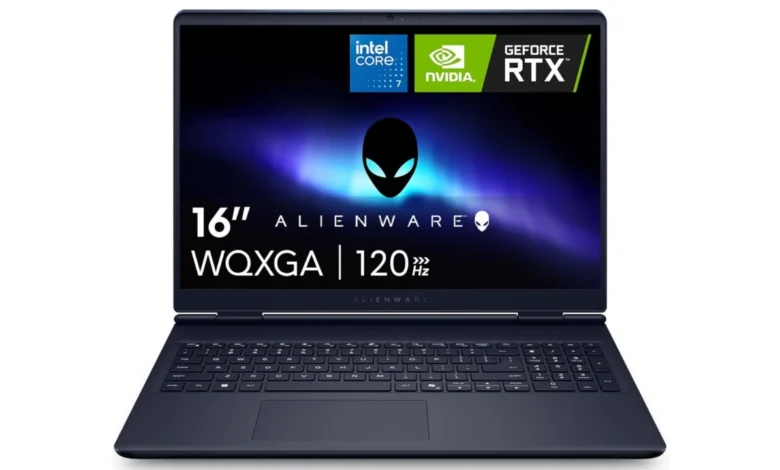
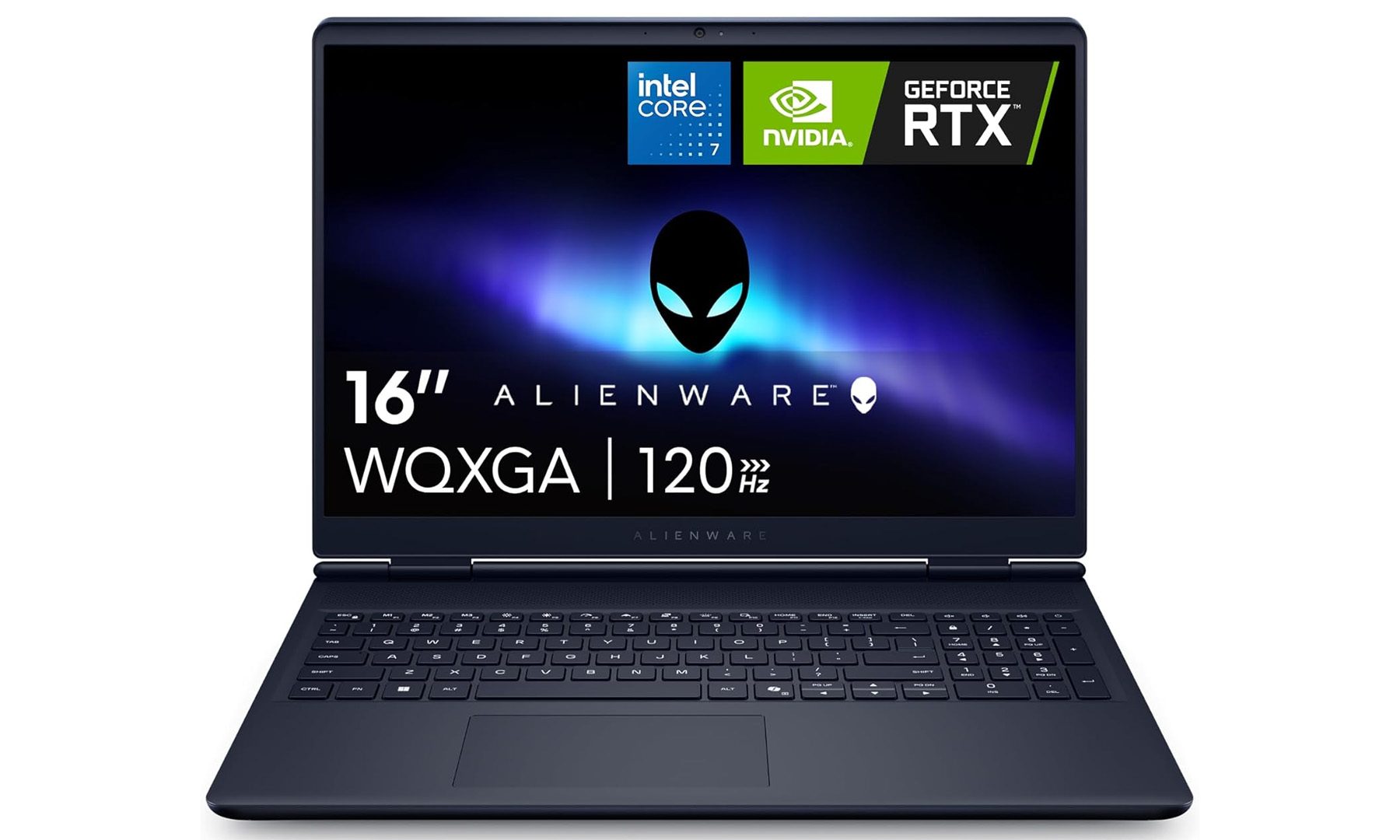
The Alienware 16 Aurora enters the 2025 market as a strategic pivot for Dell’s premium gaming brand. Traditionally associated with "enthusiast-only" pricing, the Aurora series has been refined to offer the brand’s signature build quality at a price point more accessible to the average undergraduate. This model is specifically engineered for the student who requires the reliability of a tier-one manufacturer without the excessive "gamer" aesthetics that might feel out of place in a professional internship setting.

The technical specifications for the 2025 base model include the Intel Core 7 240H processor and the NVIDIA GeForce RTX 5050 Laptop GPU. While the 50-series "50" tier was previously viewed as a budget compromise, the new Blackwell architecture provides a significant leap in efficiency and DLSS 4.0 support, making it more than capable of handling modern multiplayer titles at high settings. The inclusion of a 16-inch WQXGA display with a 120Hz refresh rate ensures that the user experience remains fluid during both high-intensity gaming and standard productivity tasks.
Furthermore, the 1TB SSD provides a necessary buffer for the increasing file sizes of both modern games and creative project assets. For the student who prioritizes a balance of brand prestige and functional utility, the Alienware 16 Aurora serves as a robust entry point into the high-performance ecosystem.
Desktop-Class Performance in a Mobile Chassis: MSI Katana 15 HX
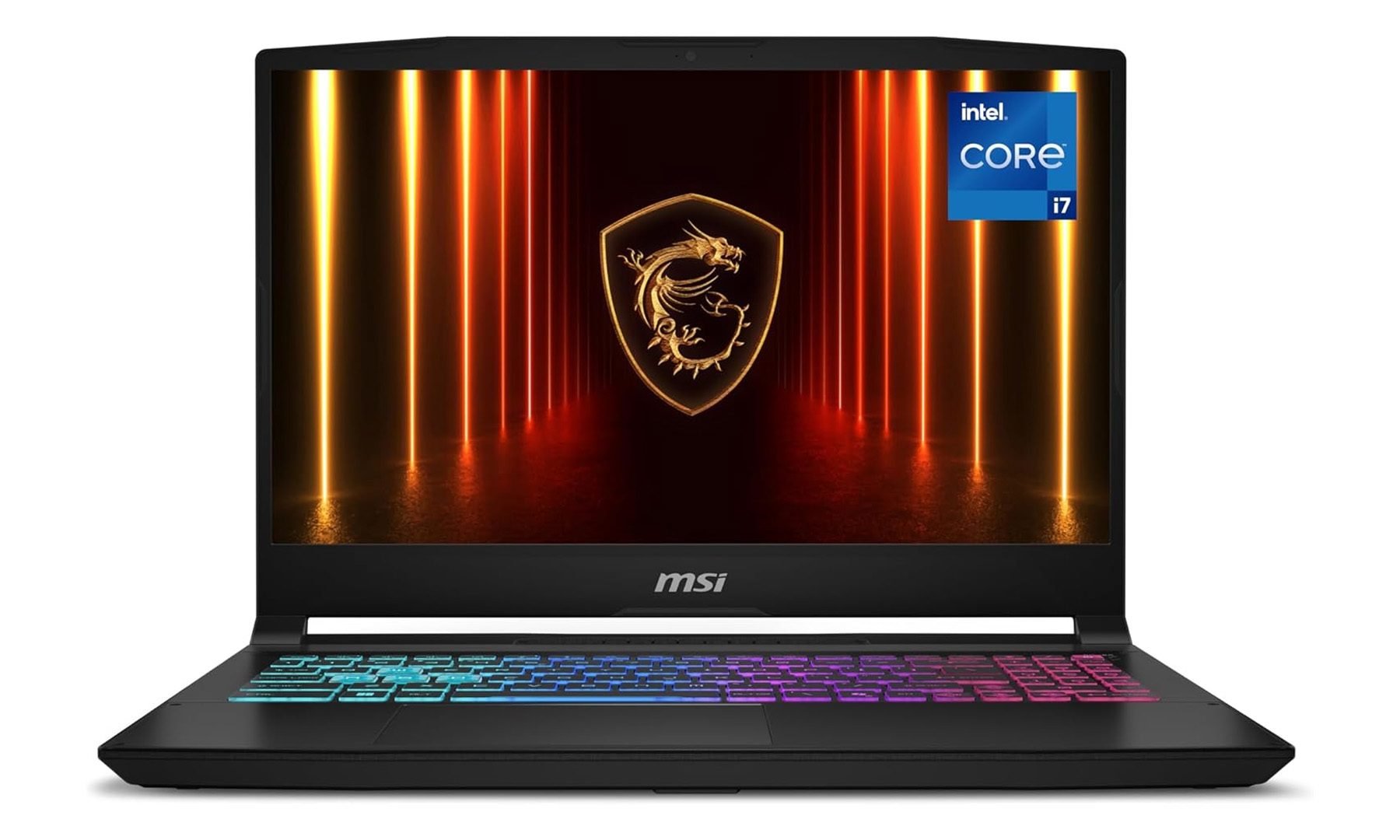
While many manufacturers are chasing the "thin-and-light" trend, the MSI Katana 15 HX remains unapologetically focused on raw performance and thermal headroom. This machine is designed for the student whose dormitory essentially serves as a permanent battle station. The "HX" designation signifies that the processor is derived from desktop-class silicon, offering higher power limits and more cores than standard mobile chips.
Equipped with the Intel Core i7-14650HX and the NVIDIA GeForce RTX 5060, the Katana 15 HX is built to sustain high workloads over extended periods. This makes it an ideal candidate for students enrolled in STEM fields—particularly those working with Unreal Engine development, Blender 3D modeling, or large-scale data simulations. The 15.6-inch QHD display, featuring a 165Hz refresh rate, caters specifically to the competitive esports demographic, where frame-to-frame latency can dictate the outcome of a match.
MSI’s focus here is on the "fundamentals." While the chassis utilizes more polycarbonate than some of its metal-clad competitors, the internal cooling solution—comprising six heat pipes and dual fans—ensures that the hardware does not thermal throttle during a late-night gaming session or a final project render.
The Multi-Tasking Specialist: Acer Nitro V 16S AI
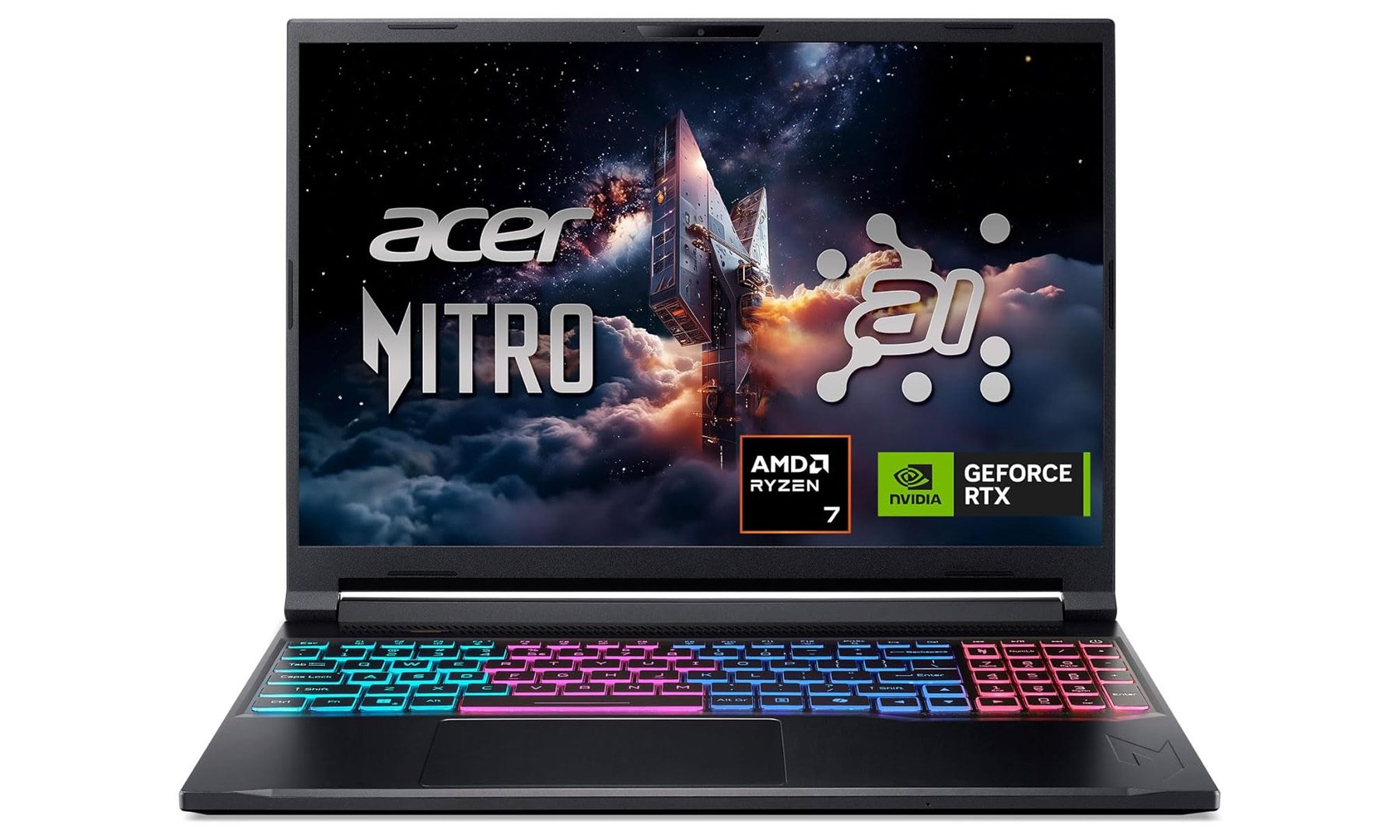
The Acer Nitro series has historically been the "value king" of the gaming world, but the 2025 Nitro V 16S AI introduces a sophisticated edge aimed at the modern "AI-native" student. The standout feature of this configuration is the 32GB of DDR5 memory. In an era where web browsers and creative suites are increasingly memory-intensive, 32GB has transitioned from a luxury to a necessity for power users.
Powering this machine is the AMD Ryzen 7 260 processor, which utilizes AMD’s latest "Zen 5" architecture. AMD’s focus on power efficiency makes this laptop particularly well-suited for students who spend long hours in libraries or cafes without consistent access to a power outlet. The pairing with an RTX 5060 ensures capable gaming performance, but the real value lies in the 180Hz WUXGA IPS display. This high refresh rate, combined with the extra RAM, allows for a seamless experience when switching between dozens of browser tabs, virtual machines, and a background game of Valorant or Counter-Strike 2.
The "AI" branding on this model refers to the dedicated NPU (Neural Processing Unit) within the Ryzen chip, which assists with Windows Copilot tasks, background noise cancellation during Zoom calls, and local AI image generation, making it a forward-looking investment for the 2025-2029 academic cycle.
The Creative Powerhouse: ASUS ROG Strix G16 (2025)
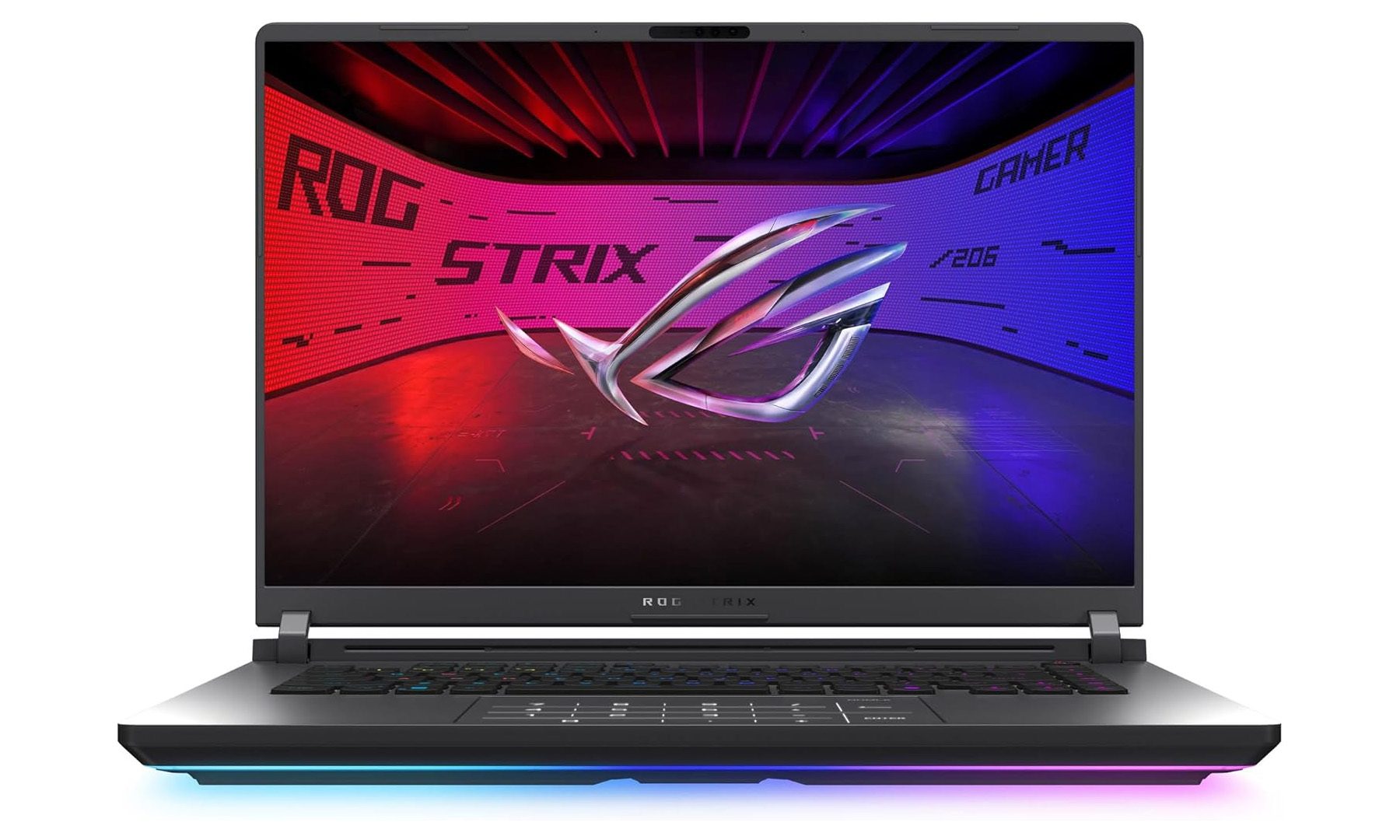
For students who refuse to compromise between aesthetics, screen quality, and raw power, the ASUS ROG Strix G16 remains the gold standard. The 2025 iteration leverages the Intel Core Ultra 9 275HX, a chip that utilizes "Meteor Lake" architecture refinements to provide massive multi-threaded performance. When paired with the RTX 5070 Ti, the G16 enters the realm of "desktop replacement" territory.
However, the centerpiece of this machine is the ROG Nebula Display. Featuring a 2.5K resolution and a 240Hz refresh rate, this panel offers 100% DCI-P3 color gamut coverage. This specification is critical for students in film school, graphic design, or photography, where color accuracy is just as important as frame rates. The 16:10 aspect ratio provides extra vertical screen real estate, which is highly beneficial for coding and document editing.
ASUS has also integrated its Tri-Fan technology and full-width heatsink, allowing the G16 to push more wattage to the GPU than most 16-inch laptops. For the student who wants one machine that can dominate a tournament and produce a professional-grade short film, the Strix G16 is the most versatile premium option on the market.
The Ultimate Academic Flagship: Lenovo Legion Pro 7i Gen 10
The Lenovo Legion Pro 7i Gen 10 is positioned at the top of the hierarchy, designed for the student who requires a workstation-grade experience. While the price point is high, the specifications are arguably "future-proofed" for the next five to six years. Featuring the Intel Core Ultra 9 275HX and the high-tier NVIDIA RTX 5080, this laptop is capable of running any modern title at maximum settings with ease.
What sets the Legion Pro 7i apart is its massive 64GB of RAM and 2TB of Gen 4 SSD storage. These specs are typically reserved for professional data scientists and 3D animators. In an academic context, this machine is the perfect tool for graduate students involved in AI research, large-scale software engineering, or complex mechanical engineering simulations. The 16-inch WQXGA OLED display is another highlight, offering a 240Hz refresh rate and a peak brightness of 500 nits, ensuring visibility even in brightly lit lecture halls.
The Legion’s "Coldfront 5.0" cooling system utilizes a massive vapor chamber, allowing the RTX 5080 to operate at its maximum TGP (Total Graphics Power) without excessive noise—a crucial factor for use in quiet study environments.
Technical Context and Market Trends
The 2025 back-to-school season is defined by three major technological shifts. First is the transition to the NVIDIA RTX 50-series (Blackwell). This architecture emphasizes AI-driven frame generation and improved power-per-watt metrics, which is vital for laptop longevity. Second is the standard adoption of 16:10 aspect ratio displays, moving away from the traditional 16:9 to offer more vertical space for productivity.
Third is the "AI PC" movement. Manufacturers are now including dedicated hardware to handle local AI tasks. For students, this means faster photo editing in Adobe Lightroom, more efficient video exports in Premiere Pro, and the ability to run local LLMs (Large Language Models) for research without relying on cloud services.
Broader Impact and Academic Implications
The shift toward high-performance gaming laptops in education reflects a broader change in the digital economy. Universities are increasingly integrating high-compute tasks into non-technical degrees. A marketing student may now be required to edit high-definition video, while a biology student might use GPU-accelerated software for protein folding simulations.
By investing in a gaming-grade laptop, students are essentially purchasing a versatile workstation. While the initial cost of these machines—ranging from $1,200 to over $3,500—is higher than a standard ultraportable, the "cost-per-year" is often lower due to the hardware’s ability to remain relevant as software requirements evolve. As we move into the 2025 academic year, the "gaming laptop" has officially shed its niche status to become the primary tool for the modern, high-achieving student.