Samsung Galaxy Z Flip 8 Rumors Specifications Release Date and Everything We Know So Far

The landscape of the foldable smartphone market is preparing for a significant shift as Samsung approaches its anticipated summer 2026 Galaxy Unpacked event. While the premium Galaxy Z Fold 8 and the rumored Galaxy Z Fold 8 Ultra are expected to push the boundaries of display technology and camera hardware, the Galaxy Z Flip 8 appears to be navigating a more complex path. Current leaks and industry reports suggest that Samsung’s next-generation clamshell foldable may face a challenging reception due to a combination of stagnant hardware specifications and an impending price increase driven by global economic factors. As the successor to the well-received Galaxy Z Flip 7, the Flip 8 must balance consumer expectations for innovation against the rising costs of semiconductor components and a saturated mobile market.

The Economic Context: The Global Memory Crisis and Pricing Shifts
One of the most significant hurdles facing the Galaxy Z Flip 8 is the ongoing volatility in the global memory market. Industry analysts have noted that the "memory crisis"—characterized by fluctuating costs for DRAM and NAND flash storage—has begun to impact the bill of materials for major smartphone manufacturers. For Samsung, which is both a consumer and a primary producer of these components, the situation creates a difficult choice between absorbing costs or passing them on to the consumer.
Reports from reliable sources, including WinFuture, indicate that European pricing for the Galaxy Z Flip 8 could see a notable jump. The base 256GB model is rumored to start at €1,299, while the 512GB variant could reach €1,499. This represents a price hike of approximately €100 to €180 compared to the Galaxy Z Flip 7 launch prices. In the United States, similar adjustments are expected, with the 256GB model potentially landing at a starting price of $1,199. To mitigate the impact of these increases, Samsung is expected to continue its tradition of offering "free storage upgrades" during the pre-order window, a strategy designed to maintain early sales momentum despite the higher MSRP.
Technical Specifications: A Closer Look at the Internal Hardware
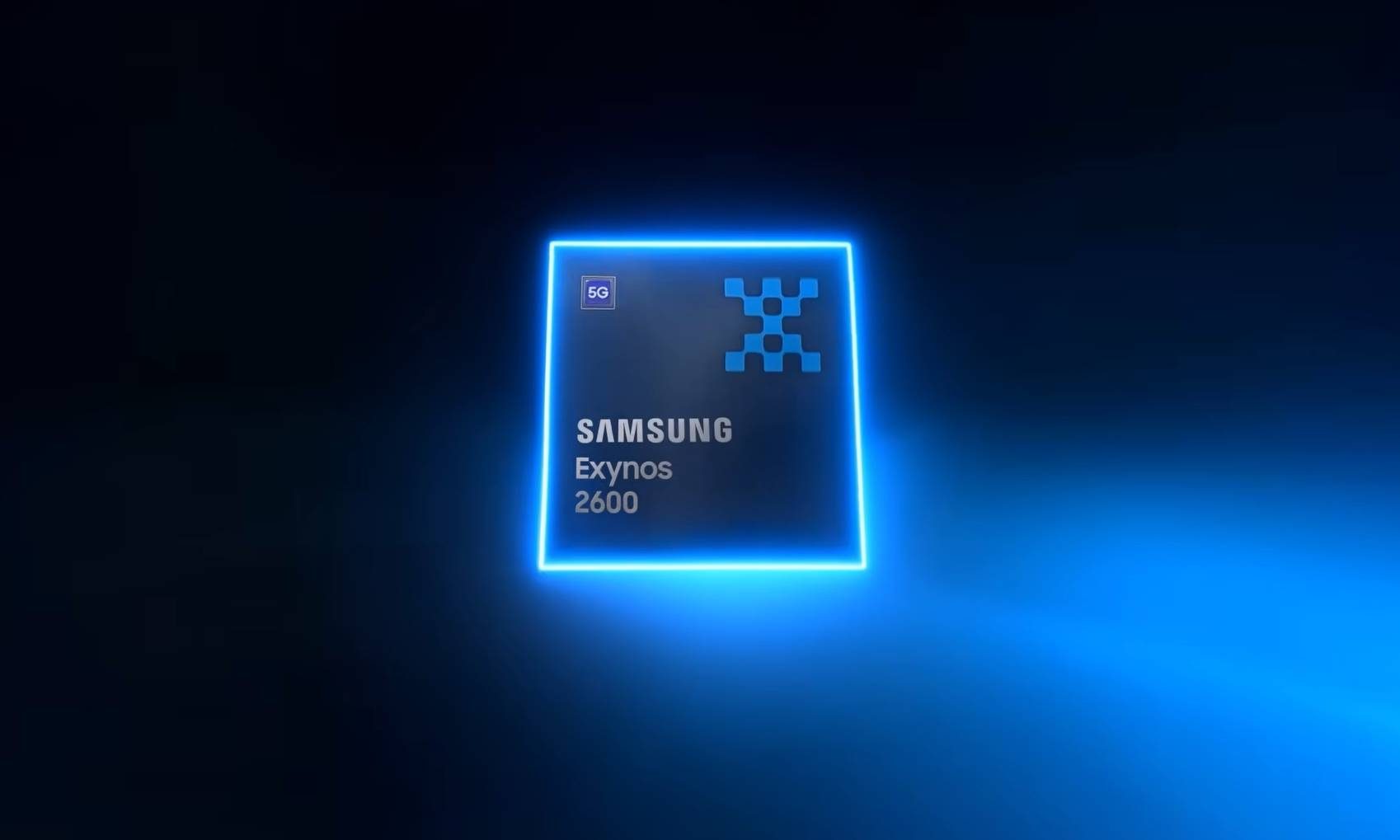
The most controversial rumor surrounding the Galaxy Z Flip 8 involves its internal processing power. While the larger Galaxy Z Fold 8 models are expected to utilize the Qualcomm Snapdragon 8 Elite Gen 5 for Galaxy chipset globally, the Flip 8 may transition to Samsung’s in-house Exynos 2600. This 10-core chipset, built on a cutting-edge 3nm process, is rumored to feature clock speeds of up to 3.8GHz.
While the Exynos 2600 represents a generational leap over the Exynos 2500, the decision to move away from Snapdragon in the Flip line has historically drawn criticism from power users. Early benchmarks and real-world testing of the Exynos 2600 in early 2026 flagship devices indicated strong peak performance and improved on-device AI capabilities. However, concerns remain regarding thermal management and sustained performance under heavy workloads—factors that are particularly critical in the cramped, thermally constrained chassis of a flip-style foldable. To complement the new chip, Samsung is expected to standardize 12GB of LPDDR5X RAM across all storage tiers, ensuring the device can handle the increasing demands of multitasking and generative AI features.
Display and Design: Iteration Over Innovation
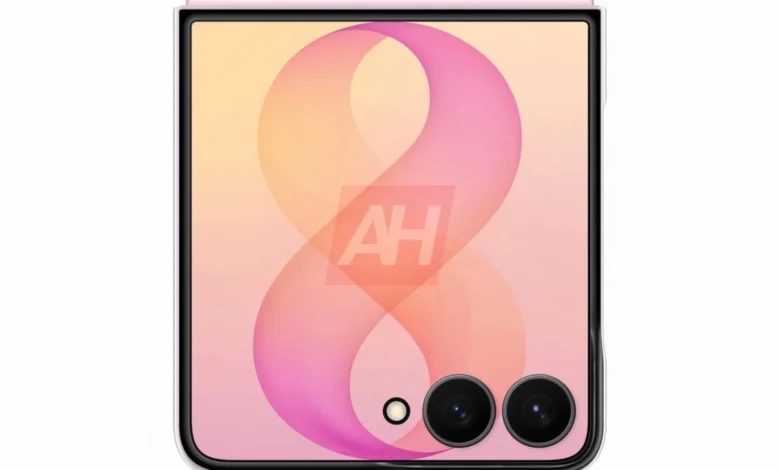
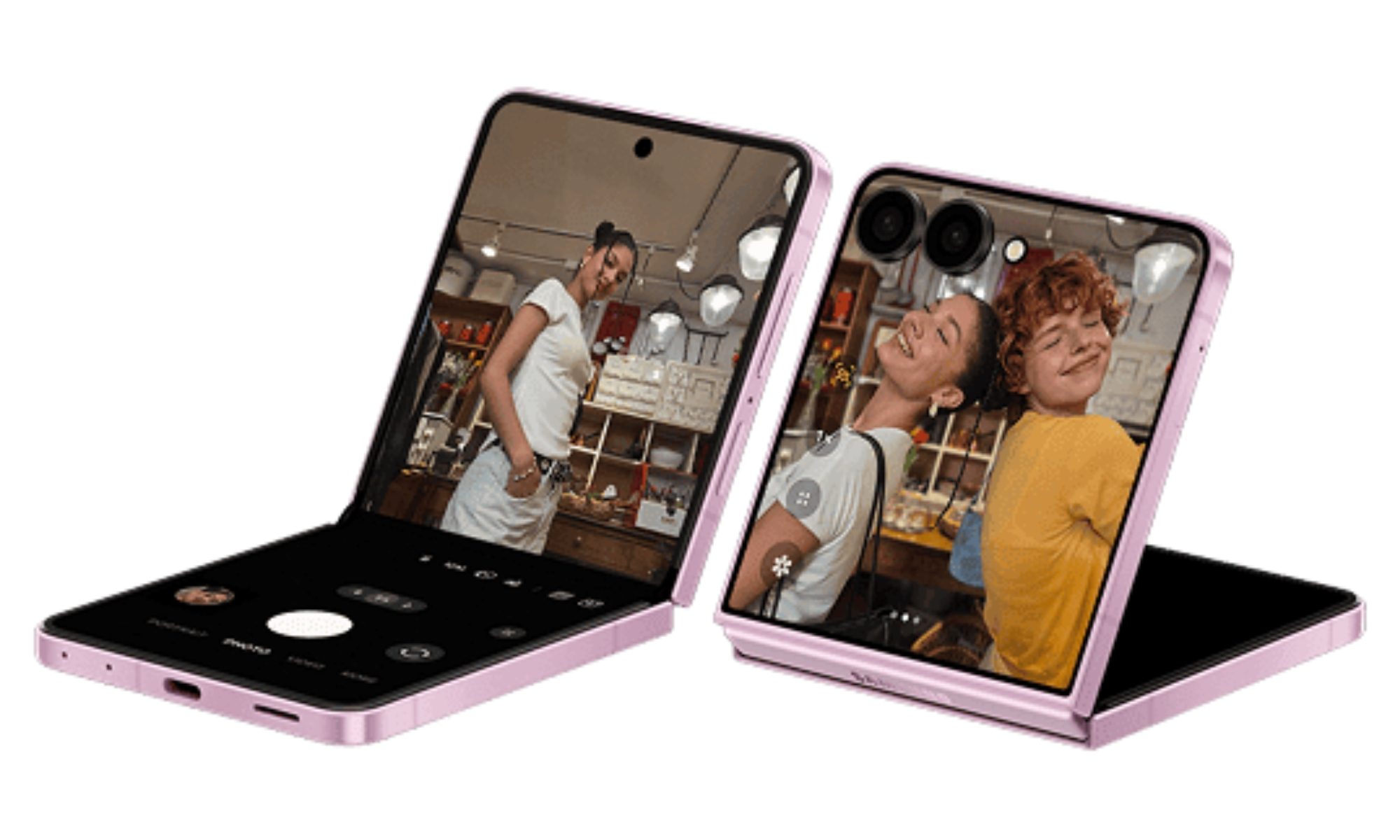
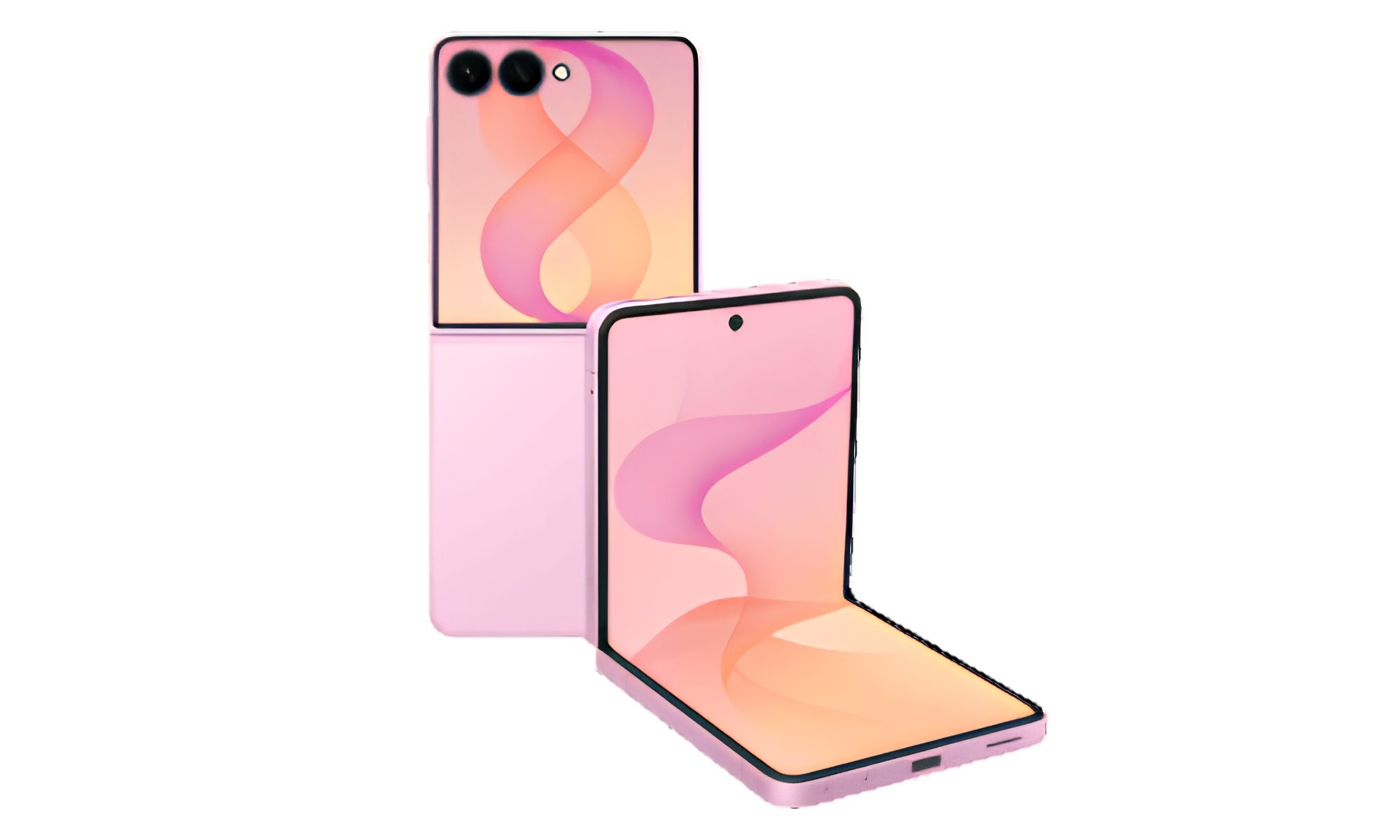
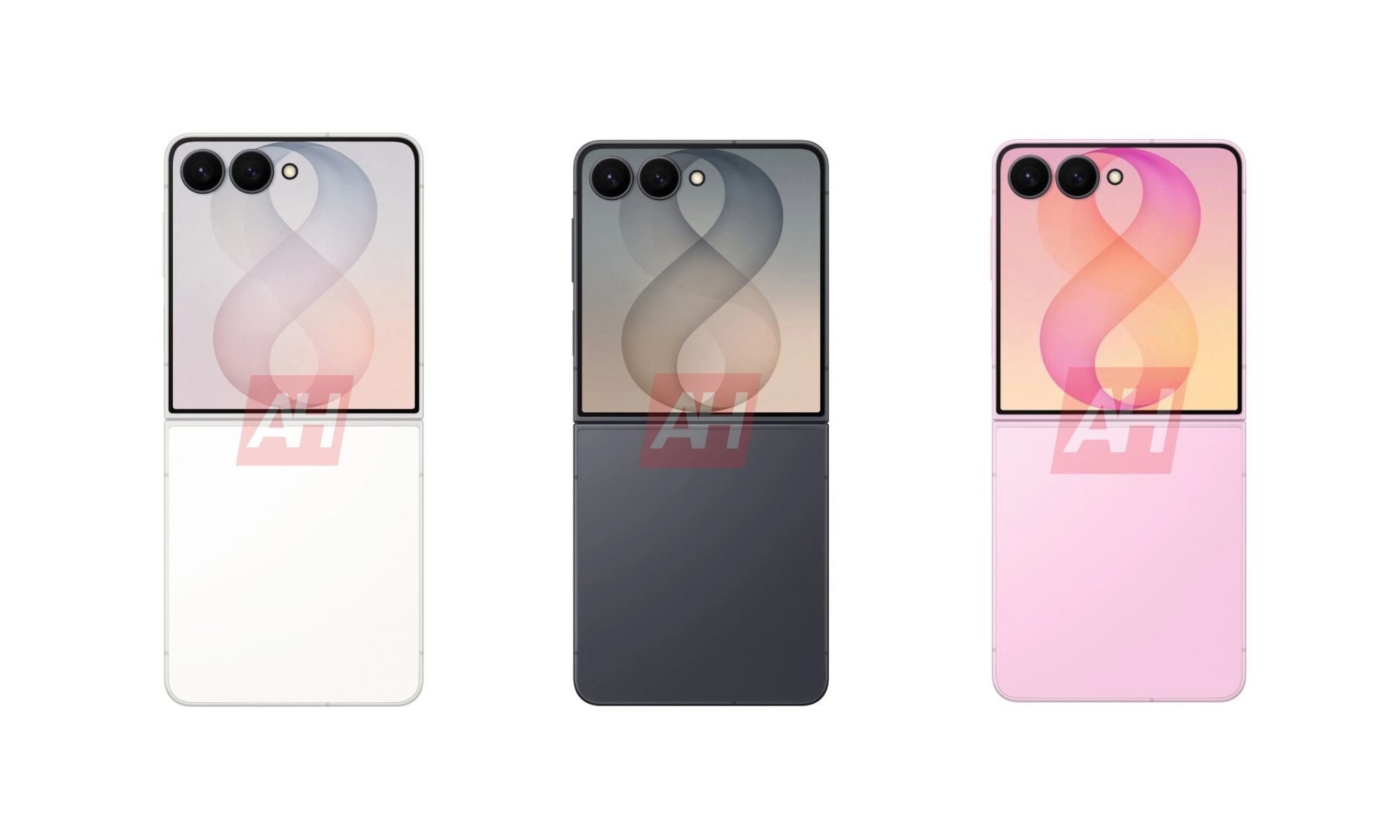
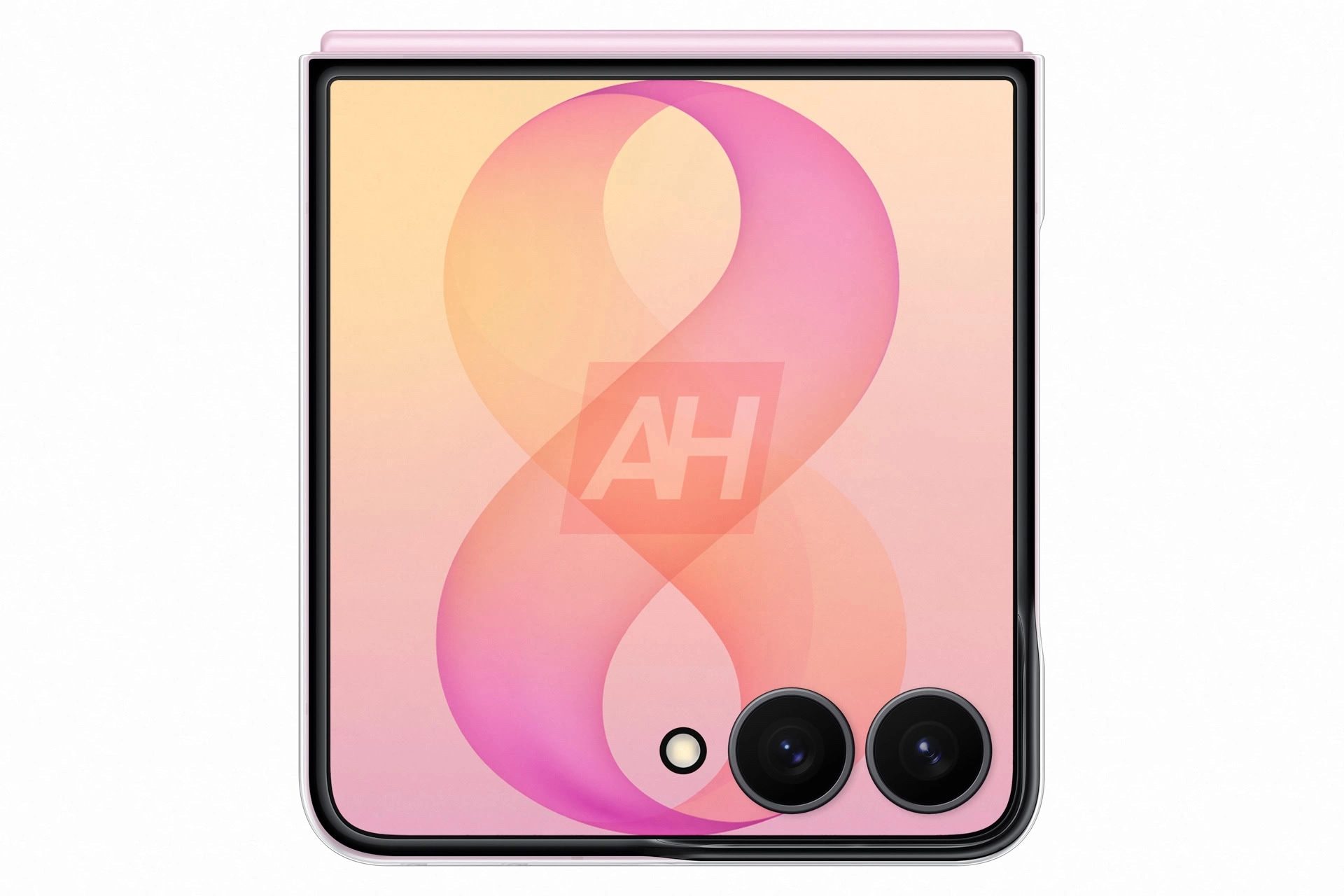
Visually, the Galaxy Z Flip 8 is expected to remain largely indistinguishable from its predecessor. Leaked renders suggest that Samsung is sticking with the established design language, featuring two rear camera lenses embedded within a folder-shaped cover display. The color palette for the 2026 model year is rumored to include Graphite, Cream, Pink, and a Samsung-exclusive Mint shade.
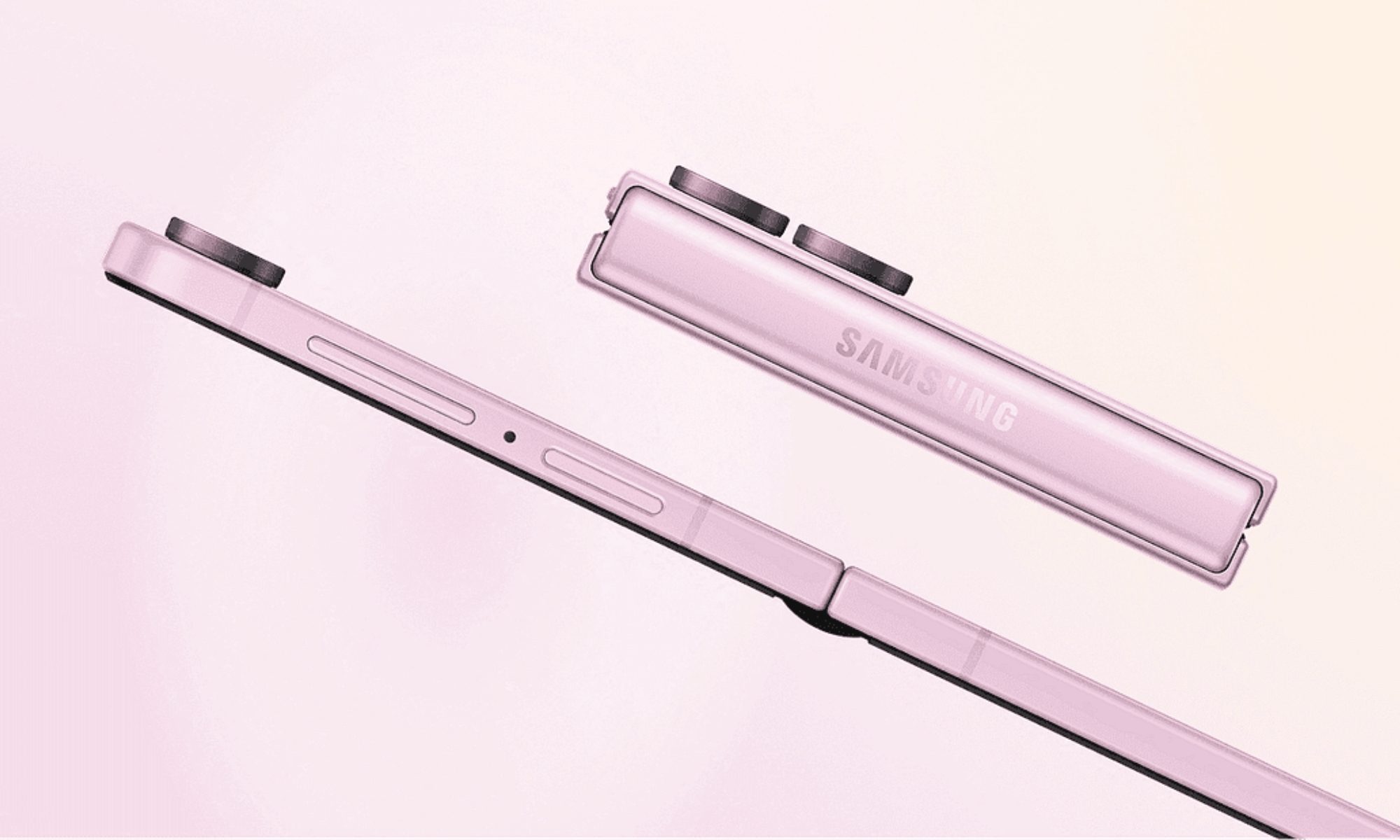
Dimensions remain a point of contention among leakers. Some reports suggest a thinner profile of 6.6mm when unfolded, which would be a 0.3mm reduction from the Flip 7. Conversely, other supply chain data suggests the device might actually become slightly thicker (0.2mm) to accommodate internal structural reinforcements. Despite these minor variations in thickness, the device is expected to be approximately eight grams lighter, potentially improving the ergonomics of one-handed use.
The display specifications are rumored to remain static. The internal panel is expected to be a 6.9-inch Dynamic AMOLED 2X with a 120Hz adaptive refresh rate and a resolution of 2520 x 1080 pixels. The outer cover screen will likely retain its 4.1-inch Super AMOLED footprint. Notably, the Flip 8 may miss out on the "Flex Titanium" display technology rumored for the Fold 8 series. This means the Flip 8 might not benefit from the new hinge architecture designed to further minimize the screen crease, a point of frustration for users who were hoping for a more seamless internal display.
Camera Systems and Computational Photography
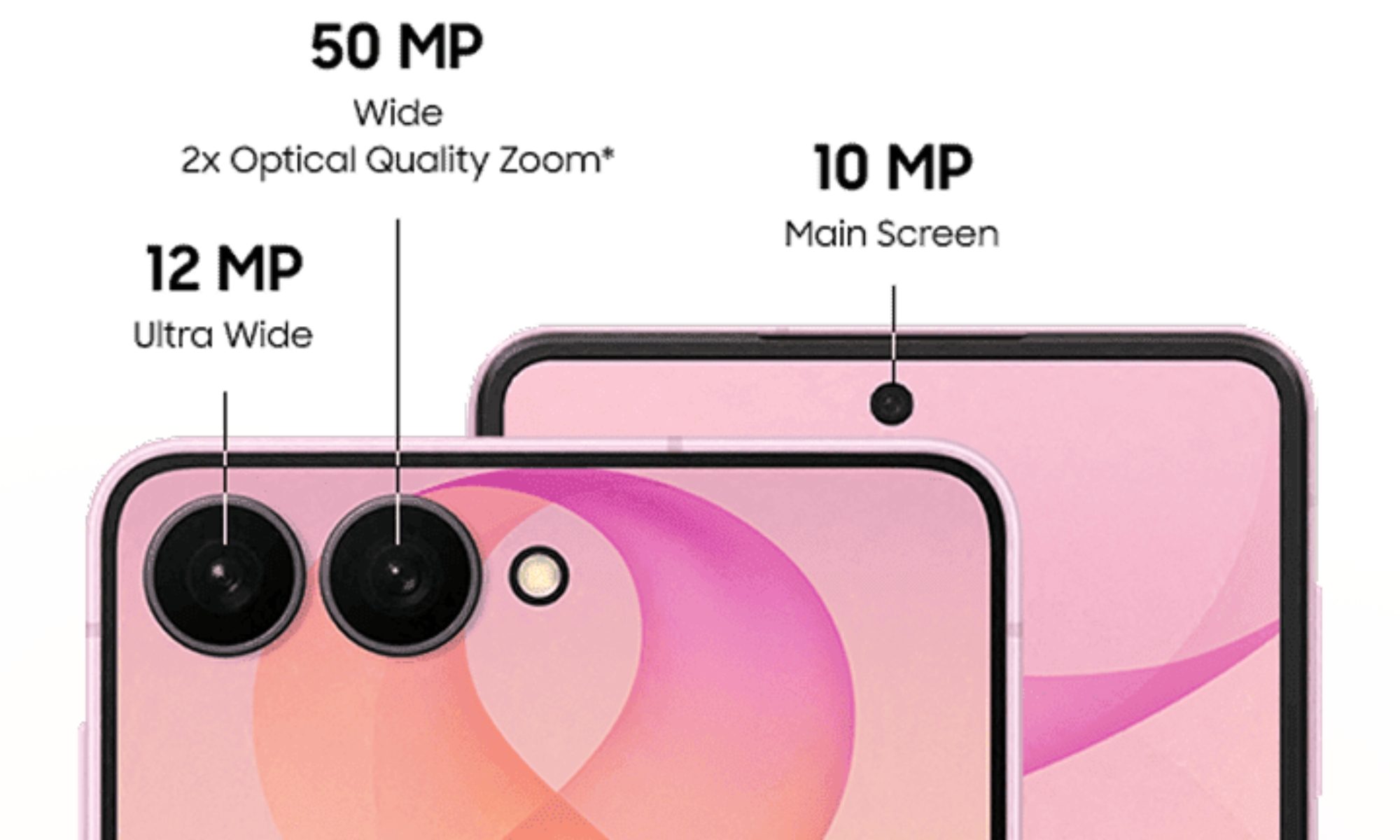
The camera hardware on the Galaxy Z Flip 8 appears to be another area where Samsung is choosing stability over radical change. The device is expected to house a dual-camera setup consisting of a 50MP primary sensor with Optical Image Stabilization (OIS) and a 12MP ultrawide sensor. For selfies and video calls, a 10MP punch-hole camera will remain on the internal display.
While the hardware remains identical to the previous generation, Samsung’s strategy focuses on the Exynos 2600’s new Image Signal Processor (ISP). Improved computational photography algorithms are expected to enhance low-light performance, provide better dynamic range, and offer more sophisticated AI-driven portrait modes. However, compared to the Galaxy Z Fold 8 Ultra—which is rumored to feature a 200MP main sensor and dedicated telephoto lenses—the Flip 8 remains positioned as a lifestyle device rather than a mobile photography powerhouse.
Battery Life and the 45W Charging Milestone
Battery capacity has long been a bottleneck for the clamshell form factor. For the Galaxy Z Flip 8, Samsung is reportedly maintaining a 4,300 mAh dual-cell battery. This capacity is increasingly viewed as conservative, especially as competitors like Motorola have begun integrating 5,000 mAh batteries into similarly sized devices.
The genuine upgrade in the power department is the transition to 45W wired fast charging. For several generations, the Flip series was capped at 25W, leading to relatively slow recharge cycles. With 45W support, the 4,300 mAh battery could potentially reach a full charge in approximately 60 minutes. Wireless charging and reverse wireless charging (Wireless PowerShare) will remain standard features, though it is currently unclear if Samsung will adopt a magnetic alignment system similar to Apple’s MagSafe or the new Qi2 standard.
Software Ecosystem: One UI 9 and Android 17
The Galaxy Z Flip 8 will launch as a showcase for Samsung’s One UI 9, built on top of Android 17. This software iteration is expected to lean heavily into "Galaxy AI," offering new features for the Samsung Internet Browser, enhanced multi-window capabilities optimized for foldables, and deeper integration with Google’s Gemini intelligence.
A key selling point for the Flip 8 will be Samsung’s industry-leading software support policy. The device is expected to receive seven years of major OS upgrades and seven years of security patches. This longevity makes the device a more viable long-term investment, even if the initial hardware upgrades seem incremental.
Chronology and Market Availability
Samsung’s release cycle for its foldables has become highly predictable. The official unveiling is expected at the Galaxy Unpacked event on July 22, 2026. Following the announcement, a pre-order period will likely run until early August, with general retail availability and shipping commencing on August 5, 2026.
This timeline places the Galaxy Z Flip 8 in direct competition with a maturing field of rivals. The Motorola Razr Ultra (2026) has already set a high bar with its 5,000 mAh battery and Snapdragon 8 Elite integration. Furthermore, persistent rumors of an "iPhone Flip" or a foldable Google Pixel continue to loom over the market, pressuring Samsung to maintain its dominant market share through brand loyalty and software refinement.
Broader Implications and Industry Analysis
The rumors surrounding the Galaxy Z Flip 8 suggest that the foldable market is entering a "refinement phase." The era of massive year-over-year design changes has given way to incremental improvements in charging speed, software intelligence, and structural durability. For Samsung, the Flip 8 represents a strategic play to maintain the most popular foldable form factor while navigating a difficult economic environment.
The potential price hike is the most significant risk factor. As the novelty of folding glass wears off, consumers are increasingly scrutinizing the value proposition of these devices. If the Flip 8 launches at $1,199 or $1,299 with hardware that is largely unchanged from 2025, it may struggle to attract upgraders from the Flip 6 or Flip 7. However, for those still using the Flip 4 or Flip 5, the combination of a 50MP camera, 45W charging, and seven years of software support may still provide a compelling reason to stay within the Samsung ecosystem.
Ultimately, the success of the Galaxy Z Flip 8 will depend on how Samsung markets its AI capabilities and whether the Exynos 2600 can prove its worth in terms of efficiency and heat management. While it may not be the revolutionary leap some enthusiasts desired, it remains a central piece of Samsung’s vision for the future of mobile technology—a future where the phone in your pocket is as much a fashion statement as it is a high-performance computer.