Mastering the Request for Information (RFI) in Modern Construction Projects: A Comprehensive Guide to Streamlining Communication and Mitigating Risk

Modern construction projects are inherently complex ecosystems involving dozens of specialized subcontractors, general contractors, engineers, architects, and property owners. Navigating this web of interconnected responsibilities requires rigorous documentation and crystal-clear communication. At the center of this administrative and operational framework lies the Request for Information, universally known as an RFI. Far more than a simple question-and-answer mechanism, the RFI is a vital contractual instrument that bridges the gap between architectural vision and on-the-ground execution.
Understanding how to properly draft, process, and manage RFIs is essential for avoiding costly delays, budget overruns, and litigation. Industry data consistently highlights that ineffective communication and ambiguous project documentation are leading drivers of rework and schedule slippage in commercial and residential construction. As profit margins face continuous pressure from rising material costs and labor shortages, mastering the RFI process has transitioned from a routine administrative task to a core competency for successful project delivery.
Defining the Construction RFI and Its Legal Significance
At its core, a Request for Information in construction is a formal written process used by contractors, subcontractors, or project managers to seek clarification regarding ambiguities, contradictions, omissions, or errors found within architectural blueprints, engineering specifications, contract documents, or site conditions.
When a trade contractor encounters a discrepancy—such as a structural drawing that fails to specify fastener dimensions or mechanical plans that conflict with electrical layouts—they cannot simply guess the intended design. Doing so exposes the project to structural failures, safety violations, and severe financial liabilities. Instead, the contractor initiates an RFI.

Legally, the RFI serves as a formal notice of a perceived defect or missing detail in the contract documents. Standard industry contracts, such as those provided by the American Institute of Architects (AIA) or ConsensusDocs, outline specific protocols for submitting and responding to RFIs. Because these documents become part of the permanent project record, they carry significant legal weight. If a project suffers delays because an RFI went unanswered for weeks, the resulting documentation can establish accountability, support claims for extensions of time, or justify requests for equitable cost adjustments.
The Anatomy of an Effective RFI
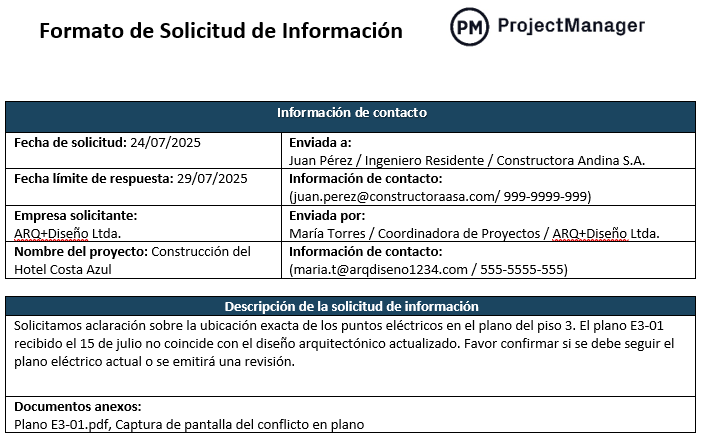
While there is no universal template mandated across every jurisdiction, a well-constructed RFI generally follows a standardized structure to ensure rapid evaluation and response. Vague inquiries inevitably lead to vague answers, wasting valuable time on the critical path. Comprehensive RFIs typically incorporate the following essential data points:
- Identification Metadata: A unique sequential tracking number, the date of issuance, and the target response deadline, which is usually dictated by the urgency of the active work phase.
- Context and Location: Specific references to the contract documents, including exact drawing sheet numbers, detail identifiers, specification section numbers, and the precise physical location on the job site (e.g., Level 3, East Wing, Grid Line B-4).
- Clear Description of the Ambiguity: A concise, factual statement outlining the conflict, omission, or lack of clarity, supported by photographs, sketches, or marked-up plans where applicable.
- Proposed Solutions: Whenever possible, the requesting party includes a professionally reasoned recommendation for how to resolve the issue. Providing a proactive solution often accelerates the approval process by design professionals.
- Impact Assessment: An explicit notation regarding how the unresolved issue affects the project schedule, cost, and the work of adjacent trades.
Differentiating RFIs from Other Construction Procurement Documents
In the broader context of construction management, professionals frequently encounter a variety of solicitation and communication documents. Conflating these instruments can lead to severe administrative bottlenecks.
A Request for Proposal (RFP) is typically issued by an owner or general contractor during the pre-construction phase to solicit comprehensive, detailed proposals from prospective vendors or contractors regarding their methodology, qualifications, and pricing for an entire scope of work.
Similarly, a Request for Quotation (RFQ) focuses primarily on procuring specific pricing and availability for standardized materials, equipment, or clearly defined services. Neither an RFP nor an RFQ is designed to resolve ambiguities in active contract documents.
A Request for Tender (RFT), by contrast, is a formal invitation to bid on a defined project scope, where the responding party submits a legally binding offer that, upon acceptance, forms the basis of a contract. The RFI stands apart from all three by being an operational communication tool deployed during execution to clarify existing contractual obligations rather than negotiate new ones.
The Standard RFI Workflow and Lifecycle
The lifecycle of a construction RFI typically transitions through several distinct phases, moving from the job site back to the design team and ultimately returning to the field for implementation.
The process begins in the field or the site office. When a subcontractor or general contractor identifies a roadblock caused by missing or contradictory information, they draft the RFI. This document is transmitted upward, often moving from a specialty trade contractor to the general contractor or construction manager.
Upon receipt, the general contractor conducts an initial review. This step is crucial; experienced general contractors filter out questions that can be answered internally by cross-referencing existing documents or coordinating with other trades. If the question requires professional design judgment, the general contractor logs the RFI and forwards it to the appropriate stakeholder—typically the architect, structural engineer, or mechanical consultant.
The design professional reviews the inquiry against building codes, safety regulations, and the original design intent. Once a determination is made, the response is documented, approved, and transmitted back through the communication chain to the original requester.
Upon receiving the response, the site team evaluates the instructions. If the clarification resolves the ambiguity, work resumes immediately. If the answer introduces scope changes that impact the budget or schedule, the contractor may need to initiate a change order process before proceeding with the physical work.
Analyzing the Benefits of Structured RFI Management
Implementing a disciplined, transparent RFI process yields profound operational advantages across the entire construction value chain. Foremost among these is the mitigation of project risk. By establishing a formalized paper trail for every design deviation or missing specification, stakeholders protect themselves against future disputes and litigation.
Furthermore, structured RFIs enhance cost predictability. When contractors can swiftly resolve uncertainties, they can more accurately estimate labor hours and material requirements, protecting profit margins and preventing unexpected budget inflation.
In competitive bidding environments, a transparent RFI process reinforces fairness. Subcontractors and suppliers evaluating project scopes rely on documented RFI responses to price their bids accurately, knowing that all competing parties have access to the same clarifying information. This structured exchange of data ultimately preserves project timelines, drives efficiency, and ensures that structures are built in strict compliance with engineering and architectural standards.
Technological Evolution: Moving Beyond Static Paper and Spreadsheets
Historically, RFIs were managed via physical paper logs, carbon-copy notebooks, and physical mail or fax transmissions—methods prone to lost documents, misfiled paperwork, and severe communication lags. As the construction industry digitizes, project teams are rapidly migrating toward centralized cloud-based platforms.

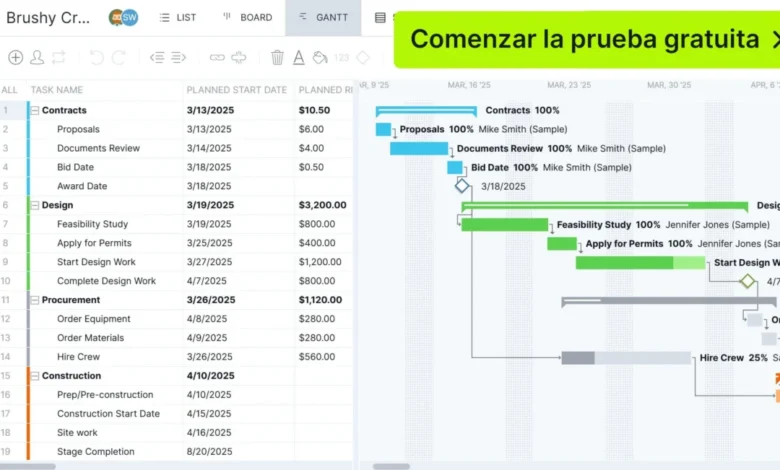
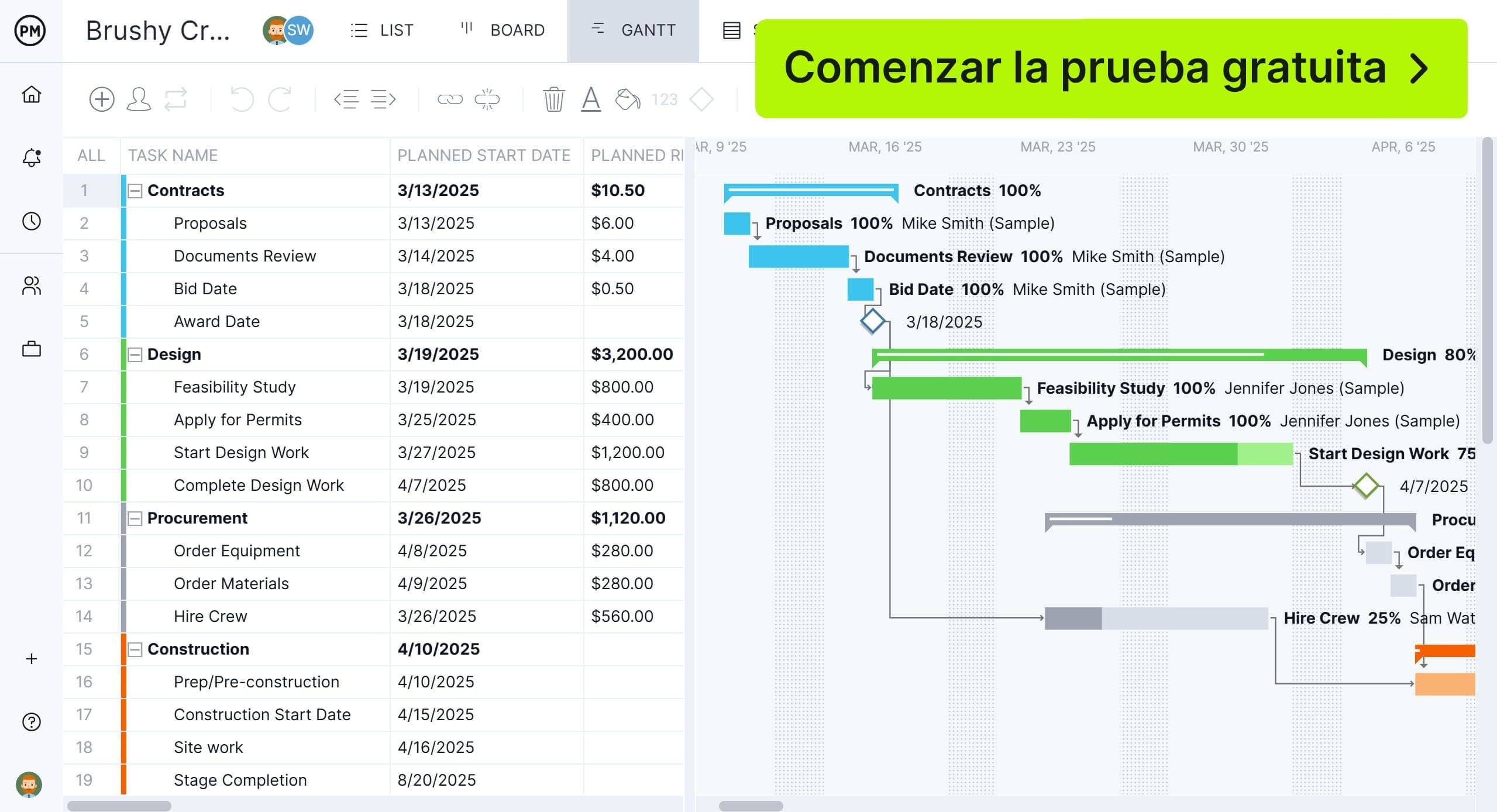
Modern project management software eliminates the friction of manual RFI tracking by providing real-time synchronization between the field and the office. When a superintendent submits an RFI via a mobile device from the job site, automated notifications alert the project manager and design consultants instantly. These digital ecosystems link RFIs directly to master schedules, digital blueprints, and financial dashboards, ensuring that every stakeholder operates from a single source of truth. By replacing static spreadsheets with dynamic, collaborative workflows, the construction industry continues to reduce administrative overhead and accelerate project delivery times.
Related posts: