Automattic Names Jeremy Klaperman Interim CFO Following Executive Shakeup and Boardroom Turmoil


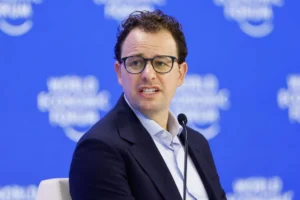
Automattic, the driving force behind WordPress and the enterprise-grade WordPress VIP platform, has officially named Jeremy Klaperman as its interim Chief Financial Officer. Klaperman, who previously served as the CFO for the company’s WordPress VIP business unit, steps into the role following a turbulent period of executive departures and a high-stakes corporate power struggle that briefly unseated CEO and co-founder Matt Mullenweg. The announcement, communicated internally to employees via Slack on Friday, September 18, 2026, marks the latest step in Automattic’s stabilization efforts following a tumultuous week that tested the governance and structural integrity of the web infrastructure giant.
The appointment comes in the wake of an attempted ouster of Mullenweg by the company’s board of directors earlier in the month—a move that ultimately backfired and triggered the immediate departure of the board members who orchestrated the vote, alongside several key C-suite executives. Mark Davies, the company’s former CFO who briefly assumed the role of interim CEO during Mullenweg’s brief 33-hour absence, has exited the company. Joining Davies in departure is Chief Legal Officer Andy Missan. With the executive suite undergoing a rapid transformation, Automattic is moving swiftly to fill operational gaps, restore institutional confidence, and prepare for a critical upcoming board meeting scheduled for September 23.
A Timeline of the Corporate Coup and Rapid Reversal
The sequence of events leading to Klaperman’s appointment unfolded at a dizzying pace, capturing the attention of the broader tech and open-source communities. The drama began in early September 2026, when escalating tensions between Mullenweg and sections of the Automattic board culminated in a sudden vote to force the CEO into a leave of absence. During this brief window, the board moved to consolidate control, appointing Mark Davies as interim CEO to steer the company forward.
However, the maneuver was short-lived. The board’s attempt to sideline Mullenweg encountered fierce internal and external resistance, highlighting the deep ties between the co-founder, the company’s overarching vision, and the vast open-source ecosystem that powers over 40% of the top websites on the internet. Within approximately 33 hours of his removal, Mullenweg successfully retook his position as CEO. The fallout from the failed coup was swift and absolute: the board members who voted against Mullenweg were ousted, and top executives aligned with the maneuver—including CFO Mark Davies and Chief Legal Officer Andy Missan—exited the company.
Adding a layer of corporate intrigue to the leadership crisis, subsequent investigative reports revealed that during Mullenweg’s brief 33-hour absence, interim CEO Mark Davies and Chief Legal Officer Andy Missan signed reciprocal severance agreements designed to protect their financial interests in the event of a fallout. Despite these maneuvers, Mullenweg’s swift reinstatement neutralized the temporary leadership structure, paving the way for a wholesale restructuring of Automattic’s executive governance.
Inside the Interim Appointments and Leadership Transition
Addressing employees in his internal Slack announcement, Matt Mullenweg noted that Jeremy Klaperman is no stranger to the demands of the Chief Financial Officer role. Klaperman previously stepped in as Automattic’s CFO during a previous sabbatical taken by Mark Davies, granting him vital institutional familiarity with the company’s complex global finances, revenue streams, and enterprise divisions.
While Klaperman takes the financial reins on an interim basis, the permanent vacancy will require broader evaluation. Mullenweg clarified that the newly forming board of directors—whose incoming members have yet to be publicly announced—will ultimately be responsible for evaluating both internal contenders and external executive talent before a definitive appointment is finalized.
In tandem with the financial leadership update, Mullenweg shared another critical milestone regarding the company’s legal department. A candidate for the Chief Legal Officer position has verbally accepted the role, poised to step in and replace Andy Missan. This addition is expected to provide much-needed legal stability as the company navigates the contractual fallout of the executive departures and moves past the controversial severance agreements signed during the leadership vacuum.
Furthermore, Mullenweg confirmed that Stephen Wolfram, the creator of Wolfram|Alpha and a designated special advisor to Automattic, will remain firmly in his position on the company’s advisory board. Additional announcements regarding the composition of the new board of directors are anticipated ahead of Automattic’s scheduled board meeting on September 23.

Financial Health and Internal Confidence
Amidst the governance upheaval, executive turnover, and public scrutiny, Mullenweg used his communication with staff to project absolute confidence in Automattic’s economic resilience. Addressing underlying concerns about cash flow and market positioning, the CEO sought to reassure employees that the company’s underlying business fundamentals remain robust and insulated from the boardroom drama.
"I have 100% confidence in our cash and financial position," Mullenweg stated in his concluding remarks to the team. "There is still work to do, but everything is within our control and depends only on Automattic’s ability to execute."
Automattic operates a diversified business model anchored by WordPress.com, WooCommerce, Tumblr, and the high-growth WordPress VIP enterprise service managed by Klaperman. Despite the structural disruption, the company’s core web services and software-as-a-service (SaaS) offerings have continued uninterrupted, maintaining service delivery for millions of commercial and personal websites globally.
Broader Industry Implications and Corporate Governance Analysis
The rapid escalation and resolution of the Automattic boardroom conflict offer a fascinating case study in modern corporate governance, particularly within privately held tech giants that maintain strong ideological ties to open-source communities. Unlike publicly traded corporations where shareholder voting power is strictly tied to equity distribution, private companies often feature complex governance structures where founders wield significant personal influence, cultural capital, and strategic indispensability.
The failed attempt to oust Mullenweg underscores the delicate balance between venture-backed board oversight and founder-led vision. When a board attempts to unilaterally remove a visionary founder without securing overwhelming internal stakeholder alignment, the risk of a systemic operational revolt—and subsequent board dissolution—is exceptionally high. Automattic’s swift ejection of the dissenting board members demonstrates that the company’s institutional loyalties remain heavily concentrated around its founding leadership.
However, the episode also highlights vulnerabilities in executive compensation and interim governance protocols. The revelation that departing executives executed reciprocal severance agreements during a brief window of authority illustrates the potential risks inherent in sudden leadership vacuums. Moving forward, Automattic’s reconstituted board will likely implement stricter corporate controls and governance safeguards to prevent similar friction points from escalating into executive crises.
Looking Ahead: The September 23 Board Meeting
As Automattic closes this chaotic chapter, attention turns toward the upcoming board meeting on September 23. The gathering will serve as a crucial inflection point for the company, providing the platform to officially introduce the new board members, formalize strategic priorities for the remainder of 2026, and outline the search criteria for permanent C-suite appointments.
With Jeremy Klaperman managing financial operations, a new Chief Legal Officer stepping in to secure regulatory and contractual oversight, and Matt Mullenweg firmly back at the helm, Automattic is positioning itself to pivot away from internal distractions and refocus on product innovation, enterprise growth, and the ongoing expansion of its global web ecosystem. Stakeholders across the tech sector will be watching closely to see how the newly reformed leadership team steers the company through the final quarter of the year.
Related posts: