The Hidden Cost of Branded Merchandise and the Strategic Shift Toward Customer Loyalty

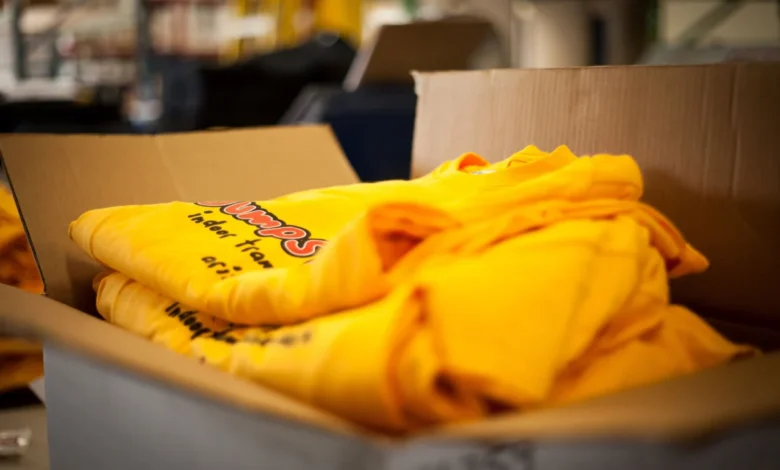
The modern hospitality industry is currently navigating a complex landscape defined by shifting consumer expectations, rising operational costs, and the delicate balance of brand monetization. For many independent restaurants, bars, and boutique venues, the sale of branded merchandise—such as T-shirts, hoodies, and headwear—has long been viewed as a supplementary revenue stream. However, current market trends suggest that the traditional high-margin approach to merchandise is becoming a point of friction between business owners and their patrons.
The Economics of Branded Retail
To understand the current tension, it is necessary to examine the procurement costs associated with promotional products. Data from wholesale garment suppliers indicates that basic apparel—including screen-printed T-shirts and embroidered caps—typically carries a unit cost between $5 and $15, depending on volume and material quality. Even when factoring in logistical expenses such as shipping, warehousing, and inventory management, the markup required to reach retail price points of $50 to $80 represents a significant profit margin that often exceeds standard industry benchmarks for physical goods.
This pricing strategy exists in a market where consumers are increasingly sensitive to "fee fatigue." In recent years, the dining experience has been impacted by the proliferation of surcharges, including credit card processing fees, mandatory service charges, and health-mandate recovery fees. When customers encounter a high-priced apparel item at the end of a premium dining experience, the psychological impact can be counterproductive to the brand’s image, transforming a potential souvenir into a symbol of perceived overcharging.
Chronology of the Merchandising Model
The history of hospitality-based merchandise can be traced back to the mid-20th century, popularized by iconic establishments such as the Hard Rock Cafe and Planet Hollywood. These brands successfully turned their logos into lifestyle symbols, creating a secondary market for branded goods that served as both a revenue generator and a global marketing tool.
However, the late 2010s saw a shift in how these items were sold. As independent operators sought to diversify income during periods of economic instability, many adopted the "retail-first" mindset. This era saw a spike in demand for "merch" as a status symbol, leading to the current saturation of the market. By 2022, post-pandemic operational pressures forced many small businesses to re-evaluate their pricing structures, often leading to the aggressive retail strategies observed today, where merchandise is priced as a luxury good rather than a promotional tool.
Fact-Based Analysis of Consumer Behavior
Market research into customer engagement suggests that the value of merchandise is derived more from the emotional connection to the venue than from the intrinsic quality of the garment. When a patron wears a shirt from a favorite local bar, they are participating in a form of peer-to-peer marketing that holds high value for the business.
Conversely, when a business treats merchandise as a primary profit center, they risk alienating their most loyal customers. According to retail analytics, the conversion rate for in-store merchandise drops significantly when price points exceed the "impulse purchase" threshold, typically identified as the $20 to $30 range. When items are priced above $50, the decision-making process shifts from emotional attachment to rational cost-benefit analysis, leading to lower sales volume and reduced brand visibility.
Industry Perspectives and Alternative Models
Business consultants and hospitality experts are increasingly advocating for a strategic pivot. Rather than prioritizing immediate profit, successful operators are testing alternative models that leverage merchandise to drive long-term customer lifetime value (CLV).
One such model is the "Charity Partnership." By earmarking a portion of merchandise proceeds for local non-profit organizations, businesses can shift the narrative from profit-taking to community contribution. This approach not only justifies the price point in the eyes of the consumer but also provides the business with a compelling narrative for social media and local press, which can improve brand reputation far more effectively than a standard retail sale.
Furthermore, the integration of gamification has proven effective. Some establishments now utilize branded items as rewards for loyalty program milestones or as prizes for competitive events, such as trivia nights or tournaments. This integration transforms the item from a static product on a shelf into a reward for engagement, thereby strengthening the relationship between the brand and the individual.
Implications for Future Growth
The broader implication of this shift is a transition from transactional retail to experience-based branding. As digital marketing costs rise, the "walking billboard" effect of a customer wearing a brand’s logo remains one of the most effective forms of advertising. When a business makes this advertising accessible to the consumer, they benefit from organic reach that far outweighs the profit made on a single hoodie sale.
For restaurant owners and managers, the current data suggests three key takeaways:
- Accessibility Matters: Pricing merchandise at or near cost can stimulate higher sales volume, increasing the number of customers wearing the brand in public.
- Loyalty Integration: Using merchandise as a thank-you gift for high-value customers acknowledges their patronage and fosters a sense of appreciation that encourages repeat visits.
- Transparency and Value: If a business chooses to maintain high prices, providing a clear value proposition—such as a charitable component or a limited-edition collaboration—is essential to maintaining the "good vibes" that are central to the hospitality sector.
Conclusion: Redefining the Role of Merchandising
Ultimately, the goal of branded merchandise should be to extend the hospitality experience beyond the physical walls of the establishment. When a customer leaves a venue, the items they carry with them act as a bridge between the business and the consumer’s daily life.
If the current model of high-margin merchandise persists, businesses risk turning their most loyal advocates into critics. By recalibrating their approach to prioritize brand visibility, community goodwill, and customer appreciation over short-term retail profits, owners can ensure that their merchandise remains an asset rather than a liability. The future of branded goods lies not in how much profit can be extracted per unit, but in how effectively those units can be used to cultivate a community of brand ambassadors who feel genuinely valued by the establishments they support. Through strategic adjustments, the industry can move away from the "nickeled-and-dimed" sentiment and toward a model of mutual appreciation, ensuring that the next time a patron considers buying a T-shirt, they see it as a badge of honor rather than an unnecessary expense.