
In the modern digital marketplace, customer acquisition costs have surged to unprecedented heights, forcing business founders and marketing executives to reevaluate their reliance on traditional paid advertising channels such as social media campaigns and search engine optimization. Industry data from early 2026 indicates that customer acquisition costs (CAC) across retail and Software-as-a-Service (SaaS) sectors have increased by upwards of 60% over the past five years. Consequently, companies are increasingly shifting their focus toward organic, trust-based growth mechanisms. At the epicenter of this strategic pivot lies an underutilized asset that many enterprises already possess: their existing email subscriber base.
While most businesses maintain a referral program in theory—often relegated to an obscure link in the footer of a monthly newsletter—empirical marketing studies show that fewer than 5% of active subscribers ever utilize these passive pathways. Industry analysts point out that this stark underperformance is rarely the result of consumer unwillingness to recommend products. Rather, it stems from a systemic failure in infrastructure, timing, and execution by brand operators. When properly optimized, however, an email-driven referral system can transform loyal buyers into an active, self-sustaining sales force capable of outperforming traditional ad spend in both conversion rates and customer lifetime value.
The Psychological Mechanics of Word-of-Mouth Marketing
To understand the efficacy of referral engines, one must examine consumer behavior psychology. Academic research in behavioral economics consistently demonstrates that peer recommendations bypass the standard cognitive skepticism associated with commercial advertising. When a trusted friend, family member, or colleague endorses a product, the recipient’s evaluation phase is drastically shortened. Years of accumulated trust are instantly transferred to the brand via a single personal communication channel, such as an SMS or a direct messaging app.
Statistically, referred customers exhibit higher retention rates, lower churn, and a significantly higher average order value (AOV) compared to traffic acquired through cold acquisition funnels. Furthermore, the targeting precision of an existing customer is virtually peerless. Because buyers naturally gravitate within social circles of shared interests, demographics, and purchasing power, they inherently act as hyper-targeted brand ambassadors. Despite these inherent advantages, market observations reveal that businesses frequently undermine their own word-of-mouth potential by treating referral marketing as a static web page feature rather than an active, automated email strategy.
Chronology of the Shift: From Static Pages to Automated Engines
Historically, referral marketing emerged in the early days of e-commerce as a static landing page where users had to manually copy referral codes and disseminate them at will. This manual friction resulted in exceptionally low participation rates.
By the mid-2010s, early-adopter tech startups began experimenting with trigger-based referral incentives, though these programs required complex custom software development that remained out of reach for small and medium-sized enterprises (SMEs).
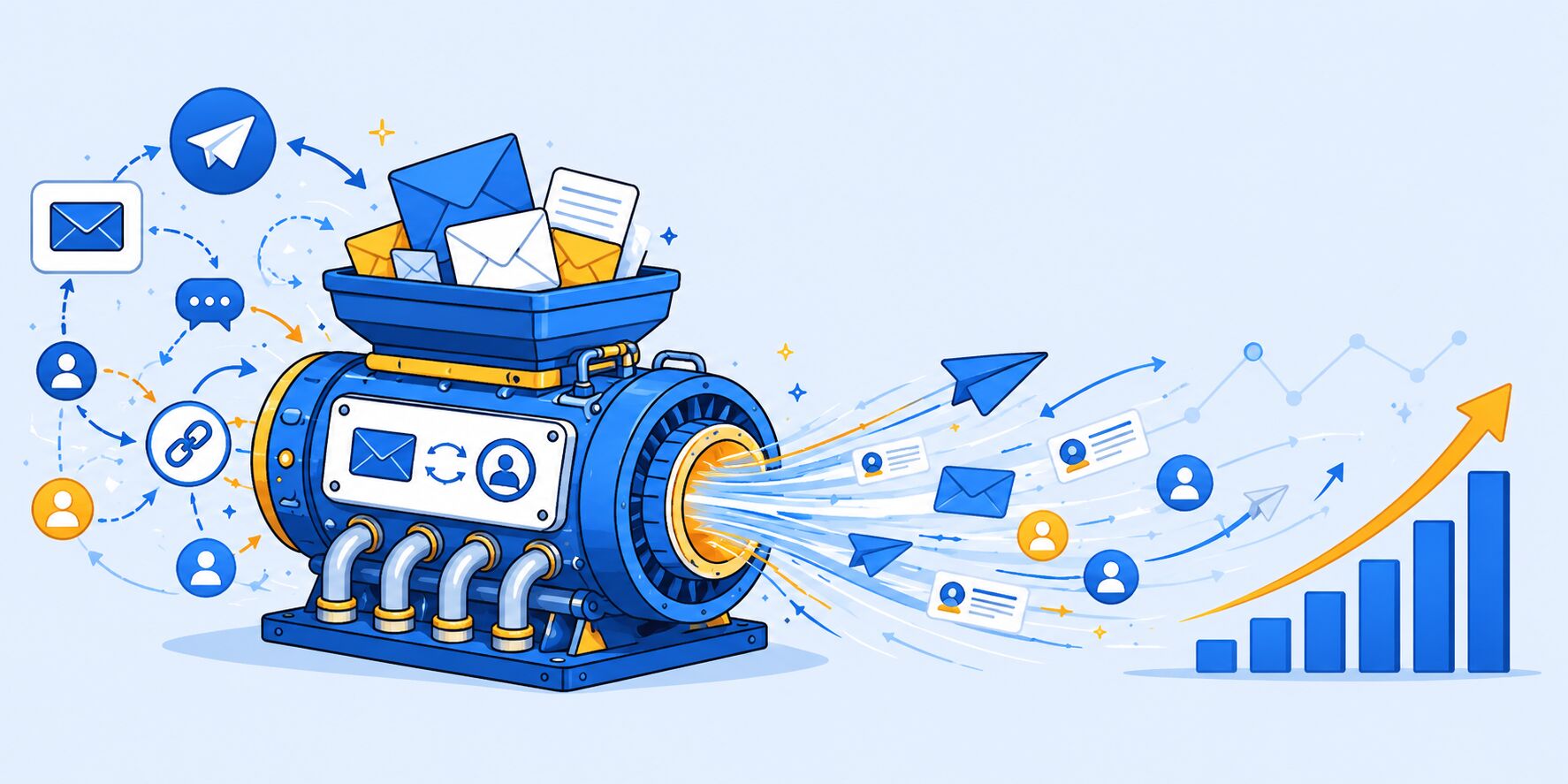
The landscape shifted significantly between 2020 and 2026, driven by advancements in customer relationship management (CRM) platforms, advanced email automation software like Omnisend, and loyalty integration ecosystems such as Smile and Yotpo. These technological developments allowed brands of all sizes to automate the referral process, shifting from reactive static links to proactive, behavior-triggered outreach. By integrating segmentation algorithms with post-purchase workflows, modern enterprises can now systematically deploy referral requests at the precise moment of maximum customer delight.
Optimizing Timing: Capitalizing on the Moment of Delight
A critical finding in recent marketing automation audits is that the success rate of a referral request is intrinsically tied to timing rather than the magnitude of the incentive. A generic referral request embedded within a routine weekly promotional email is routinely ignored, often treated by consumers as digital wallpaper.
Conversely, empirical campaign data shows that engagement spikes dramatically when the request is deployed immediately following a distinct positive milestone. Industry best practices recommend configuring automated email workflows to trigger specific events, including:
- The successful delivery of a second or third repeat purchase.
- The public submission of a verified four- or five-star product review.
- A direct, positive customer service interaction or resolution.
- A customer reply to a brand email expressing satisfaction with a product.
By leveraging automation platforms to monitor these behaviors, brands can deliver the referral ask precisely when consumer goodwill and brand affinity peak. At this juncture, asking "Do you know someone who would love this too?" ceases to feel like a commercial extraction and instead feels like a natural extension of a positive consumer experience.
Structuring Incentives: The Necessity of Double-Sided Rewards
Economic incentives play a foundational role in driving participation, yet corporate strategy often falters through asymmetrical reward structures. Market research into incentive psychology indicates that one-sided referral programs—where only the referrer or only the referee receives a benefit—underperform relative to double-sided models.
When a reward is exclusively given to the referrer, the transaction can carry a transactional stigma, making the consumer feel as though they are monetizing their personal relationships. Conversely, if the reward is offered exclusively to the new referee, the existing customer lacks a tangible incentive to initiate the conversation.
Double-sided incentives—exemplified by the classic "Give $10, Get $10" model—successfully align the financial and social incentives of all parties involved. The referrer experiences a sense of altruism by providing a genuine financial benefit to a friend, while the referee receives an immediate onboarding discount that reduces friction on their first purchase. Data from retail loyalty programs indicate that double-sided structures yield up to a 30% higher participation rate than their single-sided counterparts. Importantly, these rewards do not require high capital expenditures; modest dollar amounts, free shipping perks, or early access to product launches have proven equally effective when paired with a seamless user experience.
Minimizing Friction: The Fifteen-Second Rule
Operational friction remains the primary point of failure for corporate referral initiatives. Marketing consultants frequently cite the "Fifteen-Second Rule": if the process of referring a peer takes longer than fifteen seconds from the moment the email is opened, participation rates plummet.
To eliminate friction, modern email marketing frameworks incorporate several technical best practices:
- Unique, auto-generated tracking links assigned to each subscriber to ensure seamless attribution without manual code entry.
- Pre-written, highly humanized message templates that consumers can send instantly or lightly customize via their preferred messaging applications (such as WhatsApp, SMS, or email).
- Omnichannel share buttons embedded directly within email templates, allowing one-tap sharing across mobile and desktop devices.
Furthermore, industry experts emphasize the importance of consistency. A referral program that is publicized only once during its initial launch experiences a brief engagement spike followed by permanent dormancy. Successful brands embed subtle, non-intrusive reminders across the entire customer lifecycle, including post-purchase sequences, order confirmation receipts, and automated shipping updates.
Targeting the Right Audience Through Advanced Segmentation
A common pitfall in email marketing is the indiscriminate broadcasting of referral campaigns to an entire subscriber list. Dispatching a referral request to a disengaged subscriber who made a single purchase eight months ago yields negligible results and trains the broader audience to skim past future communications.
Modern enterprise strategies rely heavily on advanced list segmentation to identify and isolate high-value brand advocates. Using integrated email and SMS marketing platforms like Omnisend, brands can segment audiences based on specific behavioral parameters, such as repeat purchase frequency, high engagement scores, and positive sentiment history.
By directing personalized referral campaigns exclusively toward this qualified segment, companies maximize their return on marketing investment (ROMI). Integration with loyalty infrastructure platforms further automates point accumulation, tier progression, and referral tracking, allowing the underlying technology to manage administrative workflows without manual oversight.
Industry Implications and Future Outlook
As digital privacy regulations continue to restrict traditional third-party data tracking and ad-targeting capabilities, the valuation of first-party data and organic referral networks is projected to rise significantly through the latter half of the decade. Businesses that successfully transition from passive referral pages to active, automated email engines are expected to experience more resilient customer acquisition metrics and reduced dependency on volatile paid advertising platforms.
Statements from marketing technology leaders underscore this structural evolution. Analysts note that word-of-mouth advocacy is an inevitable, continuous phenomenon occurring around every consumer brand, regardless of whether a formalized program exists. The definitive operational challenge for contemporary enterprises is not generating word-of-mouth interest, but establishing the digital infrastructure required to capture, reward, and amplify advocacy at scale.
Related posts: