Global Wave of Social Media Restrictions for Minors Intensifies as Nations Follow Australia’s Lead

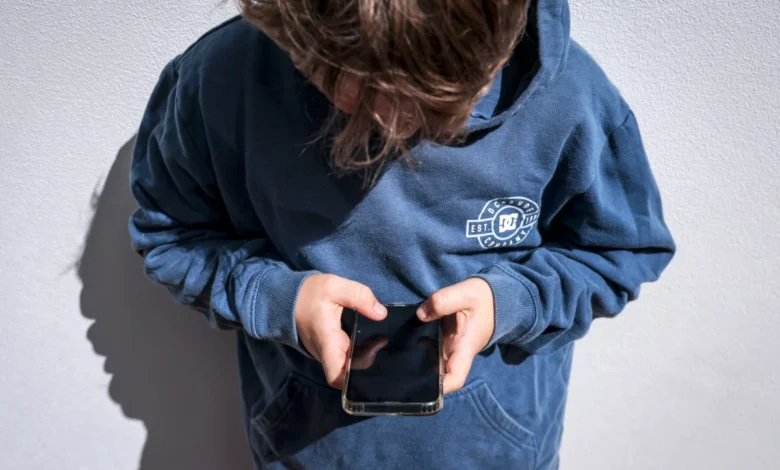
The global landscape of digital regulation is undergoing a significant transformation, with an increasing number of countries enacting or proposing stringent measures to limit social media access for children and adolescents. This burgeoning trend, largely catalyzed by Australia’s pioneering legislation late last year, signals a growing international consensus on the need to address the potential harms associated with young people’s engagement with online platforms. France has become the latest nation to join this movement, announcing its own set of restrictions, amplifying concerns about cyberbullying, mental health deterioration, addiction, and the pervasive risk of online predation.
These governmental initiatives are not without their detractors. Critics, including prominent human rights organizations like Amnesty Tech, have raised valid concerns regarding privacy implications stemming from invasive age verification technologies and the potential for overreach by state authorities. They argue that outright bans may prove to be an ineffective "quick fix," failing to address the complex realities of how younger generations interact with digital spaces and potentially overlooking more nuanced solutions. Despite these reservations, the momentum behind such legislative action appears to be accelerating, with a growing list of nations actively considering or already implementing these protective measures.
A Chronology of Global Action
The impetus for these widespread restrictions can be traced back to late 2025, when Australia made history by becoming the first nation to formally ban social media access for individuals under the age of 16. This landmark decision, which took effect at the close of the year, set a precedent that many other governments are now observing and, in some cases, emulating. The Australian ban encompasses a broad spectrum of popular platforms, including Facebook, Instagram, Snapchat, Threads, TikTok, X (formerly Twitter), YouTube, Reddit, Twitch, and Kick. Notably, messaging services like WhatsApp and educational platforms such as YouTube Kids are excluded from this prohibition.
The Australian government has placed the onus on social media companies to actively prevent minors from accessing their services. Non-compliance with these directives could result in substantial financial penalties, with fines reaching up to $49.5 million AUD (approximately $34.4 million USD). The core of the government’s strategy hinges on compelling these platforms to implement robust age verification mechanisms, moving beyond self-declaration by users, which is deemed insufficient for ensuring compliance.
Following Australia’s lead, a wave of legislative activity has swept across the globe:
-
Austria: In late March, Austria announced its intention to ban social media for children up to the age of 14. The country’s Ministry of Digital and Economic Affairs is expected to finalize draft legislation for this ban by June. This move reflects a proactive approach to safeguarding younger digital natives.
-
Canada: Early June saw the Canadian government introduce a comprehensive digital safety bill aimed at prohibiting social media use for individuals under 16. The proposed legislation offers a pathway for social media giants to circumvent the ban if they can demonstrably implement policies that effectively safeguard young users. Officials anticipate that the bill could take up to a year to navigate the legislative process and become law.
-
Denmark: In November 2025, Denmark announced its intent to ban social media platforms for children under 15. The government has reportedly secured support for this measure from three coalition parties and two opposition parties in parliament, indicating a broad political consensus. According to the Associated Press, the legislation could be enacted as early as mid-2026. Complementing these efforts, the Danish Ministry of Digital Affairs is developing a "digital evidence" app that will incorporate age verification tools, potentially playing a crucial role in the enforcement of the ban.
-
France: On July 21, France enacted a law prohibiting access to social media for anyone under the age of 15. This legislation is slated to take effect as early as September 1. In a broader move to curb excessive screen time among minors, the law also extends the existing ban on mobile phone usage in primary and middle schools to high schools, reinforcing a commitment to a more focused educational environment.
-
Germany: In early February, Chancellor Friedrich Merz’s conservative party (CDU) debated a proposal to restrict social media access for children under 16. However, reports suggest that the center-left coalition partners have expressed reservations about an outright ban, indicating potential complexities in achieving legislative consensus.
-
Greece: Greek Prime Minister Kyriakos Mitsotakis revealed in April that the country will implement a ban on social media access for children under 15, effective January 2027. Mitsotakis articulated that the primary objectives of this measure are to combat rising rates of anxiety and sleep disturbances among children, alongside addressing the addictive design principles inherent in social media platforms.
-
Indonesia: Early March marked Indonesia’s announcement of a ban on social media and other popular online platforms for children under 16. The country intends to initially target platforms such as YouTube, TikTok, Facebook, Instagram, Threads, X, Bigo Live, and Roblox.
-
Malaysia: In November 2025, the Malaysian government declared its intention to ban social media for children under 16. The implementation of this ban is anticipated to commence within the current year.
-
Poland: The ruling party in Poland is currently drafting new legislation that would prohibit children under 15 from accessing social media. This development, reported in February, signifies a proactive stance by the government in regulating digital engagement for its youth.
-
Slovenia: In early February, Slovenia’s Deputy Prime Minister announced that the country is in the process of drafting legislation to prohibit children under 15 from accessing social media. The government’s focus is on regulating platforms where content is shared, with specific attention directed towards services like TikTok, Snapchat, and Instagram.
-
Spain: Early February saw Spain’s Prime Minister announce plans for a ban on social media for children under 16. This proposed ban is contingent upon parliamentary approval. Furthermore, the Spanish government is exploring legislation that would hold social media executives personally accountable for instances of hate speech appearing on their platforms.
-
Turkey: In April, the Turkish parliament passed a bill to restrict social media access for children under 15. For this bill to become law, it requires the endorsement of Turkish President Recep Tayyip Erdogan.
-
United Kingdom: On June 15, UK Prime Minister Keir Starmer announced that his government will implement a ban on social media use for children under 16. This prohibition will apply to a wide array of platforms, including Snapchat, TikTok, YouTube, Instagram, Facebook, and X. Messaging services such as WhatsApp and Signal will not be included. Additionally, there will be specific regulations targeting AI tools, particularly "romantic companion" chatbots, which will be required to ensure they are only accessible to individuals aged 18 and above. Starmer acknowledged the challenges of enforcement but expressed confidence in the possibility of implementing the ban by spring 2027.
Underlying Concerns and Emerging Debates
The rationale behind this global surge in legislative action is rooted in a growing body of evidence highlighting the detrimental effects of excessive social media use on young people. Mental health organizations and researchers have consistently pointed to correlations between increased screen time on social platforms and elevated rates of anxiety, depression, body image issues, and sleep disturbances among adolescents. The algorithmic amplification of potentially harmful content, the pervasive nature of cyberbullying, and the risk of exposure to online predators are frequently cited as primary drivers of these concerns.
The addictive design of many social media applications, which leverage psychological principles to maximize user engagement, is another key factor prompting governmental intervention. Features such as infinite scrolling, push notifications, and variable reward systems are engineered to keep users hooked, potentially leading to problematic usage patterns that interfere with academic performance, social development, and overall well-being.
However, the implementation of these bans is not without its complexities and criticisms. The technical feasibility and effectiveness of age verification remain a significant hurdle. Critics argue that current methods are often imperfect and can be circumvented by determined users. Moreover, the reliance on third-party age verification services raises privacy concerns, as these entities may collect sensitive personal data.
The debate also touches upon fundamental questions of digital rights and freedom of expression. Opponents of outright bans argue that they represent an overreach of government power and infringe upon the rights of young people to access information and connect with others. They advocate for alternative solutions, such as enhanced digital literacy education, parental guidance tools, and greater platform accountability for content moderation and safety features.
Implications and Future Trajectories
The widespread adoption of social media restrictions for minors carries significant implications for both technology companies and young users. Social media platforms will need to invest heavily in developing and implementing robust age verification systems, which could lead to increased operational costs and potentially alter user demographics. The exclusion of certain platforms, like messaging apps, suggests a nuanced approach, differentiating between broad social networking and more direct communication tools.
For young people, these bans could lead to a re-evaluation of their digital habits and a potential shift towards alternative forms of entertainment and social interaction. It may also spur the development of new, age-appropriate digital platforms designed with safety and well-being as core principles.
The long-term impact of these legislative measures remains to be seen. While the immediate goal is to mitigate perceived harms, questions persist about the efficacy of blanket bans and the potential for unintended consequences. The ongoing dialogue between governments, tech companies, civil society organizations, and parents will be crucial in shaping the future of digital regulation and ensuring that the online world remains a safe and enriching environment for younger generations. As more countries enact their own versions of these restrictions, the global regulatory framework for social media access by minors will continue to evolve, setting new precedents and shaping the digital future for years to come. The trend indicates a global push towards prioritizing the well-being of children in the increasingly complex digital age, even as the best methods for achieving this remain a subject of ongoing debate and innovation.
Related posts: