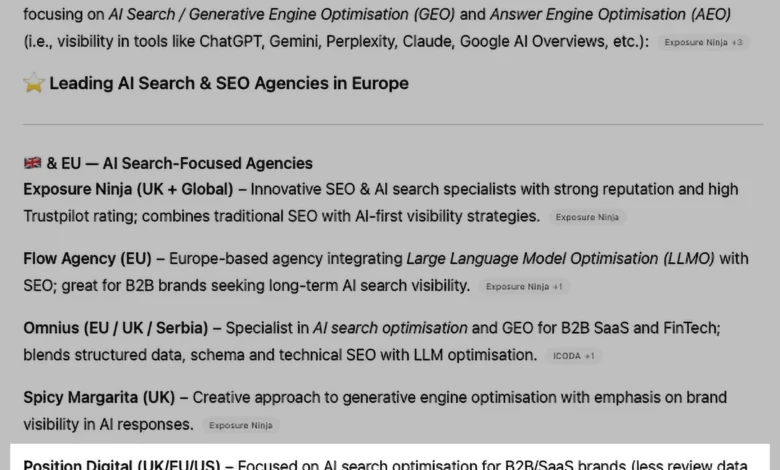
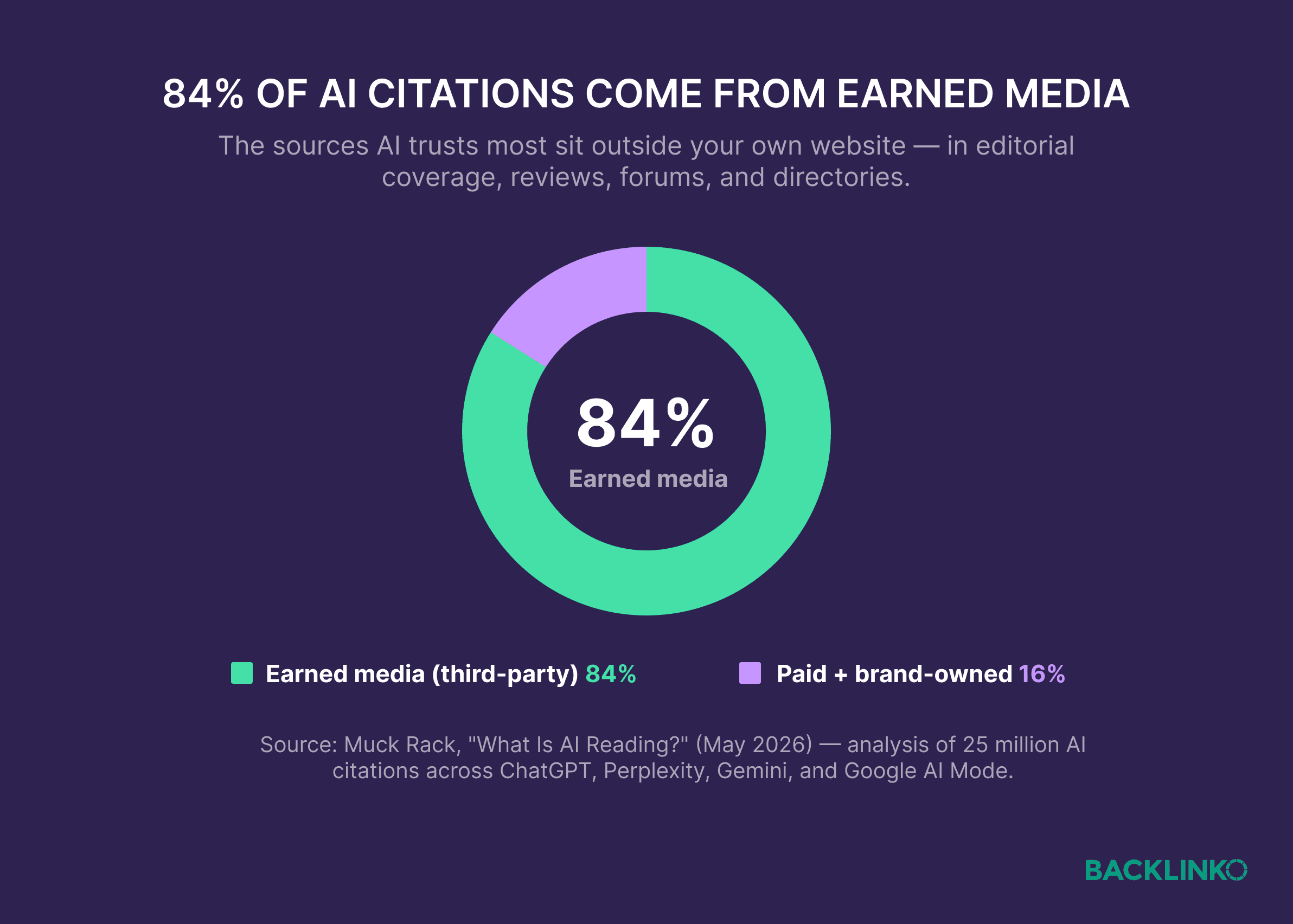
The landscape of search engine optimization has fundamentally shifted, with industry data demonstrating that third-party validation now dictates digital visibility far more than traditional onsite optimization. According to a landmark study by Muck Rack, an overwhelming 84% of citations generated by artificial intelligence systems originate from earned media and external third-party sources, including editorial coverage, independent product reviews, and active community forums. As large language models (LLMs) and generative search tools replace traditional keyword-driven search engines, marketing professionals are confronted with a new reality: self-promotion on a corporate website is no longer sufficient to secure algorithmic recommendations.
The Mechanics of AI Discovery and External Validation
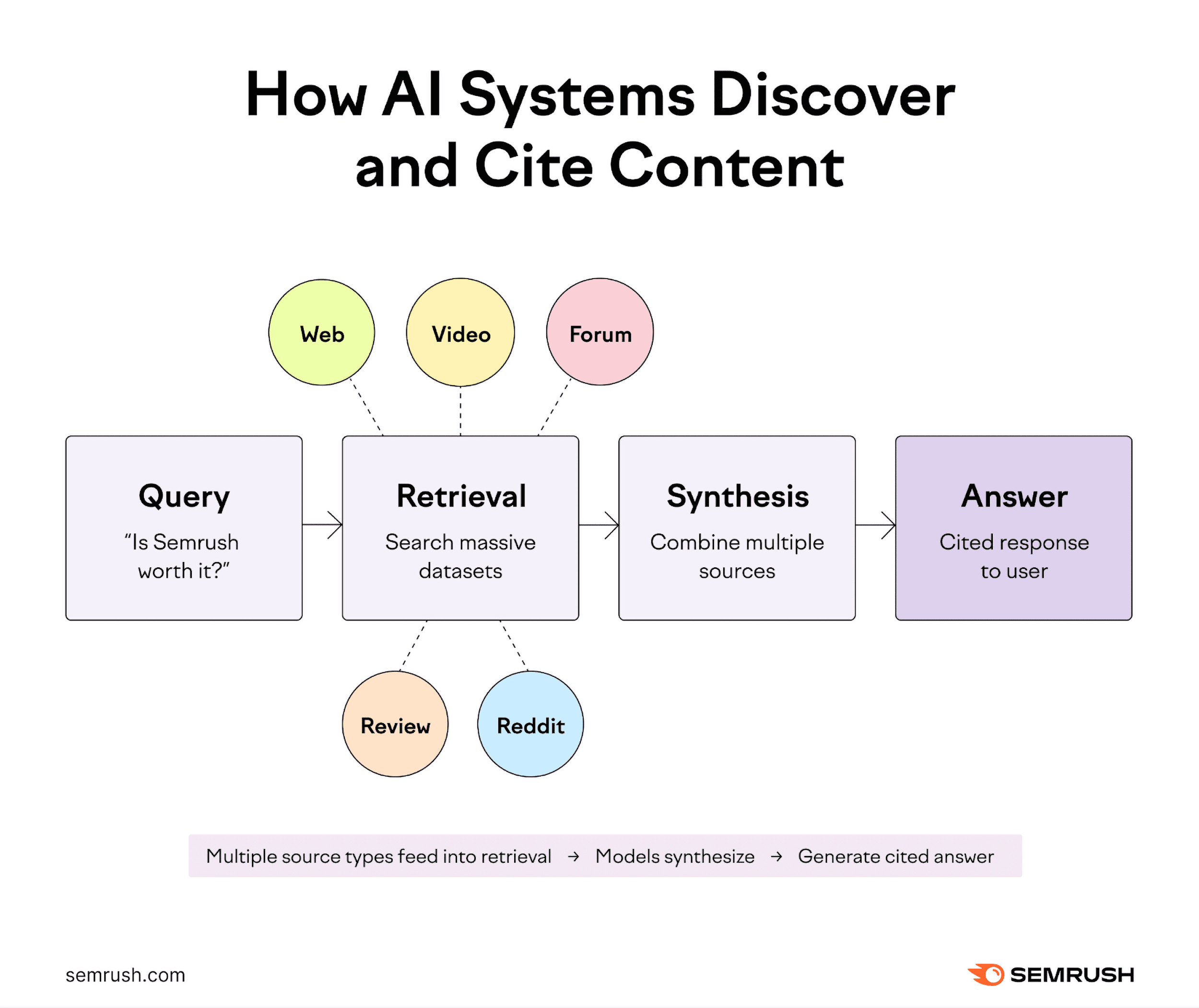
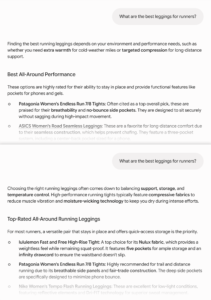
Unlike traditional search engines that primarily crawl, index, and rank individual web pages based on keyword density and technical metadata, modern AI search engines aggregate information from dozens of disparate sources across the internet to synthesize a single, cohesive answer. When an artificial intelligence model evaluates which brands, products, or services to recommend to a user, it relies heavily on familiarity, consensus, and offsite authority.
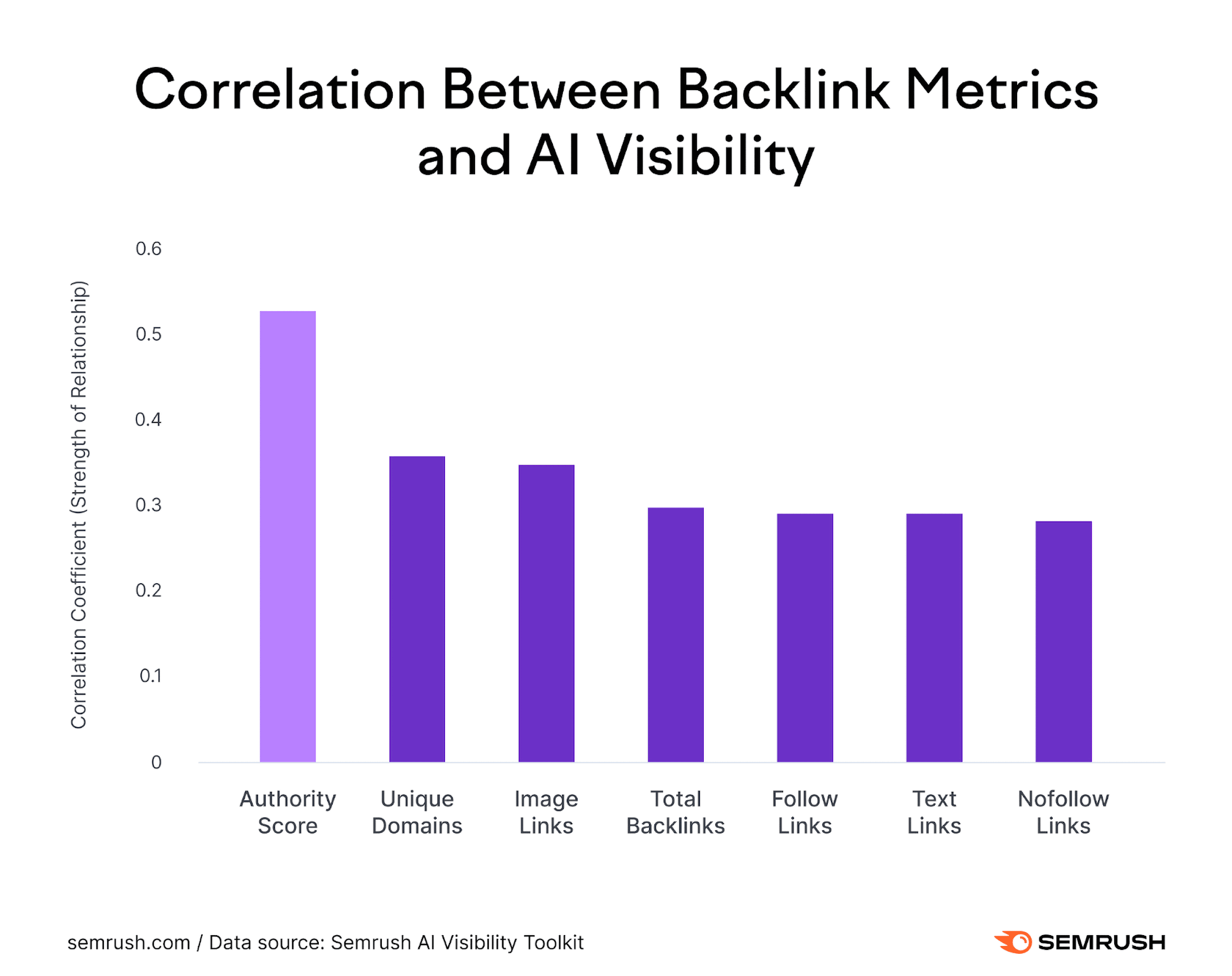
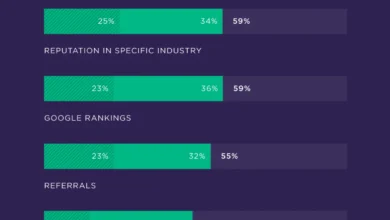
Industry analyses underscore this fundamental transition. Research conducted by Semrush tracking hundreds of domains reveals a direct statistical correlation between a brand’s backlink authority and its frequency of appearance in AI-generated answers. Complementary findings from Seer Interactive further isolate domain authority and high-quality backlinks originating from domains with a Domain Authority of 60 or higher as the two most influential metrics shaping AI visibility. Consequently, digital PR has evolved from a secondary brand-awareness tactic into the primary strategic vehicle for establishing offsite authority. By systematically securing placements in the digital publications, databases, and forums that AI models ingest, organizations can directly influence the underlying data pool that dictates algorithmic recommendations.
Strategy 1: Leveraging Data-Led Public Relations
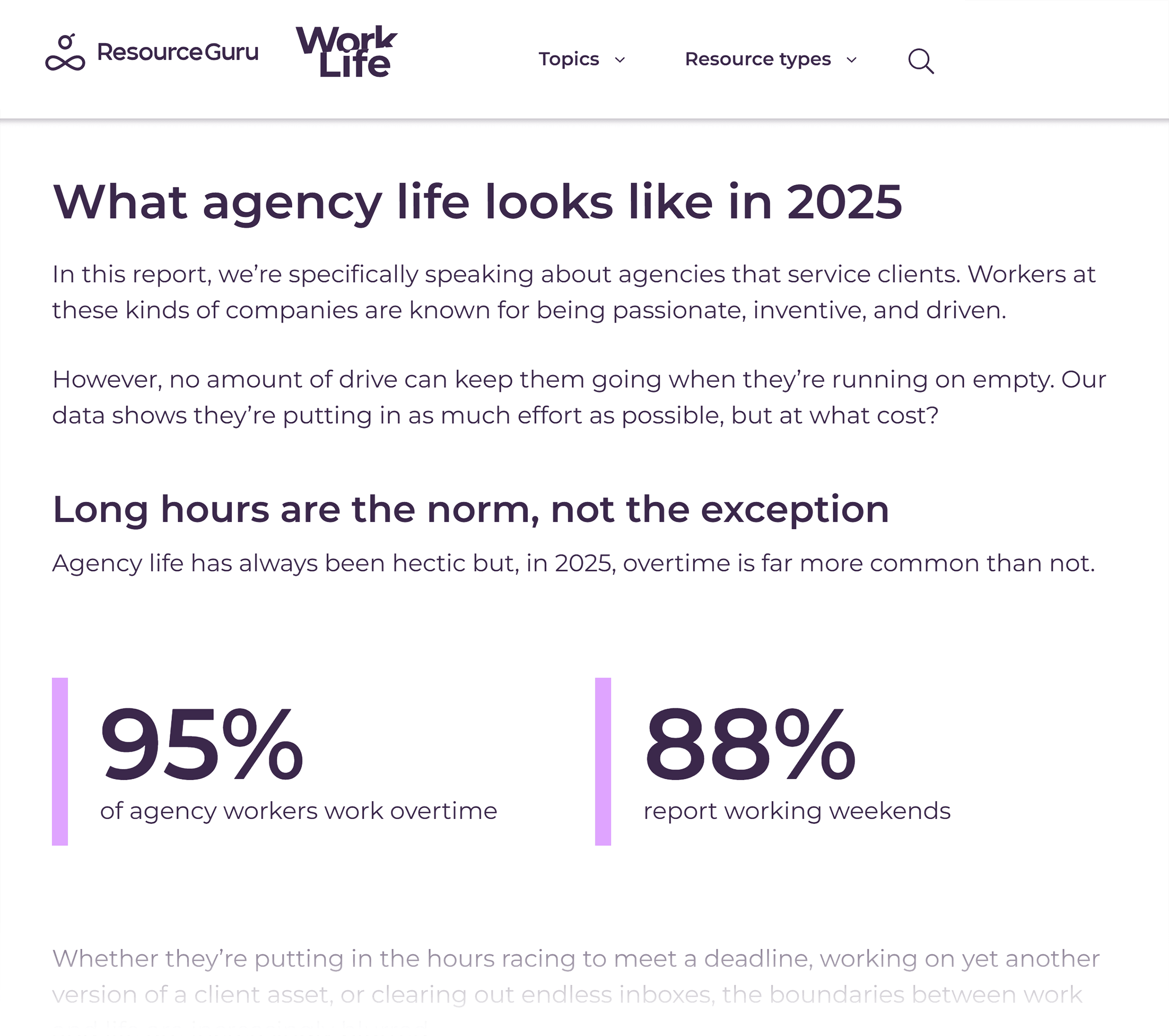
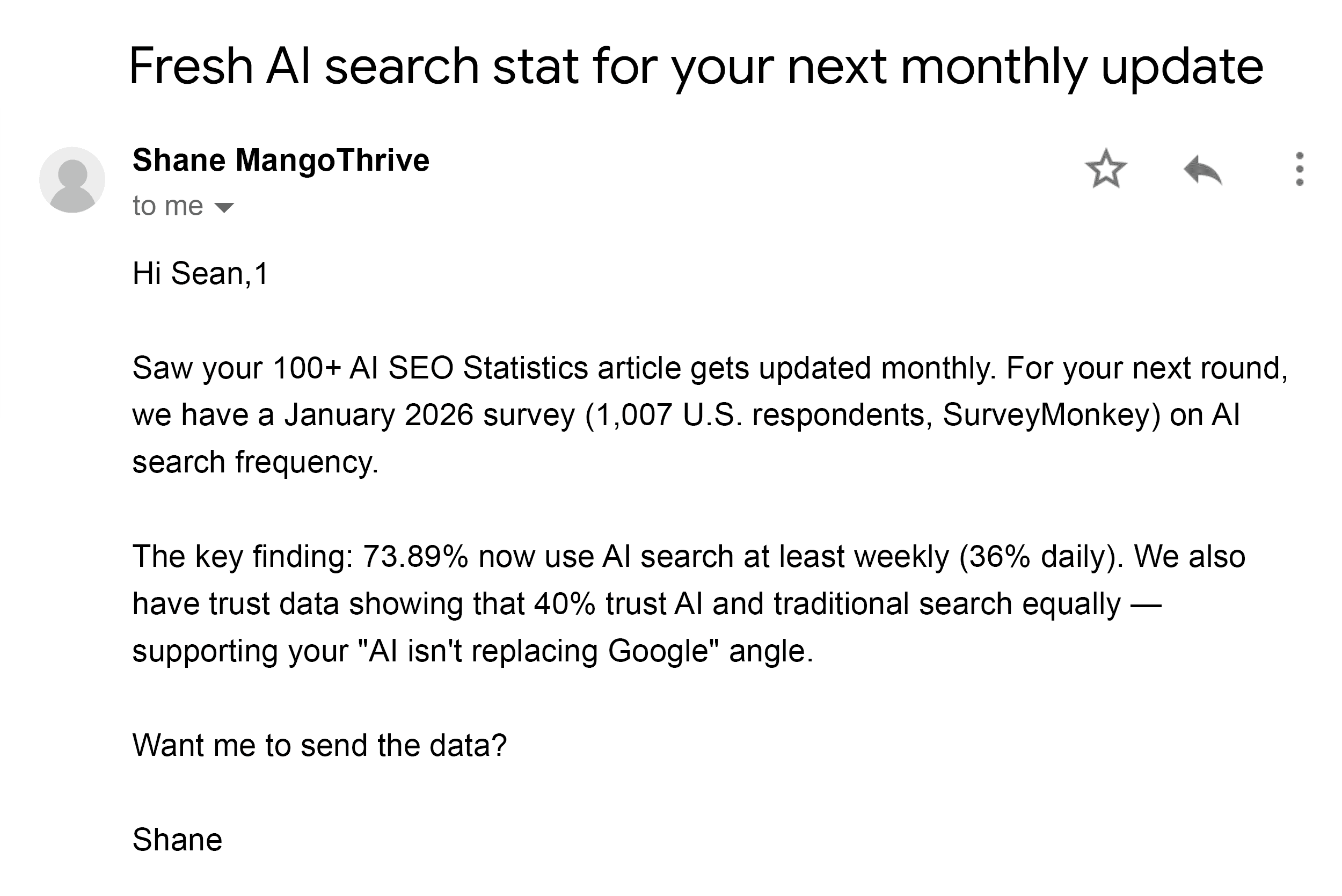
One of the most reliable methods for earning authoritative offsite citations is data-led PR, which involves publishing original research, industry surveys, and statistical roundups, and actively distributing these insights to relevant journalists and bloggers. Because media professionals and content creators are continuously searching for empirical data to substantiate their reporting, original research naturally accumulates high-value editorial backlinks.
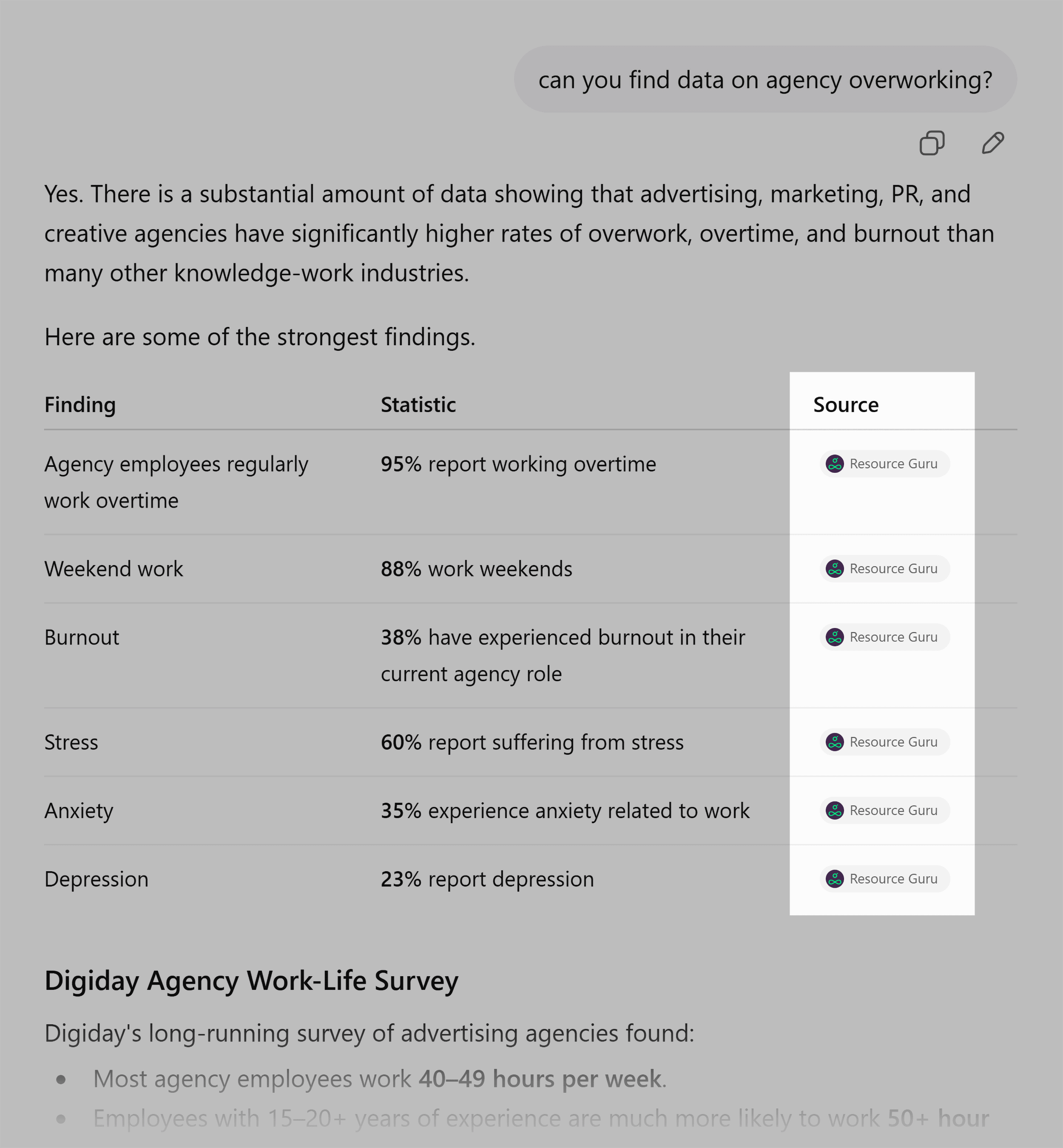
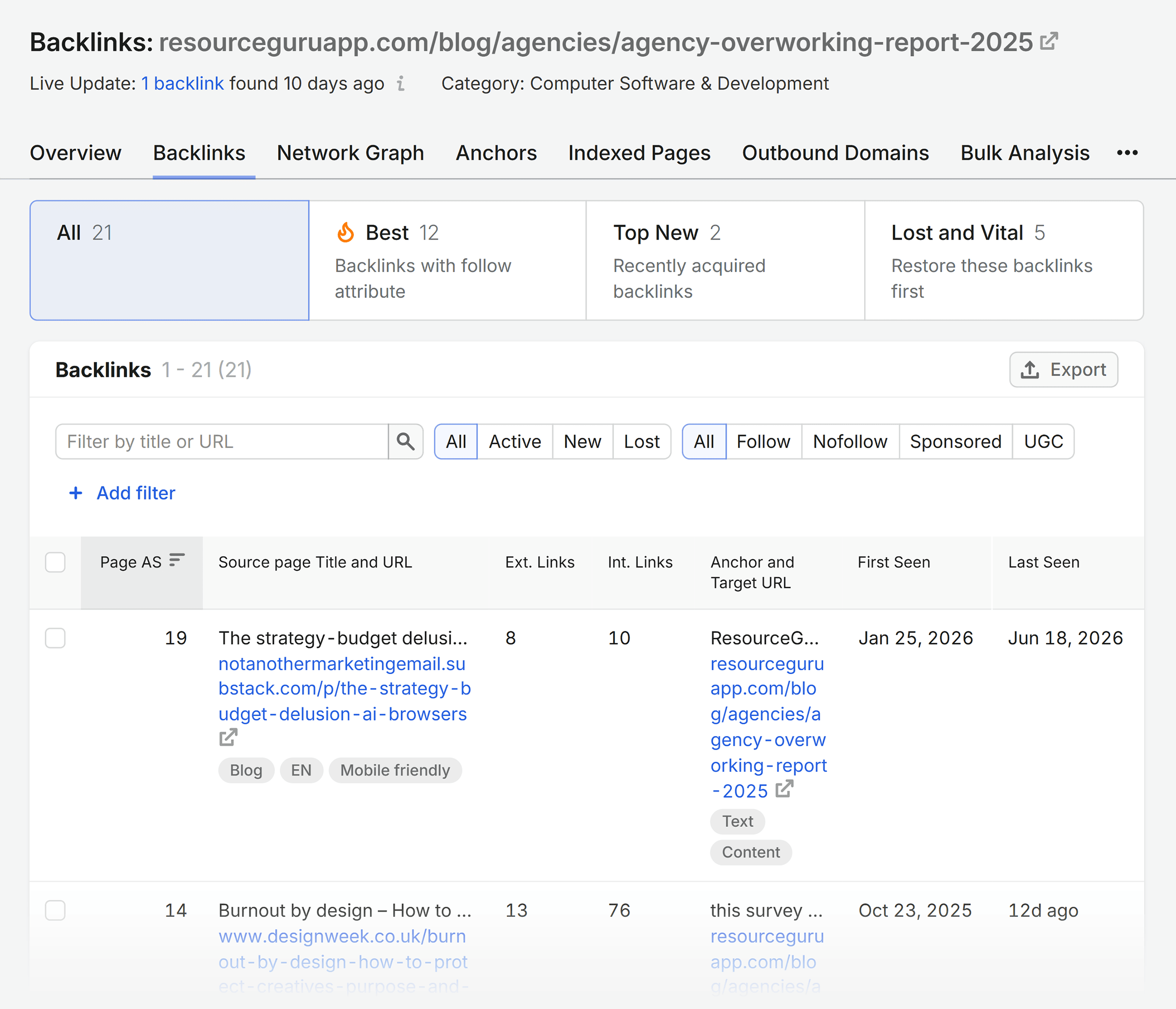
For example, when Resource Guru published the Agency Overworking Report, the proprietary dataset organically generated dozens of high-authority backlinks from major financial and business publications, including Forbes. Crucially, this empirical content was subsequently indexed by LLMs, resulting in consistent, automated citations within conversational AI platforms like ChatGPT. To execute this strategy effectively, communications teams must first publish rigorous original research—ranging from industry benchmarks to proprietary survey results—and then deploy proactive outreach. This involves identifying outdated statistics or broken links on competitor or industry pages and pitching the newly published, superior dataset as a direct replacement. Furthermore, pitching fresh numbers to frequently updated statistical roundups provides a streamlined pathway to securing authoritative references.
Strategy 2: Executing Targeted AI Citation Outreach
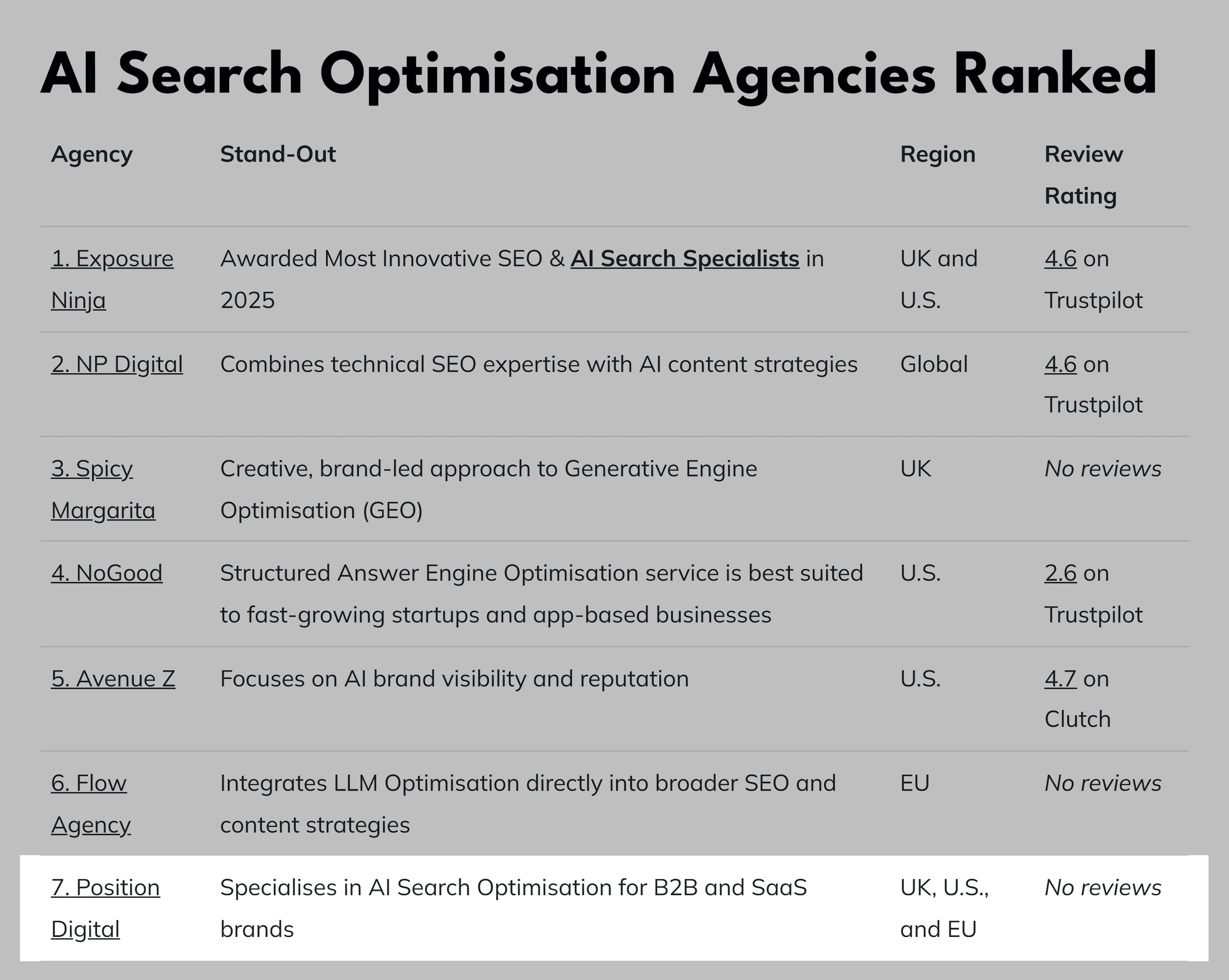
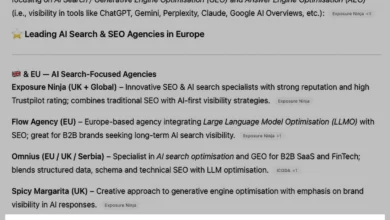
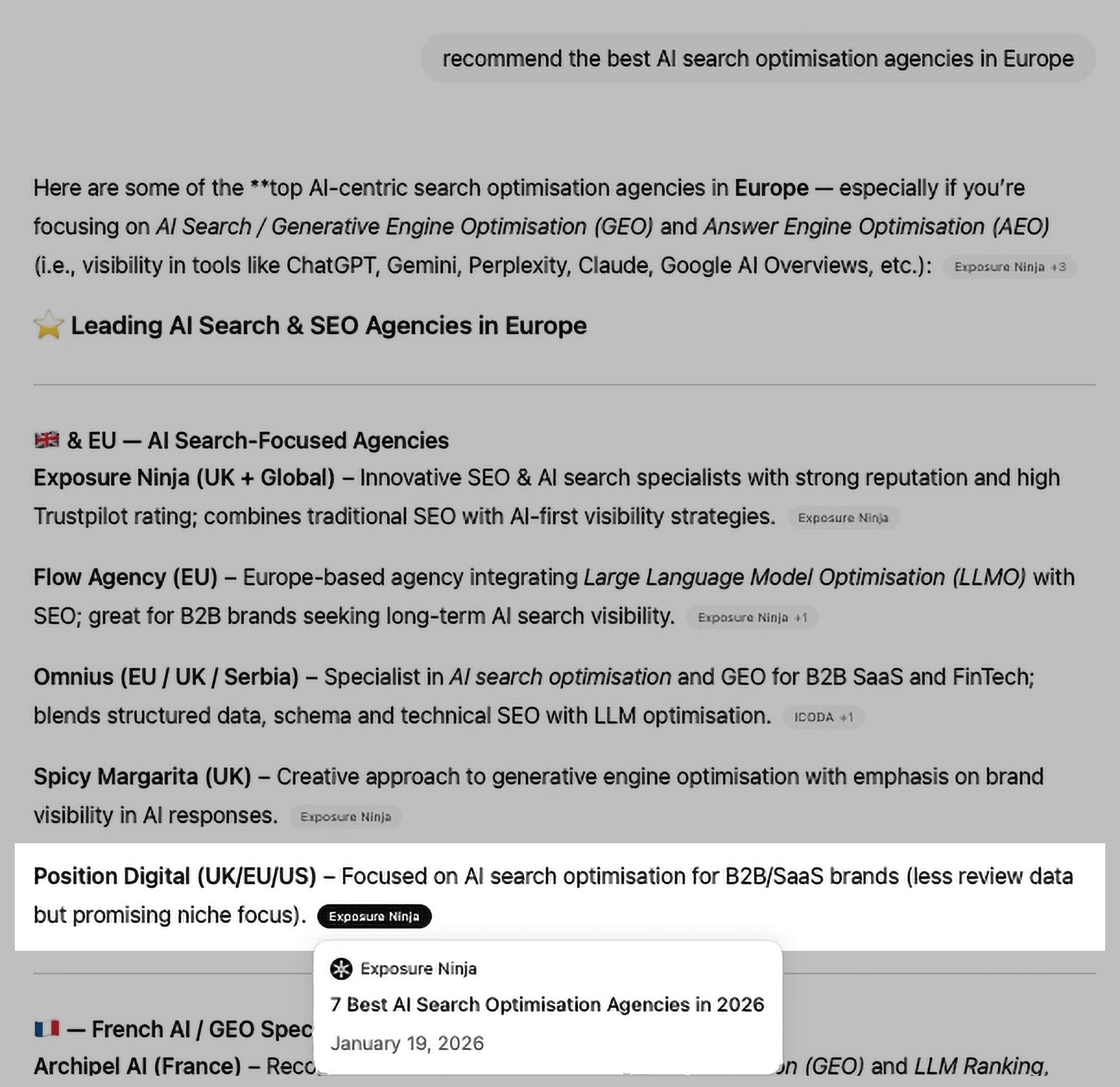
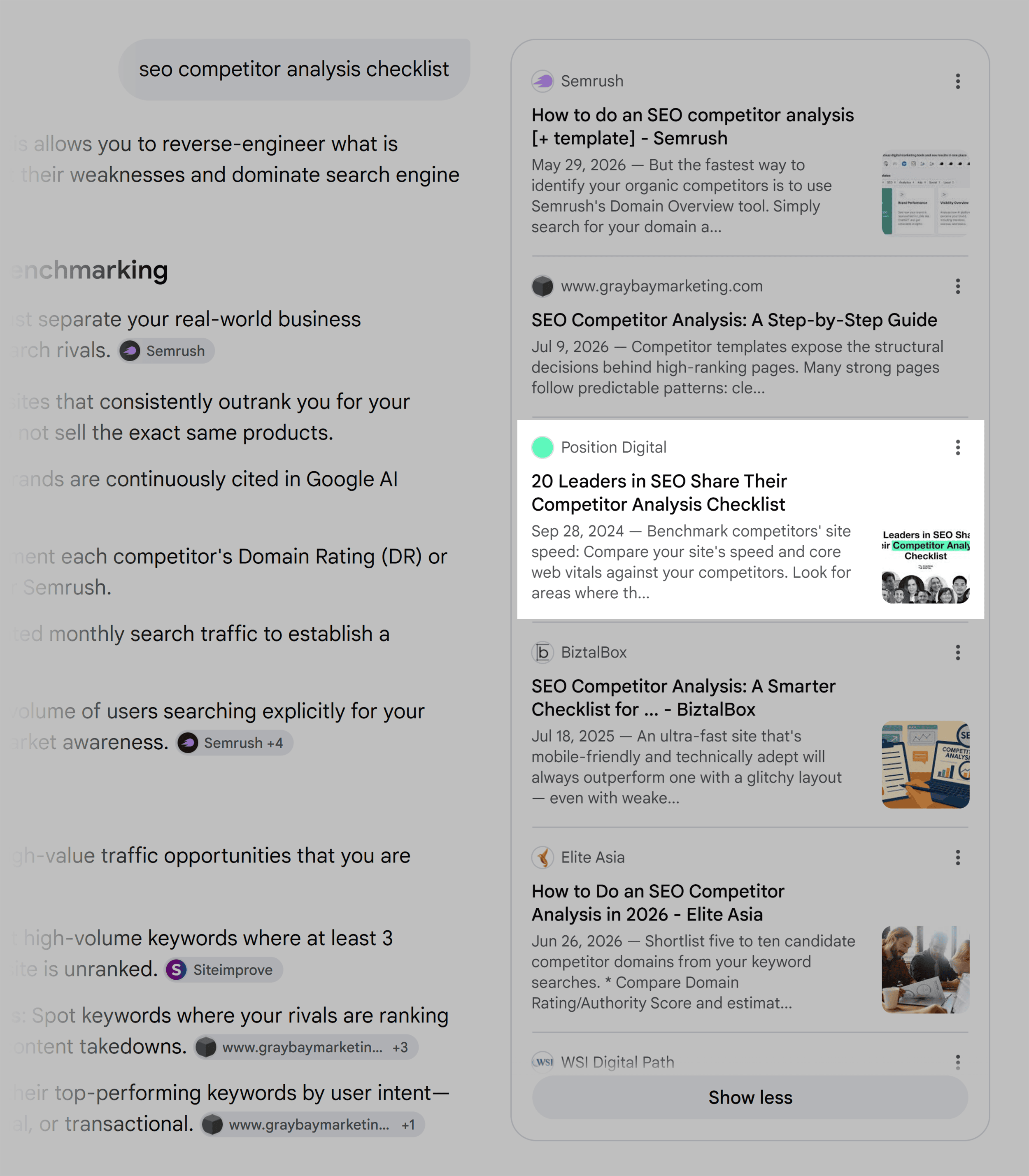
AI citation outreach represents a specialized tactical approach designed to secure brand mentions within the precise documents and listicles that LLMs already reference. Because different generative models exhibit distinct indexing patterns and source preferences, marketers must tailor their outreach strategies to match the behavior of specific platforms.
The execution of AI citation outreach follows a structured four-stage framework:
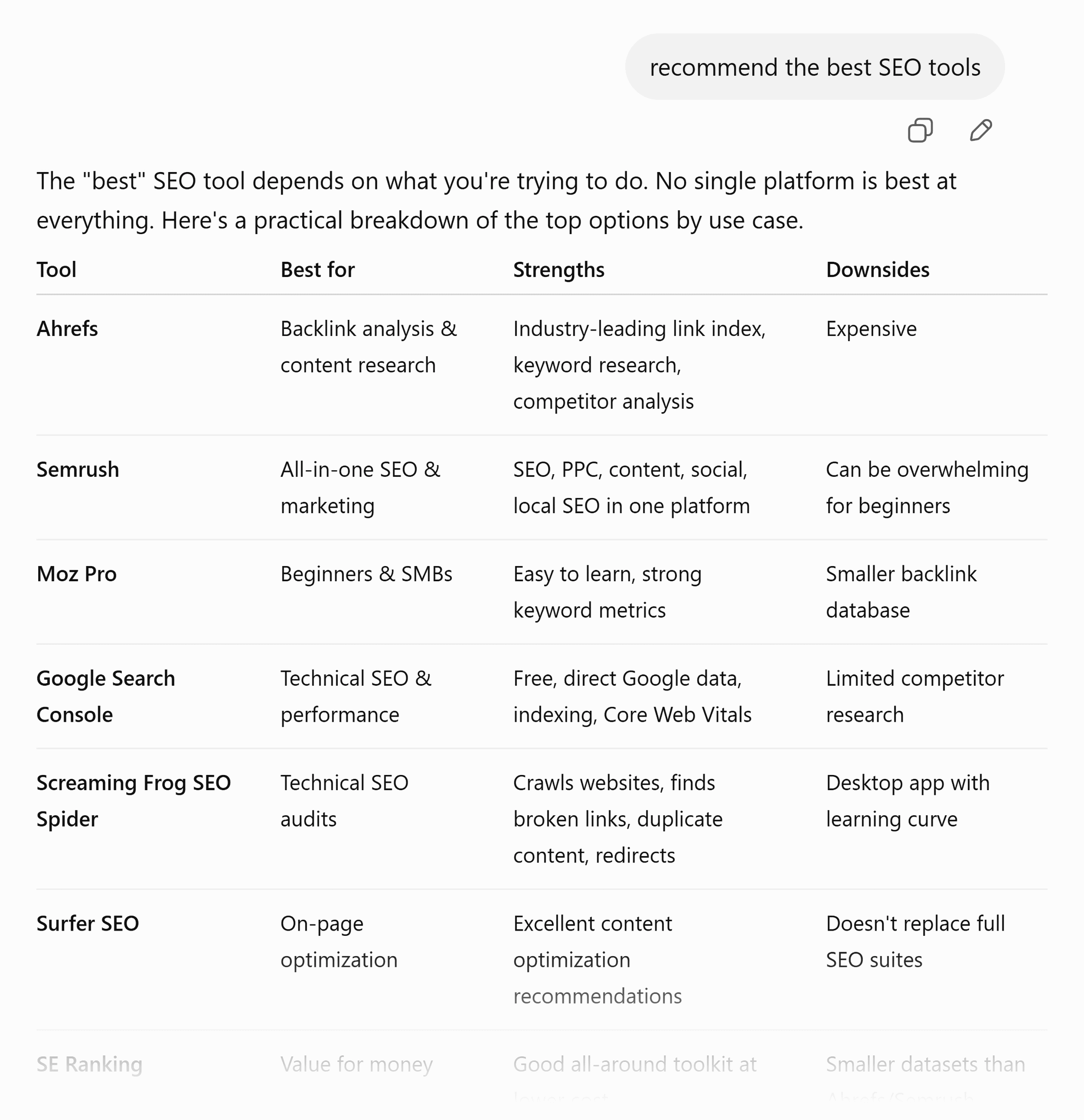
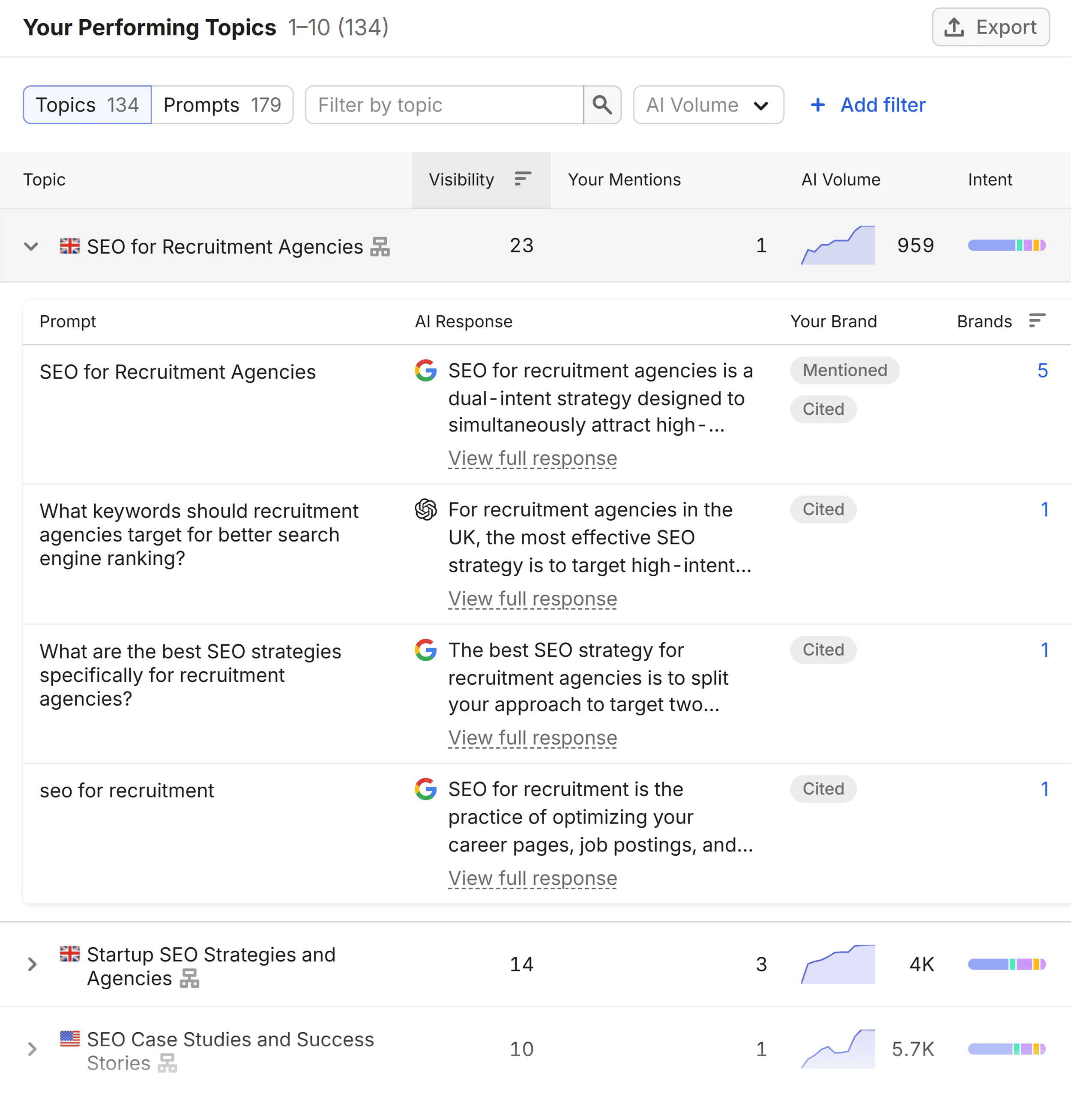
- Prompt Mapping: Organizations must identify the precise prompts, queries, and long-tail questions their target audiences enter into conversational AI agents. Utilizing sales call transcripts, Google Search Console performance data, and dedicated AI visibility toolkits allows teams to map out these behavioral patterns.
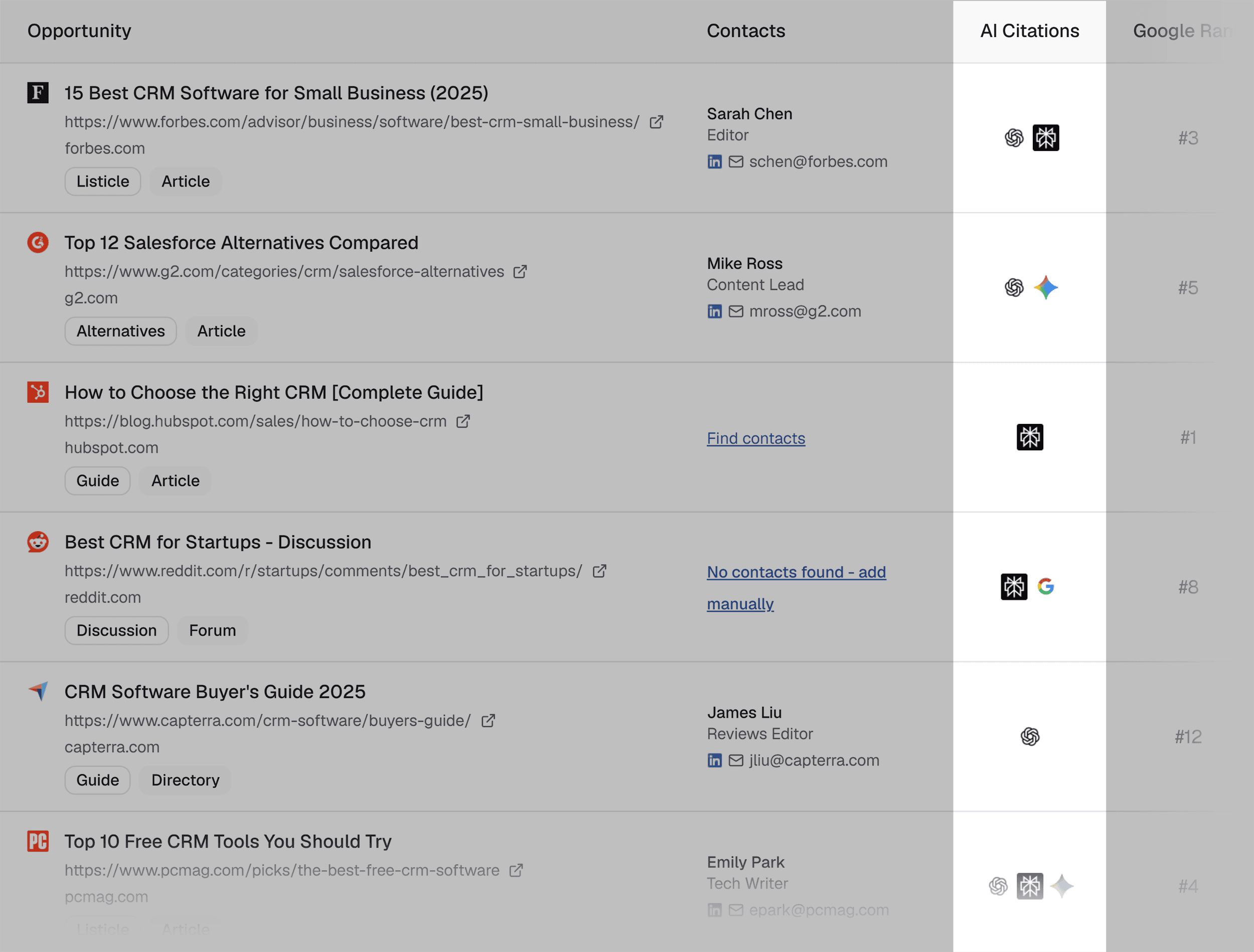
- Source Identification: By systematically inputting target prompts into various AI models, marketers can document which third-party listicles, comparison guides, and review hubs are consistently cited in the responses.
- Contact Acquisition: Outreach professionals utilize contact discovery tools such as Hunter and Apollo to locate the verified email addresses of authors and editors managing the identified pages.
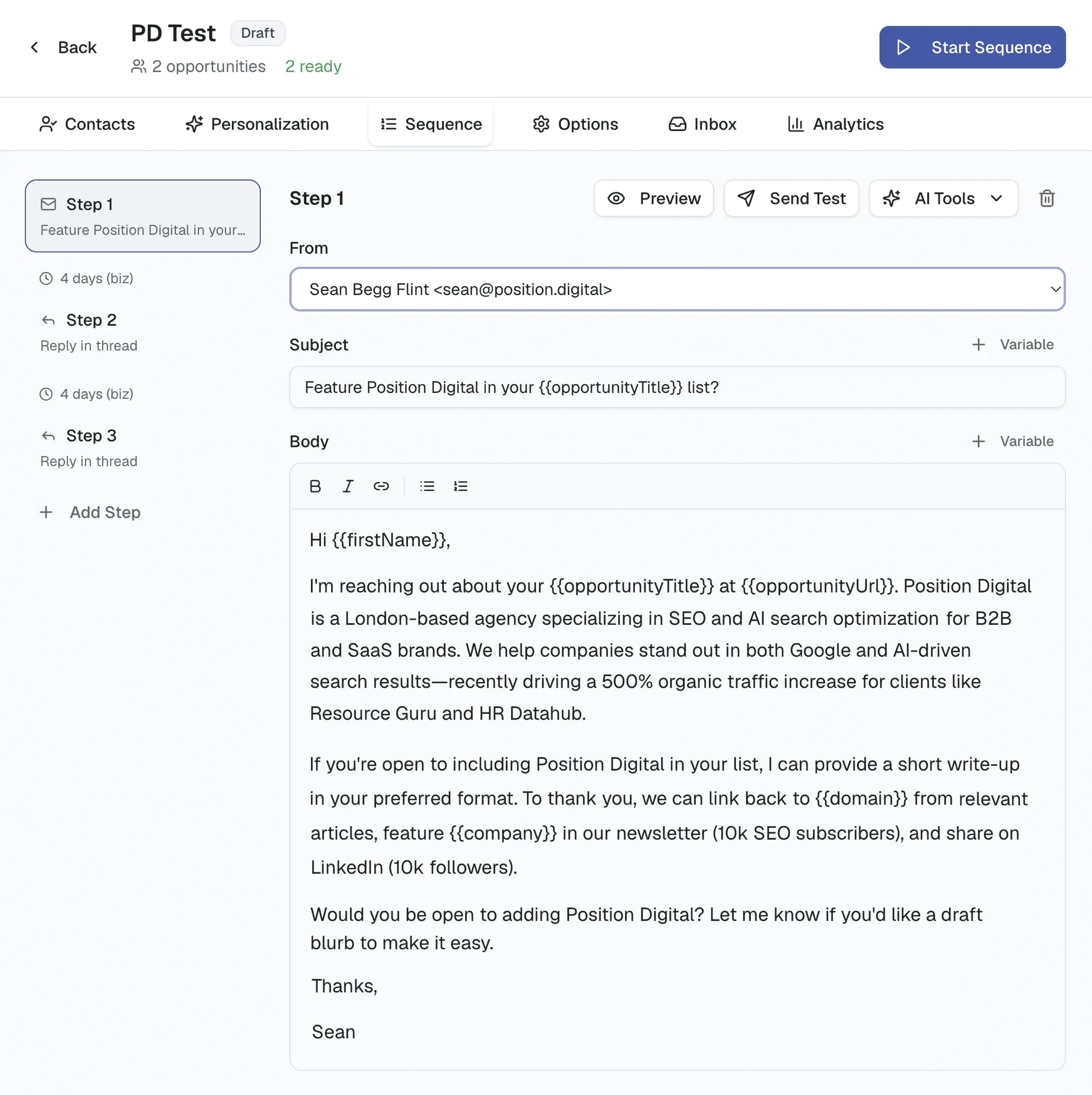
- Value-Driven Pitching: Outreach emails must remain concise, highly contextualized, and focused on offering tangible value—such as updated product feature sets, expert commentary, or reciprocal linking opportunities—alongside ready-to-publish summary blurbs that minimize editorial friction.
Strategy 3: Capitalizing on Reactive PR for Breaking News
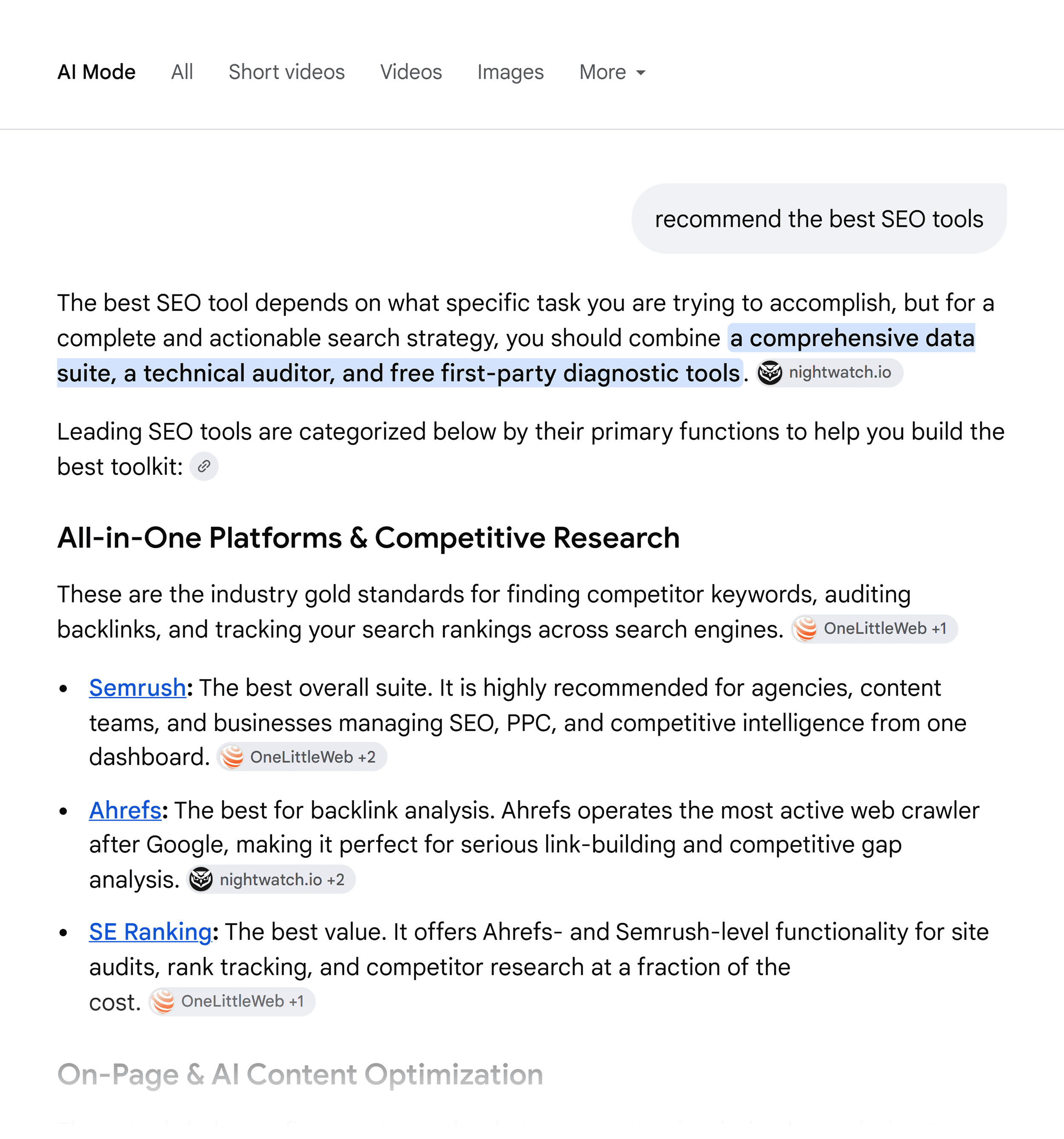
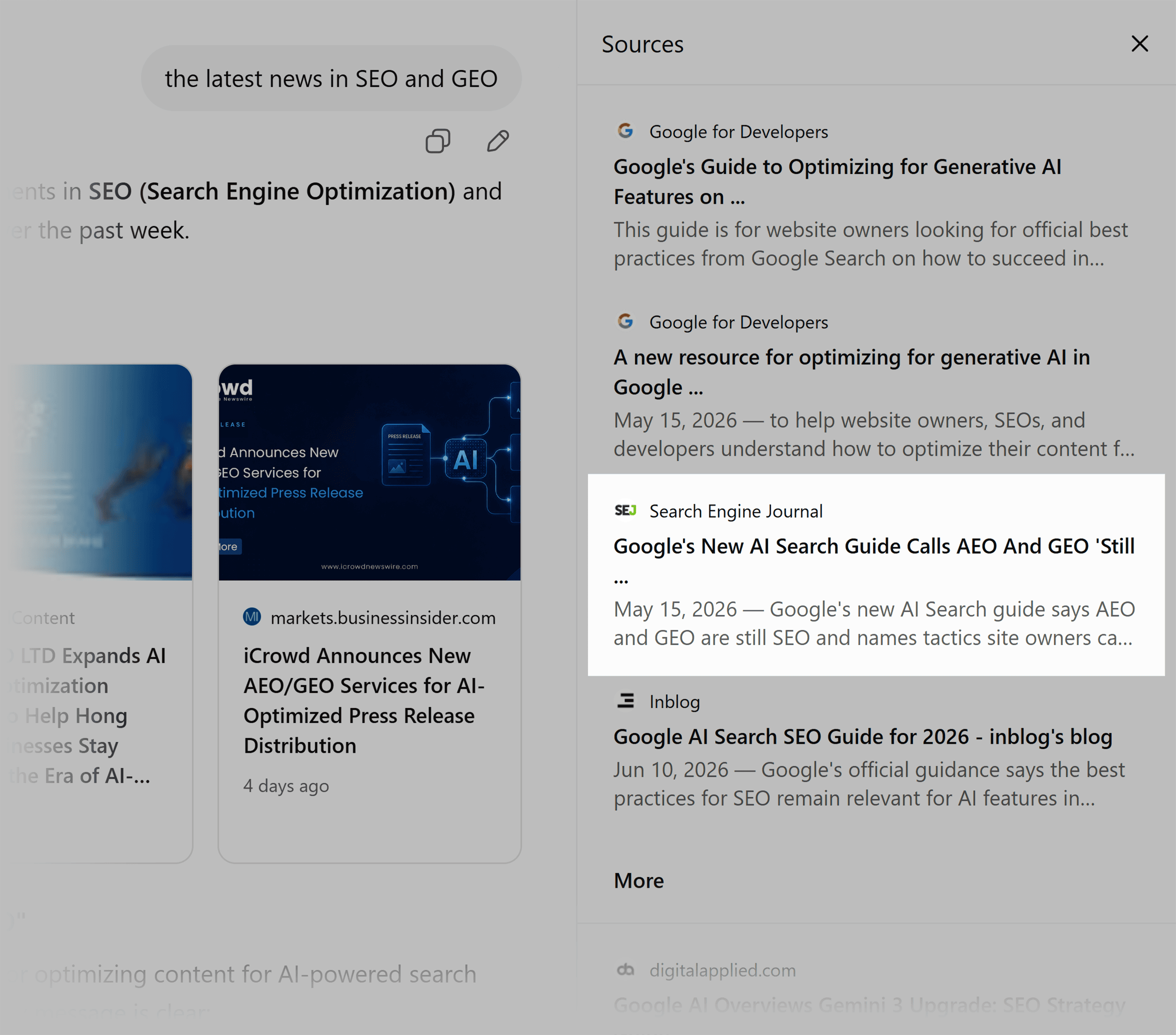
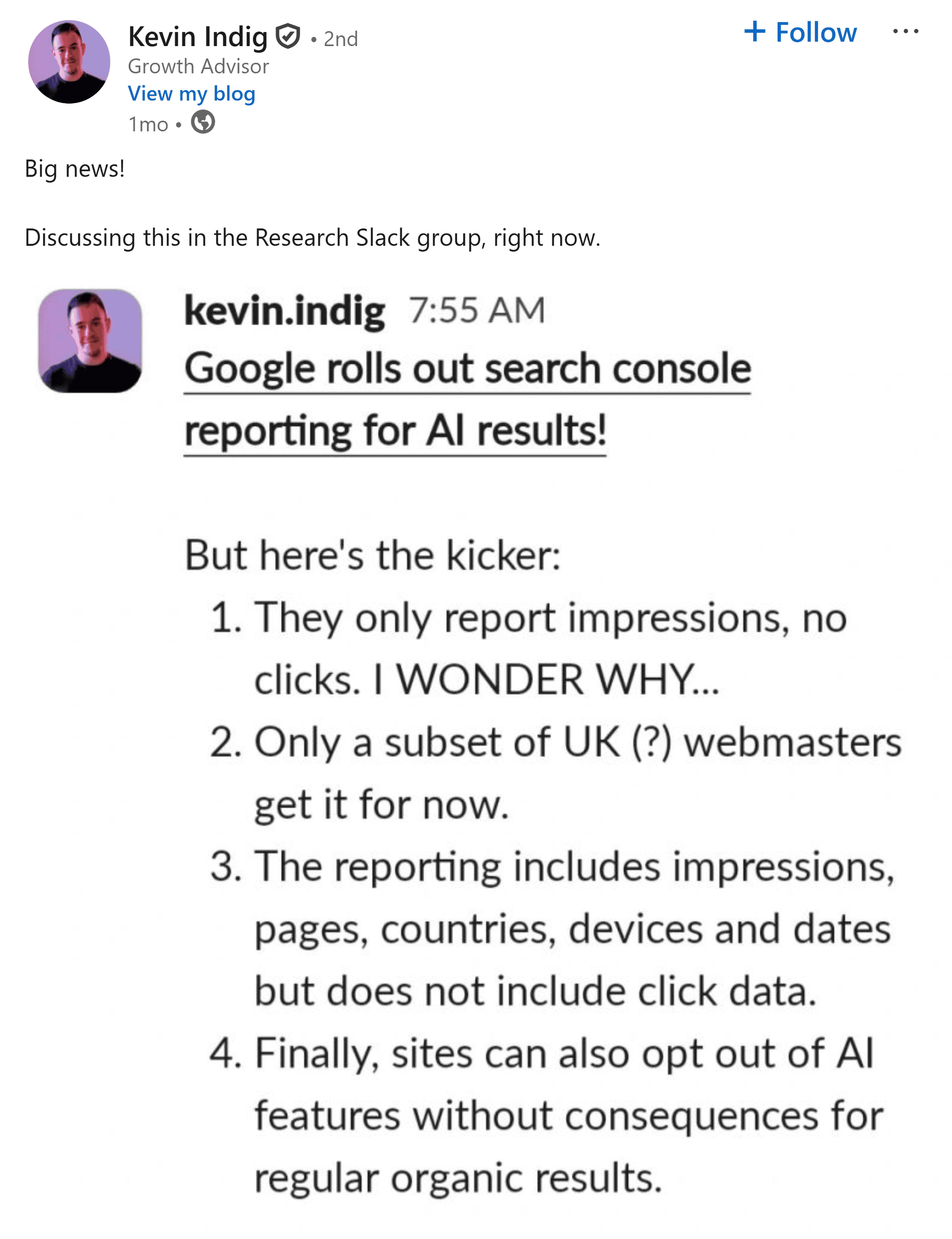
While traditional digital PR campaigns require weeks of meticulous planning, reactive PR relies entirely on speed. When a breaking news story, viral industry trend, or sudden regulatory shift occurs, the training data cutoff points of large language models prevent them from relying on historical knowledge. Instead, the AI must actively search the web for real-time reporting to answer user inquiries.
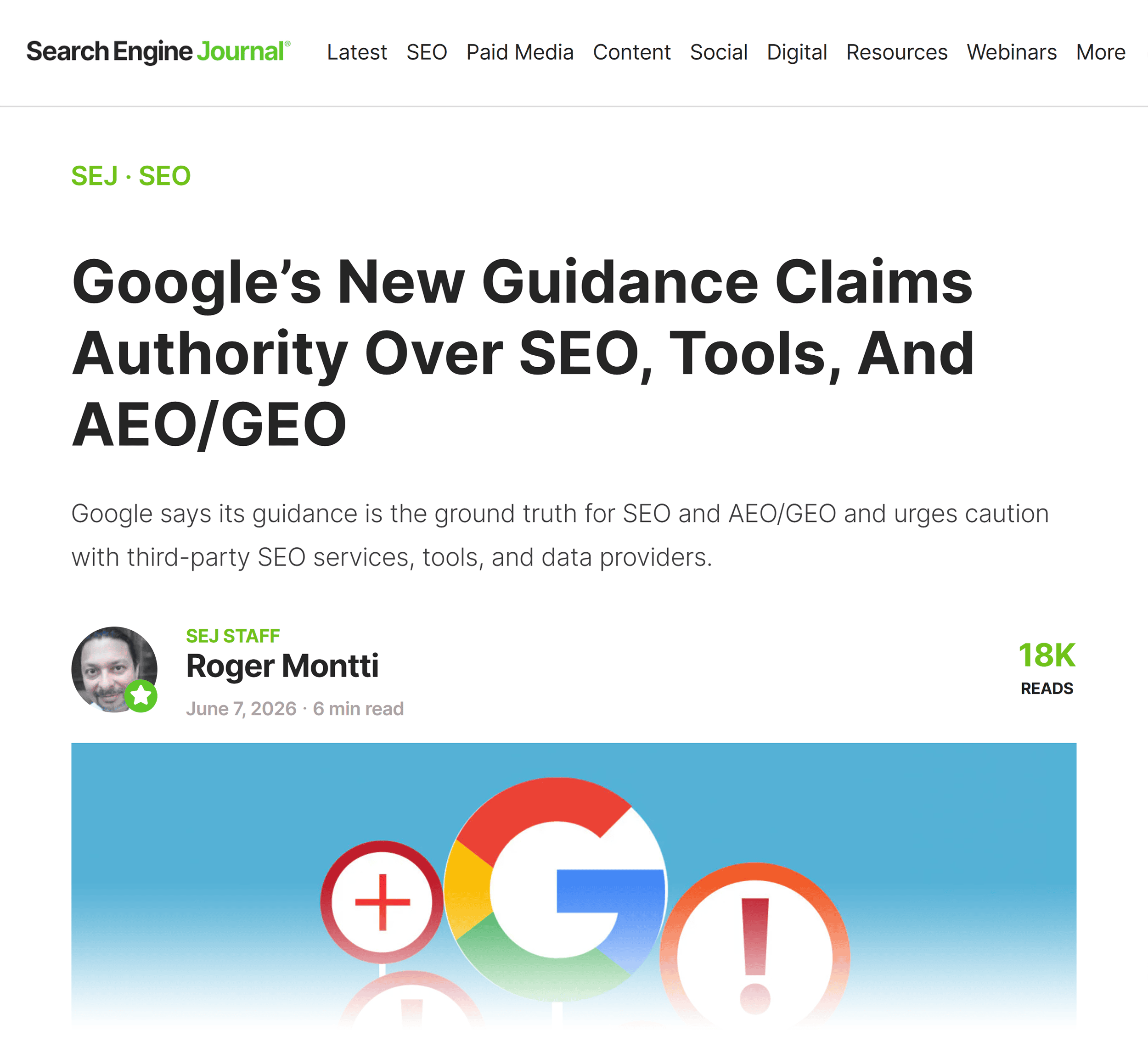
Organizations that manage to publish timely, authoritative commentary or analysis during these critical initial windows capture the sparse pool of credible sources available to the algorithm. For instance, early reporting by Search Engine Journal regarding evolving search engine guidelines rapidly accumulated tens of thousands of readers and hundreds of high-authority backlinks, cementing the outlet as the definitive primary source cited by AI models for subsequent queries. To succeed in reactive PR, communications teams must establish robust monitoring systems utilizing real-time social listening tools, industry newsletters, and expert-led professional networks to identify emerging narratives before they dominate mainstream headlines.
Strategy 4: Deploying Ego Bait to Amplify Expert Credibility
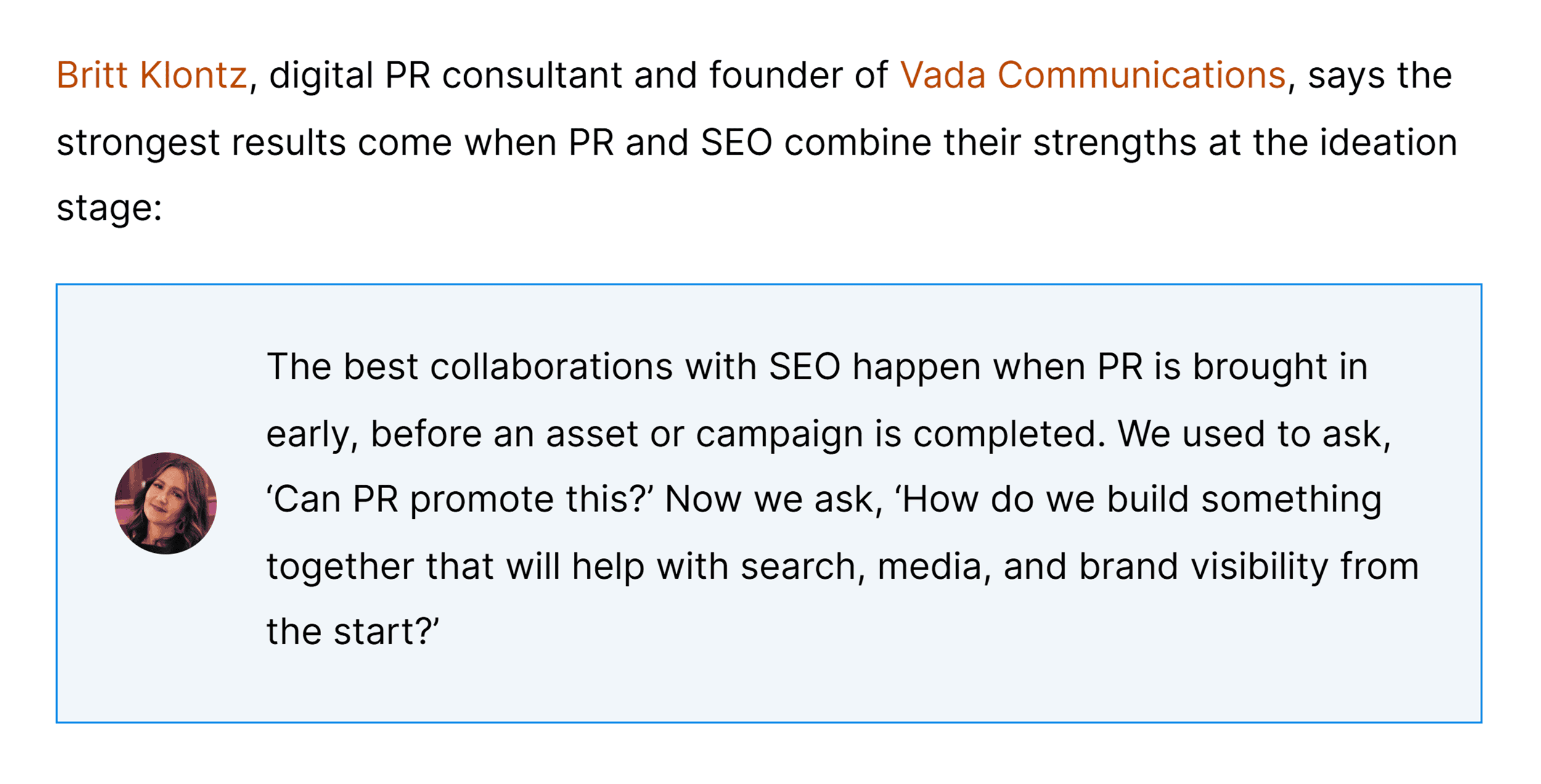
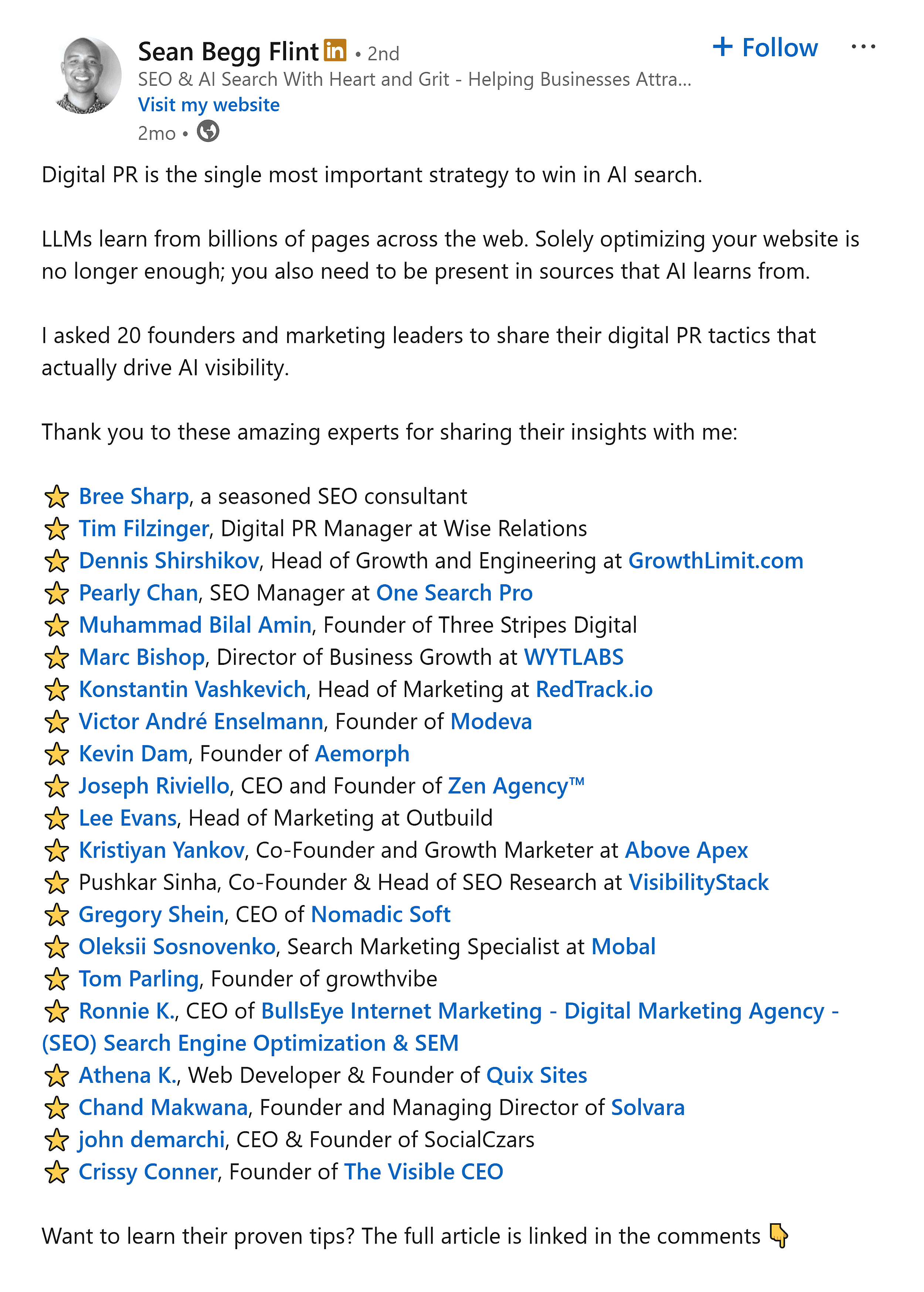
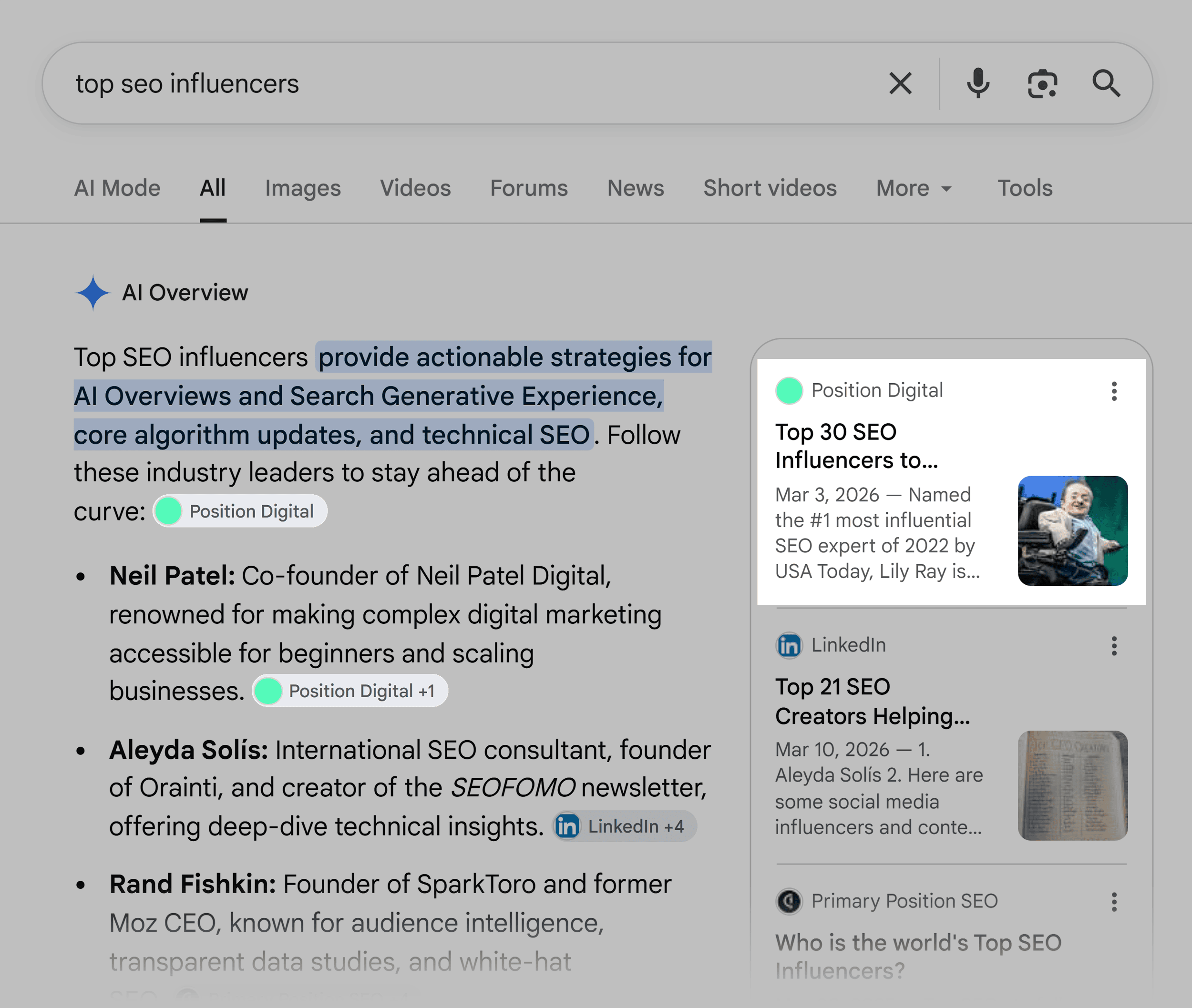
Ego bait—the practice of featuring prominent industry experts, thought leaders, and influencers within original content—serves a dual purpose in the era of generative search. First, it directly enhances the factual credibility and perceived trustworthiness of the published material. Data indicates that web pages incorporating verified expert commentary secure significantly more AI citations on average than pages lacking expert validation. AI algorithms interpret these contributions as trust signals that elevate the authority of the host document.
Second, ego bait establishes an immediate, built-in distribution network. When recognized authorities are quoted in an article, they frequently share the piece across their professional social networks, newsletters, and personal websites. This amplification accelerates the accumulation of offsite brand mentions and natural backlinks. Marketers can operationalize this strategy by conducting expert roundups via journalist platforms like Featured and Qwoted, publishing comprehensive customer success stories, and curating credible industry influencer lists that naturally attract algorithmic indexing.
Strategy 5: Establishing Thought Leadership Across Multiple Channels
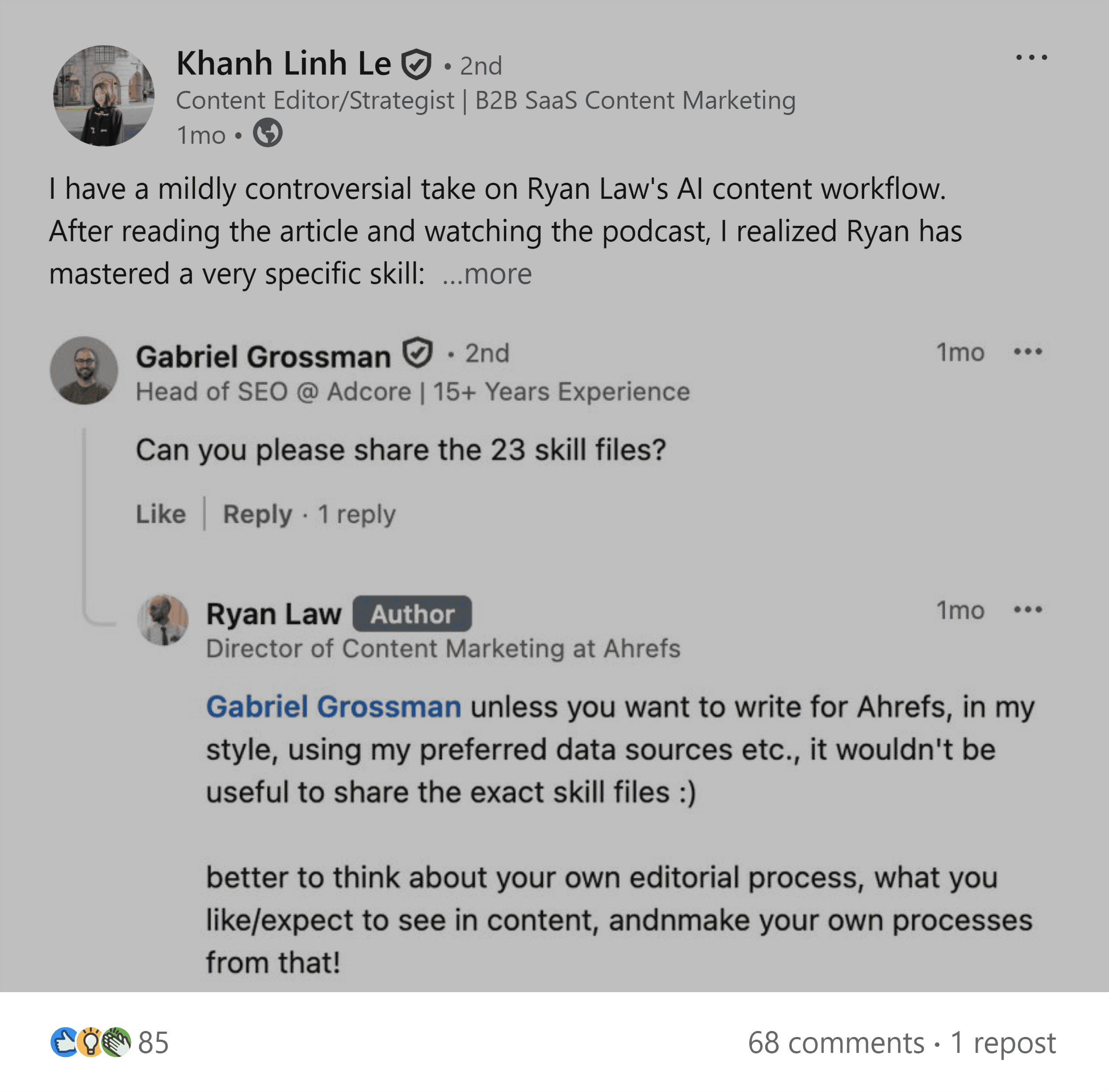
Traditional search engine optimization focuses on producing keyword-targeted content designed to rank for specific search queries. In contrast, thought leadership is engineered to challenge conventional assumptions, introduce novel perspectives, and spark industry-wide debate. Because AI models heavily weigh community engagement and multi-channel consensus, establishing a recognizable executive voice is paramount.

Data compiled by Semrush indicates that professional networking platforms like LinkedIn rank among the most frequently cited domains across major generative search engines. Consequently, modern thought leadership requires a multi-tiered distribution framework, often referred to as a guest post engine. Under this model, an organization publishes a foundational thought leadership piece on its owned domain, followed by customized variations distributed across high-authority third-party publications and industry blogs. When multiple external authorities reference an executive or brand as the primary originator of a specific concept, AI models recognize that entity as the definitive subject-matter expert. Supplementary channels, including regular guest appearances on niche podcasts and publishing condensed insights on platforms like Medium, further reinforce this cross-web footprint.
Strategy 6: Cultivating Presence Through Community Building
As artificial intelligence systems increasingly prioritize authentic user sentiment over corporate self-promotion, community building has emerged as a cornerstone of digital PR. LLMs consistently favor neutral, decentralized sources when evaluating brand sentiment and product capabilities. Studies analyzing hundreds of thousands of AI responses demonstrate that brand visibility in generative search increases exponentially when a company maintains an active, positive presence across independent review ecosystems and Q&A platforms.
Brands completely absent from trusted review portals like Trustpilot or G2 suffer from negligible AI citation rates, whereas even modest review profiles unlock substantial visibility gains. Similarly, platforms like Reddit and Quora are heavily scraped and cited by conversational search agents. To capitalize on this, brands must participate authentically within these communities—prioritizing helpful, non-promotional contributions over direct advertising. By engaging in transparent discussions, hosting community AMA sessions, and actively managing third-party review profiles, organizations ensure that independent consumer validation reinforces their algorithmic standing.
Implications for the Future of Search Discovery
The definitive transition toward AI-driven discovery signals the end of siloed search engine optimization practices. As earned media and third-party citations account for the vast majority of AI references, public relations and digital marketing can no longer operate as separate corporate functions. Organizations that successfully integrate data-led PR, reactive media strategies, expert collaborations, and active community management into a unified framework will secure dominant positioning in the next generation of search. Winning in AI search ultimately requires a brand to be universally recognized, discussed, and validated across the entire digital ecosystem.