Stack Overflow Co-Founder Jeff Atwood Reflects on the Evolution of Developer Communities and the AI Era at WeAreDevelopers World Congress

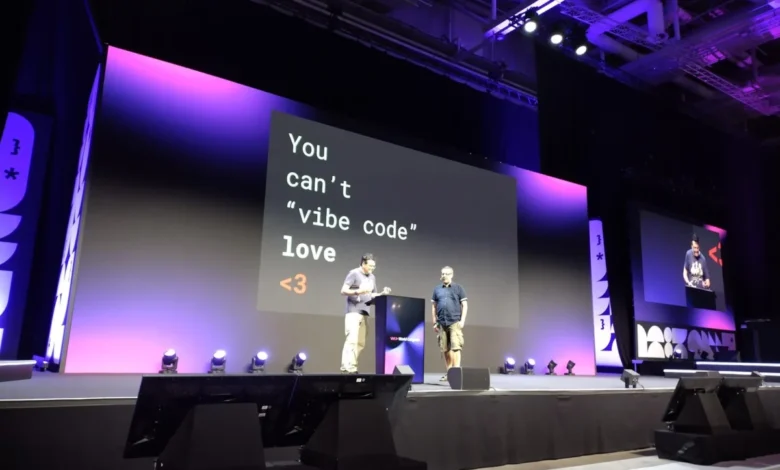
The intersection of human-driven developer communities and artificial intelligence took center stage at the CityCube in Berlin during the WeAreDevelopers World Congress. Jeff Atwood, co-founder of the seminal programming platform Stack Overflow, delivered a joint keynote presentation alongside Ben Dumke-von der Ehe, one of the platform’s earliest community hires. The session, titled "None of Us Is As Dumb As All of Us: Community And Knowledge Go Hand In Hand," offered a retrospective on the birth of collaborative coding spaces while grappling with an uncertain future shaped by large language models (LLMs).
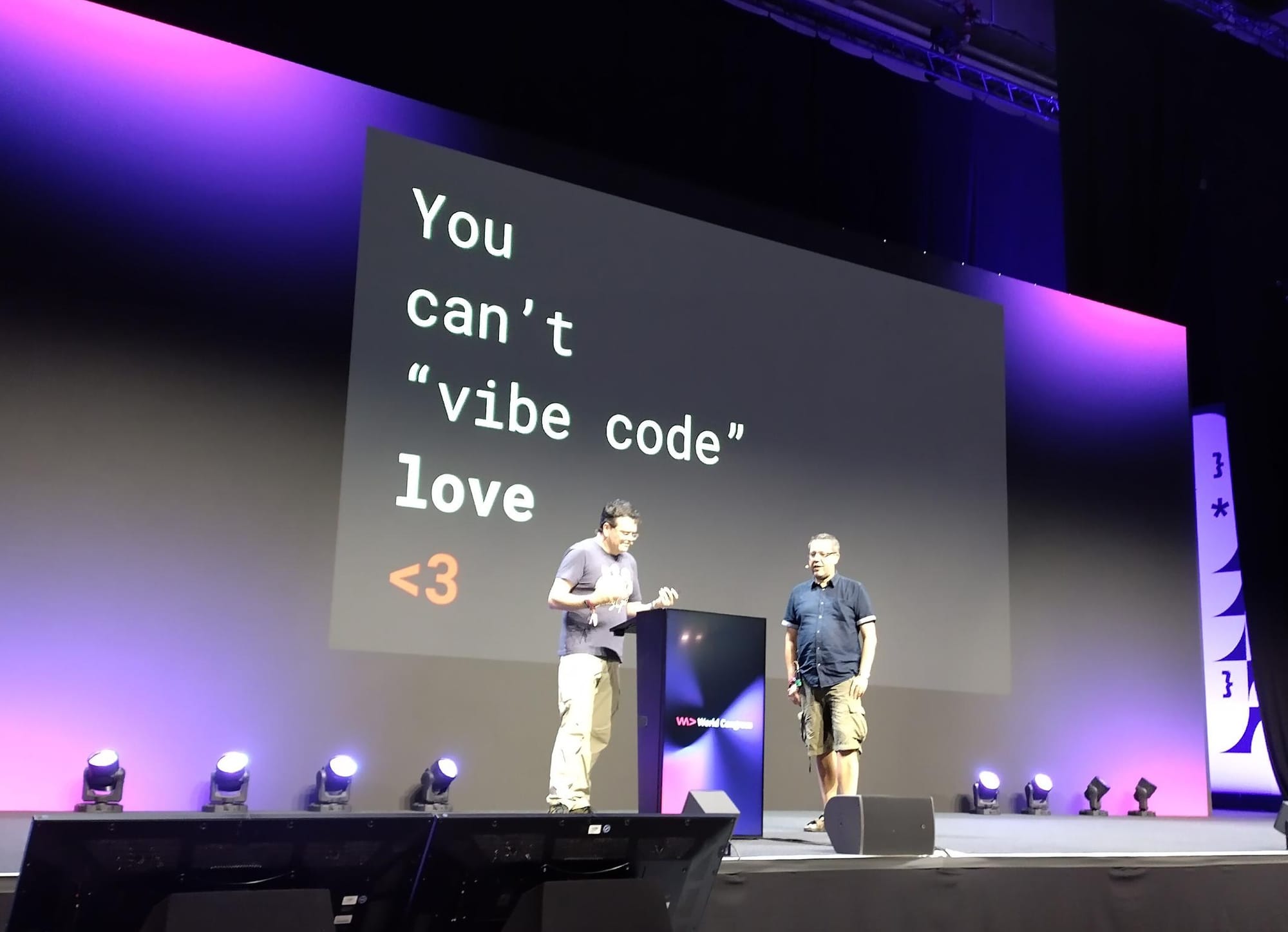
For Atwood, who notoriously avoids international speaking engagements, accepting the invitation to the Berlin congress was contingent on a specific condition: sharing the stage with Dumke-von der Ehe. Their partnership dates back to the foundational years of Stack Overflow, a platform launched in 2008 that fundamentally transformed how software developers troubleshoot, share knowledge, and build careers.
The Genesis of a Collaborative Ecosystem
Launched by Atwood and Joel Spolsky, Stack Overflow was designed to replace fragmented, ad-hoc forums and proprietary Q&A sites with a clean, community-moderated platform. Central to its philosophy was the Creative Commons license, a bedrock decision that allowed public contributions to form a vast, open digital commons.
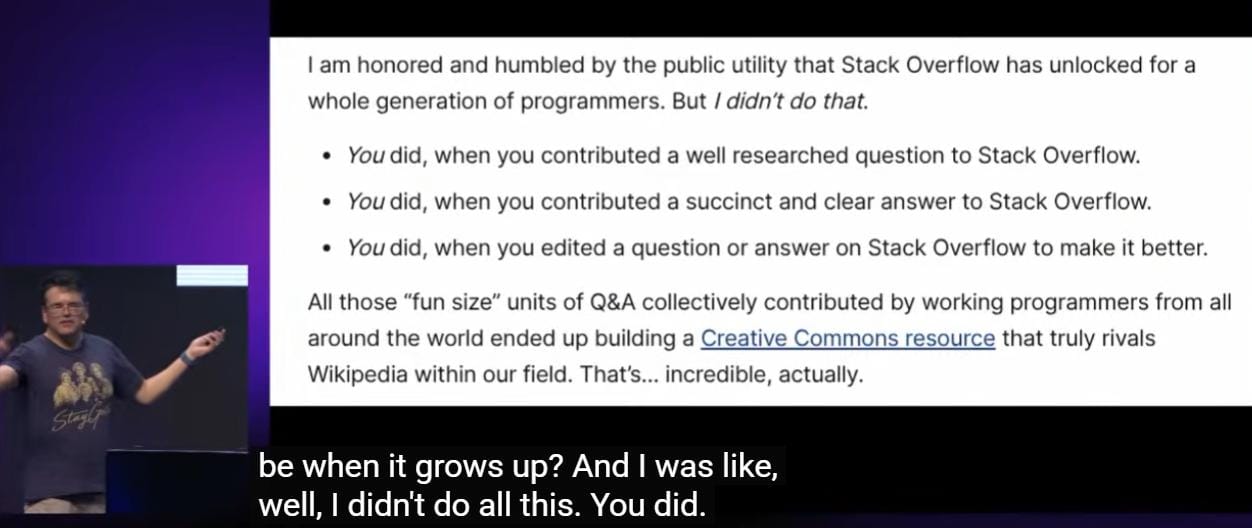
Dumke-von der Ehe’s journey from an active community participant in Berlin to an early employee encapsulated the grassroots ethos of the platform. His trajectory—leaving Stack Overflow, returning, and eventually departing again—mirrored the maturing lifecycle of tech startups transitioning into corporate entities. Atwood noted on stage that his primary motivation for doing the presentation was a profound sense of professional and personal indebtedness to Dumke-von der Ehe and the millions of users who populated the platform with code snippets, debugging tips, and architectural discussions.
The AI Disruption: A Double-Edged Sword for the Digital Commons
The core analytical tension of the Berlin keynote centered on the rapid ascent of generative artificial intelligence and LLMs. Over the past several years, AI-powered coding assistants and conversational models have radically altered how programmers seek and receive answers. Rather than navigating search engines to find specific threads on Stack Overflow, developers increasingly rely on private LLM queries to generate instant, context-aware code solutions.

Atwood addressed this paradigm shift pragmatically, revisiting a long-standing thesis regarding the ultimate goals of Stack Overflow. According to Atwood’s historical framework, a successful Q&A repository should ideally render direct participation unnecessary for the vast majority of users. If a platform functions as intended, roughly 98 percent of programmers should find the answers they need passively through search results, sparing them the friction of asking or answering questions themselves.
Furthermore, LLMs have successfully resolved one of the most stubborn structural problems in online communities: the management of duplicate questions. As platforms scale into millions of entries, enforcing rules against redundancy becomes exceptionally difficult. A user attempting to ask a novel question faces a vast minefield of prior art, where minor variations can trigger automated closures. Generative AI bypasses this bottleneck by mapping disparate phrasing to existing solutions, effectively mitigating duplication while accelerating information retrieval.
The Sustainability Crisis of the Developer Commons
Despite the immediate utility and efficiency gains brought by artificial intelligence, the keynote raised a critical, unanswered question for the tech industry: What happens to the underlying commons when developers cease public collaboration and instead rely entirely on private interactions with LLMs?
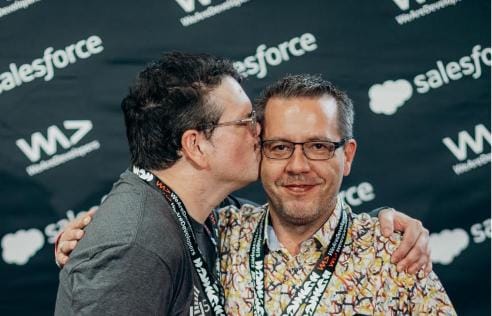
Modern generative models are trained predominantly on public datasets harvested from platforms like Stack Overflow, GitHub, and open-source documentation. If future generations of programmers migrate entirely to closed-loop AI systems, the pipeline of fresh, human-vetted knowledge risks drying up. Atwood emphasized that community-driven platforms do more than merely catalog syntax errors; they foster mentorship, peer recognition, and a shared culture that automated tools cannot replicate. Using a poignant metaphor during his address, Atwood argued that while AI can streamline coding workflows, society fundamentally "cannot vibe code love" or substitute the human empathy found in collaborative learning spaces.
Industry Implications and the Road Ahead
The appearance in Berlin highlights a broader anxiety within the technology sector regarding data sustainability, intellectual property, and community retention. As tech companies increasingly lock content behind paywalls or restrict public scraping to protect proprietary AI models, open knowledge ecosystems face unprecedented economic and structural pressures.
Analysts note that platforms reliant on volunteer moderation—such as Stack Overflow, Reddit, and Wikipedia—have experienced friction as contributors push back against uncompensated data harvesting by AI firms. The discourse generated at the WeAreDevelopers World Congress underscores the necessity for tech enterprises to find sustainable economic models that reward human contributors while integrating modern automation.
Ultimately, Atwood and Dumke-von der Ehe’s presentation served as both a celebration of early digital idealism and a cautionary roadmap for the future. As the software engineering community navigates the AI revolution, the central challenge remains balancing the undeniable efficiency of automated code generation with the preservation of the human networks that made modern software development possible in the first place.