Project initiation remains one of the most critical phases in the lifecycle of any organizational endeavor, dictating whether an initiative will achieve its intended outcomes or succumb to scope creep and budget overruns. Industry data from organizations like the Project Management Institute (PMI) consistently show that a significant percentage of project failures stem directly from poorly defined objectives, inadequate stakeholder alignment, and rushed planning during the initial phase. Whether managing a multinational corporate initiative or a localized team assignment, establishing a structured foundation is vital for long-term viability.
Navigating the complexities of project initiation requires breaking down broad strategic goals into manageable, sequential actions. Modern project management methodologies advocate for a rigorous pre-planning phase, often referred to as the kickoff or initiation stage, which bridges the gap between high-level conceptualization and tactical execution. To streamline this process, professionals rely on comprehensive frameworks divided into distinct steps that ensure accountability, financial predictability, and team cohesion.

Step 1: Establish the Core Purpose and Vision
Every successful undertaking begins with a clear understanding of its foundational "why." Before drafting timelines or allocating resources, project leaders must articulate the fundamental purpose of the initiative. This vision serves as the North Star for the entire organization, ensuring that all subsequent decisions align with the strategic intent. Without a universally understood purpose, teams risk drifting away from the primary business value, leading to wasted time and resources.
Step 2: Define SMART Goals and Objectives
Moving from a general purpose requires formulating specific, measurable, achievable, relevant, and time-bound (SMART) goals. Objectives provide the quantifiable metrics necessary to evaluate success once the initiative concludes. According to corporate governance standards, breaking down broad organizational aspirations into targeted milestones allows management to track incremental progress and make data-driven adjustments when performance deviates from projections.
Step 3: Delineate the Project Scope
Scope management is arguably the most challenging aspect of early project design. The scope document establishes the definitive boundaries of the undertaking, explicitly detailing what is included and, equally important, what is excluded. This phase involves mapping out all required deliverables, operational tasks, and resource constraints. Clear boundary-setting prevents scope creep—the gradual expansion of requirements without adjustments to time, budget, or resources—which remains a primary driver of project delays.

Step 4: Estimate the Project Timeline and Schedule
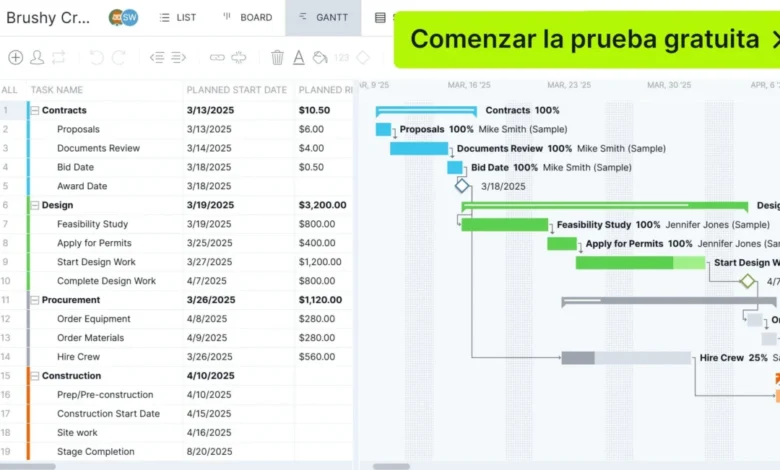
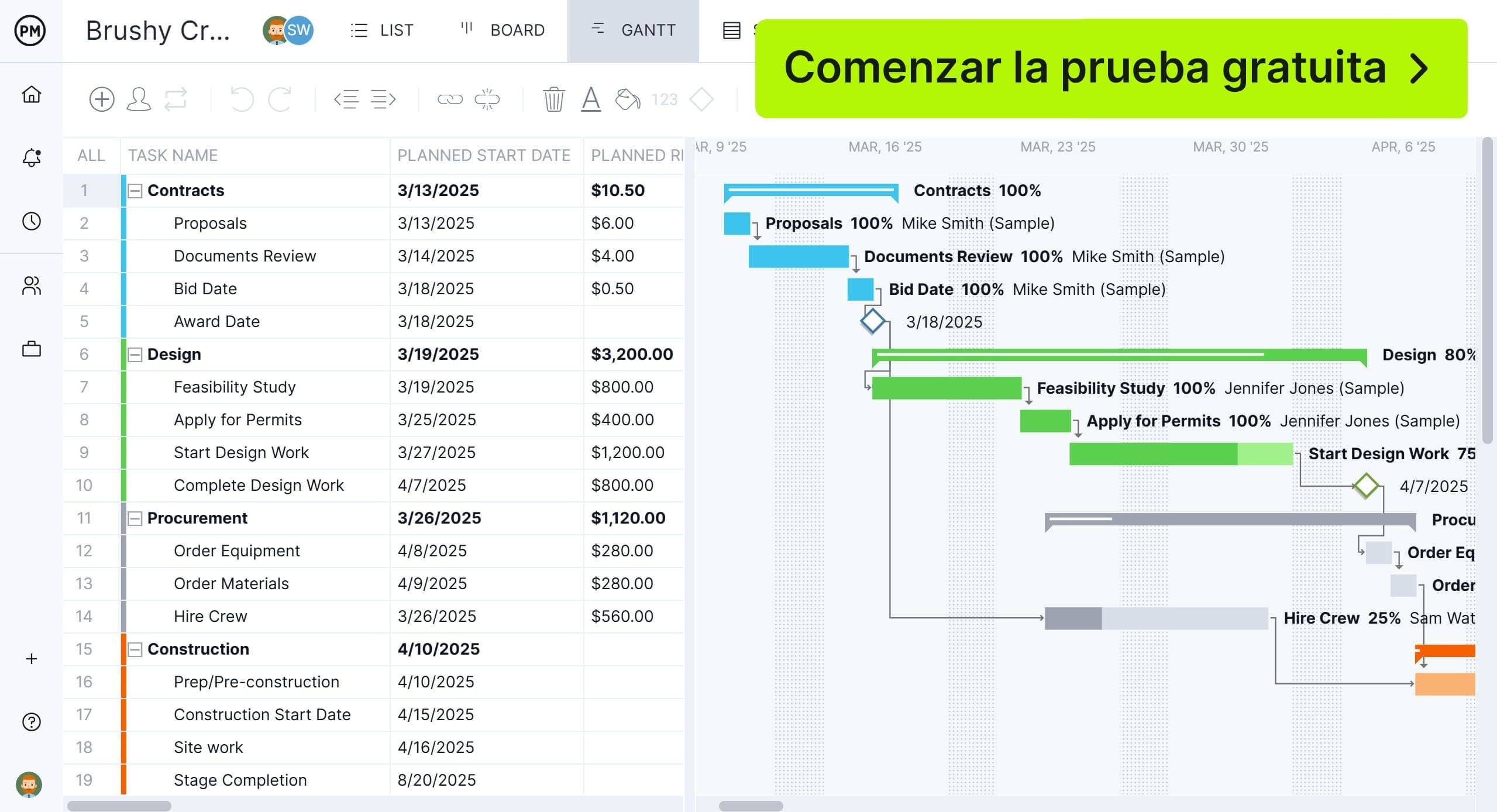
Developing a realistic schedule requires a granular examination of the work ahead. Utilizing a Work Breakdown Structure (WBS) allows managers to decompose major deliverables into smaller, actionable tasks. By sequencing these tasks and accounting for dependencies, planners can calculate the total duration needed to reach completion. Establishing baseline schedules enables teams to compare projected efforts against real-time progress, ensuring bottlenecks are identified early.
Step 5: Forecast Financial Costs Accurately
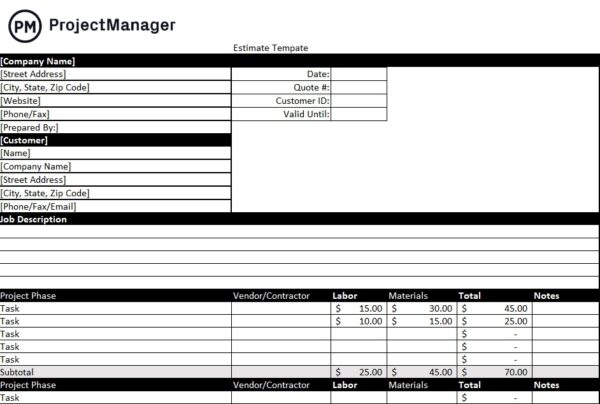
Financial governance dictates that every task associated with an initiative carries an associated cost, encompassing labor, software licenses, raw materials, and administrative overhead. Accurate cost estimation requires consulting historical data from past projects and leveraging input from subject matter experts. By aggregating these estimates, organizations establish a comprehensive baseline that protects against unexpected financial liabilities during execution.
Step 6: Conduct a Comprehensive Feasibility Study
Before committing substantial capital, executive leadership must evaluate whether the initiative makes economic and operational sense. A feasibility study provides a rigorous, objective assessment of the proposed plan, risk profiles, and projected return on investment (ROI). This analytical safeguard prevents organizations from advancing initiatives that lack sufficient market demand, technical viability, or financial backing.
Step 7: Compile Essential Initiation Documentation
The formalization of a project relies heavily on a suite of foundational documents. Beyond the feasibility study, teams typically produce a project charter, stakeholder register, and high-level requirements documentation. These artifacts serve as the official record of authorization, granting the project manager the institutional authority to apply organizational resources to project activities.
Step 8: Secure Budget Approval and Financing
Armed with detailed cost estimates and feasibility projections, project managers present their financial models to key stakeholders, sponsors, or client boards. Securing formal budget approval validates the financial framework and unlocks the necessary capital required for execution. In many industries, such as construction and enterprise software deployment, this budget also incorporates a managed profit margin for the delivery team.
Step 9: Assemble a Cross-Functional Team
With financial clearance secured, attention shifts to human capital. Assembling a project team involves identifying individuals whose skills, experience, and availability match the technical requirements of the schedule. Project managers must define clear roles, responsibilities, and reporting structures to ensure seamless collaboration and eliminate ambiguity regarding accountability.
Step 10: Execute a Formal Project Kickoff Meeting
The official launch of any major initiative is marked by a kickoff meeting. This gathering serves a dual purpose: it signals to the broader organization that work has officially commenced, and it aligns key stakeholders around shared expectations. Presenting the project’s background, objectives, and operational parameters during this forum fosters transparency and builds collective momentum.
Strategic Implications and Industry Best Practices
Beyond these ten formal steps, veteran project leaders emphasize three overarching principles that consistently drive initiative success: comprehensive stakeholder alignment, deliberate team integration, and the strategic deployment of modern collaboration tools.
Achieving universal alignment often involves collaborative planning sessions where stakeholders, end-users, and technical architects co-create foundational documents, such as project scopes and risk assessments. Industry experts note that when business leaders and technical teams draft these plans together, the resulting sense of shared ownership dramatically increases organizational commitment and reduces pushback during later phases of execution.

Furthermore, fostering a cohesive team culture requires looking beyond technical qualifications. High-performing teams benefit from intentional engagement strategies, including one-on-one onboarding discussions to understand individual career aspirations, as well as structured team-building milestones that celebrate early progress. Recognizing intermediate achievements helps maintain morale during long development cycles.
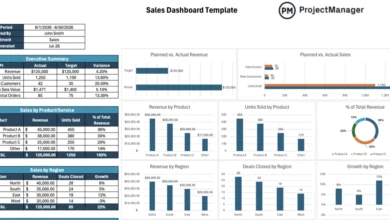
Finally, selecting the appropriate technological infrastructure is critical for operational efficiency. Modern teams rely on centralized cloud-based platforms—such as comprehensive project management software featuring Gantt charts, Kanban boards, and real-time reporting dashboards—to replace fragmented spreadsheets. Providing accessible, unified tools from day one eliminates administrative friction, empowers transparent communication, and ensures that executive leadership maintains accurate visibility into project health from inception to final delivery.
Related posts: