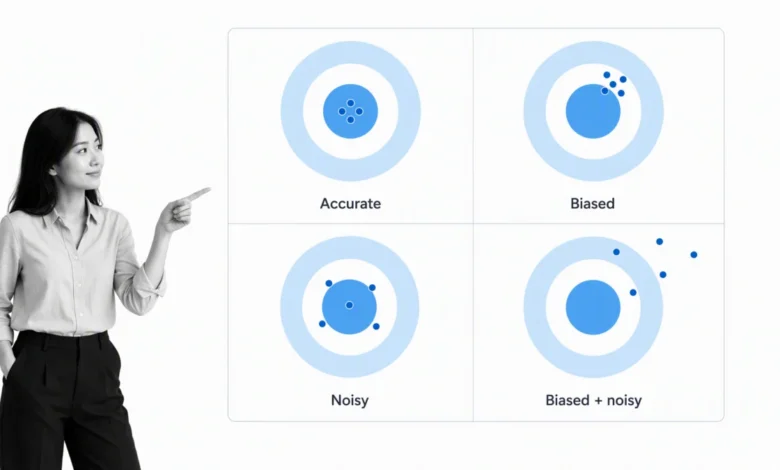
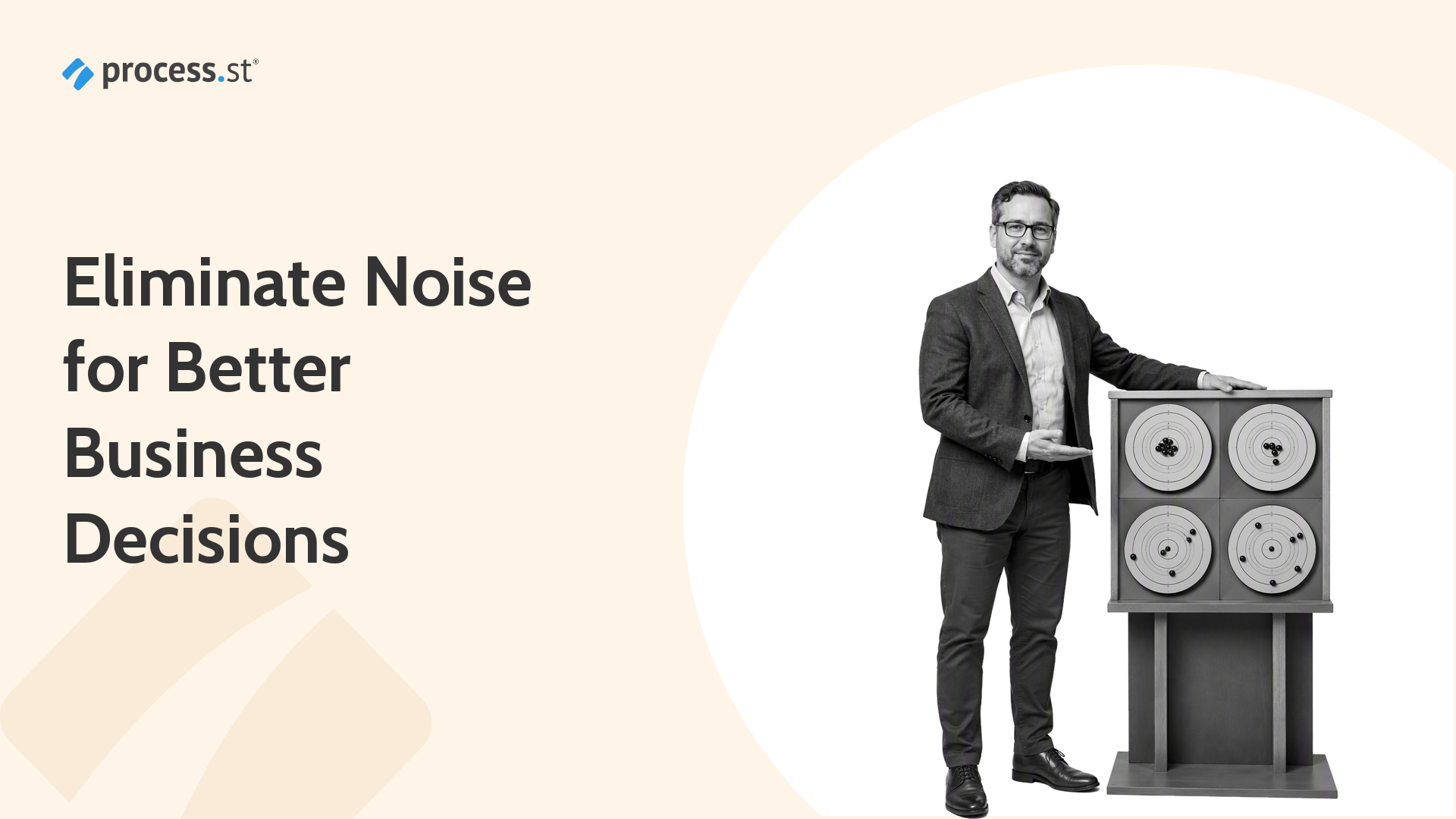
A noise audit is a rigorous, structured diagnostic tool designed to measure the degree of unwanted variability in professional judgments when multiple qualified individuals evaluate the same cases independently. In environments ranging from financial underwriting and legal compliance to talent acquisition and performance reviews, consistency is a cornerstone of organizational integrity. When experts looking at the same set of facts arrive at disparate conclusions, the decision-making system is compromised by "noise." By conducting a systematic noise audit, organizations can move beyond anecdotal observations of inconsistency, identifying exactly where their processes fail to align and implementing evidence-based corrections to ensure equitable outcomes.
The theoretical framework for this practice gained significant momentum following the 2021 publication of Noise: A Flaw in Human Judgment, authored by Nobel laureate Daniel Kahneman, decision scientist Olivier Sibony, and Harvard Law School professor Cass R. Sunstein. Their research posits that while organizations spend vast resources mitigating bias—the systematic deviation from a target—they often overlook noise, the random scatter of judgments that undermines the reliability of high-stakes decisions.
Understanding the Mechanics of Judgment Variability
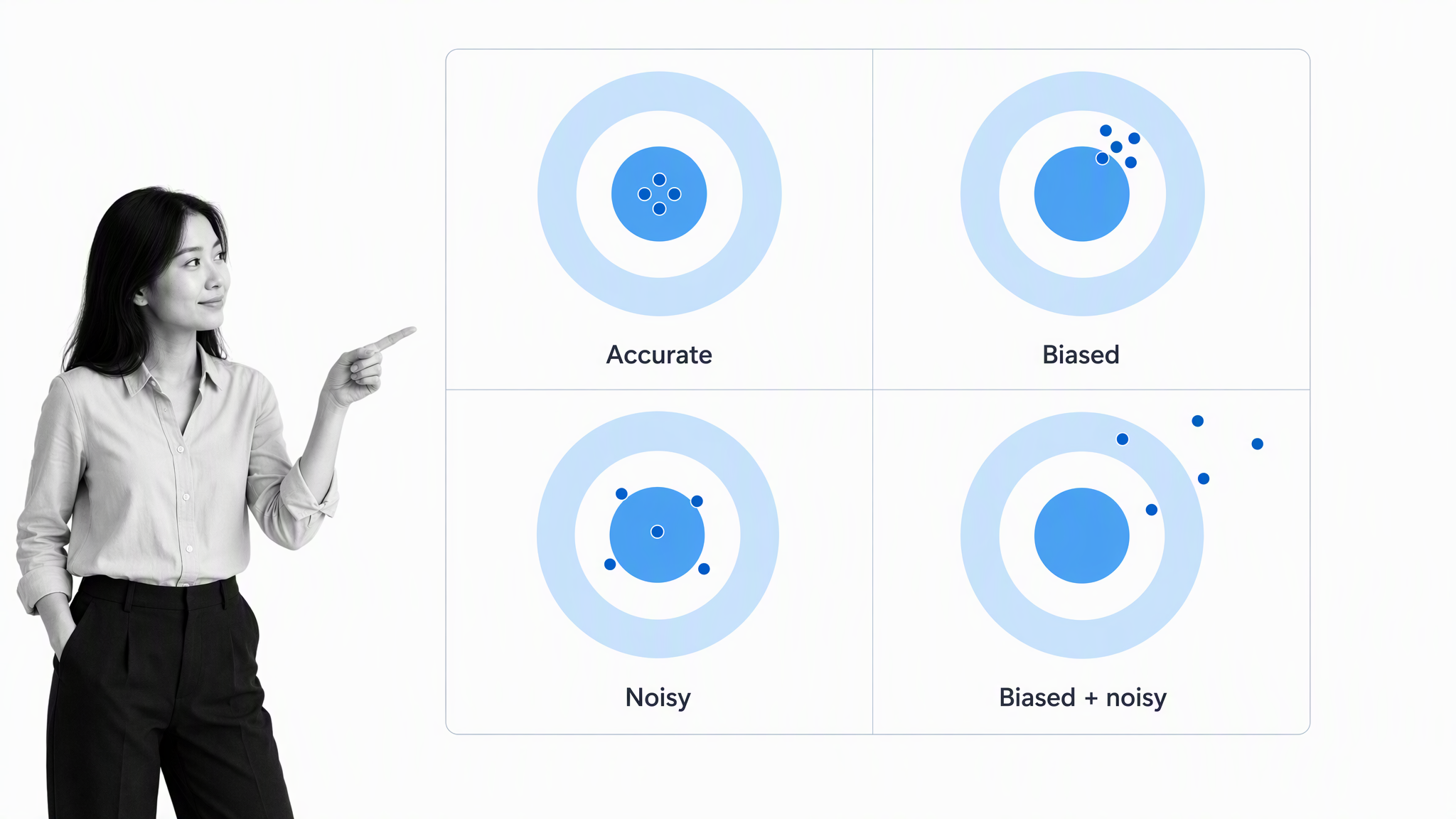
To comprehend the impact of noise, one must distinguish it from bias. If bias is a consistent error in a specific direction—like a rifle sight calibrated too far to the left—noise is the erratic dispersal of shots around a target that occurs despite the shooter’s intent. In a corporate setting, bias might manifest as a systemic preference for candidates from a specific university, whereas noise manifests as the unpredictable, subjective variance in how two hiring managers interpret the exact same resume.
The implications of this variability are profound. Research published by the American Economic Association in 2016 analyzed juvenile court sentencing data between 1996 and 2012, uncovering a startling correlation between external, irrelevant factors and legal outcomes. Specifically, judges were found to issue harsher sentences in the week following unexpected losses by local college football teams. This data serves as a quintessential example of "noise": the infusion of unrelated, subconscious environmental stimuli into consequential professional evaluations.
A Chronology of Decision-Making Error
The history of decision science has evolved from studying human psychology in isolation to examining the structural systems that govern collective choices. In the early 20th century, behavioral economists primarily focused on the limitations of individual rationality. By the mid-20th century, the focus shifted toward the role of cognitive biases, popularized by the work of Amos Tversky and Daniel Kahneman.
However, the "Noise" movement of the 2020s represents the next phase: a move toward "decision hygiene." This involves treating the decision-making process itself as a technical system prone to mechanical failure. A timeline of this evolution would highlight the following milestones:
- 1970s: The identification of the "heuristics and biases" program, establishing that human intuition is often flawed.
- 2010s: The rise of data-driven HR and compliance platforms, which began to emphasize the necessity of algorithmic and procedural consistency.
- 2021: The publication of the seminal text on noise, providing a standardized vocabulary for organizational leaders to discuss inconsistencies.
- 2024-2026: The integration of AI-supported compliance tools, which allow for the real-time tracking of decision variability across global departments.
The Anatomy of a Noise Audit
A noise audit is not merely a critique; it is a clinical observation of how a team functions. The process typically follows a four-stage methodology designed to isolate variables and expose hidden inconsistencies:
- Case Selection: The organization selects a representative sample of historical cases—such as insurance claims, loan applications, or performance evaluations—that are diverse enough to test the full spectrum of the decision-making criteria.
- Independent Review: Multiple experts are assigned to evaluate the same cases in isolation. Crucially, they are prohibited from communicating, as group dynamics—such as "anchoring" (where the first person to speak biases the rest of the group)—often mask individual differences.
- Quantitative Analysis: The results are compiled to measure the degree of variance. If two auditors, presented with identical evidence, assign vastly different risk scores, the audit has successfully flagged a high-noise area.
- Corrective Calibration: The team reviews the findings to determine if the noise stems from vague policies, insufficient training, or a lack of standardized scoring anchors.
Supporting Data and Behavioral Trends
Statistical analysis of organizational behavior suggests that noise is frequently underestimated by leadership. In many corporate environments, managers operate under the "illusion of consensus," assuming that because their colleagues share similar credentials and training, they will naturally reach similar conclusions. Data from internal audits often reveal the opposite: in complex fields like insurance underwriting, the variation in premiums quoted for identical risks can exceed 20% when different underwriters are tasked with the evaluation.
Furthermore, the introduction of "decision hygiene" protocols—such as the separation of information gathering from final evaluation—has been shown to reduce variability by as much as 15–30% in controlled studies. These protocols ensure that facts are presented in a structured, uniform format, preventing "noise" from creeping in through the way data is framed or prioritized.
Official Perspectives on Decision Hygiene
Industry experts and compliance officers increasingly argue that decision hygiene is a fiduciary responsibility. If a financial institution cannot demonstrate that its loan approvals are consistent, it risks regulatory scrutiny and potential charges of discrimination or unfair practice. "Consistency is not just about fairness; it is about operational risk management," notes one lead consultant in the field of decision architecture. "When you cannot predict the output of your internal processes, you are effectively running a business on a variable, unpredictable engine."
The Role of Technology in Mitigating Variability
Modern compliance platforms, such as those provided by Process Street, have begun integrating AI to assist in this stabilization. These platforms function as a "single source of truth," where policies and scoring rubrics are not just documented but embedded into the workflow itself. By utilizing AI to assist in the structured intake of information, these tools ensure that every reviewer is looking at the same evidence, in the same order, using the same defined parameters.
This technology allows for the creation of "dynamic workflows" that can scale. For instance, in a global enterprise, a noise audit can be conducted across disparate regions, with the platform automatically flagging any significant deviation in scoring patterns. This allows for real-time calibration of personnel, ensuring that an employee in London and an employee in Singapore are applying the same organizational standards to the same class of client.
Broader Implications for Business Integrity
The implications of unchecked noise extend beyond internal efficiency. In an era of heightened transparency, the ability to explain why a decision was made is critical. If an organization cannot prove that its decisions are consistent, it becomes vulnerable to lawsuits, loss of client trust, and long-term reputational damage.
Moreover, the psychological toll of an unpredictable decision environment should not be ignored. Employees who work in systems plagued by noise often report higher levels of frustration and disengagement, as the lack of clear, consistent standards makes it difficult to master their roles. By investing in a noise audit, organizations are not just optimizing for data accuracy; they are investing in the psychological safety and professional development of their workforce.
Conclusion: The Necessity of Testing
The only way to determine the level of noise in a decision-making framework is to test it. The methodology is straightforward: replace the desire for "gut-feeling" consensus with a commitment to documented, independent assessment. As organizations look toward an increasingly automated future, the human element of judgment will remain central, but it must be governed by rigorous structure.
By adopting the practices outlined in the noise audit framework—independent assessment, standardized criteria, and objective evaluation of variance—businesses can transform their decision-making from an unpredictable, noisy process into a reliable, high-performance system. The goal is not to eliminate individual perspective, but to ensure that when it matters most, the facts—not the background noise—dictate the outcome. Through consistent application of these audits, leaders can foster an environment where fairness and objectivity become the default, rather than the exception.
Related posts: