HACCP Plan: A Comprehensive Guide to Modern Food Safety Systems and Operational Compliance

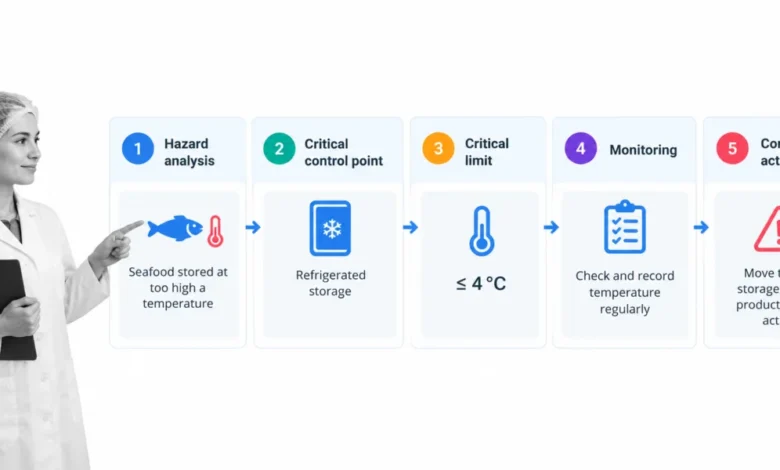
A HACCP plan is a written, site-specific system for identifying significant food safety hazards, setting critical limits, monitoring controls, and recording corrective action and verification. In the global food supply chain, the movement of goods from raw harvest to the consumer’s table is fraught with potential biological, chemical, and physical vulnerabilities. With the Centers for Disease Control and Prevention (CDC) estimating that one in six Americans—roughly 48 million people—succumbs to foodborne illness annually, the shift from reactive end-product testing to proactive, science-based prevention has become the industry gold standard.
The Evolution of Preventive Food Safety
The methodology known as Hazard Analysis and Critical Control Points (HACCP) represents a fundamental departure from traditional "test-and-discard" quality assurance. Before the 1960s, the food industry relied almost exclusively on inspecting finished products to detect contamination. However, this approach was inherently flawed; it could not account for hazards that were already present or those introduced during handling, processing, or storage.

The origins of HACCP are rooted in the rigorous requirements of the space race. As NASA began planning for extended human missions, they realized that the health of astronauts depended entirely on food supplies that were 100% free of pathogens. Any foodborne illness in the vacuum of space could be catastrophic. To solve this, NASA collaborated with the Pillsbury Company and the U.S. Army Natick Laboratories to develop a system capable of ensuring safety through process control. By identifying the exact points in a manufacturing process where a hazard could occur—and ensuring those points remained within strict, scientifically validated limits—the team created a blueprint for safety that has since been adopted by global food safety regulatory bodies.
Understanding the Seven Pillars of HACCP
The modern HACCP framework is defined by seven core principles that guide food safety professionals in the design and execution of their plans. These principles serve as the bedrock for compliance and risk mitigation:
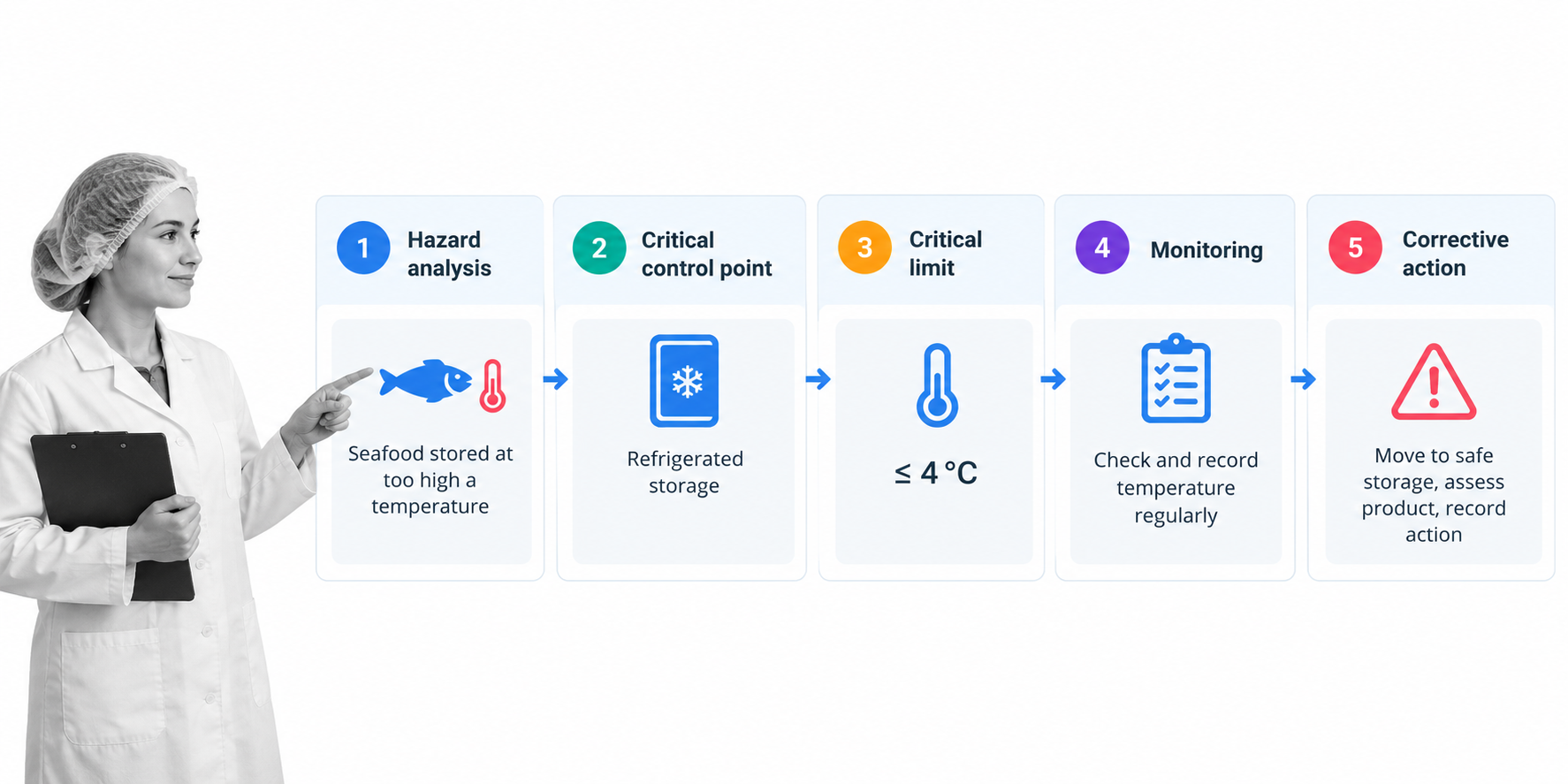
- Conduct a Hazard Analysis: This involves a systematic review of the entire production flow—from raw material receipt to final consumption—to identify potential biological (e.g., Salmonella, E. coli), chemical (e.g., allergens, pesticides), and physical (e.g., metal, glass) risks.
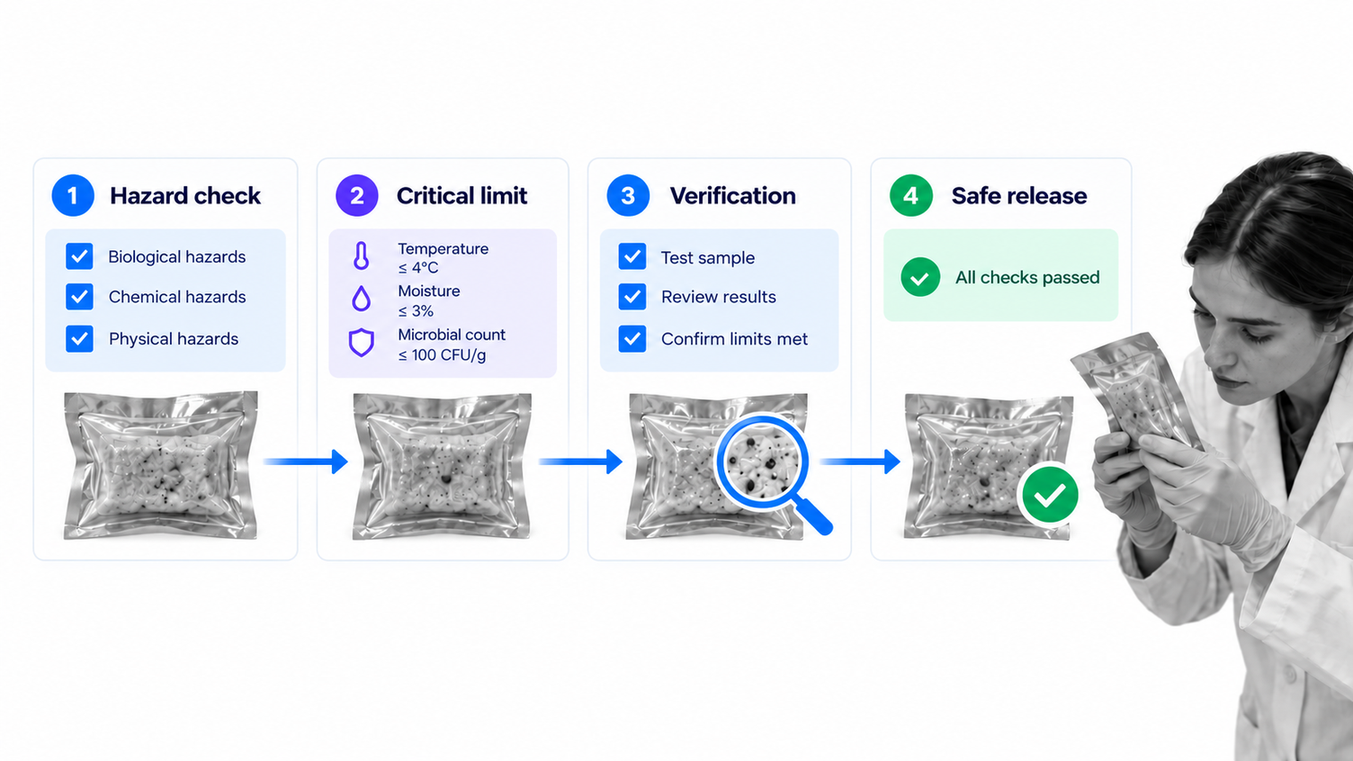
- Determine Critical Control Points (CCPs): A CCP is a specific step in the process where a control measure can be applied, and where that control is essential to prevent, eliminate, or reduce a food safety hazard to an acceptable level.
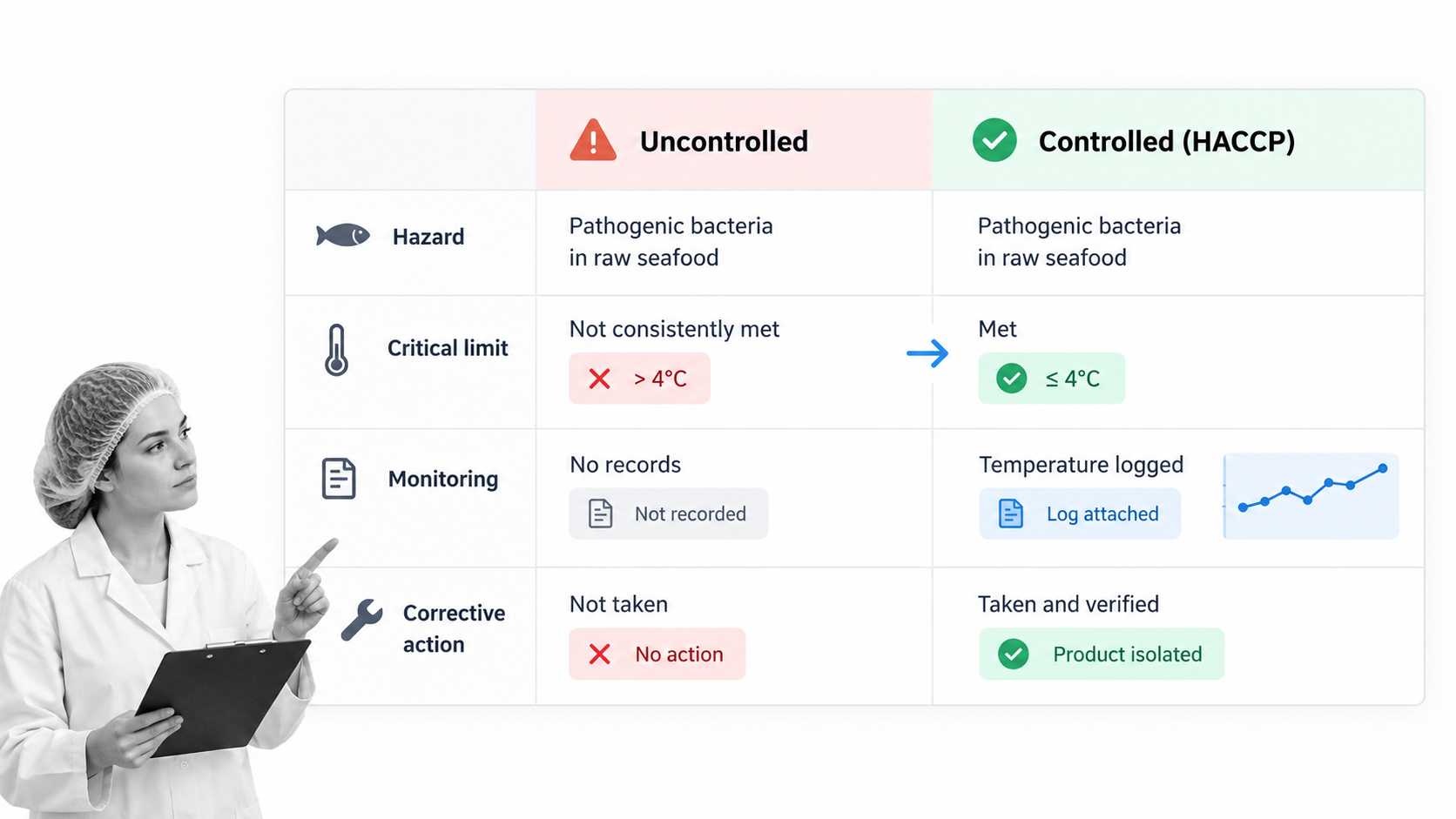
- Establish Critical Limits: For every CCP, there must be a measurable, evidence-based parameter, such as a specific temperature, time, or pH level, that dictates whether a process is under control.
- Establish Monitoring Procedures: Organizations must define how, when, and by whom these limits are measured. Monitoring must be consistent and frequent enough to ensure the CCP remains within its boundaries.
- Establish Corrective Actions: Should a critical limit be breached, the facility must have a pre-defined procedure to address the affected product and correct the process deviation to prevent recurrence.
- Establish Verification Procedures: This involves periodic auditing and testing to confirm that the HACCP plan is working as intended and that the monitoring and corrective actions are effective.
- Establish Record-Keeping: Documentation is the "proof" of the system. Detailed logs of monitoring, deviations, and verifications are essential for regulatory inspections and due diligence.
The Regulatory Landscape and Industry Adoption
While HACCP was initially a voluntary industry practice, it has become a mandatory requirement for specific high-risk sectors. In the United States, the Food and Drug Administration (FDA) mandates HACCP for seafood and fruit juice processing. Simultaneously, the U.S. Department of Agriculture (USDA) Food Safety and Inspection Service (FSIS) requires meat and poultry establishments to operate under a robust HACCP system.
For facilities not explicitly under these mandates, the Food Safety Modernization Act (FSMA) has introduced the "Preventive Controls" rule, which mirrors the logic of HACCP by requiring companies to perform comprehensive hazard analyses and implement risk-based controls. The implication for businesses is clear: the era of "informal" safety is over. Regulators, auditors, and retail partners now demand documentation that tracks every variable of the production process.
Operationalizing Safety through Digital Transformation
In the current industrial climate, the challenge is no longer just defining a plan, but ensuring it is executed with 100% consistency across thousands of daily tasks. Traditional paper-based record-keeping is increasingly viewed as a liability; it is prone to human error, physical damage, and archival delays.
Modern compliance operations platforms, such as Process Street, are bridging the gap between theoretical safety plans and shop-floor reality. By digitizing HACCP workflows, companies can integrate real-time data capture, automated notifications for deviations, and centralized document management. This shift allows for:
- Dynamic Workflow Execution: When a temperature probe indicates a cooling unit has failed, the system can automatically trigger a "Corrective Action" workflow, guiding the operator through the required containment steps.
- Audit-Ready Evidence: Instead of sifting through filing cabinets, managers can retrieve time-stamped, authenticated logs of every CCP check conducted over the previous year, significantly reducing the time and stress associated with regulatory audits.
- AI-Assisted Oversight: Advanced platforms now utilize AI to analyze patterns in operational data, potentially identifying recurring equipment failures or training gaps before they result in a food safety breach.
The Broader Economic and Brand Implications
The financial impact of a food safety failure is staggering. Beyond the immediate costs of product recalls—which can include logistics, disposal, and legal fees—the damage to brand equity and consumer trust can be permanent. A robust, well-maintained HACCP plan acts as an insurance policy for the company’s reputation.
Furthermore, the globalization of the food supply chain means that suppliers are often required to prove their safety credentials to international partners. Adopting internationally recognized standards such as ISO 22000 or FSSC 22000, which incorporate HACCP principles, allows companies to access high-value export markets that demand rigorous adherence to global safety protocols.
Conclusion: From Concept to Daily Culture
The transition from a document in a binder to an active, daily management loop is the defining characteristic of a successful food safety culture. The cycle of "Plan, Do, Check, Act" ensures that a HACCP plan remains a living document that evolves with new technology, updated scientific knowledge, and changes in the facility’s operations.
As regulatory scrutiny continues to intensify and consumer awareness regarding food sourcing grows, the role of the HACCP plan has moved from a back-office requirement to a core business competency. By integrating sophisticated monitoring tools, fostering a culture of accountability, and maintaining rigorous, evidence-based records, food operations can ensure that their commitment to safety is as reliable as the food they produce. In the end, the disciplined control required to bring a product to market is the only way to safeguard both the consumer and the viability of the food business itself.