The optimal window for publishing content on LinkedIn has undergone a measurable evolution, transitioning from traditional business hours to the late afternoon and evening. This finding emerges from a comprehensive data analysis conducted by Buffer, which evaluated 4.8 million posts processed through its social media management platform. Spearheaded by resident data scientist Julian Winternheimer, the ongoing study challenges long-held industry assumptions about professional digital consumption habits and highlights a broader behavioral shift mirrored across other major social media ecosystems.
Background and Methodology of the 2026 Analysis
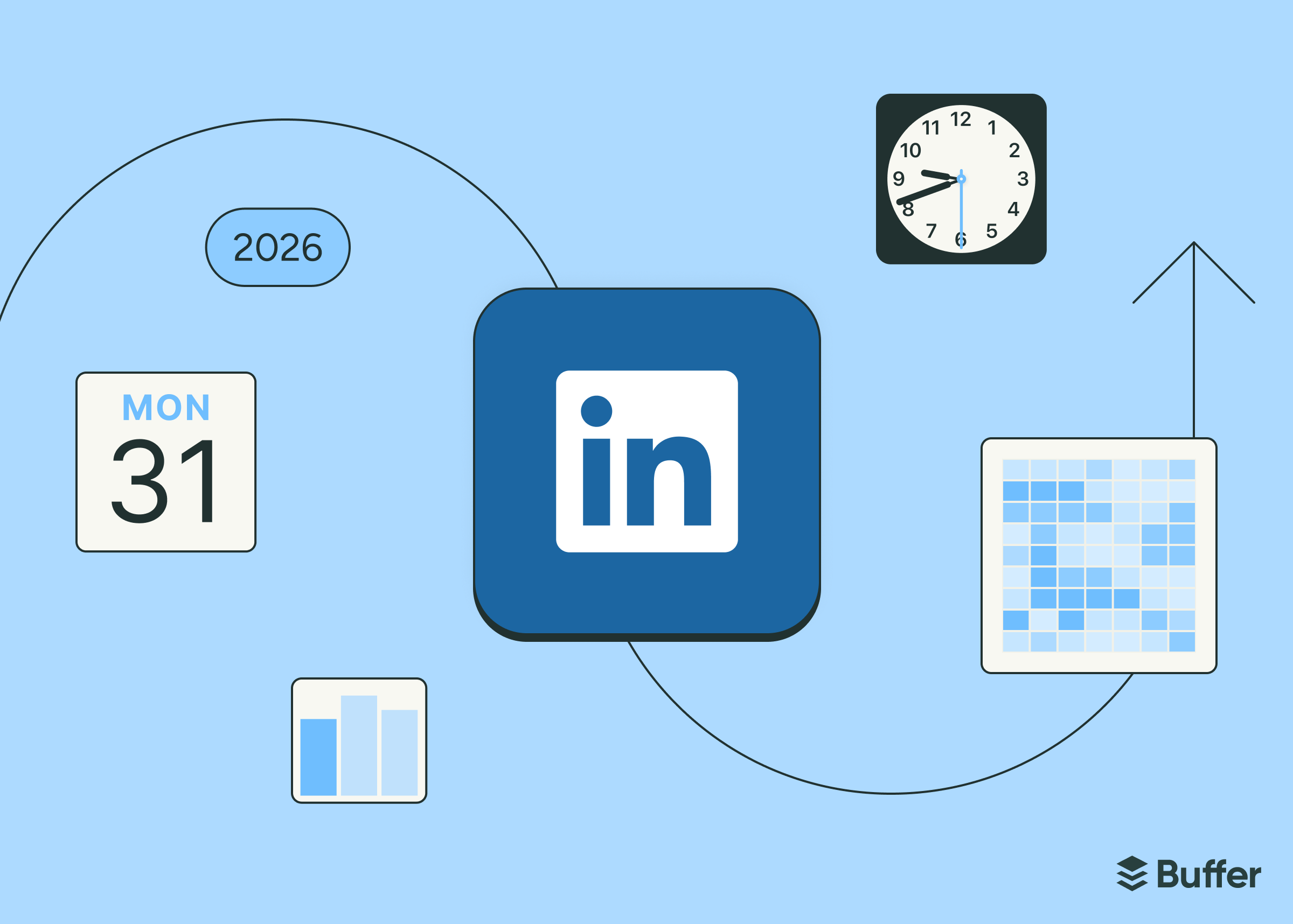
For approximately two years, Buffer has systematically evaluated millions of scheduling data points to advise brands, enterprises, and independent creators on maximizing digital reach. The platform’s latest deep dive into LinkedIn analyzed 4.8 million unique posts to isolate specific variables influencing user engagement metrics, which include reactions, comments, and reposts.
To ensure global applicability, the data science team normalized all posting times by local time zones, eliminating the need for international marketers to manually calculate time offsets. This methodological adjustment allows users anywhere in the world to interpret metrics—such as a 4:00 p.m. peak—directly within their local operational hours.
While previous longitudinal insights from 2025 indicated that peak engagement was strictly concentrated within standard 9-to-5 working hours, the 2026 findings point to a distinct temporal migration. Engagement levels now maintain robust momentum well after traditional office hours conclude, a trend previously documented on consumer-focused networks like Instagram and TikTok but largely unprecedented in a strictly professional context.
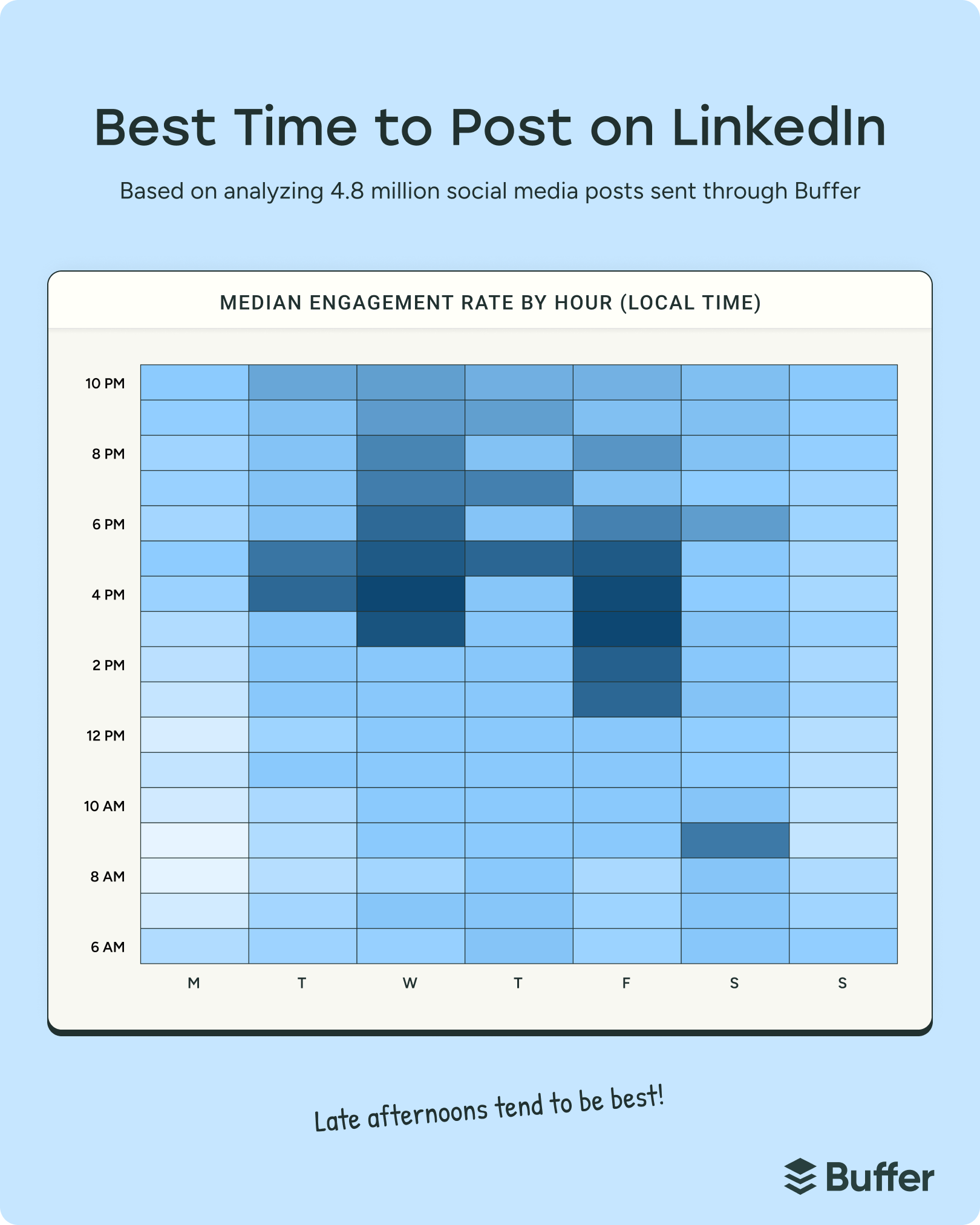
Detailed Chronology of Peak Engagement Windows
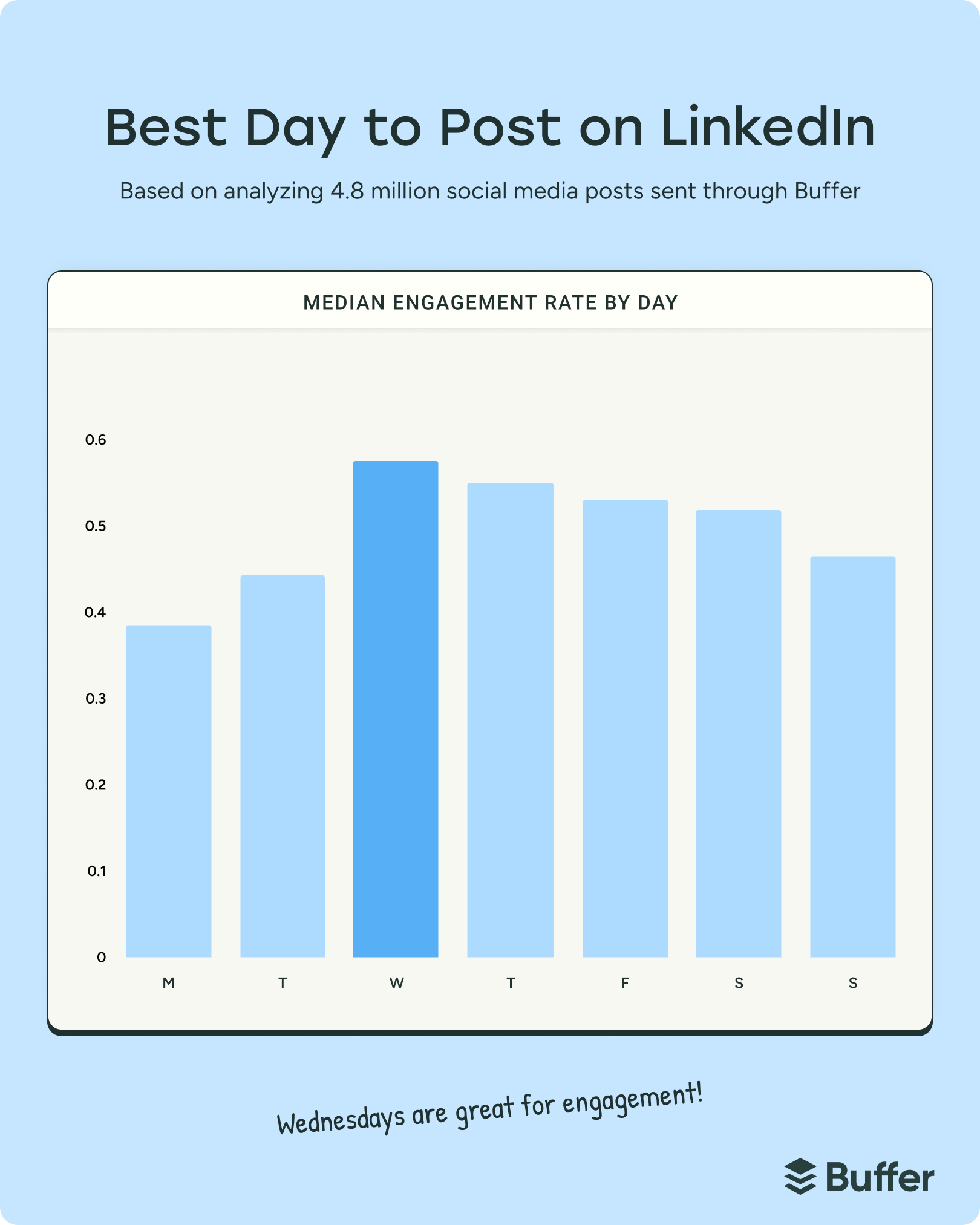
The empirical evidence compiled by Buffer outlines a clear hierarchical structure of performance across the standard seven-day week. Broadly, weekdays continue to heavily outperform weekends, though the intraday distribution favors the latter half of the day.
Weekday Trends and Peak Slots
Across Monday through Friday, the highest-yielding performance metrics cluster consistently between 3:00 p.m. and 8:00 p.m. local time.
- Monday: Engagement generally starts the week on a softer note. The data indicates that professional audiences are primarily occupied with administrative catch-up and forward-planning. Consequently, peak activity occurs late in the day, with 10:00 p.m. emerging as the primary engagement window, followed by secondary spikes at 5:00 p.m. and 9:00 p.m.
- Tuesday: Similar to Monday, Tuesday shows subdued morning activity. The most effective posting window materializes at 4:00 p.m., as users begin concluding their workday, with supportive traffic observed at 5:00 p.m. and late evening at 10:00 p.m.
- Wednesday: Identified as the strongest overall day of the week for LinkedIn interactions. The data points to 4:00 p.m. as the single most effective individual hour across the entire dataset. Strong performance is also recorded at 3:00 p.m. and 5:00 p.m., forming a highly reliable mid-afternoon block for priority publishing.
- Thursday: High engagement persists late into the workweek. The top-performing hour shifts slightly later to 5:00 p.m., supported by sustained readership at 7:00 p.m. and 9:00 p.m.
- Friday: As professionals wind down their weekly operations, Friday afternoon commands strong attention. The optimal slot is recorded at 3:00 p.m., immediately flanked by high-performing windows at 4:00 p.m. and 5:00 p.m.
Weekend Dynamics
Weekend publishing yields significantly lower overall interaction volumes compared to mid-week periods. However, for organizations or individuals committed to Saturday or Sunday publishing schedules, localized peaks do exist. Saturday activity centers around a morning window at 9:00 p.m., followed by evening resurgences at 6:00 p.m. and 10:00 p.m. Sunday engagement remains minimal throughout the daylight hours, though a late-evening window at 10:00 p.m. registers minor comparative activity.
Comparative Industry Analysis and Official Perspectives
The revelation that evening hours outperform morning commutes and midday lunch breaks marks a departure from standard digital marketing doctrine. Historically, platform-specific observations from LinkedIn’s own marketing publications suggested that mid-morning and mid-afternoon pauses represented prime opportunities for content consumption.
Industry analysts interpret the 2026 shift not as passive scrolling, but as a deliberate post-work professional habit. With remote and hybrid work models fully integrated into the global economy, the boundary between professional development and personal time has grown porous. Professionals increasingly utilize their post-work hours—during evening commutes or post-dinner unwinding—to consume thought leadership, evaluate industry solutions, and engage with professional networks without the interruptions of active workplace duties.
Despite these aggregate findings, industry experts emphasize that statistical averages should serve as a foundational baseline rather than a rigid mandate. Platform algorithms evaluate content quality, relevance, and network proximity above raw timestamps. Furthermore, niche-specific audiences—such as shift workers, global executives, or specific regional markets—may exhibit behavioral patterns that diverge significantly from macroeconomic averages.
Implications for Content Strategy and Algorithm Mechanics
Understanding the mechanics of LinkedIn’s content distribution algorithm provides critical context for why timing matters. The platform relies heavily on early user interactions—collectively referred to by marketers as the "golden hour"—to gauge the intrinsic value of a published piece. When a post secures immediate comments, reactions, and reposts, the algorithm interprets the material as high-utility content and broadens its distribution across secondary networks.
By aligning publication schedules with peak engagement windows, creators increase the statistical probability of capturing an active audience during the critical initial distribution phase. However, data analytics experts caution that timing cannot compensate for subpar material. Content quality, structural format, and strategic messaging remain the primary drivers of digital reach. In particular, comparative platform data highlights that high-value formats, such as document-based carousels, continue to outperform text-only posts by substantial margins, regardless of when they are published.
Strategic Recommendations for Marketers and Creators
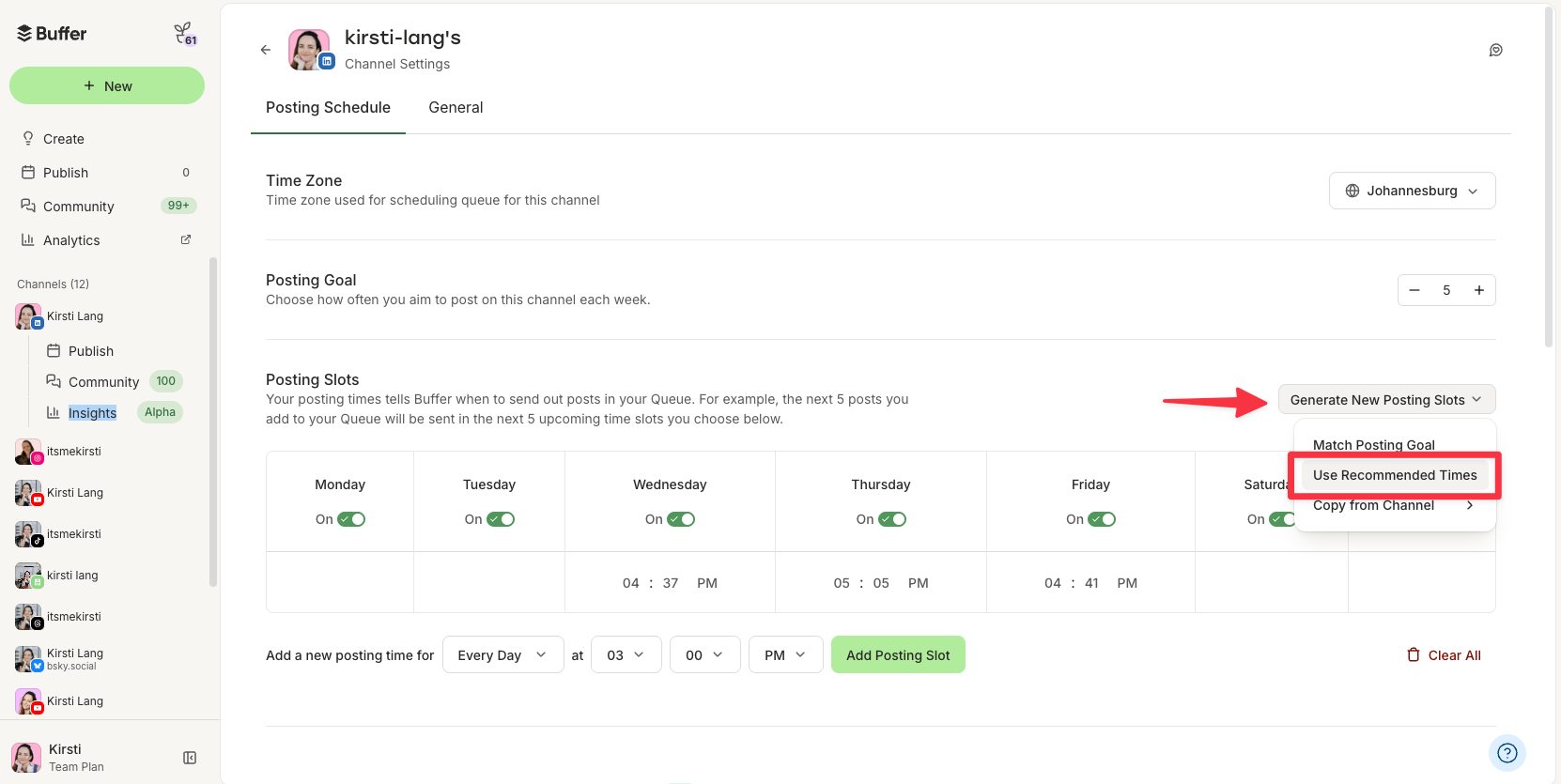
For digital strategists, social media managers, and personal brand builders, the Buffer dataset offers actionable takeaways to refine existing operational workflows:
- Audit Current Schedules: Organizations relying heavily on morning publishing slots (6:00 a.m. to 11:00 p.m.) are encouraged to conduct A/B testing by migrating select content into the newly identified 3:00 p.m. to 8:00 p.m. window.
- Prioritize Mid-Week Output: High-priority announcements, product launches, and comprehensive thought leadership pieces should be reserved for Wednesday and Thursday afternoons, when aggregate platform activity reaches its weekly zenith.
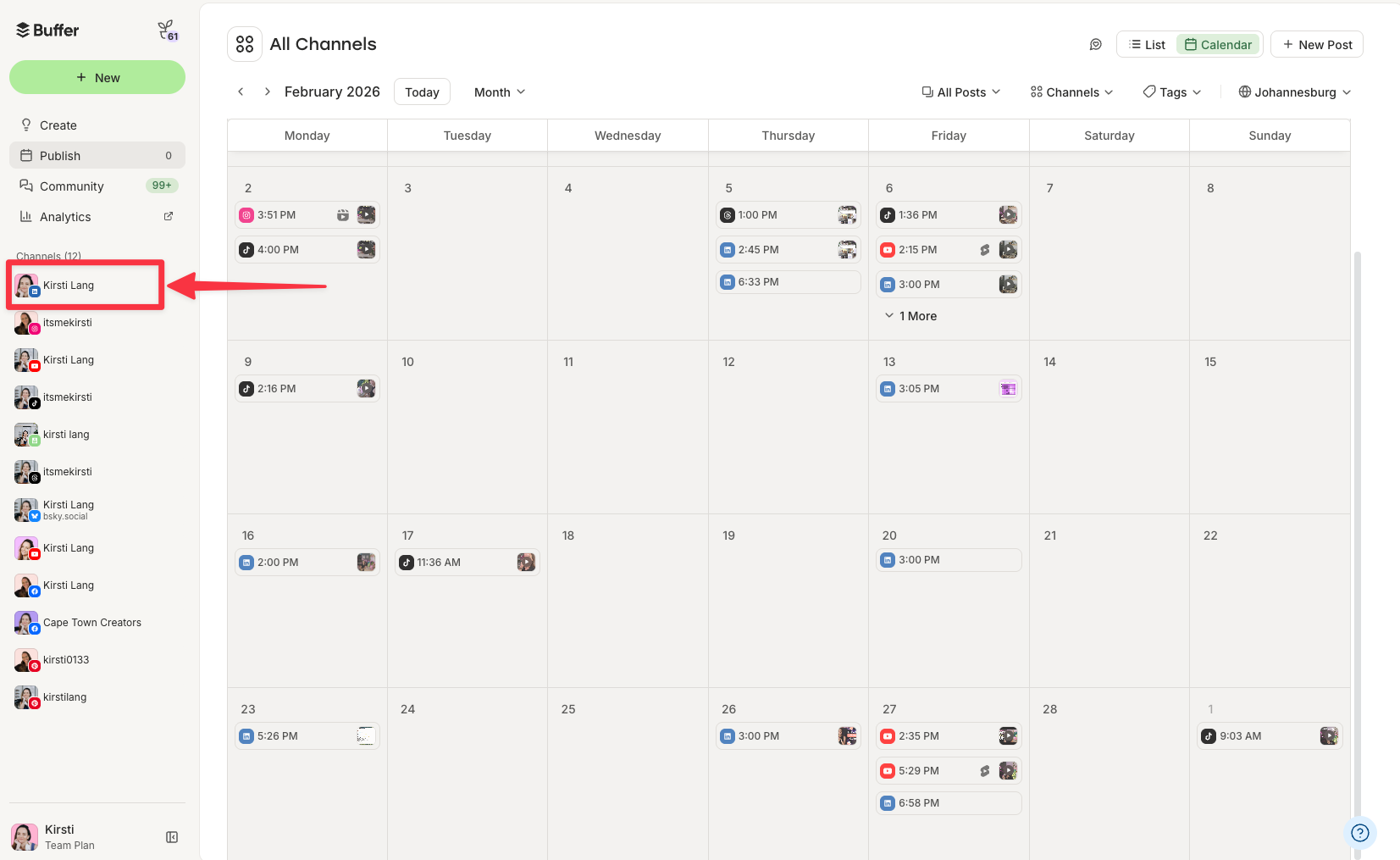
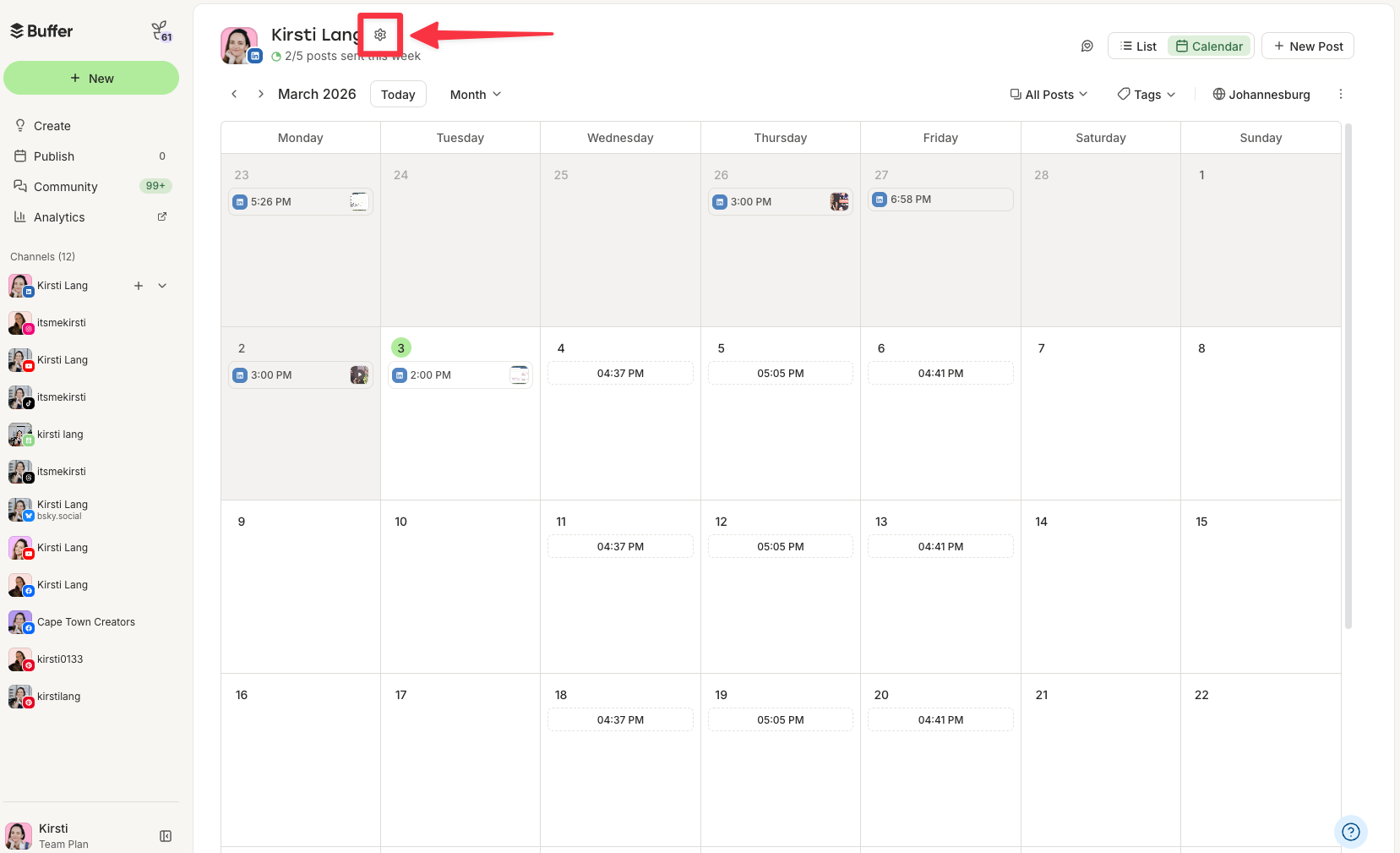
- Leverage Automation Tools: Modern social media management platforms allow users to integrate algorithmic posting schedules directly into content calendars. By synchronizing publishing queues with localized engagement data, teams can automate optimal delivery without requiring manual oversight during evening hours.
- Supplement with Native Analytics: While generalized benchmarks provide an effective launchpad, brands must continuously review proprietary performance metrics via platform insights to isolate the unique behavioral traits of their specific follower base.
Ultimately, while macroeconomic research into millions of data points offers a reliable compass for digital strategy, long-term audience retention relies on consistent publishing, audience responsiveness, and content relevance. As digital consumption habits continue to evolve, data-driven adaptation remains an essential component of modern professional communication.