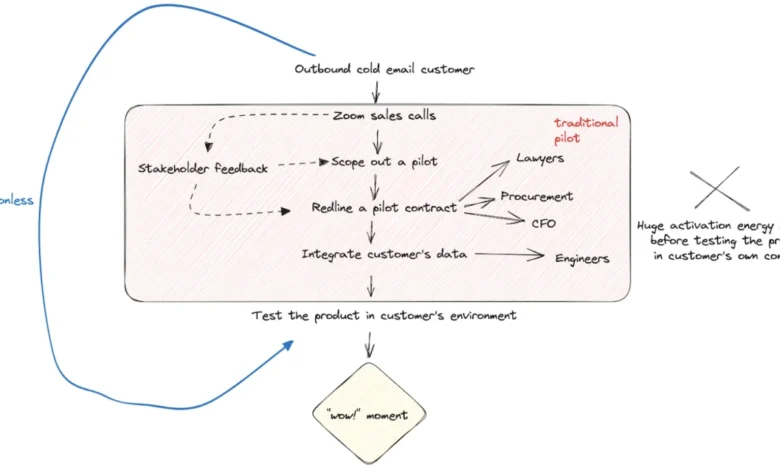
The traditional enterprise software sales cycle has long been characterized by a grueling sequence of introductory calls, procurement hurdles, legal negotiations, and complex technical integrations. For decades, software-as-a-service (SaaS) startups accepted this protracted timeline as an inevitable cost of doing business in the business-to-business marketplace. However, a growing cohort of early-stage technology companies is successfully inverting this paradigm through a strategy known as the "permissionless pilot." This emerging go-to-market approach shifts the buyer’s pivotal realization of product value—historically referred to as the "Time to Wow!" moment—from the conclusion of a lengthy sales cycle to its very inception.

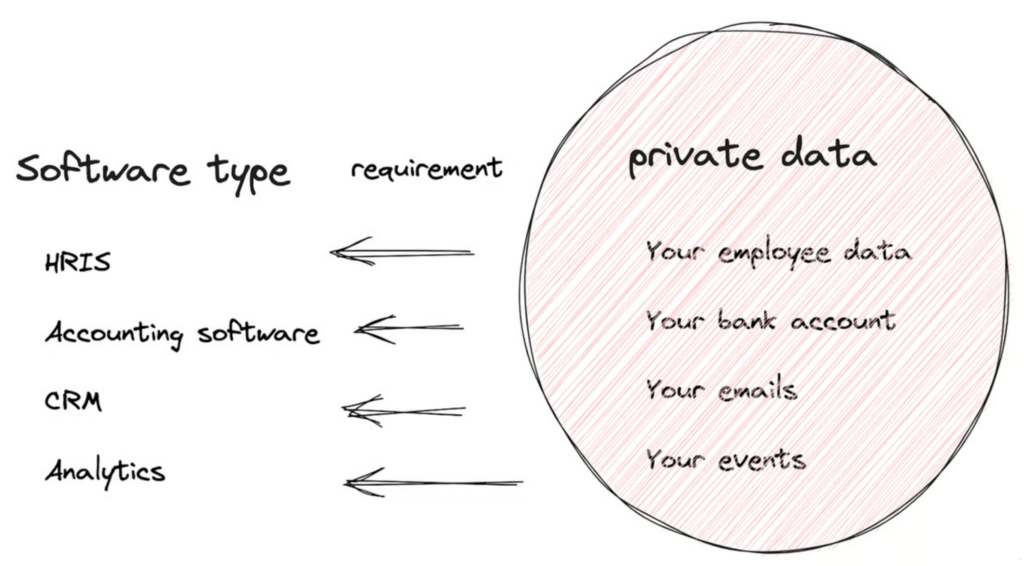
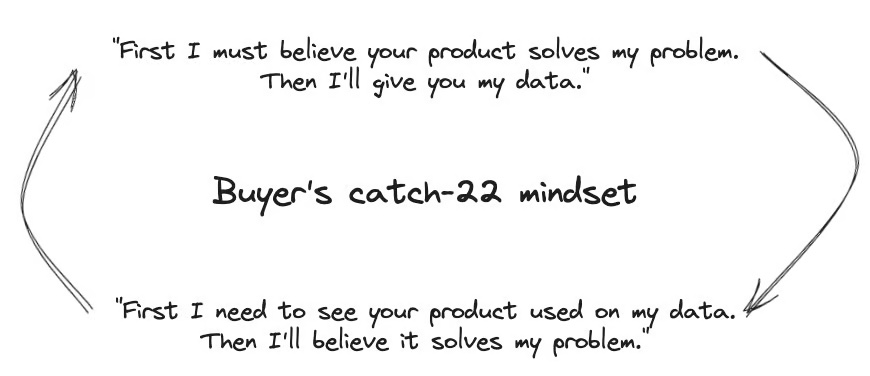
The evolution of enterprise sales strategy reflects a constant tension between demonstrating product utility and protecting proprietary corporate data. In the past, software vendors relied on generic product demonstrations populated with simulated dummy data. While this approach avoided the security risks associated with sharing live corporate assets, it frequently failed to convince prospective buyers of a solution’s practical efficacy within their specific operational context. Conversely, enterprise buyers have traditionally resisted sharing proprietary internal data until vendors could prove the software’s worth, creating a classic catch-22 that delayed innovation and strained sales pipelines.
The Mechanics and Origins of the Permissionless Pilot
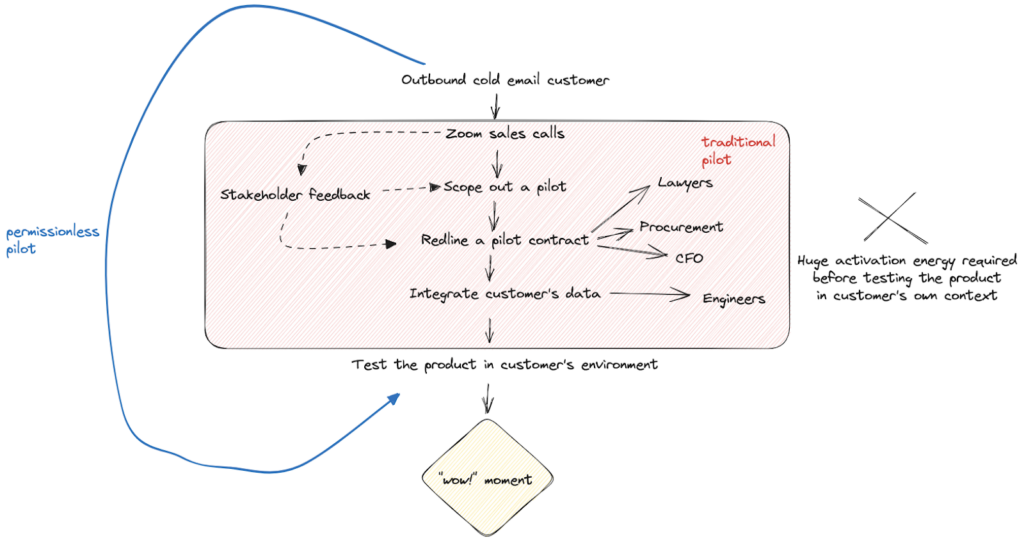
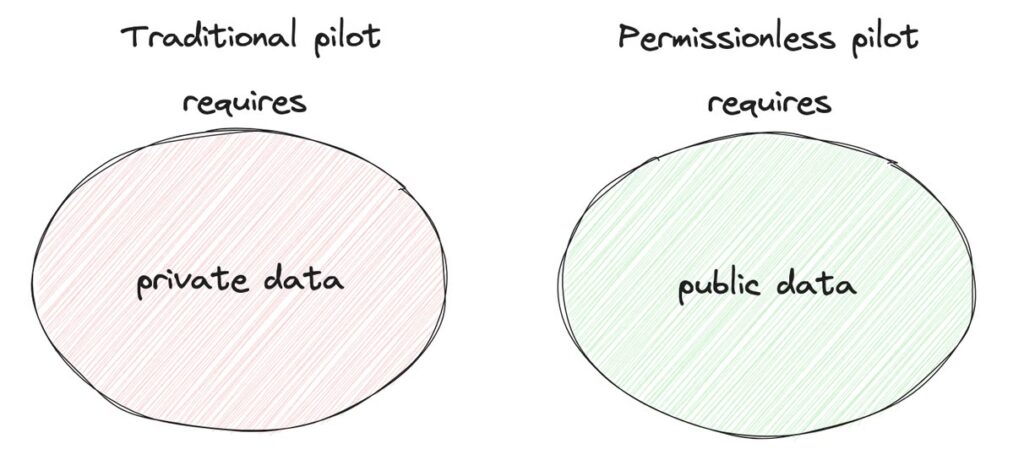
The concept of the permissionless pilot addresses this stalemate by utilizing publicly available, customer-specific data to deliver an immediate, context-driven product demonstration. Instead of requiring a prospective client to sign non-disclosure agreements, clear compliance hurdles, or invest internal political capital, innovative startups are leveraging the exponential growth of unstructured public data to build automated product previews before a formal sales conversation ever takes place.
This strategy draws inspiration from foundational SaaS principles established over the past decade, most notably David Skok’s seminal framework regarding the "Time to Wow!" metric. Skok’s original thesis emphasized that the speed at which a buyer perceives tangible value directly correlates with commercial success. Modern entrepreneurs have updated this principle for an era defined by advanced machine learning techniques, computer vision, and large language models (LLMs). These technological advancements allow developers to ingest, structure, and analyze vast quantities of public information instantly, transforming how software products are marketed and sold.
Case Study: Emerge Tools and the Mobile App Ecosystem
A prominent real-world implementation of the permissionless pilot strategy is found within the mobile application performance management sector, specifically through the practices of Emerge Tools. Founded to help developers optimize and shrink the binary code of native mobile applications, the startup faced the challenge of navigating lengthy enterprise procurement cycles common among major technology firms.
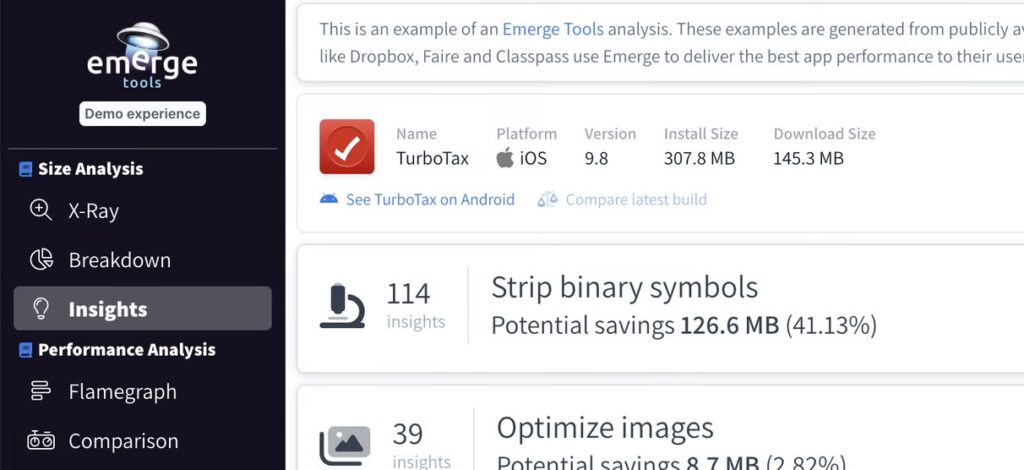
To bypass these traditional sales friction points, Emerge developed an automated system capable of reverse-engineering the publicly available binary code of any application listed in the iOS and Android app stores. By analyzing these public packages, the platform generates instant optimization reports that demonstrate specific performance improvements—such as reducing an app’s total download size or accelerating launch times—without requiring any direct cooperation, data sharing, or software integration from the target company.
Within three years of adopting this methodology, Emerge secured prominent enterprise clients including DoorDash, Square, Airbnb, Duolingo, and Dropbox, scaling its operations entirely without a traditional outbound sales force. By the beginning of 2023, the company automated its analytical pipeline to evaluate over 10,000 public applications on a regular schedule. Each individual analysis is hosted on a unique, public URL, serving as a self-contained product demonstration that prospective buyers frequently discover independently and share internally via workplace communication tools. This organic distribution model contributed to significant growth in digital engagement, organic search visibility, and inbound enterprise inquiries.
Cross-Industry Applications and Market Implications
The underlying framework of the permissionless pilot extends far beyond mobile application development. Across various technological sectors, early-stage companies are identifying untapped public data sources to construct immediate, low-friction product demonstrations that redefine traditional customer acquisition strategies.

In the search engine optimization sector, platforms like Conductor utilize public Google search results to offer immediate site improvement recommendations. Similarly, e-commerce optimization firms analyze millions of retail product listings to suggest conversion-driving copy and pricing alterations before engaging a brand’s merchandising team. In cybersecurity, automated vulnerability scanners evaluate public web applications to demonstrate threat detection capabilities, while financial technology startups like Bedrock AI parse public regulatory filings—such as Securities and Exchange Commission documents—to surface forensic intelligence regarding earnings quality and potential corporate fraud. Furthermore, web-based marketing optimization tools like Mutiny allow prospective clients to preview personalized landing page experiences without necessitating formal account creation or software installation.
Industry analysts note that the widespread adoption of permissionless pilots carries significant implications for enterprise procurement departments and B2B marketing strategies. By shifting the burden of proof from the buyer to the seller through automated public data analysis, startups can effectively shorten sales cycles and reduce customer acquisition costs. However, market observers emphasize that the execution of these pilots requires careful calibration. Companies must maintain a professional and constructive tone to ensure that unsolicited product analyses build brand equity rather than alienate prospective enterprise partners.
As the volume of global digital data continues to expand exponentially, the permissionless pilot represents a fundamental shift in how software utility is communicated. By neutralizing the initial skepticism of enterprise buyers through immediate, context-specific proof of value, agile startups are proving that the most effective sales pitch is often a product that simply demonstrates its capabilities before being asked.