Leading by Example: The Philosophy of John Waggoner and the Culture of Victory Cruise Lines


The maritime industry is one defined by rigid hierarchies and traditional command structures. However, for John Waggoner, the founder and chairman of Victory Cruise Lines, the traditional definition of a captain’s authority is secondary to a more holistic philosophy of shared labor. Waggoner, a veteran entrepreneur and endurance athlete, has built his company on the fundamental belief that leadership is not a position of detachment, but one of active, hands-on participation. This management style, which emphasizes collective responsibility over status, has become the cornerstone of his operational success as the company navigates the complex logistics of Great Lakes and inland waterway cruising.
The Foundation of a Maritime Philosophy
Waggoner’s management approach is deeply rooted in his personal history as a long-distance athlete. Having participated in grueling events such as the Escape from Alcatraz triathlon, Waggoner views business growth not as a series of explosive, high-risk maneuvers, but as a long-term endurance race. This perspective—that a marathon is simply a series of 26 one-mile races—informs the daily operations of Victory Cruise Lines.
The company, which operates specialized vessels across the historic waterways of the United States, faces unique operational challenges. Unlike larger ocean-going cruise lines that benefit from economies of scale and massive, compartmentalized staffing, smaller, expedition-style cruises require a high degree of agility. Every staff member must be capable of responding to the immediate needs of the guest experience, regardless of their official job title. This expectation of "all-hands" service is not merely a suggestion; it is a prerequisite for employment.
A Defining Moment in Leadership
The narrative of Waggoner’s leadership style is perhaps best illustrated by a recurring anecdote he shares during annual staff orientations. The story involves a routine inspection of one of his ships, during which he observed deckhands engaged in the manual labor of cleaning windows. Nearby, he noticed the ship’s captain, comfortably seated, consuming coffee and reading a newspaper while the crew worked.
When Waggoner instructed the captain to assist the crew, the captain refused, citing his rank and position as justification for his inactivity. Waggoner’s response was immediate and decisive: he terminated the captain’s employment. While some might view this as a harsh reaction to a singular incident, Waggoner maintains that the action was a necessary preservation of company culture. To Waggoner, the captain’s refusal signaled a failure to understand the core mission of the organization. The incident was not about the physical act of washing windows, but rather the symbolic refusal to contribute to the collective goal of delivering a high-quality product to the guest.
This philosophy, often described as "wearing the toolbelt," suggests that when a leader actively works alongside their team, they transcend the barriers of hierarchy. Waggoner notes that when he engages in physical labor alongside his employees, the disparity in their roles diminishes, fostering a culture of mutual respect and shared accountability.
Strategic Feedback and Guest Relations
Beyond internal management, Waggoner has implemented a rigorous system for evaluating the efficacy of his business model. Traditional customer satisfaction surveys, which often yield generic or overly polite feedback, are eschewed in favor of more direct, diagnostic inquiries. Instead of asking guests, "How was your cruise?"—a question prone to social desirability bias—Waggoner asks a more provocative question: "If you were the owner of this boat, give me three things you would change."
This method forces the guest to assume an owner’s perspective, shifting their focus from passive consumption to critical assessment. Waggoner uses the response time as a key performance indicator; if a guest takes a long time to identify areas for improvement, he views it as a success, suggesting that the service and product are already meeting high standards. If, however, the guest provides immediate, actionable feedback, he views it as a critical data point for operational refinement.
Compartmentalization and Strategic Endurance
The logistics of managing a cruise line are inherently overwhelming, involving complex regulatory compliance, hospitality management, and technical maintenance. Waggoner credits his ability to navigate these challenges to the practice of compartmentalization. By breaking down large, complex projects into smaller, manageable "miles," he maintains the focus required to sustain long-term business viability.
This approach mirrors his athletic background. In endurance sports, an athlete who focuses on the entirety of the race often risks burnout or poor pacing. By focusing on the immediate objective, the athlete maintains consistent output. Similarly, Waggoner applies this to corporate management, ensuring that his staff is not paralyzed by the magnitude of their responsibilities but is instead focused on the immediate, tangible tasks required to enhance the guest experience.
Industry Context and Economic Implications
The cruise industry has undergone significant transformation over the last decade, particularly in the segment of domestic, river, and Great Lakes cruising. According to data from the Cruise Lines International Association (CLIA), the demand for expedition and small-ship cruising has seen a marked increase, driven by a demographic of travelers seeking immersive, localized experiences.
However, this growth brings with it significant operational pressures. With labor shortages affecting the hospitality and maritime sectors globally, the ability of a company to retain staff through a positive culture is a critical competitive advantage. Waggoner’s emphasis on shared responsibility serves as a buffer against the high turnover rates often seen in the maritime industry. By fostering a sense of ownership among staff, Victory Cruise Lines effectively leverages human capital to maintain service levels that might otherwise require significantly higher staffing costs.
Analysis of the "Leader-as-Worker" Model
From a management science perspective, Waggoner’s model aligns with the concept of "servant leadership," a philosophy where the leader’s primary goal is to serve the team and facilitate their success. While the incident involving the captain demonstrates a strict enforcement of this model, the underlying implications for the organization are profound.
- Cultural Cohesion: By eliminating those who refuse to contribute to base-level tasks, the organization ensures that every employee is culturally aligned with the founder’s values.
- Operational Efficiency: When every team member is cross-trained or at least willing to perform varied tasks, the organization becomes more resilient to sudden staffing fluctuations or emergency operational needs.
- Product Integrity: By prioritizing the guest experience through the lens of an owner, Waggoner creates a feedback loop that is constantly iterating based on real-time data rather than abstract corporate goals.
The Role of Mentorship and Legacy
The influence of Waggoner’s philosophy extends beyond his current employees. Through his participation in industry-specific podcasts and leadership forums, Waggoner advocates for a paradigm shift in how maritime professionals are trained. He argues that the traditional, distant captain is an artifact of a bygone era. In the modern, hyper-competitive hospitality market, the leader must be as much an operator as they are an authority figure.
This perspective is particularly relevant for the future of domestic cruising, as the industry seeks to differentiate itself from the massive, impersonal cruise ships that dominate the international market. By emphasizing the human element—the "hands" that make the work "light"—Victory Cruise Lines positions itself not just as a transportation service, but as a boutique hospitality provider.
Conclusion: The Marathon Continues
As Victory Cruise Lines continues to expand its footprint on the Great Lakes and beyond, the endurance-based philosophy of John Waggoner remains its defining characteristic. By treating each voyage as a discrete "mile" in a much longer race, and by demanding that every member of the team—from the deckhand to the captain—take ownership of the final product, Waggoner has created a model that is both resilient and adaptable.
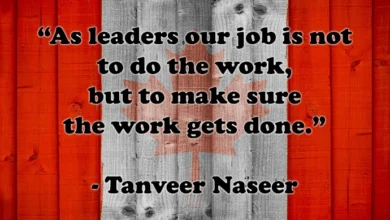
The lesson for broader industry leaders is clear: the strength of an organization is not found in the titles held by its executives, but in the willingness of its leaders to pick up a toolbelt, listen to the feedback of those they serve, and remain focused on the incremental steps that lead to long-term success. As the landscape of domestic tourism evolves, companies that prioritize this blend of hands-on labor and long-term strategic vision are the most likely to sustain their competitive edge in an increasingly demanding market. Waggoner’s story serves as a testament to the fact that, regardless of the industry, the most effective leaders are those who never forget the importance of doing whatever is necessary to get the job done.