A comprehensive analysis of millions of social media posts by Buffer reveals a significant shift in optimal posting times for LinkedIn in 2026, with peak engagement now gravitating towards late afternoon and evening hours. This marks a notable departure from previous years where professional content garnered the most attention primarily during traditional 9-to-5 working hours. The findings, derived from an examination of over 4.8 million LinkedIn posts, suggest a fundamental change in how professionals interact with the platform, mirroring trends observed on more leisure-oriented social networks like Instagram and TikTok.
Julian Winternheimer, Buffer’s resident data scientist, has spearheaded this ongoing research for approximately two years, meticulously tracking engagement metrics across major social platforms. The 2026 LinkedIn data presented a surprising evolution from the 2025 landscape, where engagement sharply declined after 5 p.m. This year, the data indicates a sustained and even heightened level of interaction stretching into the late hours, suggesting that users are increasingly consuming and engaging with professional content after their formal workdays conclude.
The Evolving Landscape of Professional Engagement
LinkedIn, traditionally viewed as a platform for networking, job searching, and industry news consumption during business hours, appears to be adapting to changing work patterns and digital consumption habits. The blurring lines between work and personal life, exacerbated by the rise of remote and hybrid work models, has likely influenced this shift. Professionals are no longer strictly confined to engaging with work-related content during office hours but are extending this activity into their commutes, evening wind-downs, or even late-night scrolls. This phenomenon underscores LinkedIn’s growing role not just as a professional tool, but as a broader content consumption hub.
The research highlights that while professional content remains highly valued, the timing of its delivery is paramount to maximizing visibility and interaction. Engagement—defined by reactions, comments, and reposts—serves as a critical signal to LinkedIn’s algorithm, influencing a post’s reach. As the platform’s internal mechanisms prioritize content that generates early interaction, strategically timed posts are more likely to be amplified and reach a wider audience. Therefore, understanding these new peak windows is crucial for individuals building a personal brand and for organizations managing their LinkedIn Pages.
Key Findings: A Detailed Look at 2026 Engagement Peaks
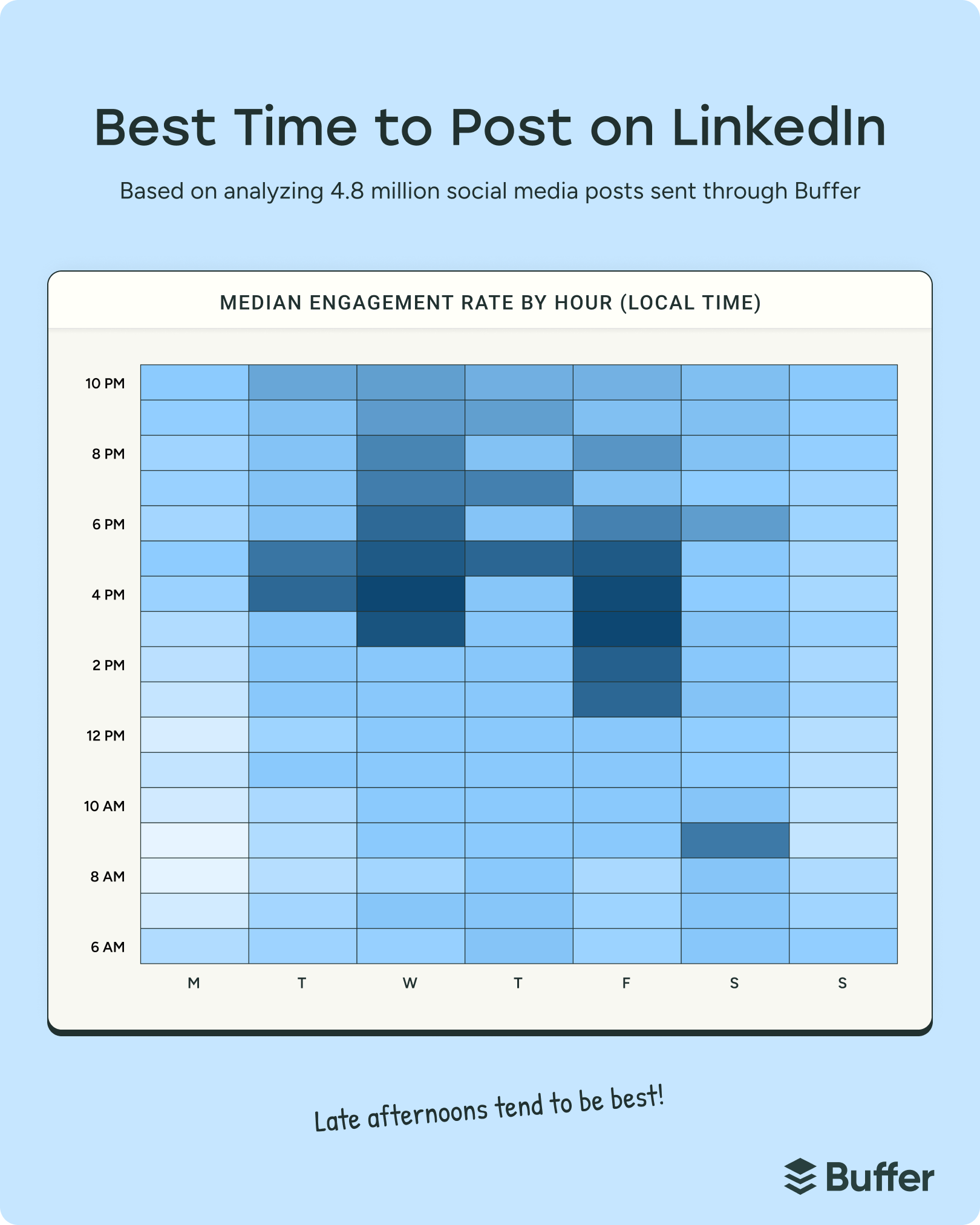
Buffer’s extensive data pinpoints a general sweet spot for high engagement between 3 p.m. and 8 p.m. on weekdays. Specifically, Wednesday at 4 p.m. stands out as one of the highest-engagement slots of the entire week. Other top-performing times include Friday at 3 p.m. and 4 p.m., indicating a strong end-of-week engagement surge as professionals mentally transition out of their work week.
The visual representation of this data, often depicted through a heatmap, clearly illustrates the intensity of engagement. Darker blocks signify higher engagement, while lighter areas indicate lower activity. This visual evidence unequivocally shows the shift away from concentrated morning and early afternoon peaks towards a more diffused, later-day pattern. Traditional morning hours (6 a.m. to 11 a.m.), which once held significant sway, now show comparatively lower engagement, though they are not entirely dormant. LinkedIn’s own marketing insights have previously acknowledged midday pockets, such as lunch breaks, as active periods, and while these still perform adequately, they no longer represent the platform’s primary engagement peaks.
Daily Breakdown of Optimal Posting Times (Local Time Zone)
To provide actionable insights, Buffer’s data scientist Julian Winternheimer normalized posting times by local time zone, ensuring that recommendations are universally applicable without the need for complex conversions.
- Monday: The start of the work week typically sees lower overall engagement. However, posts at 10 p.m., 5 p.m., and 9 p.m. show comparatively higher interaction, suggesting professionals are catching up on content after their initial Monday tasks. Content creators are advised to consider saving their most critical posts for later in the week.
- Tuesday: Similar to Monday, Tuesday’s overall engagement is slightly subdued. The best times identified are 4 p.m., 5 p.m., and 10 p.m. This indicates a gentle pickup in activity as the workday winds down, with a notable late-night peak. Experimentation with these slots is recommended before establishing a fixed Tuesday schedule.
- Wednesday: This day emerges as the undisputed champion for LinkedIn engagement. The optimal time is 4 p.m., a prime slot for maximizing reach. Other strong performers include 3 p.m. and 5 p.m., forming a consistent afternoon-to-early-evening window. Wednesday is an ideal day to share high-priority content.
- Thursday: Following Wednesday’s strong performance, Thursday continues to show robust engagement, particularly in the late afternoon and evening. The best time is 5 p.m., with 7 p.m. and 9 p.m. also proving effective for reaching later-engaging users.
- Friday: As the work week concludes, Friday maintains high engagement levels. The optimal time is 3 p.m., as professionals begin to wind down. Strong follow-up times are 4 p.m. and 5 p.m. Friday remains a highly valuable day for content distribution.
- Saturday: Weekends generally experience significantly lower engagement on LinkedIn compared to weekdays. If posting is essential, 9 a.m. is the strongest time, followed by 6 p.m. and 10 p.m. However, content creators should prioritize weekday slots for maximum impact.
- Sunday: Similar to Saturday, Sunday exhibits low overall engagement. The best time identified is 10 p.m., with 9 p.m. and 6 a.m. also showing some activity. Weekends are generally considered the "worst" times to post for maximizing engagement.
The Best Day: Wednesday Reigns Supreme
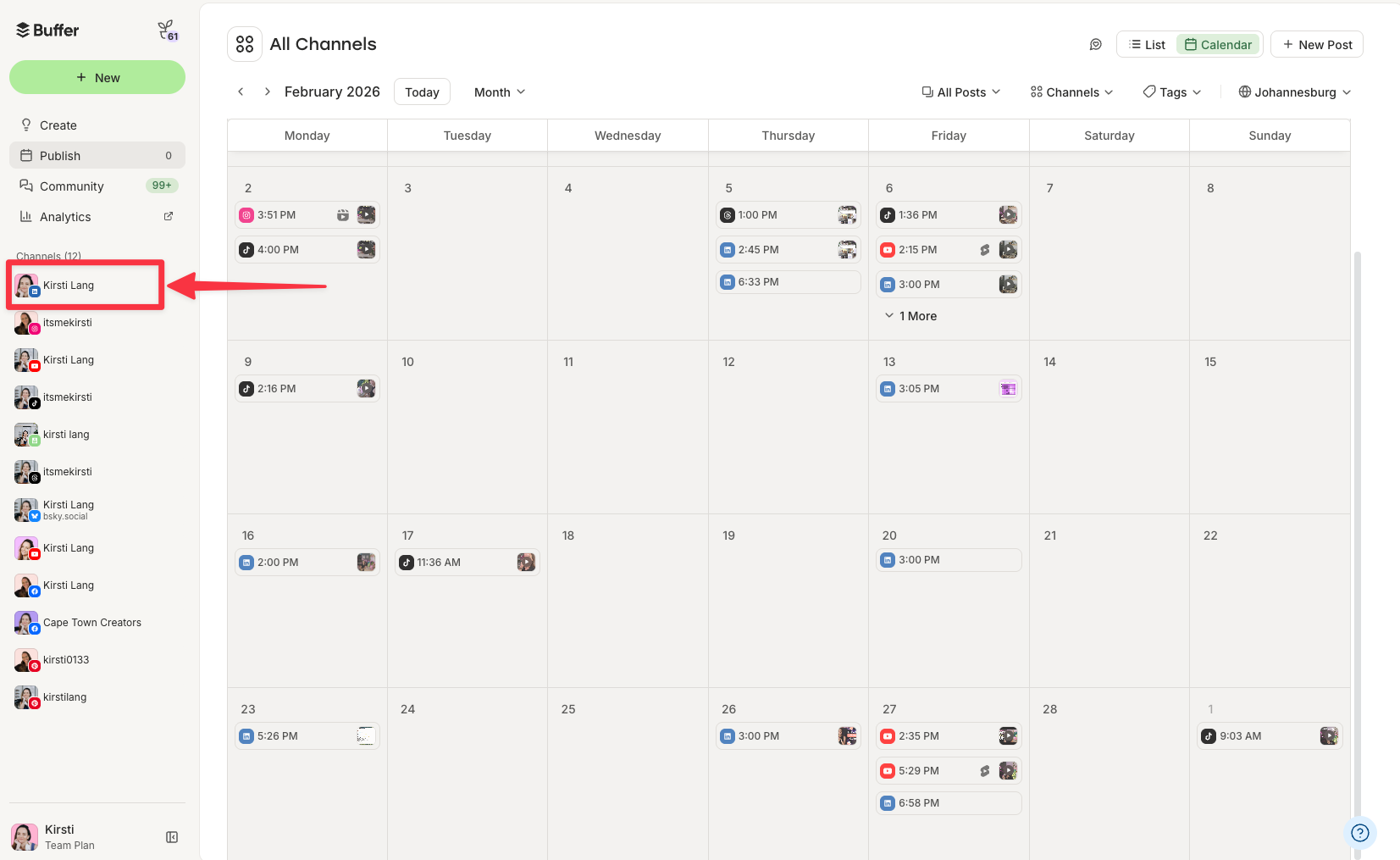
The data unequivocally identifies Wednesday as the best day of the week to post on LinkedIn for maximum engagement. This is closely followed by Thursday and then Friday. This mid-to-late week pattern aligns with anecdotal observations: by Wednesday, professionals are fully immersed in their work week and actively seeking valuable content, but have not yet mentally disengaged for the weekend.
Conversely, Monday and Tuesday register the lowest engagement numbers. Monday, in particular, shows the weakest performance. While some external studies cited by LinkedIn’s own marketing blog suggest Tuesday can be an active day, Buffer’s 2026 data points to a "heads-down" work theory for the early week, where users are focused on tasks rather than extensive social media interaction. This discrepancy underscores the dynamic nature of social media analytics and the importance of continuous, data-driven research.
Implications for LinkedIn Marketing Strategies
These findings carry significant implications for anyone leveraging LinkedIn for professional growth, lead generation, or brand building. The shift to evening engagement suggests a need for a re-evaluation of content calendars and scheduling practices.
- Strategic Scheduling: Marketers and professionals should prioritize late afternoon and evening slots, particularly on Wednesdays, Thursdays, and Fridays, for their most important content.
- Content Adaptation: The type of content might also need to adapt to the post-work mindset. While professional development and industry insights remain core, content consumed during evening hours might lean slightly more towards reflective pieces, thought leadership, or perhaps even lighter, more shareable formats that don’t demand immediate action.
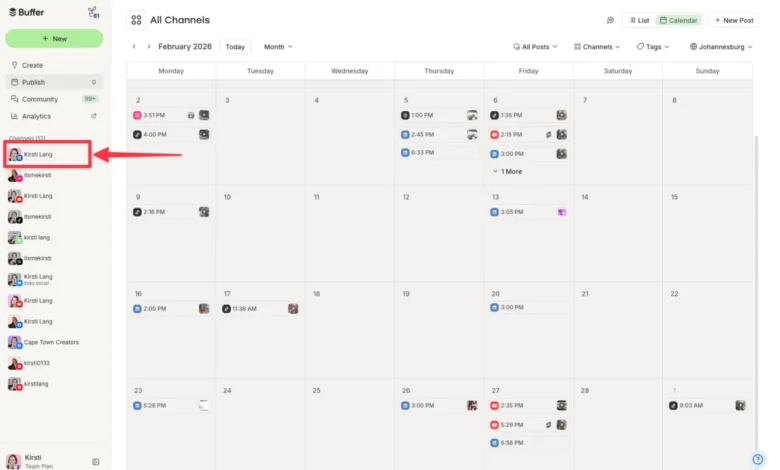
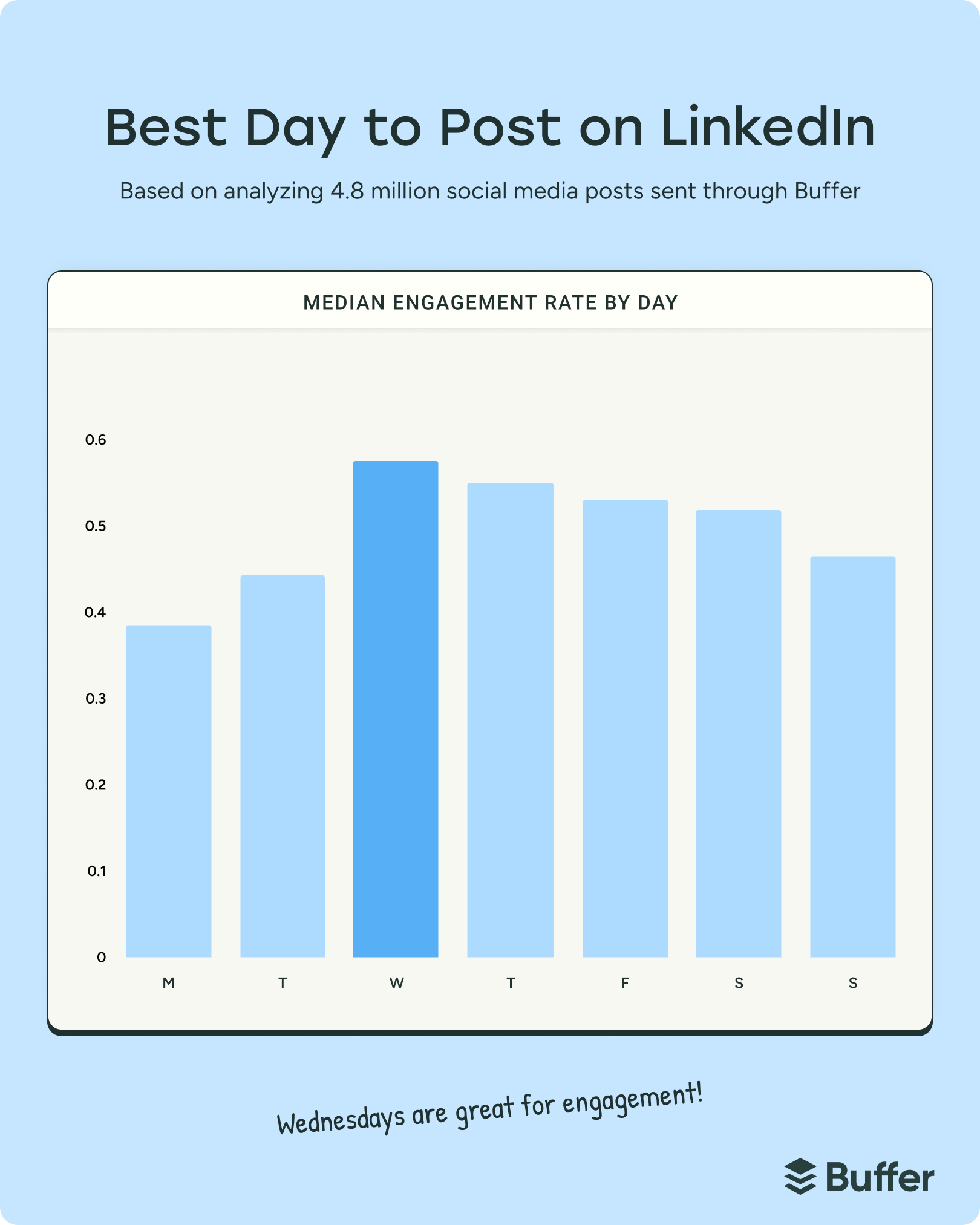
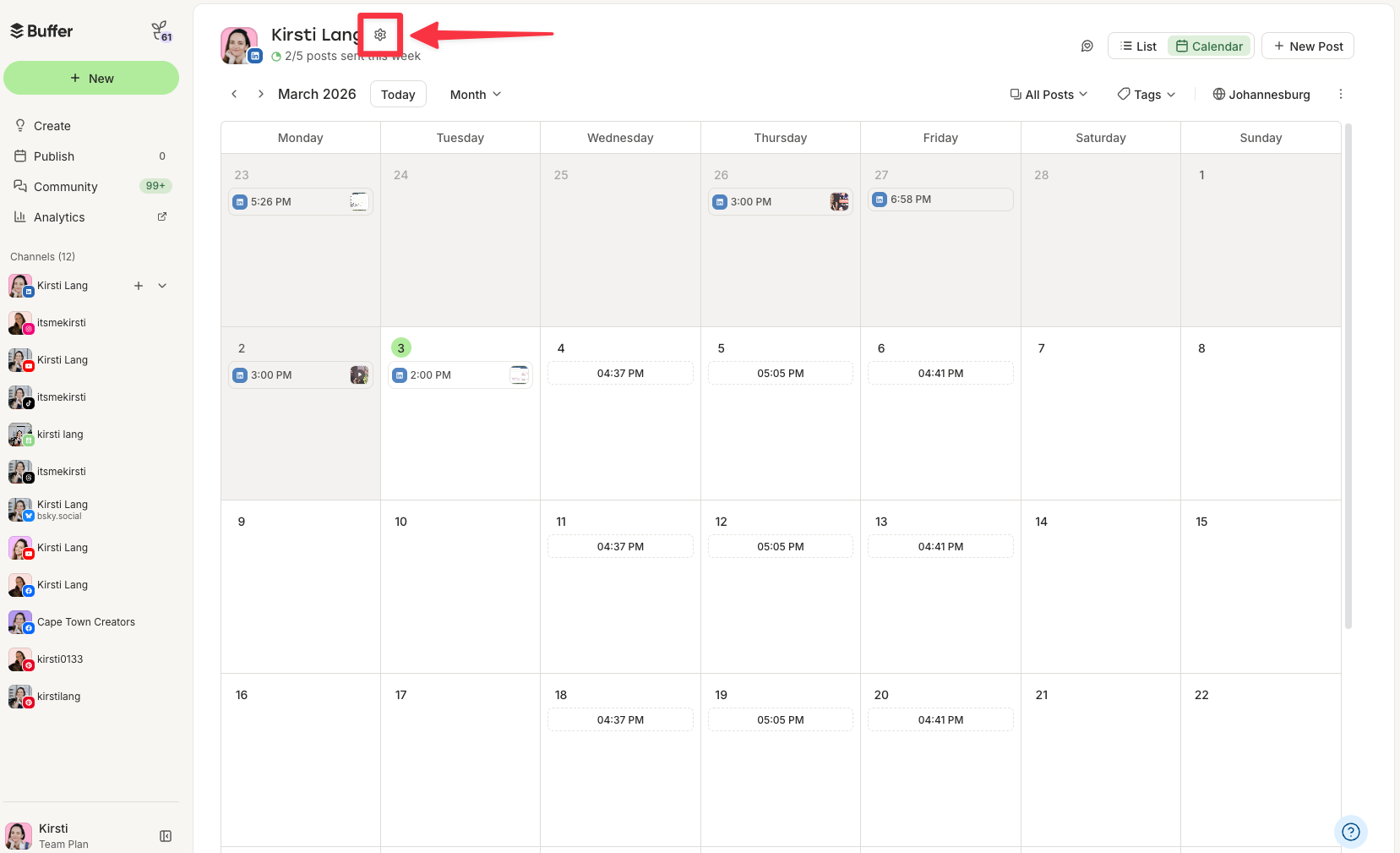
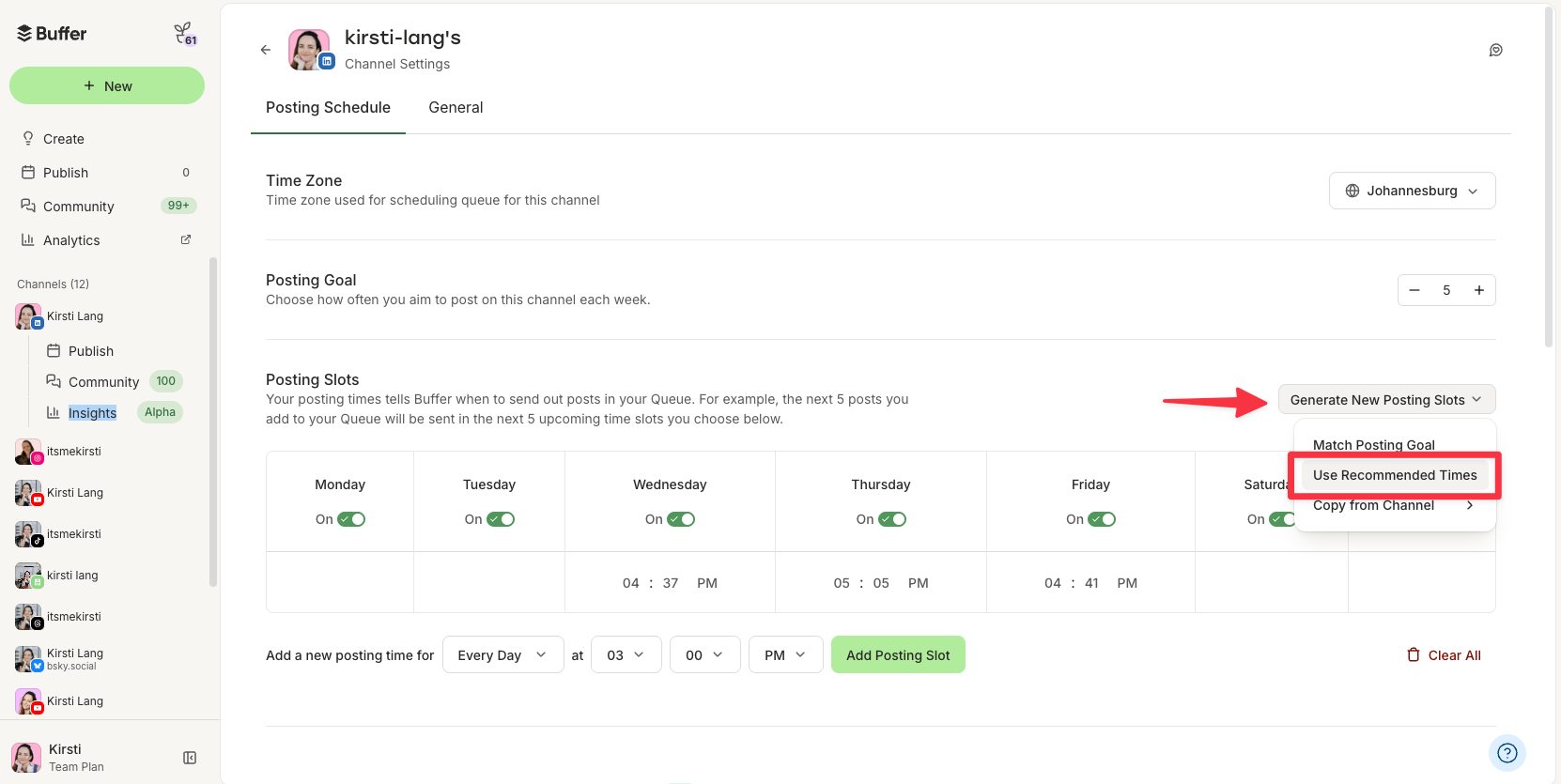
- Leveraging Tools: Social media management tools like Buffer become invaluable. These platforms can automatically configure posting schedules based on identified optimal times, removing the guesswork and manual effort. Buffer, for instance, integrates these best times directly into its scheduling queue and calendar, allowing users to effortlessly align their content with peak engagement windows. Furthermore, Buffer Insights provides detailed analytics to help users track their own performance and fine-tune their strategies based on their unique audience’s behavior.
- Continuous Experimentation: While these generalized findings offer a strong starting point, every audience is unique. The article emphasizes the importance of ongoing experimentation and diligent monitoring of personal or brand analytics. Native LinkedIn Analytics can provide insights into top-performing posts, but for granular timing data, a robust social media management tool that records exact posting times is essential.
Beyond Timing: Frequency and Content Format
While timing is a crucial variable, it is not the sole determinant of success on LinkedIn. Buffer’s research also sheds light on optimal posting frequency and content formats.
- Posting Frequency: Analysis of over 2 million LinkedIn posts indicates that posting 2 to 5 times per week is a solid starting point, delivering approximately 1,182 more impressions per post and a 0.23 percentage point increase in engagement rate compared to posting just once a week. This frequency appears to signal activity to LinkedIn’s algorithm, leading to broader content distribution. Increasing frequency to 6 to 10 times per week pushes gains further, yielding an average of 5,001 more impressions per post. For those capable of consistently posting 11 or more times per week, the benefits are dramatic: nearly 17,000 additional impressions per post and triple the engagement. These gains hold true regardless of audience size, making consistent activity a powerful driver of reach.
- Content Type: In terms of content format, carousel (document) posts are currently the standout performers, generating up to 596% more engagement than text-only posts. Beyond format, content that delivers genuine insight, professional value, or a unique perspective consistently resonates well with the LinkedIn audience. This includes thought leadership articles, data-driven reports, actionable tips, and engaging discussions.
Conclusion: Adapting to the New Rhythms of Professional Engagement
The 2026 data from Buffer underscores the dynamic nature of social media platforms and user behavior. LinkedIn is no longer just a workday phenomenon; it has evolved into a continuous professional engagement channel that extends well into the evening. This shift necessitates a strategic recalibration for marketers and individual professionals alike. By understanding these new optimal posting times, prioritizing high-engagement days, embracing effective content formats, and leveraging analytical tools for continuous optimization, users can significantly enhance their visibility and impact on the platform. As digital habits continue to evolve, staying attuned to these data-driven insights will be paramount for sustained success in the professional social media landscape.