South Korea Charts Ambitious AI Future with NVIDIA and Industry Leaders at San Francisco Summit

The pursuit of artificial intelligence leadership has reached a new zenith as South Korea, spearheaded by President Jae Myung Lee, convened with top national business magnates and leading researchers at the recent AI Summit in San Francisco. This pivotal gathering, featuring intensive discussions with NVIDIA and its extensive ecosystem partners, signals a profound commitment to accelerating the nation’s AI progress and solidifying its position as a global hub for technological innovation. The summit builds upon the momentum generated by NVIDIA founder and CEO Jensen Huang’s earlier visit to Korea last month, underscoring a strategic, full-stack approach to expanding the country’s AI infrastructure and cultivating advanced expertise.
At the heart of the summit’s initial announcements was a landmark collaboration between NVIDIA and the Korea Advanced Institute of Science and Technology (KAIST). The two entities officially launched a joint AI research laboratory at KAIST’s Kim Jaechul Graduate School of AI in Seoul. This groundbreaking initiative, the first of its kind between a South Korean university and a global technology powerhouse, is dedicated to advancing agentic AI, a sophisticated frontier of AI development focused on autonomous systems capable of complex decision-making and action. The lab will leverage NVIDIA’s comprehensive full-stack AI capabilities, including its cutting-edge NVIDIA Nemotron open models and the robust NVIDIA AI Cloud partner computing ecosystem, to work alongside KAIST’s world-class scientific talent. KAIST, recognized as one of Asia’s premier research universities, is expected to be a fertile ground for groundbreaking discoveries in this rapidly evolving field.
The summit’s agenda extended beyond this significant research partnership, encompassing high-level engagements and strategic dialogues. President Lee’s participation highlighted the national imperative to foster AI innovation, recognizing its potential to drive economic growth and societal advancement. The discussions with NVIDIA and its partners are expected to yield further insights into how South Korea can harness AI technologies to address pressing challenges across various sectors, from manufacturing and healthcare to transportation and public services.
A detailed chronology of events leading up to and during the summit sheds light on the depth of engagement between South Korea and NVIDIA.
Chronology of Key Engagements:
-
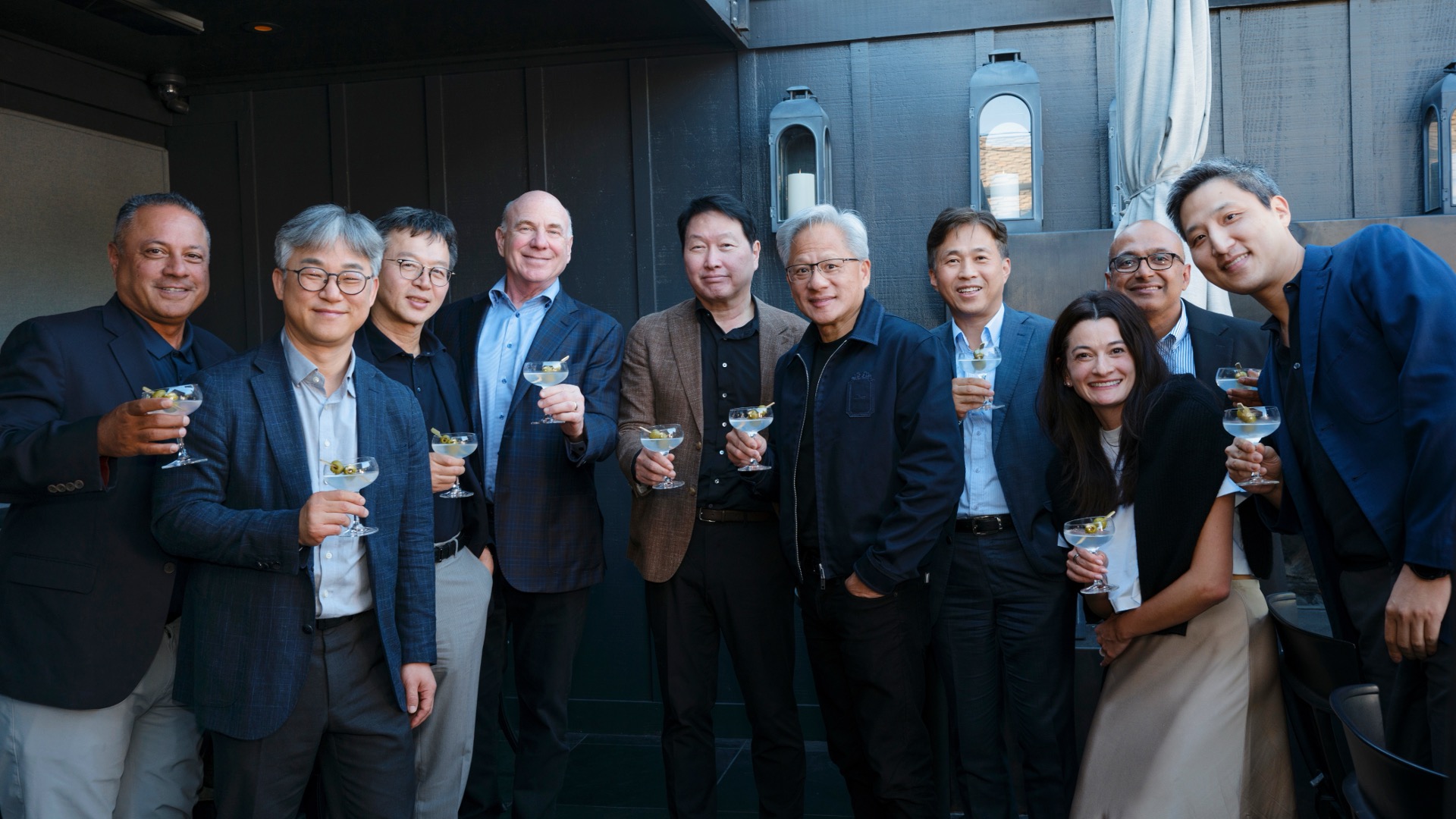
Thursday, July 23, 9 p.m. PT: The summit’s prelude was marked by a significant dinner in Woodside, California, where NVIDIA CEO Jensen Huang hosted SK Group Chairman Chey Tae-won and key representatives from SK Hynix, SK Telecom, and NVIDIA. This gathering celebrated a long-standing and evolving partnership between NVIDIA and the SK conglomerate. Earlier in June, NVIDIA and SK had announced an expanded collaboration focused on co-developing advanced memory solutions tailored for NVIDIA platforms, encompassing AI infrastructure, personal AI, and physical AI applications. Furthermore, SK Telecom had revealed plans in June to construct AI infrastructure specifically designed to power South Korea’s advancements in physical AI and robotics, demonstrating a shared vision for leveraging AI in tangible, real-world applications.
-
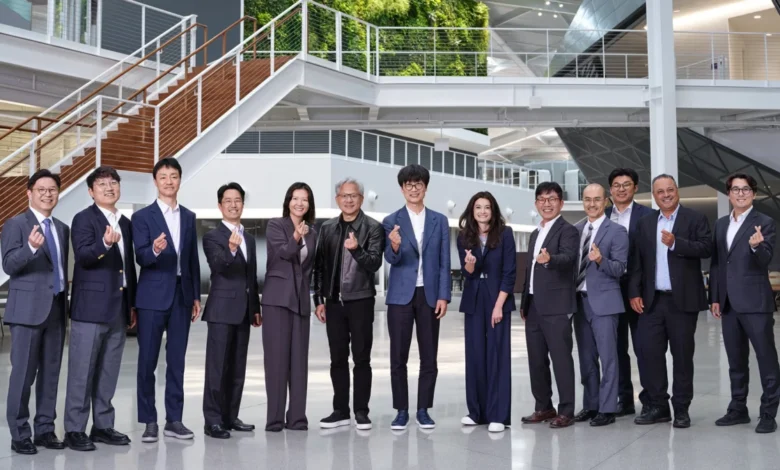
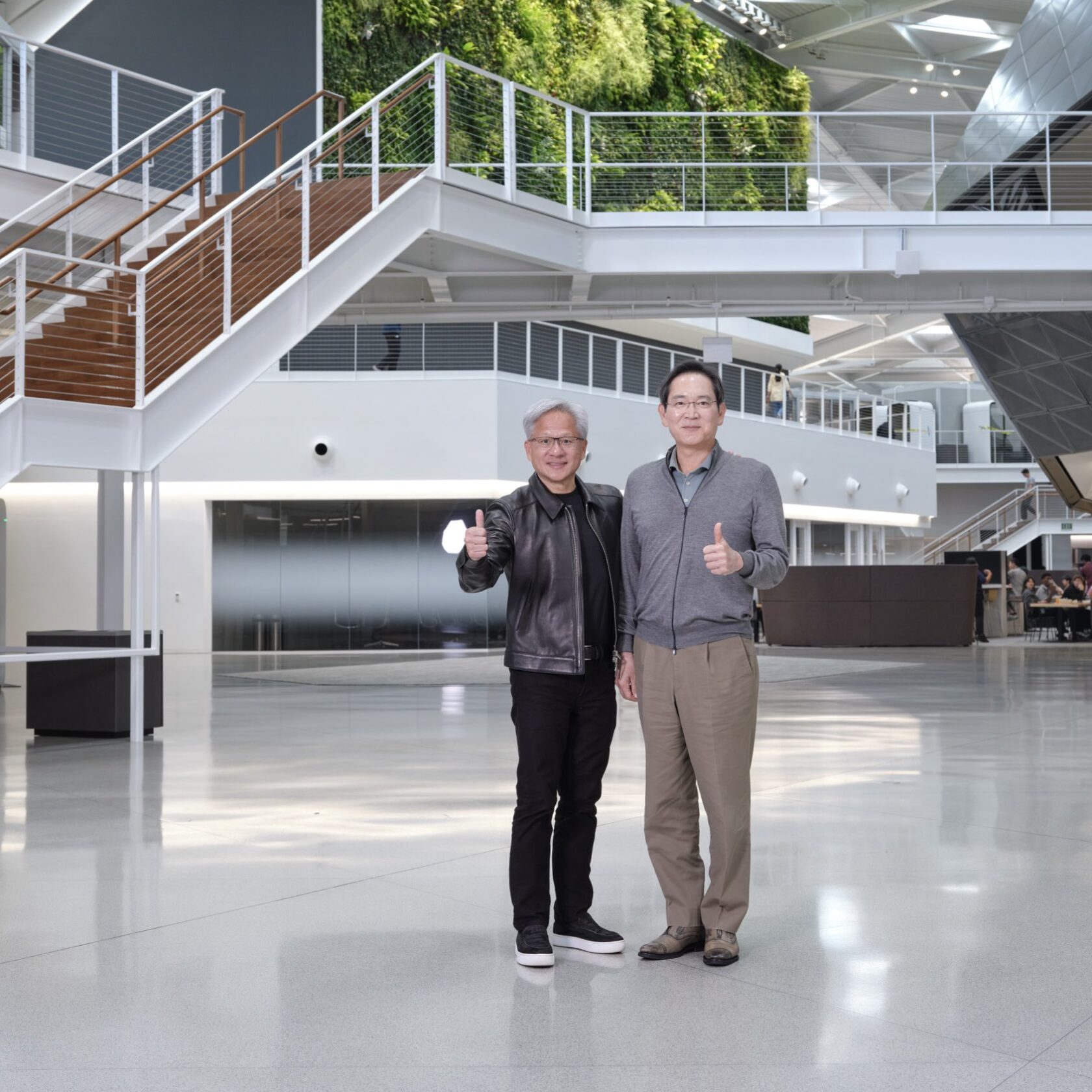
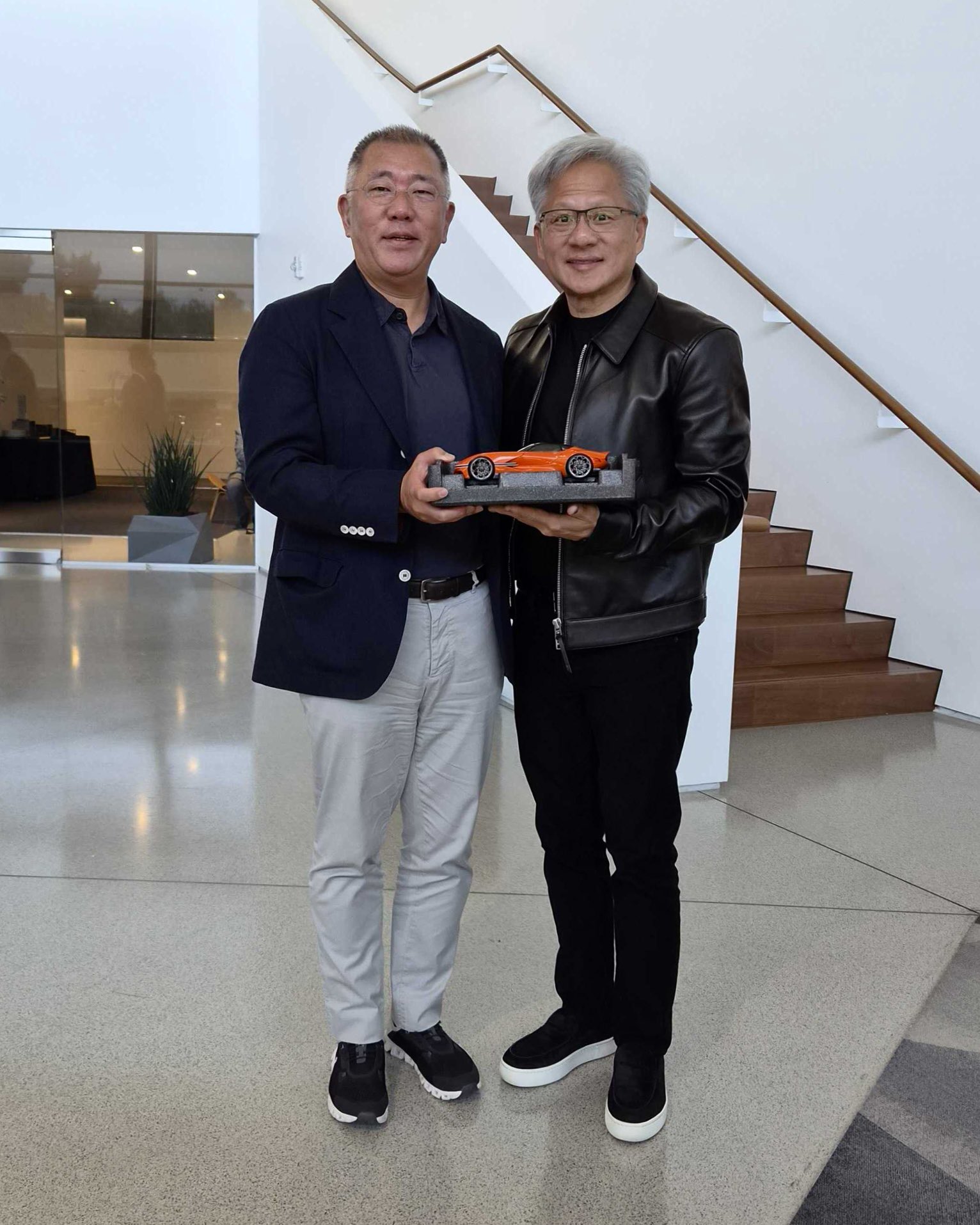
Friday, July 24, 2:00 p.m. PT: The focus shifted to Silicon Valley’s tech heartland as prominent South Korean business leaders made a significant visit to NVIDIA’s headquarters in Santa Clara. This included Samsung Executive Chairman Lee Jae-yong, Hyundai Motor Group Executive Chairman and CEO Euisun Chung, and NAVER founder and Chairman Lee Hae-jin. Their tour of NVIDIA’s state-of-the-art facilities, including the architecturally distinctive Endeavor building, provided a firsthand look at the cutting edge of AI hardware and software development. The presence of these industry titans alongside NVIDIA’s leadership underscored the strategic importance of AI for South Korea’s major corporations and their commitment to integrating advanced AI solutions into their respective business models. The photographic opportunities, with leaders posing against the backdrop of NVIDIA’s innovative design, symbolized the fusion of Korean industrial prowess and global technological leadership.
-
Ongoing AI Summit in San Francisco: The summit itself served as a platform for President Jae Myung Lee, alongside South Korean business and research leaders, to engage directly with NVIDIA and its ecosystem partners. Discussions centered on mapping out concrete strategies for advancing Korea’s AI capabilities, from foundational research and infrastructure development to the deployment of AI solutions across the national economy. The summit’s proceedings, including continued meetings between President Lee and Jensen Huang, along with other key Korean and U.S. business figures, were expected to generate further announcements and reinforce collaborative pathways.
The implications of these collaborations and high-level engagements are far-reaching. South Korea, already a global leader in semiconductors and digital connectivity, is strategically positioning itself to capitalize on the AI revolution. The nation’s ambition to become a global AI innovation center is supported by significant investments in research and development, talent cultivation, and infrastructure. NVIDIA’s role as a key technological enabler is crucial, providing the foundational hardware, software, and expertise necessary for South Korea to realize its AI aspirations.
The partnership with KAIST is particularly significant. By establishing a dedicated AI research lab focused on agentic AI, South Korea is not merely adopting existing AI technologies but actively contributing to their advancement. Agentic AI holds the promise of creating more intelligent and autonomous systems that can operate in complex environments, with potential applications in areas such as autonomous vehicles, advanced robotics, personalized healthcare, and sophisticated scientific research. The integration of NVIDIA’s cutting-edge models like Nemotron, which represent the forefront of large language model development, with KAIST’s deep academic expertise, creates a powerful synergy.
Moreover, the involvement of major South Korean conglomerates like Samsung, Hyundai, and NAVER signals a clear intent to embed AI across the entire spectrum of the national economy. Samsung, a titan in memory and semiconductor manufacturing, stands to benefit from and contribute to advancements in AI hardware. Hyundai Motor Group’s focus on AI in automotive and mobility sectors, including autonomous driving and smart city solutions, aligns with the development of sophisticated AI systems. NAVER, South Korea’s leading internet company, is well-positioned to leverage AI for its vast array of digital services, from search and cloud computing to content creation and e-commerce.
The SK Group’s collaborations further underscore this comprehensive approach. Their joint development of memory for AI platforms and plans for building AI infrastructure for physical AI and robotics indicate a commitment to both the foundational elements and the practical applications of AI. This multi-faceted approach, involving government, academia, and industry, is essential for building a robust and competitive AI ecosystem.
Supporting data points to the growing importance of AI in the global economy. According to industry analysts, the global AI market is projected to reach over $1.8 trillion by 2030, highlighting the immense economic opportunities associated with AI leadership. South Korea’s strategic initiatives are aimed at capturing a significant share of this burgeoning market. The nation’s existing strengths in high-speed internet, digital infrastructure, and a highly skilled workforce provide a strong foundation for AI development.
The broader impact of this strengthened partnership between South Korea and NVIDIA extends beyond national economic interests. It contributes to the global advancement of AI, fostering an environment of collaboration and innovation that can address complex global challenges. As AI technologies become more sophisticated and integrated into daily life, international cooperation in research, development, and ethical deployment becomes increasingly vital.
In conclusion, the AI Summit in San Francisco, marked by President Jae Myung Lee’s engagement with NVIDIA and South Korea’s leading industrial and academic figures, represents a pivotal moment in the nation’s pursuit of AI excellence. The establishment of the joint NVIDIA-KAIST AI research lab, coupled with high-level meetings with industry leaders and ongoing collaborations with entities like the SK Group, demonstrates a concerted effort to build a comprehensive AI ecosystem. This strategic push aims to propel South Korea to the forefront of global AI innovation, leveraging its technological prowess and collaborative spirit to shape the future of artificial intelligence. The continued dialogue and tangible outcomes from these engagements are poised to redefine the landscape of AI development and application, both domestically and on the international stage.