Stack Overflow Co-Founder Jeff Atwood Reflects on Community, AI Integration, and the Future of Developer Knowledge at WeAreDevelopers World Congress

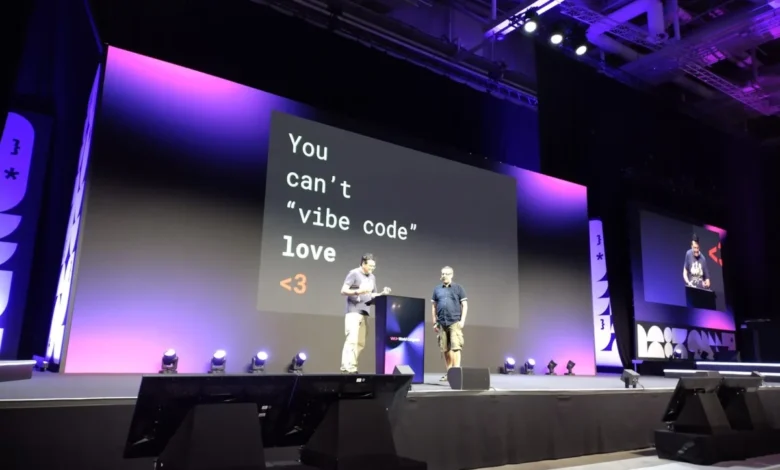
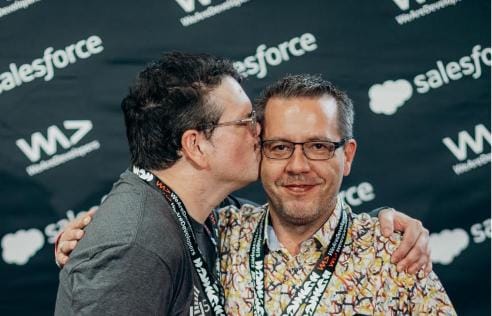
The evolution of digital communities and the seismic shifts introduced by artificial intelligence took center stage at the CityCube in Berlin during the WeAreDevelopers World Congress. Jeff Atwood, co-founder of the seminal programming platform Stack Overflow, delivered a joint keynote presentation alongside Ben Dumke-von der Ehe, one of the platform’s earliest community hires. The session, titled "None of Us Is As Dumb As All of Us: Community And Knowledge Go Hand In Hand," offered a retrospective on the birth of collaborative developer platforms, the triumphs of crowdsourced technical knowledge, and an urgent inquiry into the sustainability of human-centric technical ecosystems in an era dominated by Large Language Models (LLMs).
Main Facts of the Keynote and Collaboration
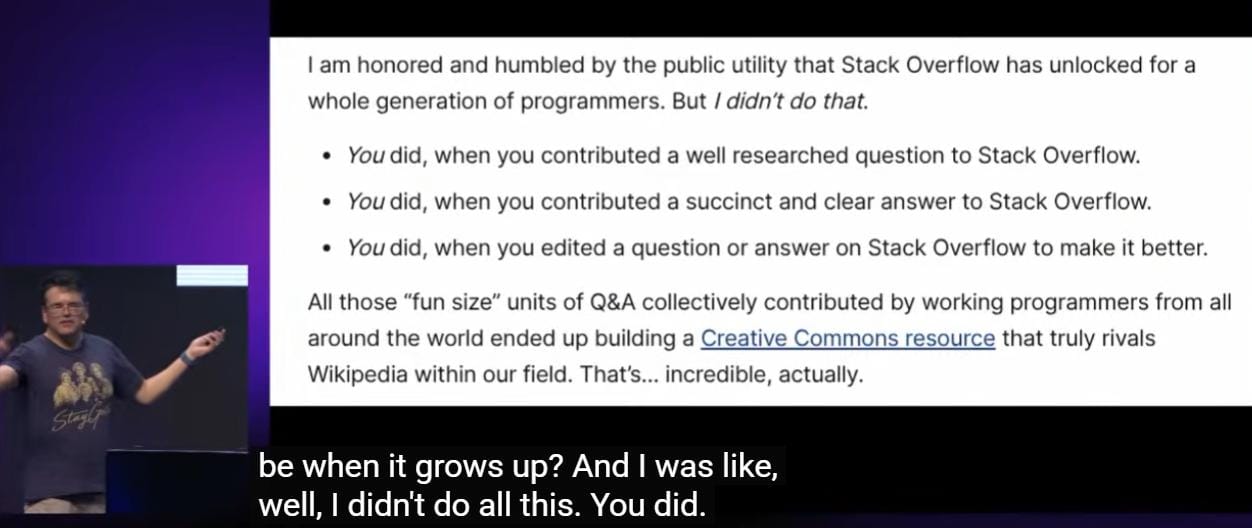
The keynote presentation, held on Friday, July 10, marked a rare international speaking engagement for Atwood. He conditioned his acceptance of the WeAreDevelopers invitation on the inclusion of Dumke-von der Ehe, a Berlin-based developer whose career was profoundly intertwined with the early days of Stack Overflow. The presentation bridged decades of developer culture, exploring how a simple question-and-answer website grew into a foundational digital commons supported by a bedrock Creative Commons license.
Atwood emphasized that the platform’s core architecture was intentionally designed to serve passive learners. Citing long-held institutional philosophy, Atwood noted that if a technical forum functions correctly, the vast majority of developers should find their answers embedded in search engine result pages without ever needing to author a new query or reply. However, the intersection of modern generative artificial intelligence and traditional web forums has introduced complex new dynamics regarding content creation, duplicate management, and community retention.
Chronology of Stack Overflow and the Rise of AI Integration
To understand the weight of Atwood and Dumke-von der Ehe’s Berlin address, it is necessary to examine the timeline of online knowledge sharing and the rapid disruption brought by AI.
In 2008, Jeff Atwood and Joel Spolsky launched Stack Overflow as an alternative to fragmented expert forums and poorly moderated bulletin boards. The platform relied heavily on user reputation systems, gamification, and strict community moderation to curate high-quality programming answers. Ben Dumke-von der Ehe joined the fledgling company shortly after its inception as part of its foundational community team, representing the human engine driving the site’s early growth. Over the following decade, Stack Overflow amassed tens of millions of questions and answers, establishing itself as an indispensable utility for software engineers globally.
As the 2020s progressed, the technological landscape shifted dramatically. The emergence of powerful Large Language Models trained on vast datasets—including the publicly accessible archives of Stack Overflow—began to alter user behavior. Rather than browsing forum threads, developers increasingly turned to conversational AI interfaces to troubleshoot code in real-time. This transition initially raised alarms across online communities regarding attribution, copyright, and the financial sustainability of content-generating platforms.
By 2026, the industry reached a critical juncture. During their WeAreDevelopers keynote, Atwood and Dumke-von der Ehe addressed this paradigm shift directly, evaluating how AI interacts with foundational community knowledge.

Supporting Data and Technological Implications
The intersection of generative AI and developer communities presents a dual reality for the tech industry. On one hand, LLMs have successfully mitigated long-standing database challenges that platform architects previously deemed intractable—most notably, the proliferation of duplicate questions.
In traditional database management, as a platform scales from one million to ten million and eventually one hundred million entries, submitting a truly unique query becomes statistically arduous. Users risk violating strict duplicate policies by unknowingly crossing paths with archived discussions that use alternative phrasing for identical technical dilemmas. LLMs excel at semantic mapping, bridging the gap between entirely different vocabularies to route users directly to existing solutions. This capability reduces redundant forum clutter and accelerates problem-solving cycles for software engineers.
However, industry analysts and platform veterans have raised critical questions regarding the long-term viability of this model. The core concern centers on the lifecycle of data generation. LLMs rely heavily on high-quality, human-curated training data sourced from public commons such as Stack Overflow, GitHub, and technical blogs. If developers migrate exclusively to private, opaque AI interactions rather than participating in public forums, the pipeline for fresh, peer-reviewed training data risks drying up.
Official Responses and Industry Reactions
While Stack Overflow and other legacy networks have increasingly integrated AI features—such as summarization tools and conversational assistants—into their own interfaces, the broader developer community remains divided on the cultural cost of automation.
Representatives from major knowledge-sharing platforms have consistently emphasized the necessity of balancing automated efficiency with community incentives. Historically, programmers contributed to public forums not merely for transactional efficiency, but for peer recognition, mentorship, and professional advancement—pathways that enabled figures like Dumke-von der Ehe to transition from passionate community participants to industry professionals.
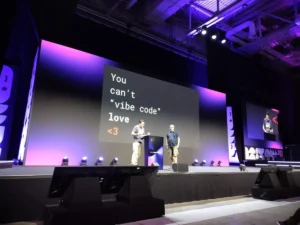
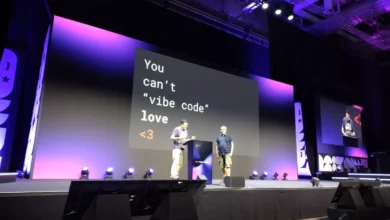
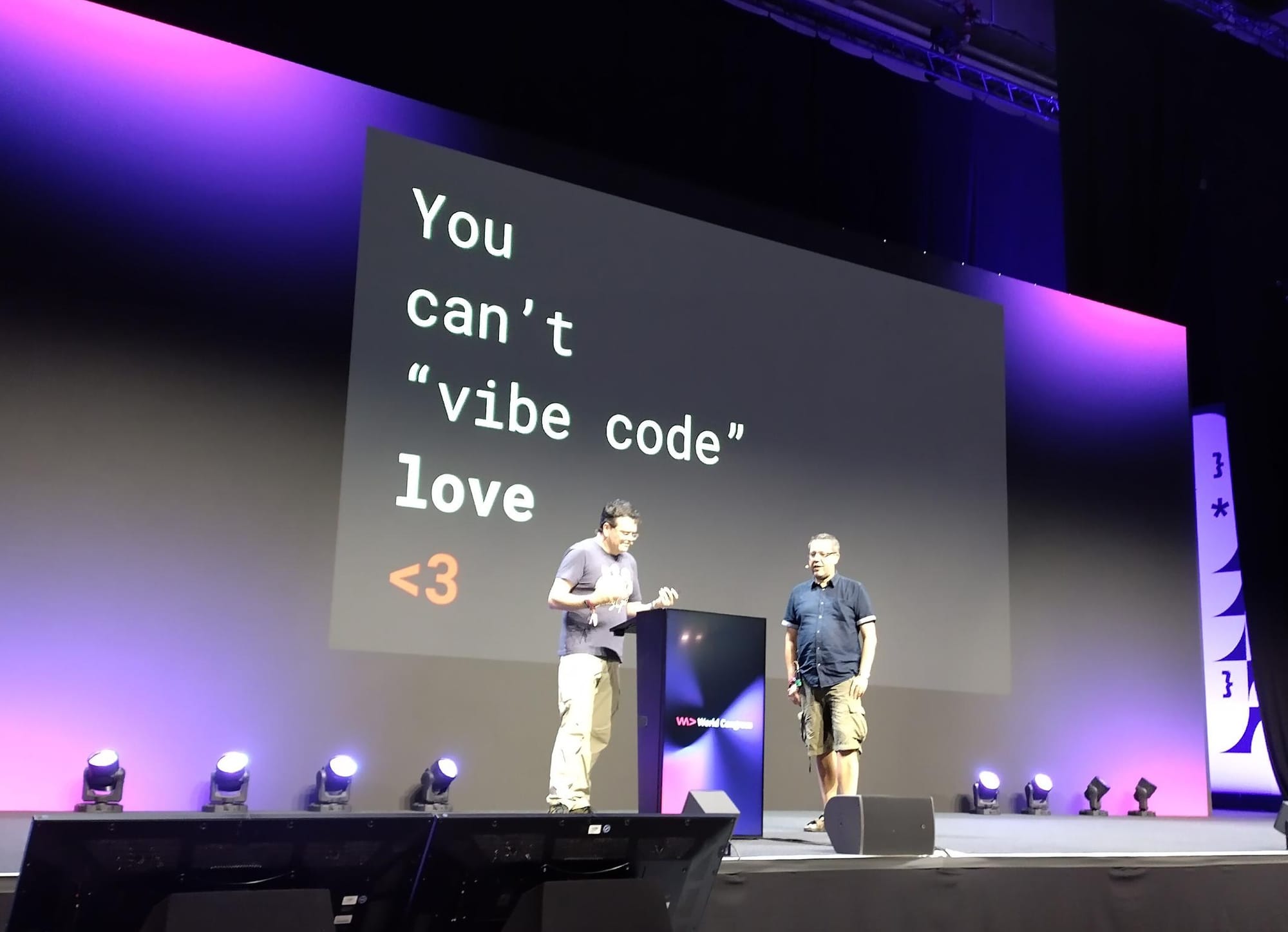
Observers at the WeAreDevelopers conference noted that Atwood’s address struck a deeply emotional chord, reminding attendees that technical proficiency is inextricably linked to social infrastructure. The sentiment that "you cannot vibe code love" underscored a central thesis of the presentation: while artificial intelligence can synthesize syntax and optimize algorithms, it cannot replicate the empathy, shared struggle, and collaborative spirit inherent in human communities.
Broader Impact and Future Outlook
The implications of the Atwood-Dumke-von der Ehe keynote extend far beyond the specific architecture of Stack Overflow. As software development becomes increasingly automated through generative tooling, the tech industry faces a foundational philosophical question: How do we sustain the human ecosystems that generate the very knowledge upon which modern artificial intelligence depends?
If public digital commons degrade due to a lack of active human participation, future generations of developers may lose the mentorship structures and collaborative environments that foster technical innovation. Economists and technologists studying digital public goods argue that protecting these spaces requires renewed institutional commitments, sustainable licensing models, and a cultural re-appreciation for open-source contribution.
Ultimately, the Berlin presentation served as both a celebration of past achievements and a cautionary blueprint for the future. As LLMs continue to dominate the developer workflow, the preservation of human-led communities remains vital—not just as repositories of data, but as the cultural bedrock where the next generation of engineers learns to build together.