The AI Energy Management Alliance Launches to Revolutionize Grid-Responsive Data Centers and Power the Intelligence Era

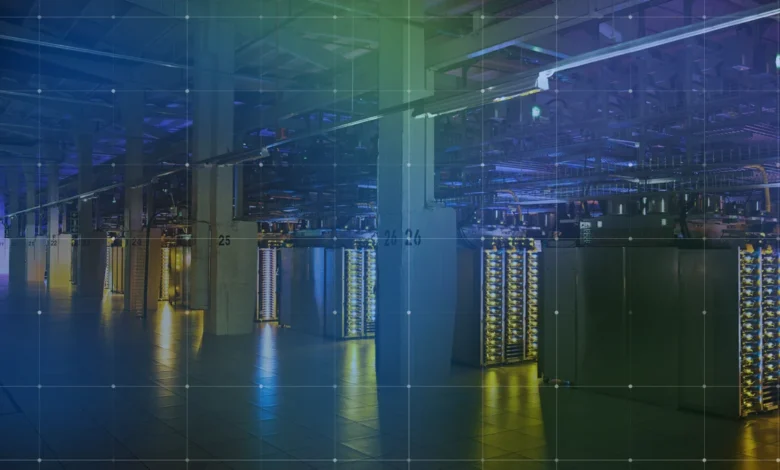
As the global race to construct the physical architecture of the artificial intelligence boom accelerates, the digital economy faces a monumental bottleneck: the availability and reliability of electrical power. In response to this compounding infrastructure crisis, Emerald AI, Google, and NVIDIA have officially announced the formation of the AI Energy Management Alliance (AEMA). This unprecedented coalition represents a strategic convergence of the technology and energy sectors, designed to pioneer a new class of data centers capable of dynamically managing their electricity consumption in real time based on prevailing grid conditions.
Positioned as a cornerstone for the infrastructure of the intelligence era, AEMA seeks to fundamentally transform how massive AI computing facilities interact with regional power systems. Rather than operating as static, inflexible blocks of power demand that strain local utilities, the next generation of AI factories envisioned by the alliance will function as active, responsive assets capable of supporting grid stability, reducing environmental impacts, and accelerating connection timelines across the United States.
The Main Facts of the Alliance and Its Mission
At its core, the AI Energy Management Alliance addresses the growing tension between rapid technological scaling and the physical limitations of legacy electrical grids. Traditional data centers were engineered for steady, predictable baseload power consumption. However, the immense energy demands required to train and deploy advanced large language models and machine learning systems have strained power grids nationwide.
AEMA’s primary objective is to bridge the gap between digital infrastructure and power systems by establishing data centers that can dynamically shift computing workloads, utilize paired local generation, discharge energy storage systems, or rapidly curtail demand during system emergencies. By converting data centers from inflexible loads into controllable grid resources, the alliance aims to optimize existing electrical capacity, lower emissions per watt consumed, and prevent costly, time-consuming infrastructure upgrades that typically delay the deployment of critical AI hardware.
Furthermore, the coalition operates on a technology-neutral, performance-based framework. Instead of dictating specific hardware or software protocols, AEMA focuses entirely on measurable operational metrics, such as response speed, duration, behavioral predictability during contingencies, and overall reliability. This performance-driven approach ensures that grid operators retain absolute confidence in the stability of their networks while providing AI developers with clear, standardized rules for connecting new facilities.
Background Context: The U.S. Energy Constraint and the Evolution of AI Infrastructure
To understand the strategic significance of AEMA, one must examine the rapid evolution of artificial intelligence over the past decade and its collision with the physical realities of the American energy landscape. The commercialization of generative AI triggered an unprecedented demand for computational power, leading technology giants to design massive data centers colloquially known as "AI factories." These facilities house hundreds of thousands of specialized accelerators, such as GPUs and TPUs, running continuously to process vast datasets.
However, the U.S. power grid—much of which was constructed decades ago—was never designed to accommodate the sudden, concentrated surges in electricity demand characteristic of modern AI workloads. Traditional interconnection queues, managed by regional transmission organizations (RTOs) and independent system operators (ISOs), are currently backlogged with years of pending requests. Utilities face mounting challenges in securing sufficient generation capacity, transmission lines, and transformers to feed these sprawling digital complexes without risking regional blackouts or exacerbating consumer rate increases.
Prior to the formation of AEMA, major technology firms individually sought out bespoke solutions, ranging from corporate power purchase agreements (PPAs) with renewable energy developers to direct partnerships with nuclear power operators. While these initiatives secured clean energy sources, they did not inherently solve the problem of real-time grid congestion. Data centers continued to pull a steady, unyielding stream of electricity regardless of whether a heatwave was stressing the grid or a winter storm threatened regional stability.
The launch of AEMA marks a philosophical and operational shift: recognizing that the sustainable expansion of artificial intelligence cannot rely solely on building more power plants, but must also involve making the consumption side of the equation intelligent, flexible, and fully integrated with the grid.
Chronology of Events Leading to the Formation of AEMA
The genesis of the AI Energy Management Alliance can be traced through a series of escalating energy challenges and strategic industry collaborations over the past twenty-four months:
Late 2022 to 2023: The explosive public debut of generative AI tools triggers an immediate, exponential surge in demand for enterprise-grade computing power. Tech companies scramble to secure real estate and power capacity, leading to severe backlogs in utility interconnection queues across major power markets such as PJM Interconnection and ERCOT.
Early 2024: Energy constraints emerge as the primary limiting factor for AI expansion. Major utilities report that forecasted load growth figures have doubled or tripled overnight due to projected data center development. Industry leaders begin publicly warning that grid capacity could slow down the national deployment of AI infrastructure.
Mid 2024: NVIDIA and Emerald AI initiate preliminary pilot projects with select energy and infrastructure leaders to test advanced data center architectures capable of responding to real-time grid signals, proving that computational workloads can be dynamically modulated without sacrificing model training efficiency.
Late 2024: Recognizing the need for a unified industry standard rather than fragmented corporate agreements, key stakeholders from the computing and utility sectors begin drafting the foundational principles for a cross-industry coalition.
Current Announcement: Emerald AI, Google, and NVIDIA formally announce the launch of AEMA, convening the complete value chain—from silicon manufacturers and cloud hyperscalers to power producers, local utilities, and regional grid operators—to establish standardized frameworks, technological approaches, and advocacy pipelines for grid-responsive AI infrastructure.
Convening the Full AI and Power Value Chain
One of AEMA’s most distinguishing characteristics is its comprehensive inclusion of stakeholders spanning the entire ecosystem of both the technology and energy sectors. Historically, the tech industry and the utility sector operated in distinct silos, interacting primarily through standard commercial power purchase agreements or regulatory rate cases.
AEMA breaks down these traditional barriers by bringing together AI platform developers, cloud infrastructure providers, data center operators, semiconductor manufacturers, independent power producers, regulated utilities, and regional grid operators under a single collaborative umbrella. Founding members will be joined by a diverse cohort of launch partners, creating a multidisciplinary brain trust dedicated to solving the complex engineering and regulatory challenges of grid integration.
This collaborative structure enables the alliance to pursue a three-pronged strategy:
- Developing advanced technical and operational approaches that allow data centers to safely interface with automated grid dispatch systems.
- Collaborating directly with utilities and grid operators to streamline interconnection processes and establish predictable timelines for new facility deployment.
- Advocating for regulatory and policy frameworks at both the state and federal levels that formally recognize and incentivize grid-responsive demand.
Official Reactions and Industry Perspectives
While formal statements from executive leadership emphasize the cooperative spirit of the alliance, industry analysts and energy experts have widely praised the initiative as a pragmatic necessity for the ongoing digital transition.
"Power flexibility is no longer an optional feature; it is an absolute operational imperative for the future of digital infrastructure," noted an independent energy market analyst following the announcement. "By aligning the incentives of data center operators with the operational needs of grid managers, AEMA is creating a blueprint that could prevent the looming energy crunch from derailing technological progress."
Representatives from the foundational companies have emphasized that the alliance is built on the premise of mutual benefit. For technology companies, grid responsiveness translates into faster project approvals, reduced curtailment risks, and enhanced corporate sustainability metrics. For utilities and regional grid operators, flexible data centers represent a powerful new tool for managing peak loads, integrating intermittent renewable energy sources, and maintaining system reliability in the face of extreme weather events and rising baseline demand.
Furthermore, consumer advocacy groups have expressed cautious optimism regarding the focus on energy affordability. When large industrial loads can dynamically reduce their consumption during periods of peak system stress, it helps prevent wholesale electricity prices from spiking, thereby shielding residential and commercial ratepayers from absorbing the full cost of grid upgrades required to serve new digital infrastructure.
Broader Economic Impact and Future Implications
The establishment of the AI Energy Management Alliance carries profound implications for the trajectory of the United States economy, national security, and global competitiveness. Leadership in artificial intelligence is widely viewed as a critical geopolitical advantage; however, nations cannot build sustainable intelligence economies on fragile or overburdened power grids.
By pioneering flexible AI factories, AEMA helps ensure that the rapid scaling of domestic computing capacity does not compromise the reliability of the broader electrical grid or undermine national decarbonization targets. If successful, the technical and regulatory frameworks established by the alliance could serve as a global model for balancing energy transition goals with the insatiable computational demands of the twenty-first century.
As AEMA begins onboarding additional members and expanding its collaborative pilot programs across key U.S. power markets, the rules governing how power is delivered, managed, and consumed for artificial intelligence are actively being written. Through a shared commitment to performance, reliability, and cross-sector cooperation, the alliance aims to ensure that the infrastructure of intelligence is built not at the expense of the grid, but in harmonious partnership with it.