The Art of Exploration: How to Experience Any New City Without Spending a Dime

The traditional narrative surrounding international and domestic travel often emphasizes high-ticket attractions, luxury tours, and premium access as the markers of a successful journey. However, a growing body of travel research and consumer behavior analysis suggests that the most authentic cultural immersion frequently occurs in public spaces, local markets, and heritage sites that operate without admission fees. By shifting the focus from transactional tourism to observational engagement, travelers can often secure a more comprehensive understanding of a destination’s social, historical, and architectural fabric.
The Evolution of Public Cultural Access
The concept of the free public museum is deeply rooted in 18th and 19th-century European and American civic policy, designed to foster national identity and public education. The British Museum, established in 1753, was founded on the principle of providing "free access" to the public. This philosophy continues to shape the modern travel landscape, with institutions like the Smithsonian Institution in Washington, D.C., operating 19 museums and galleries—along with the National Zoo—free of charge, funded by a combination of federal appropriations and private endowments.
Recent data from the American Alliance of Museums indicates that museums providing free access serve a more diverse demographic, facilitating greater accessibility for both local residents and budget-conscious travelers. Beyond the United States, major cultural hubs including Berlin, Madrid, and Mexico City maintain extensive networks of municipal galleries that remain open to the public without cost. The strategic advantage for the traveler is the ability to bypass the "blockbuster exhibition" fatigue, where visitors often pay significant premiums for temporary, high-traffic shows while ignoring the deeper, more comprehensive permanent collections that define the institution’s core mission.
Structural Frameworks for Independent Exploration
The shift toward self-guided discovery is supported by the availability of high-quality digital resources provided by local tourism boards and municipal governments. In the past decade, there has been a transition from physical brochures to interactive, GPS-enabled walking itineraries.
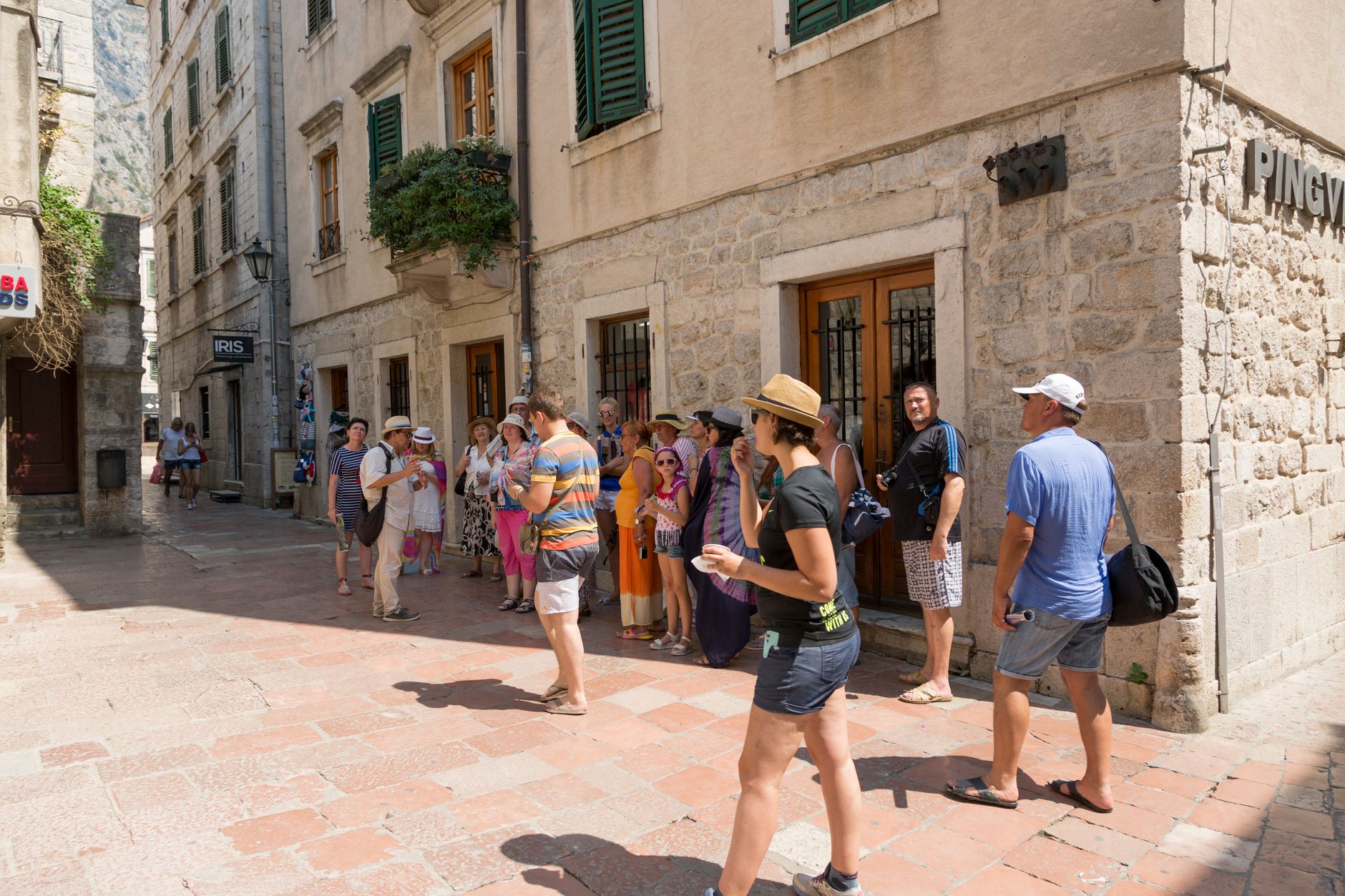
Organizations like the World Tourism Organization (UNWTO) have noted that "walkable cities" see a higher rate of secondary spending in local neighborhoods, as travelers who choose to traverse a city on foot are more likely to encounter independent retailers and artisans. The recommended strategy for effective self-guided exploration involves hyper-local focus. Rather than attempting to visit disparate major landmarks, which necessitates the use of transit and exposes the traveler to high-density tourist traps, visitors are advised to select one specific neighborhood for a deep-dive investigation. This approach allows for the observation of architectural details, local commerce patterns, and daily rituals that remain invisible to those moving between high-profile sites via motorized transport.
The Socio-Economic Role of Local Markets
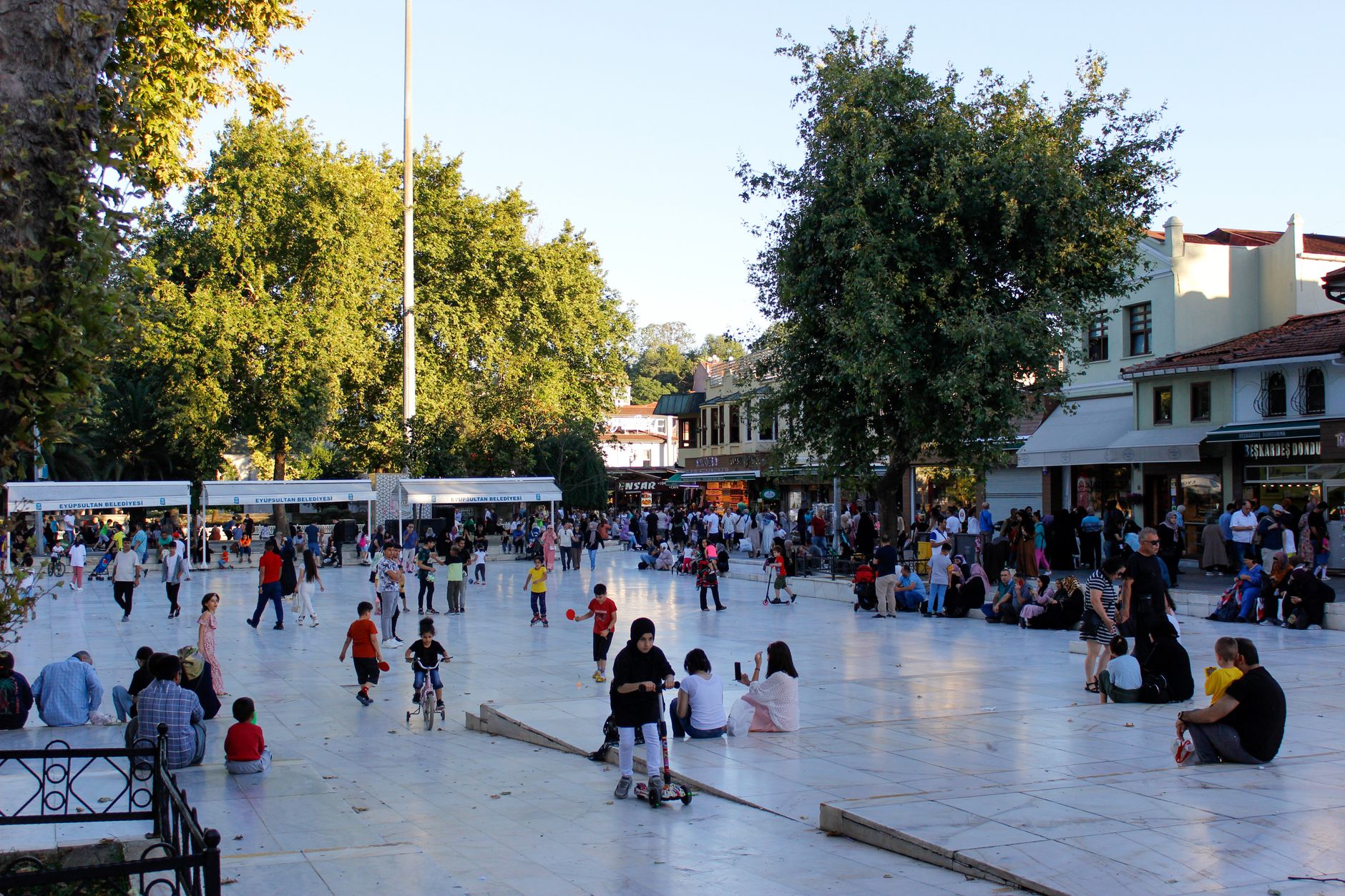
Local markets serve as the most consistent, year-round, free-to-access cultural centers in any global city. Whether categorized as a farmers market, a night market, or a weekend flea market, these spaces are integral to the local economy and social structure. From a sociological perspective, markets are the primary point of contact between a city’s rural producers and its urban population.
For the traveler, the market offers a sensory experience that no guided tour can replicate. In Southeast Asia, night markets function as communal dining halls and social hubs; in Europe, flea markets operate as informal history repositories where visitors can view local antiques and craftsmanship. Economists often track the health of a local economy through the vibrancy of its public markets, and for the independent traveler, these locations provide a direct, unmediated window into the local cost of living, regional diet, and social dynamics. To optimize this experience, experts recommend early arrival—typically within the first hour of operation—to witness the logistical setup and engage with vendors before peak congestion occurs.
Public Infrastructure and Urban Observation
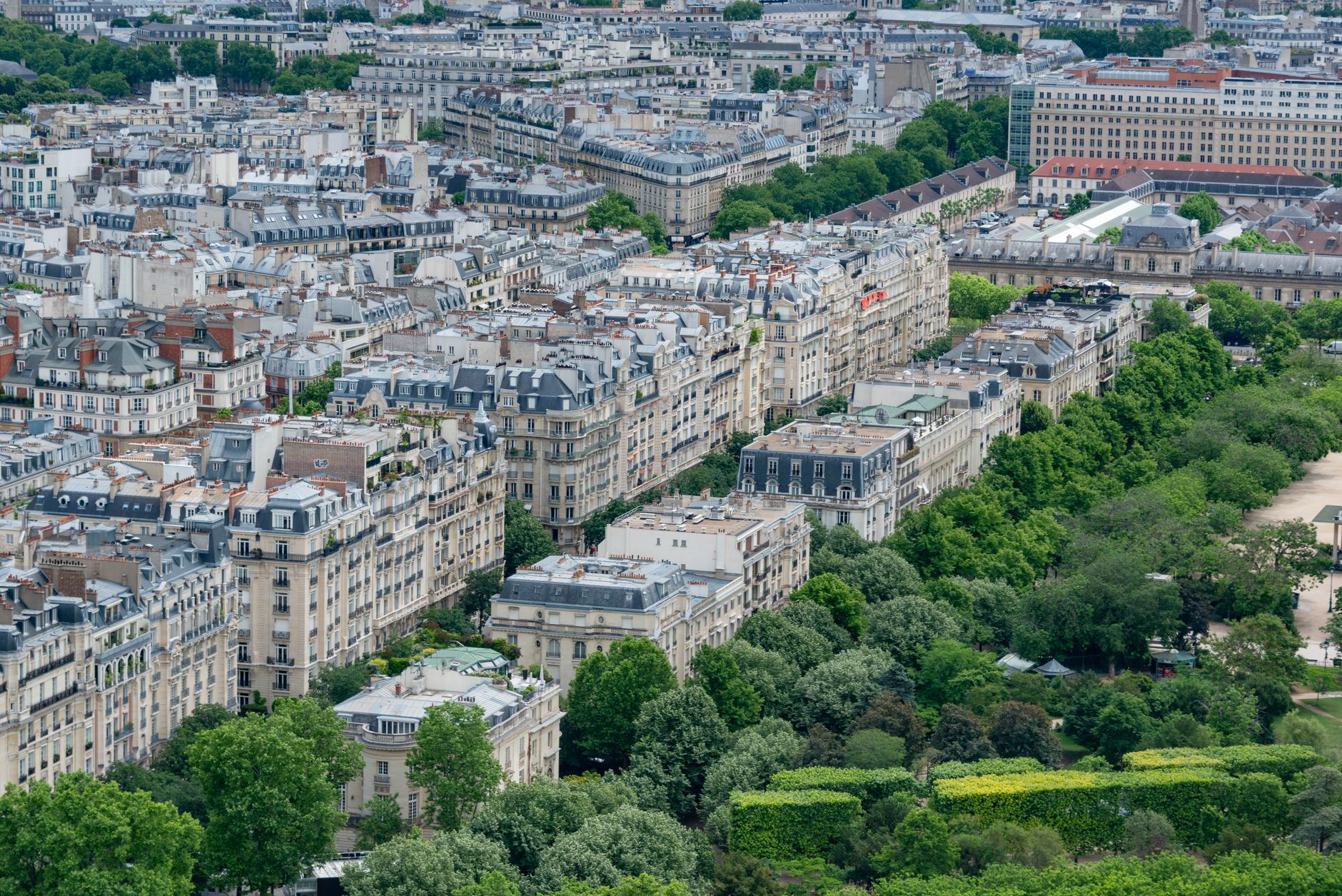
Urban planning has increasingly prioritized the creation of public-access green spaces and elevated walkways, which provide vantage points previously reserved for private observation decks. The High Line in New York City, a former elevated railway converted into a public park, stands as a prime example of successful adaptive reuse that provides, at no cost, an aerial perspective of the city’s urban density.
Similarly, the National Park Service in the United States maintains an extensive list of historic sites, monuments, and urban parks that require no entrance fee. These sites provide essential context regarding the historical developments that shaped the city’s current layout. By utilizing public viewpoints, waterfront promenades, and city-maintained trails, travelers gain a spatial understanding of their environment. This is often more valuable than the orientation provided by commercial sightseeing buses, which are inherently limited by their routes and schedules.
Strategic Planning and Digital Literacy
The modern "no-spend" approach to travel requires a higher level of pre-departure digital literacy. The efficacy of an independent trip is directly correlated with the traveler’s ability to aggregate information from decentralized sources. The current recommended workflow for planning a budget-conscious itinerary includes:
- Municipal Tourism Portals: Reviewing official city websites for calendars of public events, such as free outdoor concerts, seasonal festivals, or library-sponsored lectures.
- Community Aggregators: Utilizing platforms like Eventbrite or Meetup to identify community-driven gatherings, such as language exchanges, local photography walks, or public reading groups.
- Neighborhood-Level Monitoring: Leveraging social media location tags to monitor real-time, neighborhood-specific events that do not receive advertising budgets and are often missed by traditional travel guides.
The Psychological and Economic Implications of Independent Travel
Critics of low-budget travel often argue that skipping paid attractions results in a "watered-down" experience. However, evidence suggests the contrary. The cognitive load associated with managing a packed schedule of ticketed events—often characterized by long queues and strict time slots—can impede the traveler’s ability to engage with their surroundings.
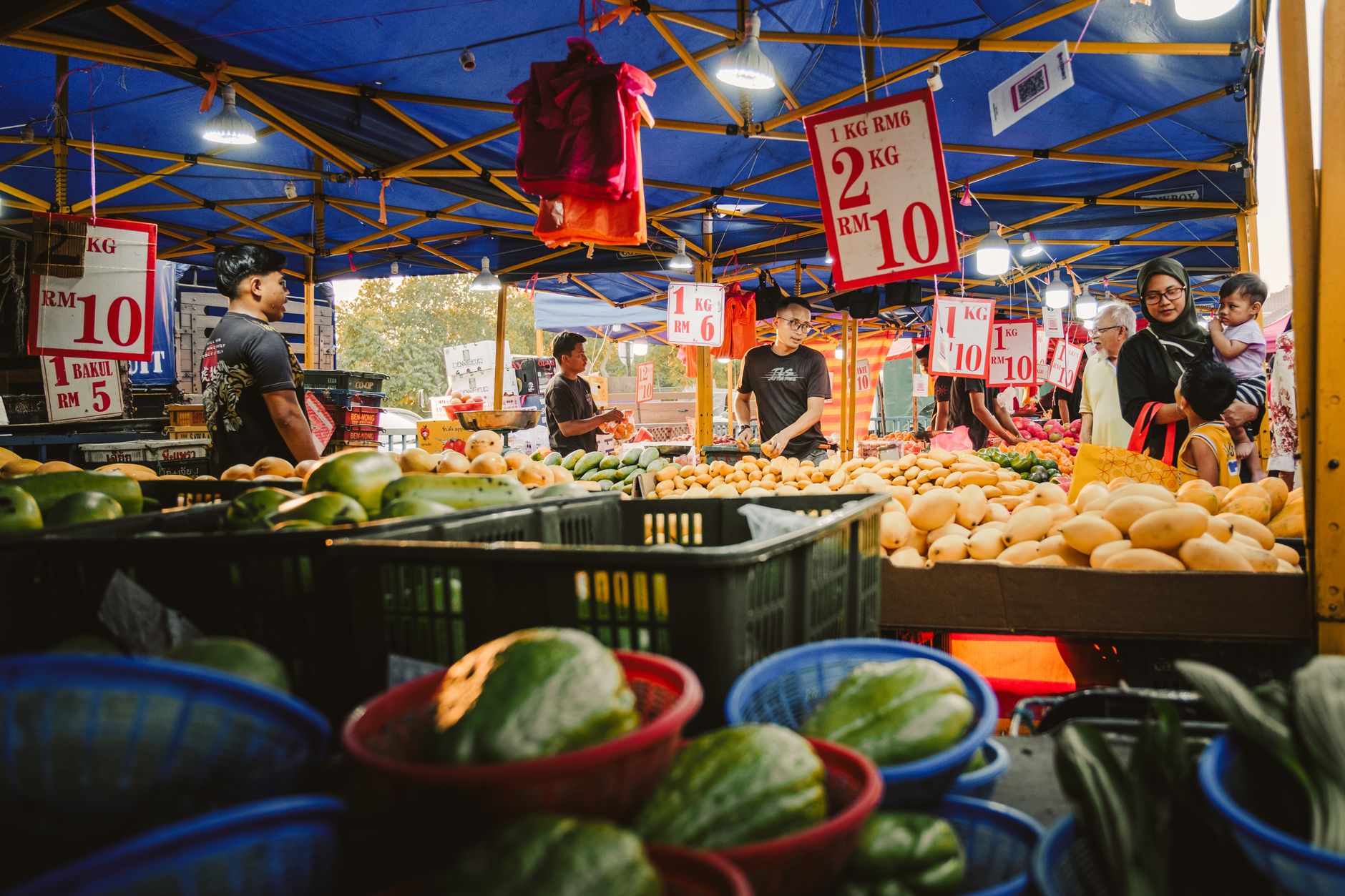
A "no-spend" day encourages a reduction in pace, allowing for spontaneous discovery. This is consistent with findings in behavioral psychology, which suggest that "slow travel" improves memory retention and overall satisfaction. When a traveler removes the pressure to "maximize" the financial value of a ticket, they are free to pursue serendipitous opportunities—such as stumbling upon a local market, a community festival, or a public lecture—that often define the most memorable aspects of a trip.
Broader Impact on Destination Management
The rise of the independent traveler has forced some destinations to reconsider their tourism infrastructure. Over-tourism in major European cities like Venice and Barcelona has prompted local authorities to encourage visitors to explore areas outside the historic city centers. By promoting free, neighborhood-based attractions, these cities are attempting to distribute the economic and physical burden of tourism more evenly.
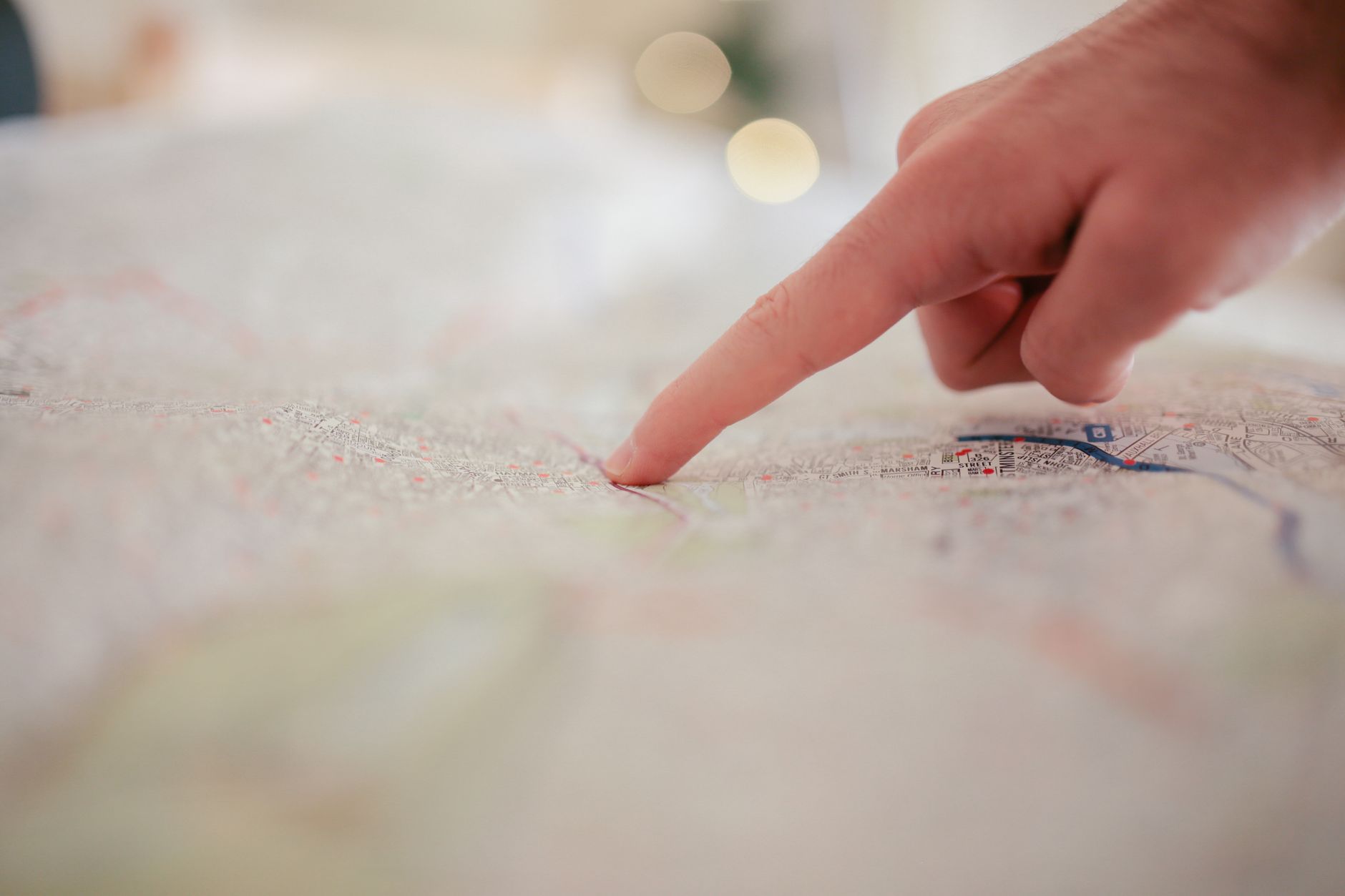
Ultimately, the decision to prioritize free, authentic experiences is not merely a financial strategy; it is an ideological shift. It rejects the commodification of travel in favor of active, observant engagement. As the tourism industry continues to evolve, the ability to navigate a city using its own public resources remains the most effective way to achieve a genuine, unvarnished encounter with a new destination. By treating the city as an interactive laboratory rather than a collection of paid exhibits, the traveler transforms their role from a passive consumer to an active participant in the urban experience.
Related posts: