The End of the Attention Economy: Why Modern Brands Are Shifting Toward Analog Engagement

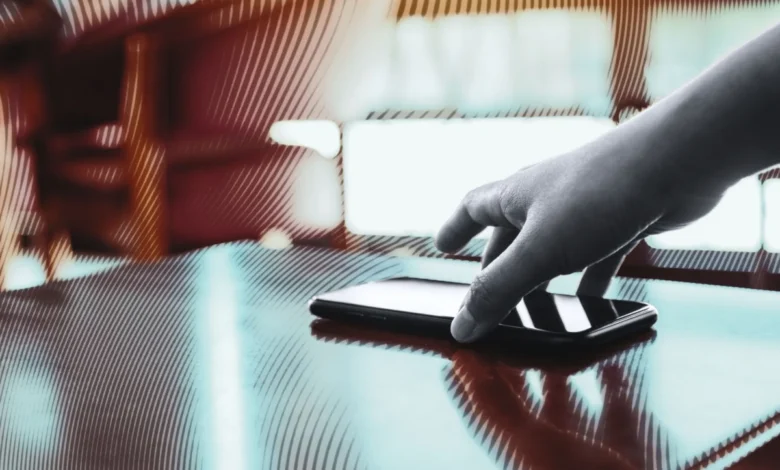
For the past two decades, the primary metric of success for global brands has been the maximization of consumer attention. Marketing strategies were built around the acquisition of eyeballs—driving traffic to websites, increasing email open rates, and engineering endless engagement loops through social media notifications. This digital arms race, fueled by the rise of the smartphone and the ubiquity of high-speed mobile internet, created an environment where brand presence was measured by time spent on screen. However, a significant shift in consumer behavior is currently underway, forcing businesses to re-evaluate the utility of constant digital bombardment.
As digital fatigue reaches a saturation point, there is growing evidence that consumers are actively seeking “analog” experiences. From the resurgence of physical hobbyist groups and dinner clubs to a burgeoning demand for phone-free environments, the marketplace is signaling a transition. Industry analysts now suggest that the most successful companies of the next decade will not be those that capture the most screen time, but those that provide the most meaningful reprieve from it.
The Chronology of Digital Saturation
The trajectory of the modern marketing landscape can be traced back to the early 2010s, when the smartphone became the primary gateway to the consumer experience. Between 2012 and 2020, brands shifted their capital expenditure heavily toward mobile-first advertising. The arrival of short-form video platforms and sophisticated algorithmic feeds further incentivized brands to produce high-frequency content to remain relevant.
By 2022, however, the landscape shifted. The "Content Explosion"—a term coined by media analysts to describe the post-pandemic surge in digital media consumption—reached a point of diminishing returns. Data from the Global Web Index suggests that while total internet usage remains high, the time spent on social media specifically has begun to plateau among Gen Z and Millennial demographics. This group, having grown up entirely within the digital ecosystem, has shown a statistically significant preference for "offline" social interactions as a form of self-care and mental health maintenance.
The integration of Generative AI into marketing workflows in 2023 and 2024 further complicated the situation. With the cost of producing high-quality, synthetic content approaching zero, the volume of digital noise has skyrocketed. Consequently, the value of an individual piece of content has plummeted, as consumers find it increasingly difficult to discern between brand-led storytelling and automated promotional material.
Data Trends in Consumer Engagement
Recent studies indicate that consumers are increasingly prioritizing "presence" over "documentation." According to a report by the experiential marketing firm Eventbrite, over 70% of participants in curated, in-person events reported higher satisfaction levels when they were encouraged to limit their device usage. This trend is further supported by the success of "digital detox" travel packages and the sudden rise in hobby-focused businesses, such as pottery studios, run clubs, and board game cafes, which have seen a 15% increase in foot traffic year-over-year compared to traditional retail spaces.
Economic data reflects this pivot as well. Marketing agencies that prioritize experiential, community-based activations are seeing higher Customer Lifetime Value (CLV) metrics than those relying strictly on digital retargeting. When a customer participates in a recurring event—a ritualistic meeting of a book club or a monthly dinner series—the emotional bond to the brand becomes decentralized, focusing more on the shared experience than the product itself. This shift reduces the "churn rate" of customers, as the community provides its own value proposition independent of the brand’s direct advertising.
The Failure of the "Instagrammable" Moment
For years, the gold standard for physical retail and event design was the “Instagrammable moment.” Brands spent millions installing neon signs, branded backdrops, and visually optimized layouts designed to encourage user-generated content (UGC). While this strategy served as a low-cost distribution channel, it fundamentally altered the consumer experience.
Industry experts note that designing for the camera often comes at the expense of the actual user experience. When a space is designed for a photograph, it is frequently less comfortable for a conversation. Recent feedback from consumers indicates a growing resentment toward forced photo opportunities, with many attendees reporting that they felt like "extras in a brand’s commercial" rather than participants in a genuine event.
The move away from this model represents a pivot toward "invisible marketing." In this paradigm, a brand hosts an event where the goal is not a hashtag or a taggable moment, but the facilitation of a high-quality human interaction. The impact of such events is not measured by the reach of an Instagram story, but by the retention and community sentiment of the participants.
Implications for Future Strategy
The implications for entrepreneurs are clear: the scarcity of genuine human attention makes "offline" time a luxury good. Just as a limited-edition product drop generates urgency, a brand that offers a space to exist without the pressure of digital documentation creates a high-value, exclusive environment.
This does not imply the total abandonment of digital channels. Instead, it suggests a repurposing of digital tools. Rather than using social media as an end-state for engagement, it is being utilized as a utility for discovery. Digital marketing acts as the invitation, while the physical, analog experience serves as the retention mechanism.
For instance, a fashion brand might use TikTok to announce a workshop on garment repair. While the digital channel drives awareness, the success of the initiative is determined by the number of people who show up, learn a skill, and build a relationship with the brand’s staff and other customers in person. This approach transforms the brand from a passive provider of goods into an active curator of lifestyle experiences.
The Role of Ritual and Community
The final pillar of this shift is the establishment of ritual. Community, in the traditional sense, cannot be manufactured through a newsletter or a social media group. It is built through repetition and shared norms. When a brand creates a recurring event—a weekly run, a monthly dinner, a quarterly class—it allows participants to become "regulars."
This level of intimacy creates a form of brand loyalty that is essentially immune to competitor price-cutting or digital ad saturation. A customer who has spent six months attending a monthly dinner series at a restaurant has a deeper, more resilient connection to that business than a customer who has simply been served a series of high-quality digital advertisements.
Conclusion: A New Competitive Advantage
As the digital landscape becomes increasingly crowded with AI-generated content, the brands that stand out will be those that respect the consumer’s time rather than attempting to monopolize it. By providing opportunities for genuine, screen-free interaction, companies can distinguish themselves as providers of value rather than sources of noise.
The future of marketing is not about finding new ways to occupy the consumer’s attention; it is about providing the consumer with a reason to put their phone down. In an era where digital presence is constant, the ability to facilitate a moment of disconnection has become one of the most powerful tools in a business’s arsenal. As these experiential strategies continue to evolve, the distinction between "marketing" and "community building" will continue to blur, favoring those who understand that in a world of constant connectivity, the greatest luxury is a moment of uninterrupted presence.