The Human Element of Code: Why the Decline of Community-Driven Platforms Like Stack Overflow Matters in the Age of AI

The technological landscape of software development is undergoing a profound structural transformation, driven primarily by the rapid adoption of large language models (LLMs) and generative artificial intelligence. While automated coding assistants offer unprecedented speed and efficiency, they have simultaneously precipitated a decline in engagement across human-centric developer communities. This shift has ignited a broader industry debate regarding the irreplaceable value of peer-to-peer mentorship, collaborative problem-solving, and the psychological impact of losing shared digital spaces. The discussion was recently thrust into the spotlight following a reflective essay by Stack Overflow co-founder Jeff Atwood, who shared a poignant testimonial from a former United States Air Force servicemember detailing how human intervention on the platform provided critical support during a high-stakes deployment.
The Zamboanga Siege and Remote Engineering Under Fire
The testimony shared by Atwood highlights an extreme use case of online developer forums during a geopolitical and humanitarian crisis. In September 2013, a military conflict known as the Zamboanga Siege unfolded in the Philippines. The urban combat resulted in over 100 fatalities and the displacement of approximately 120,000 civilians, creating an intensely volatile environment characterized by widespread infrastructure disruption and active warfare.
Amidst this backdrop, an active-duty Air Force service member stationed in the conflict zone was simultaneously pursuing a full-time remote university degree in software engineering. The operational reality involved grueling daily duties interspersed with academic responsibilities, complicated by physical dangers, structural destruction, and severe sleep deprivation. Under conditions where personal safety was continually compromised, maintaining academic progress was vital to the individual’s long-term professional trajectory.
During moments of technical deadlock—when debugging code or conceptualizing programming assignments—the servicemember turned to professional networks for assistance. According to the correspondence, traditional support systems within professional and personal circles frequently yielded dismissive responses or admonitions to resolve the issues independently. In contrast, anonymous contributors on Stack Overflow provided targeted guidance. Beyond the functional utility of resolving technical blockers, the interaction established a vital psychological lifeline, validating the user’s struggles and affirming a sense of human connectivity during an isolating crisis.
The Rise of Generative AI and the Hollowization of Developer Forums
The proliferation of LLMs—such as OpenAI’s GPT models, Anthropic’s Claude, and specialized coding assistants like GitHub Copilot—has fundamentally altered how developers source information. Historically, troubleshooting required formulating specific queries on platforms like Stack Overflow, Reddit, or specialized IRC channels, where answers were curated, peer-reviewed, and refined by experienced practitioners over time. Today, developers increasingly rely on instant, synthesized conversational responses generated by algorithms trained on vast repositories of public code.
Data from web analytics and community engagement reports indicate a measurable decline in traffic, new questions, and active participation across legacy Q&A platforms. While empirical metrics confirm that developers complete coding tasks faster with AI assistance, industry analysts point to secondary consequences. Platforms that once fostered long-term digital citizenship are experiencing a reduction in organic mentorship.
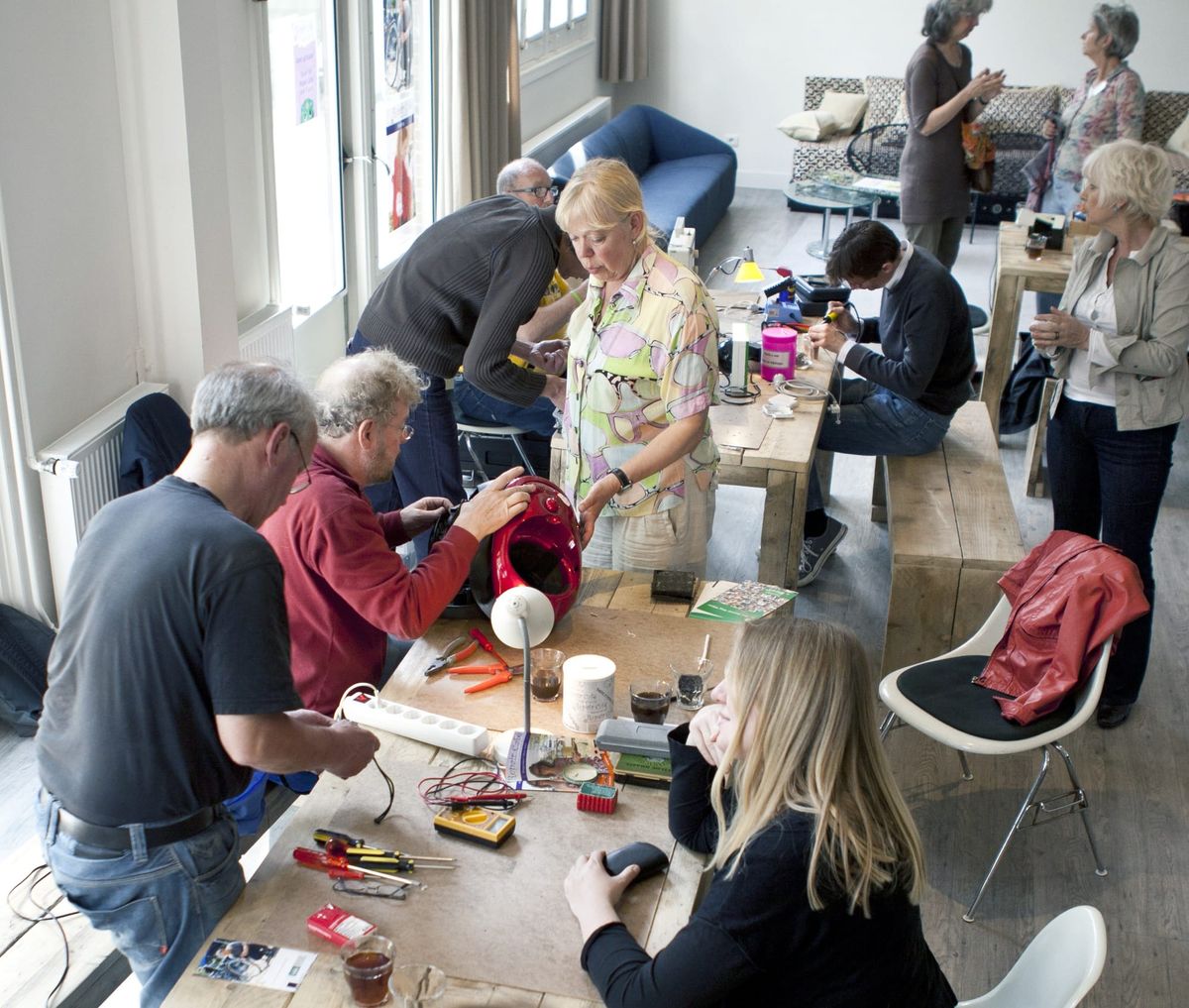
When an algorithm answers a query instantaneously, the transaction is transactional and solitary. It eliminates the friction that traditionally encouraged experienced developers to mentor novices, explain underlying architectural principles, or simply acknowledge another human being’s struggle. The servicemember’s narrative underscores this distinction, emphasizing that while an AI model could have supplied the correct code snippet, it lacked the capacity to impart the reassurance that someone cared enough to invest personal time in another person’s success.
Psychological and Sociological Implications of Digital Communities
Sociologists and technology researchers have long studied the importance of third places—social surroundings separate from the two usual environments of home ("first place") and the workplace ("second place"). In the digital age, specialized online communities have frequently functioned as critical third places for technical professionals, offering mentorship, peer support, and a shared identity.
The transition from community-based forums to isolated, AI-driven workflows risks eroding the social fabric of the software engineering profession. Historically, platforms like Stack Overflow relied on a gamified reputation system that incentivized contribution and cultivated expertise. This infrastructure not only solved immediate technical problems but also integrated junior developers into a global guild of peers.
As these platforms face structural contraction due to shifting user habits and financial pressures, observers warn of a potential loss in institutional knowledge sharing. Algorithmic generation relies on existing corpuses of human-written code and discourse; without active communities continuously debating edge cases, architectural philosophies, and novel paradigms, the foundational data ecosystem risks intellectual stagnation. Furthermore, the absence of human-to-human mentorship may disproportionately impact early-career engineers who lack the professional networks traditionally accessed through collaborative spaces.
Industry Response and the Future of Collaborative Coding
In response to the shifting paradigm, leaders within the technology sector are increasingly calling for intentional efforts to preserve and cultivate human-centric digital spaces. Industry stakeholders emphasize that the convenience of automation should not entirely supersede the developmental benefits of collaborative learning.
Proponents of community revitalization argue that platforms must evolve to offer higher-value interpersonal interactions, moving beyond basic syntax troubleshooting toward complex architectural discussions, code reviews, and community-led mentorship initiatives. Concurrently, experts suggest that organizations and educational institutions must actively foster peer engagement to prevent the professional isolation of emerging engineers.
Ultimately, the discourse sparked by accounts of crisis-era technical support serves as a reminder of the dual nature of technological progress. While generative artificial intelligence continues to redefine productivity standards in software development, the broader ecosystem faces the challenge of ensuring that efficiency gains do not come at the permanent expense of community, empathy, and the human connections that underpin the technology industry.