The Red Magic 11S Pro and the Case for Specialized Smartphone Engineering in a Flagship-Dominated Market

The global smartphone industry has reached a point of functional plateauing, where most flagship devices attempt to serve every possible user need through an "all-rounder" philosophy. However, the release of the Red Magic 11S Pro signals a definitive shift toward aggressive specialization, prioritizing raw performance and gaming utility over the broad-spectrum appeal sought by industry leaders like Apple and Samsung. By focusing on a specific niche, the Red Magic 11S Pro challenges the traditional flagship pricing structure, offering high-end internal hardware for $799—a price point significantly lower than the $1,200 to $1,400 typically required for "Ultra" or "Pro Max" models. This strategy highlights a growing divergence in the market between general-purpose mobile computers and specialized high-performance tools.

Technical Specifications and the Push for Sustained Performance
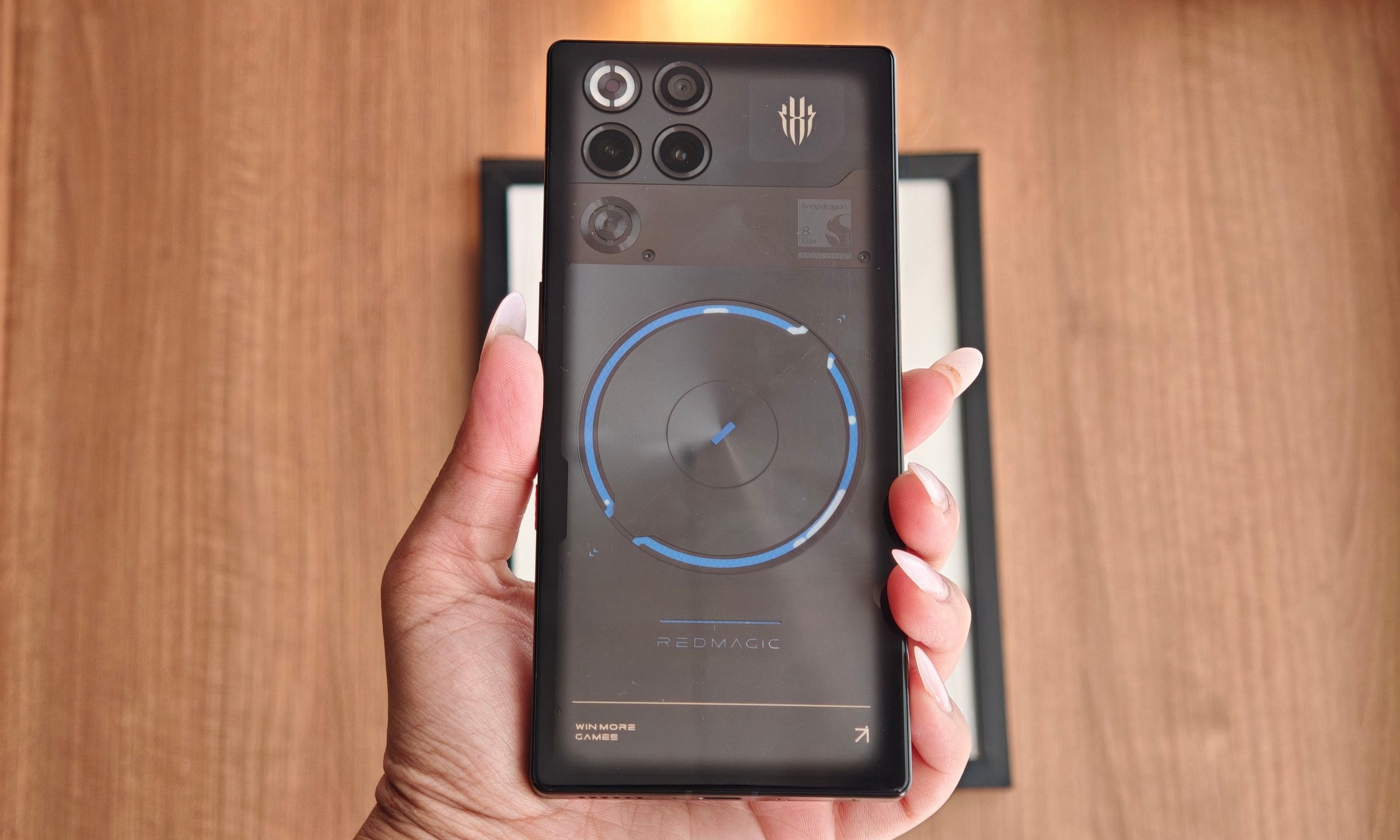
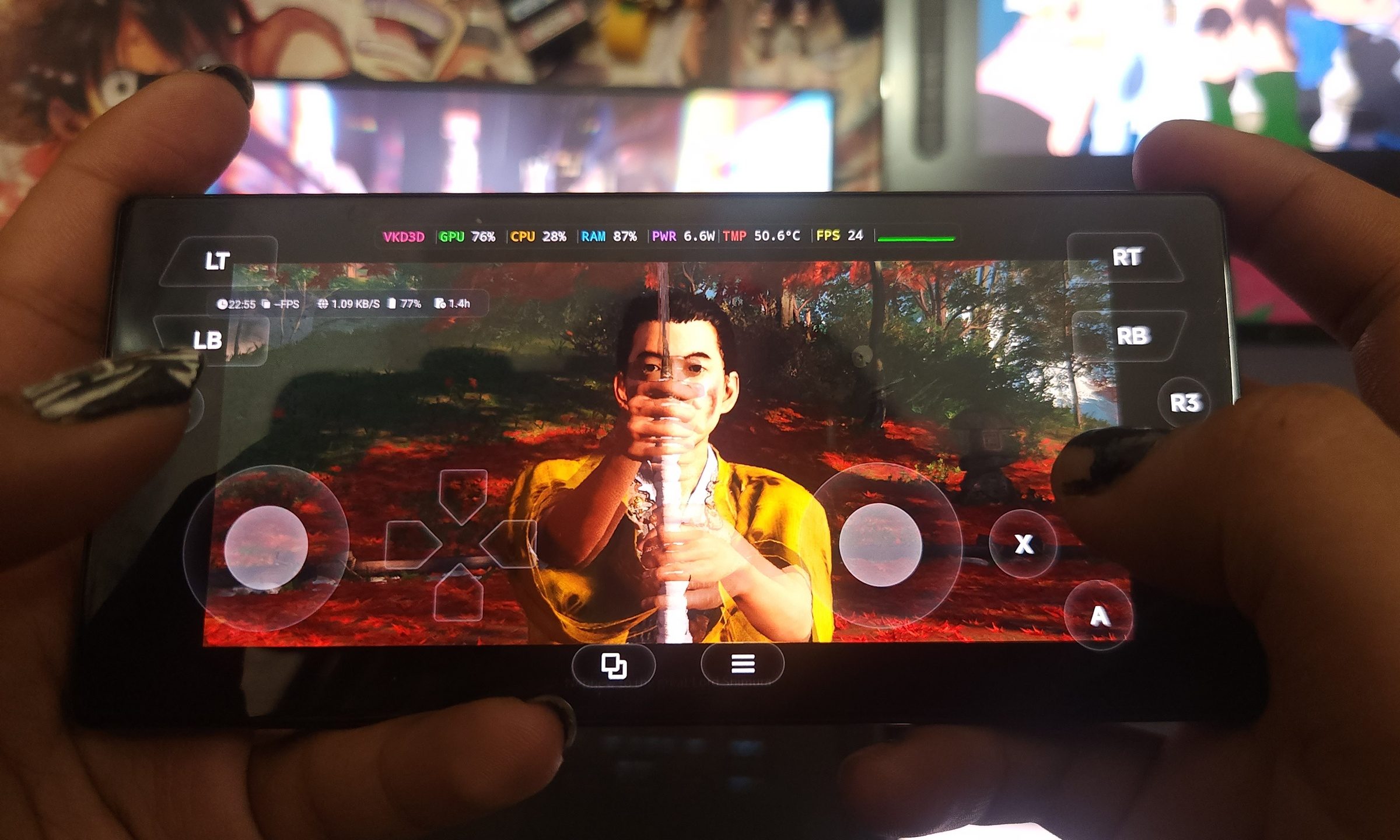
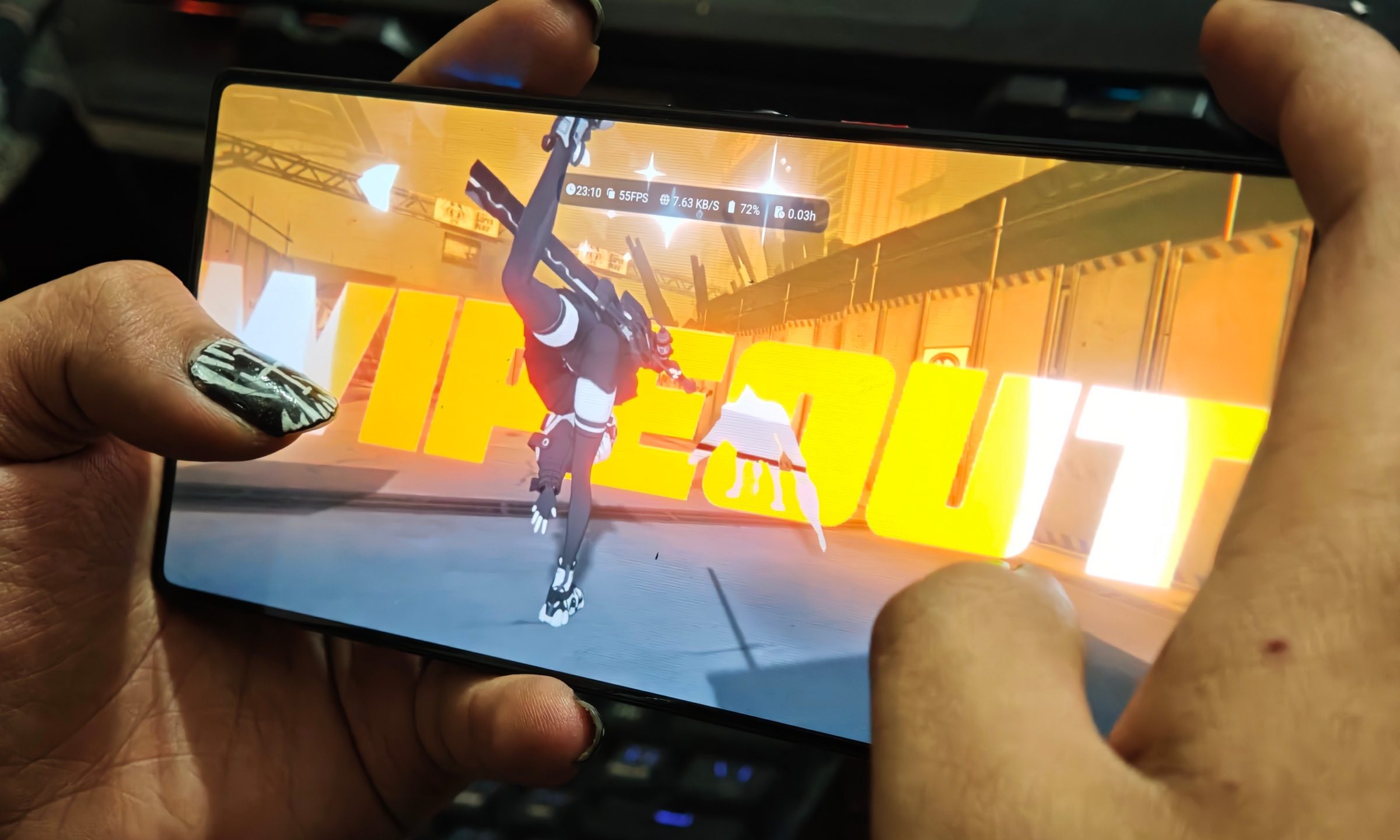
At the heart of the Red Magic 11S Pro is the Snapdragon 8 Elite Gen 5 Leading Version. In the context of mobile silicon, a "Leading Version" typically denotes a binned and overclocked variant of the standard chipset, designed to provide higher peak clock speeds for both the CPU and GPU. During benchmark testing and real-world application, this processor demonstrated the capability to handle not only native Android titles but also demanding PC-to-mobile ports. Notably, the device was able to run Ghost of Tsushima Director’s Cut via the GameHub environment, achieving frame rates exceeding 40fps after optimization—a feat that remains out of reach for most contemporary smartphones due to thermal constraints.
To support this level of computational intensity, the device employs a sophisticated multi-layer cooling architecture. Unlike mainstream flagships that rely almost exclusively on passive cooling through graphite sheets or small vapor chambers, the Red Magic 11S Pro utilizes an active cooling system. This includes a physical internal fan capable of high RPMs, a large-scale vapor chamber, liquid metal thermal paste for improved heat conductivity, and a flowing liquid-cooling loop. This "ICE" cooling technology is designed to prevent thermal throttling, a common phenomenon where a phone’s software reduces processor speed to prevent overheating during extended use. By maintaining a lower internal temperature, the device can sustain maximum performance for hours, a critical requirement for competitive mobile gaming and high-end emulation.

Hardware Allocation and the $799 Value Proposition
The $799 price tag of the Red Magic 11S Pro is a result of calculated hardware prioritization. The device features a 144Hz AMOLED display that provides high-refresh-rate fluidity, essential for fast-paced gaming. Furthermore, it includes 520Hz touch-sampling shoulder triggers, which provide a hardware-level advantage by moving controls off the screen, thereby increasing the visible playing area.
The storage and memory configurations are equally robust, offering up to 16GB of LPDDR5X RAM and UFS 4.1 storage. This ensures that data transfer speeds and multitasking capabilities remain at the top of the industry standard. Additionally, the device retains several "legacy" features that have been phased out by other manufacturers, such as a 3.5mm headphone jack—highly valued by gamers for zero-latency audio—and high-quality stereo speakers. Including a high-wattage charger in the box further distinguishes the product from the current trend of minimalist retail packaging adopted by major tech conglomerates.
Battery Innovation and Power Management
One of the most significant diversions from the flagship norm is the inclusion of a 7,500mAh battery. For comparison, the standard battery capacity for a premium flagship in the current market ranges between 4,500mAh and 5,400mAh. The Red Magic 11S Pro achieves this high capacity through the use of high-density battery chemistry, allowing for a larger reservoir of power without making the device unwieldy.
Supporting this massive cell is an 80W wired and wireless charging system. While some proprietary Chinese charging standards reach higher wattages, 80W remains significantly faster than the 25W to 45W standards found in the most popular Western flagship models. To preserve the health of the 7,500mAh battery, the device also features "bypass charging." This allows the phone to draw power directly from the wall outlet to run the hardware without passing through the battery, effectively eliminating the heat generated by the battery charging process during heavy gaming sessions. This dual-purpose focus on longevity and thermal management is a hallmark of the device’s specialized engineering.

Identifying the Strategic Compromises
To achieve its aggressive pricing and performance targets, the Red Magic 11S Pro makes visible sacrifices in areas that are traditionally central to the flagship experience. The camera system, while functional, does not compete with the sophisticated computational photography found in the Google Pixel or iPhone series. The 50MP main sensor performs well in daylight but lacks the advanced telephoto capabilities and low-light processing seen in $1,000+ devices.
Furthermore, the selfie camera is hidden beneath the display. While this provides an "unbroken" screen experience ideal for media consumption and gaming, the under-display camera (UDC) technology inherently limits image quality. The light must pass through the pixel layer of the screen, resulting in softer images and less accurate color reproduction compared to traditional punch-hole cameras.
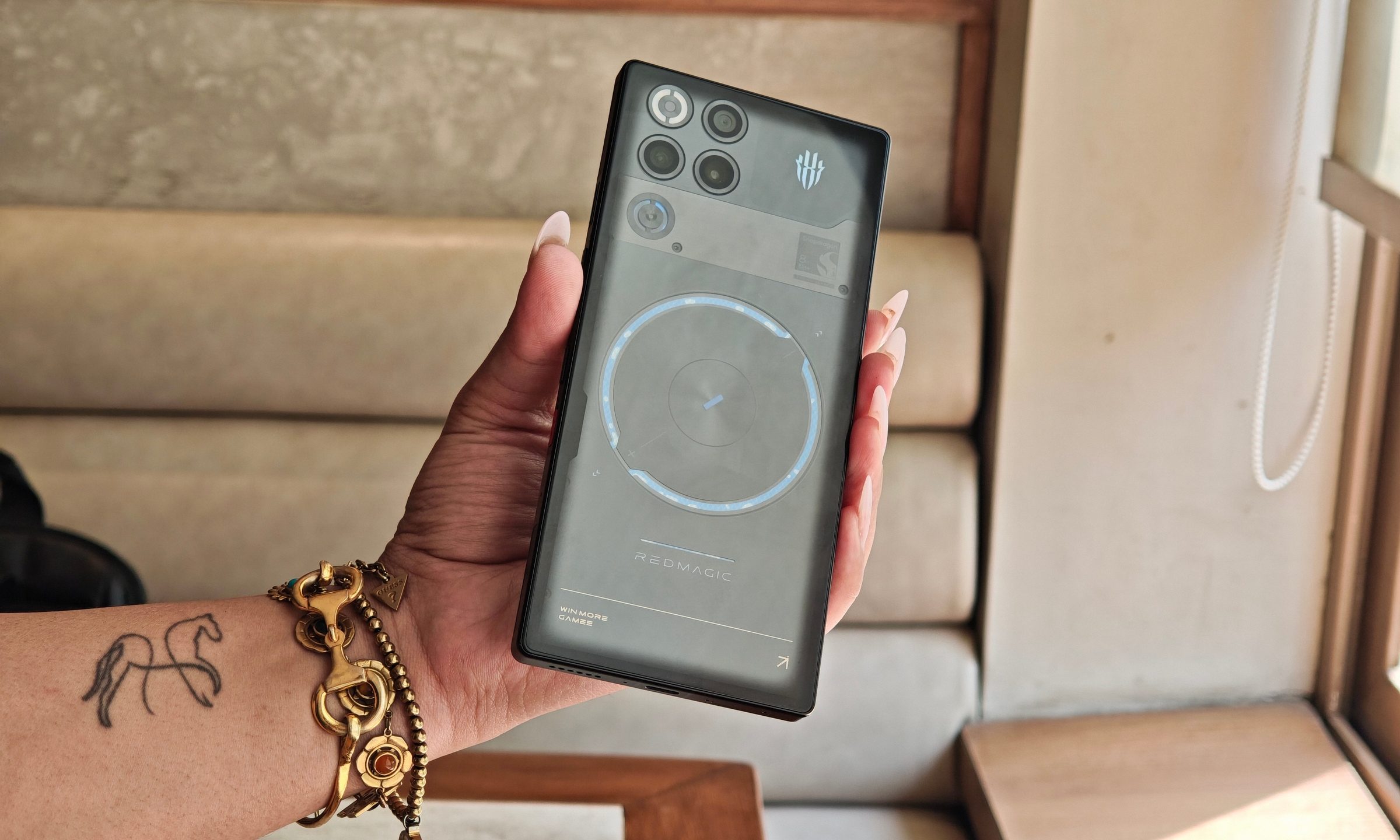
Software and durability represent other areas of compromise. The Red Magic 11S Pro lacks an official IP rating for dust and water resistance, largely due to the open air vents required for the active cooling fan. On the software front, RedMagic OS provides a suite of gaming tools but lacks the long-term support commitment of its competitors. With only two years of major Android updates promised, the device falls behind the seven-year support windows offered by Samsung and Google.
The Evolution of the Gaming Phone Market
The niche for gaming-specific smartphones has evolved significantly over the last decade. Brands like Nubia (Red Magic), ASUS (ROG Phone), and Black Shark have moved from being "gimmick" products to essential tools for a specific demographic. This evolution coincides with the rise of professional mobile eSports and the increasing complexity of mobile game engines like Unreal Engine 5.
Chronology of High-Performance Mobile Development
- 2018-2019: The emergence of dedicated gaming phones with high refresh rates (90Hz) and basic air cooling.
- 2020-2022: Introduction of integrated fans and touch-sensitive triggers; battery capacities begin to exceed 5,000mAh.
- 2023-2024: The shift toward "Desktop-class" gaming on mobile, with hardware ray tracing and PC ports becoming viable.
- 2025 (Red Magic 11S Pro): The integration of massive 7,500mAh batteries and sophisticated liquid-active hybrid cooling systems.
Broader Impact and Industry Implications
The existence of the Red Magic 11S Pro serves as a critique of the "one size fits all" approach to smartphone manufacturing. The industry analysis suggests that as component costs rise, the "universal flagship" may become prohibitively expensive for many consumers. By specializing, manufacturers can offer "Best-in-Class" performance in specific areas while saving costs in others.
If major brands were to adopt this specialized philosophy, the market could see a more diverse array of devices tailored to specific user personas:
- The Mobile Creator: A device with a mid-range processor but a triple-sensor 1-inch camera array and professional-grade microphones.
- The Enterprise User: A device focused on extreme security, physical privacy switches, and a ten-year software support window, with a basic camera and display.
- The Endurance User: A device utilizing the Red Magic approach to battery (7,500mAh+) but with a ruggedized chassis and high-efficiency, low-power display technology.
Conclusion
The Red Magic 11S Pro demonstrates that a device does not need to be an all-rounder to be a success. By spending its R&D and bill-of-materials budget on cooling, battery, and raw processing power, it provides a superior experience for its target audience compared to general-purpose flagships that cost twice as much. While the compromises in software support and camera quality are real, they are logical trade-offs for a consumer who views their smartphone primarily as a portable gaming and high-performance computing platform. In an era of rising smartphone prices, the Red Magic 11S Pro offers a blueprint for how specialization can deliver high-end technology to the market in a more accessible and purposeful way.