The Strategic Value of Workplace Appreciation and the Psychological Impact of Professional Recognition

The distinction between praise and appreciation serves as a fundamental pillar in modern organizational psychology, yet the two terms are frequently conflated in professional environments. While praise is primarily an expression of approval directed toward performance—often summarized by the phrase "good job"—appreciation is an expression of value directed toward the person, characterized by the sentiment "what you did matters." This nuance is more than semantic; it represents a shift from transactional management to transformational leadership. Praise tends to be retrospective and performance-oriented, focusing on the successful completion of a task, such as handling a difficult conversation with tact. In contrast, appreciation is intrinsic and character-oriented, acknowledging the courage an individual brings to such situations. Understanding this duality is essential for leaders seeking to foster a resilient and motivated workforce, as appreciation acts as the psychological fuel necessary for sustained professional engagement.
The Psychological Framework: Praise vs. Appreciation
In the context of behavioral science, praise often functions as a form of external validation. It is a reaction to an output. For example, a manager might praise an employee for delivering a report on time or exceeding a sales quota. This reinforces specific behaviors, which is a core component of operant conditioning. However, the limitation of praise is its transience; once the performance ends, the praise often stops, creating a "treadmill" effect where employees feel they are only as valuable as their last achievement.
Appreciation operates on a deeper level of the human psyche. It aligns with the "esteem" and "self-actualization" tiers of Maslow’s Hierarchy of Needs. When a leader expresses appreciation, they are validating the individual’s inherent worth and their unique contribution to the organizational culture. According to research in the field of Positive Psychology, appreciation fosters a sense of belonging and psychological safety. While praise says, "I like what you did," appreciation says, "I value who you are." This distinction is critical because it builds a buffer against burnout; an employee who feels appreciated for their character is more likely to persevere through periods of low performance or high stress than one who only receives feedback when they succeed.
The Recognition Gap: Statistical Data and Economic Impact
The "recognition gap" remains one of the most significant challenges in the global labor market. Data from Gallup and Workhuman indicates that approximately 65% of employees in the United States reported receiving no recognition for their work in the past year. This lack of acknowledgment has tangible economic consequences. According to a 2023 report by the Society for Human Resource Management (SHRM), turnover triggered by a lack of recognition costs U.S. businesses an estimated $11 billion annually.
Furthermore, a study conducted by Glassdoor revealed that 81% of employees are motivated to work harder when their boss shows appreciation for their work, whereas only 38% are motivated when their boss is demanding or because they fear losing their job. The data suggests that appreciation is not a "soft" HR initiative but a strategic necessity. Employees who feel unappreciated are three times more likely to intend to leave their jobs within the next year compared to those who feel valued. This turnover creates a cycle of instability, increasing recruitment costs and depleting institutional knowledge.

The Chronology of Recognition in Management Theory
The evolution of appreciation in the workplace can be traced through several distinct eras of management theory:
- The Scientific Management Era (Early 1900s): Led by Frederick Taylor, this era viewed workers as "cogs in a machine." Recognition was almost exclusively monetary, and "appreciation" was non-existent in the formal management lexicon.
- The Human Relations Movement (1930s-1950s): Following the Hawthorne Studies, researchers began to realize that social factors and manager attention had a greater impact on productivity than physical working conditions. This marked the beginning of "praise" as a management tool.
- The Employee Engagement Era (1990s-2010s): Companies began to implement formal "Employee of the Month" programs and points-based reward systems. While these provided praise, they often felt transactional and failed to address the need for genuine appreciation.
- The Human-Centric Era (2020-Present): In the wake of the "Great Resignation" and the shift to remote work, there is an increasing emphasis on holistic appreciation. Modern leaders are now expected to acknowledge the personhood of their employees, recognizing their mental health, their sacrifices, and their unique character traits.
The Consequences of Feeling Unappreciated
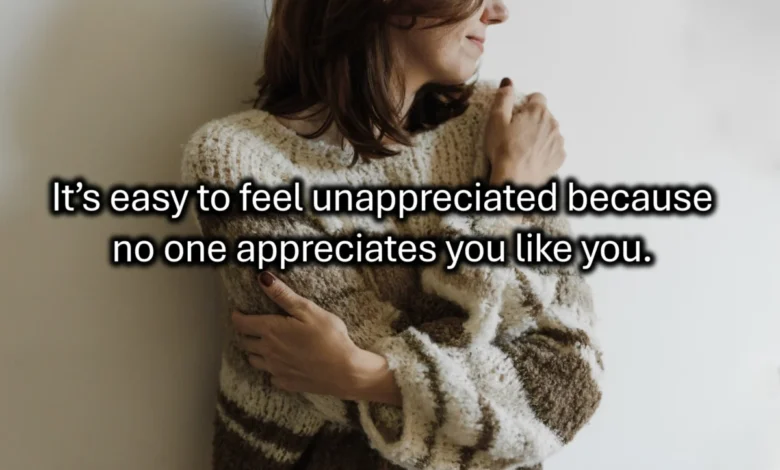
When hard work goes unnoticed and sacrifices are overlooked, the psychological toll on the employee is significant. It is a common human tendency to feel unappreciated because, as psychological experts note, "no one appreciates you like you." Individuals are intimately aware of the internal effort, the emotional labor, and the personal time sacrificed for a project, whereas an outside observer only sees the final result.
The "unappreciated" state often leads to what sociologists call "reciprocal withdrawal." When an individual feels their value is not being recognized, they may justify destructive or counterproductive behaviors. These can include:
- Quiet Quitting: Performing only the bare minimum required by the job description.
- Resentment and Cynicism: Developing a negative outlook toward leadership and the organization’s mission.
- Knowledge Hoarding: Refusing to share information or mentor others as a way of asserting control or protecting one’s perceived value.
- Reduced Discretionary Effort: A sharp decline in the willingness to go "above and beyond" for the team.
The source content highlights that appreciation turns drudgery into commitment. Without it, work becomes a mechanical process of trading time for money, which is rarely enough to sustain long-term excellence or innovation.
Navigating the Appreciation Gap: Strategies for Leaders and Employees
Addressing the appreciation gap requires a two-pronged approach involving both proactive leadership and individual emotional intelligence.
For Leaders: Proactive Appreciation
Management experts suggest that appreciation should be "S.M.A.R.T.": Specific, Meaningful, Authentic, Relatable, and Timely. Instead of waiting for a quarterly review, leaders should practice "in-the-moment" appreciation. This involves:

- Character-Based Recognition: Instead of saying, "Thanks for the report," say, "I appreciate the meticulous attention to detail you brought to this report; it gave the team great confidence."
- Public vs. Private Balance: Understanding that while some appreciate public accolades, others value a sincere, private note of thanks.
- Peer-to-Peer Appreciation: Encouraging a culture where team members appreciate one another, reducing the sole burden on the manager.
For Employees: Self-Regulation and Professional Growth
The source material offers a critical insight for employees: "Enjoy appreciation; don’t demand it." Dependence on external appreciation can become "life-sucking resentment" if it is not received in the quantity or quality expected. Professionals are encouraged to serve because it aligns with their personal identity and values, rather than as a transactional pursuit of gratitude.
Developing a "proactive appreciation" mindset—where one shows appreciation to others regardless of whether they receive it—can actually improve one’s own professional standing. By becoming the person who notices the hard work of others, an individual often fosters a more positive micro-culture within their immediate team, which eventually reflects back on them.
Broader Impact and Implications for the Future of Work
As the workforce continues to evolve toward remote and hybrid models, the challenge of expressing appreciation has intensified. The "water cooler" moments where a manager could offer a quick word of appreciation have been replaced by scheduled Zoom calls and Slack messages. This digital barrier makes it easier for sacrifices to go unnoticed.
Organizations that prioritize a culture of appreciation are seeing a "retention dividend." A 2024 analysis of Fortune 500 companies found that those with high "culture of recognition" scores had a 31% lower voluntary turnover rate than their peers. Furthermore, these companies reported higher levels of innovation, as employees who feel valued are more likely to take the creative risks necessary for breakthroughs.
In conclusion, the distinction between praise and appreciation is a vital tool for the modern professional landscape. While praise rewards the "doing," appreciation honors the "being." By moving beyond the simple "good job" and toward a deeper acknowledgment of individual value, organizations can transform their culture from one of mere compliance to one of deep commitment. The project for every professional—whether in a leadership role or an entry-level position—is to reflect on the impact that feeling unappreciated has had on their own career and to use that empathy to proactively appreciate others. In doing so, they don’t just improve morale; they build a more sustainable and human-centric future for the global workforce.