The Website Obesity Crisis, Browser Restrictions, and the Rise of Network-Level Ad Blocking Through Pi-Hole


The modern digital landscape is defined by an underlying tension between open access and commercial monetization, a conflict that has intensified dramatically over the last decade. While the foundational architecture of the web continues to serve as the backbone of global communication and commerce, the manner in which information is delivered and consumed has undergone a profound transformation. Websites have grown exponentially in physical payload size, resource consumption, and complexity. This phenomenon, frequently described by web developers and engineers as the "website obesity crisis," is not merely a consequence of richer multimedia or advanced interactive design. Rather, it is primarily driven by the relentless expansion of digital advertising networks, third-party tracking scripts, and data collection infrastructure.

As traditional browser extensions face increasing regulatory and platform-level restrictions—most notably through recent architecture shifts by major browser vendors—users and network administrators are increasingly looking beyond the browser. Alternative solutions, particularly network-wide Domain Name System (DNS) sinkholing via hardware like the Raspberry Pi running Pi-Hole, have emerged as a robust, infrastructure-level response to escalating web bloat and privacy concerns.
The Anatomy of Web Bloat: Tracking the Growth of Digital Payloads
To understand the current state of internet performance, one must examine how web page sizes have evolved since the early days of the commercial internet. In the era of HTML 1.0 and basic static pages, sites were measured in kilobytes, loading almost instantaneously even over dial-up connections. Over the subsequent decades, the proliferation of broadband internet and powerful client-side scripting languages like JavaScript expanded the horizons of web development.

However, this technological progress coincided with a perverse incentive structure: the monetization of user attention through programmatic advertising. Modern websites routinely bundle extensive tracking libraries, social media widgets, analytics scripts, and high-resolution media carousels. A prominent study by independent developers and system architects, famously encapsulated in Maciej Cegłowski’s critique The Website Obesity Crisis, demonstrated that many contemporary web pages require multi-megabyte downloads just to display basic textual journalism.
Data from web performance monitors frequently highlight extreme discrepancies in page weight. For example, standard news articles loaded in a stock web browser without modifications can easily exceed 10 to 12 megabytes in total data transfer. Yet, when basic content filtering is applied, the identical page payload often shrinks by a factor of ten or more, dropping to under one megabyte. This massive disparity underscores the reality that the vast majority of modern page weight is non-content data—specifically advertisements, tracking telemetry, and behavioral analytics scripts.

The Hardware Paradox: Faster Devices Versus Slower Web Experiences
A common justification for heavy web pages has historically been the optimization for mobile platforms and resource-constrained devices. However, this rationale has inverted over recent years. Mobile hardware has advanced at a staggering pace. Modern smartphones and tablets frequently outperform traditional desktop computers and laptops on standardized JavaScript execution and rendering benchmarks.
Despite silicon processors becoming exponentially faster, the subjective user experience on the web has often degraded. Pages stutter, scroll with noticeable latency, and drain battery life at alarming rates. The bottleneck is no longer device capability; it is network congestion caused by the processing overhead of unoptimized advertising technology ("ad tech"). When a browser is forced to execute dozens of concurrent script auctions, real-time bidding algorithms, and cross-site user tracking scripts before rendering an article, even the most advanced processor will falter.

The Commercial Realities of Content Filtering and Browser Restrictions
For years, the primary remedy for consumers has been the deployment of browser-based ad-blocking extensions. Tools such as uBlock Origin, AdBlock, and AdBlock Plus became among the most widely downloaded utilities in browser extension marketplaces worldwide. These plugins functioned by intercepting network requests at the browser level, preventing specified domains and scripts from executing.
However, the ecosystem surrounding ad blocking is complex and heavily commercialized. Some major ad-blocking entities operate under business models that permit certain commercial advertisements through paid whitelisting initiatives, such as the "Acceptable Ads" program. These programs generate substantial multi-million-euro revenues, illustrating that the friction between publishers, ad networks, and content filters involves sophisticated financial negotiations.
Concurrently, browser vendors with vested interests in digital advertising ecosystems have begun restructuring their core extension APIs. A primary example is Google’s transition within the Chromium project regarding the deprecation of certain blocking capabilities within the webRequest API—often discussed in the context of Manifest V3. Critics, including principal developers of popular content filtering tools, argue that limiting these APIs allows browser platforms to regain central control over content filtering. By shifting from blocking mechanisms to declarative filtering rules, platforms can simultaneously appease users demanding privacy while integrating telemetry and reporting frameworks that align with primary advertising business models.
Infrastructure-Level Solutions: The Adoption of Pi-Hole
Faced with tightening restrictions on browser-level extensions and the persistent bloating of everyday web traffic, technically inclined users have increasingly turned to network-level interventions. One of the most prominent open-source solutions to gain traction is Pi-Hole, a Linux-based DNS sinkhole designed primarily for local area networks (LANs).

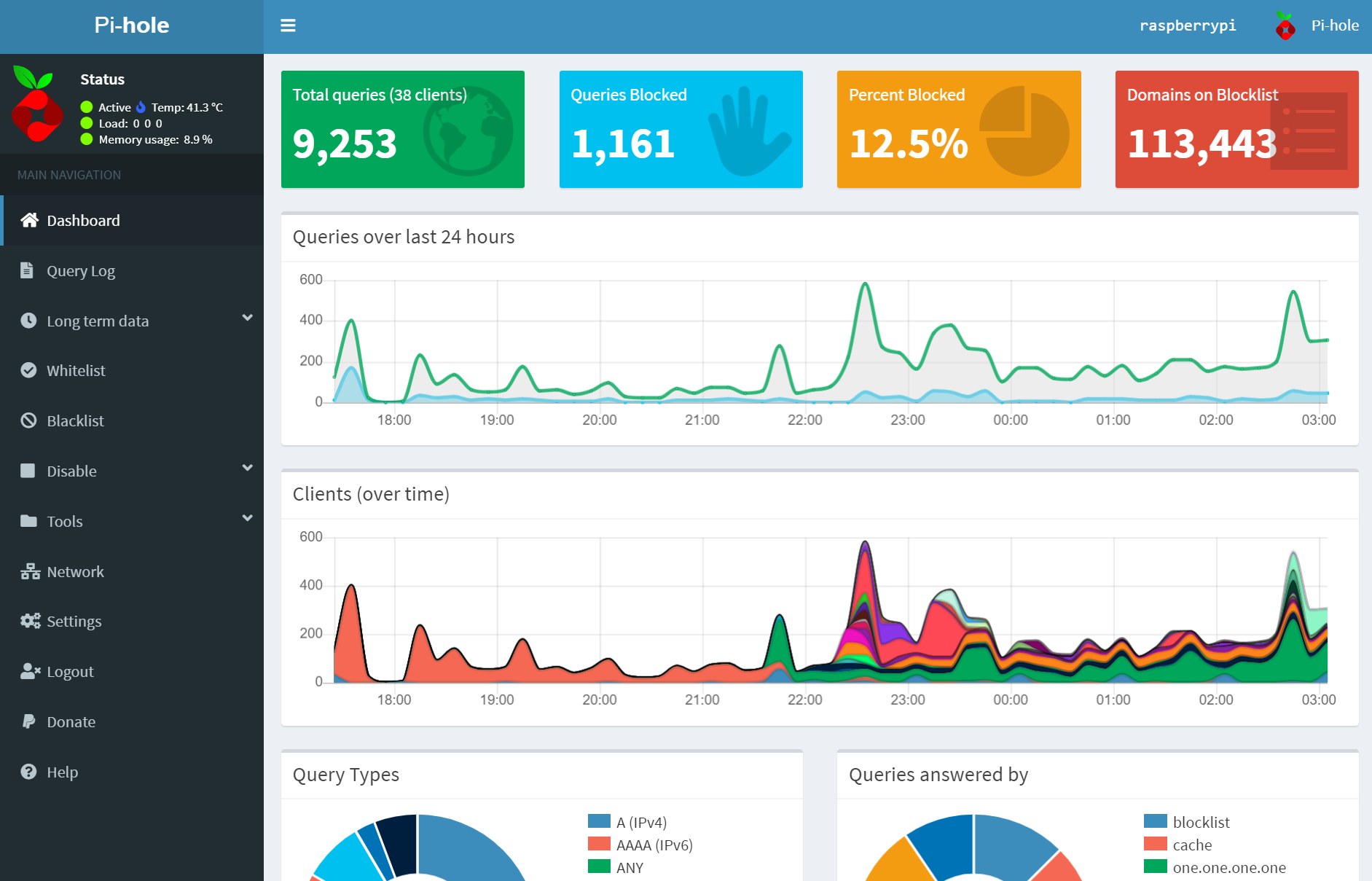
Originally conceptualized as a localized ad-blocking tool that could run on inexpensive single-board computers like the Raspberry Pi, Pi-Hole operates by intercepting DNS requests before they ever leave a household or office network. When a connected device—whether it is a personal laptop, a smartphone, a smart television, or a gaming console—attempts to resolve a domain name, the request is directed to the local Pi-Hole server rather than a public DNS provider like Google or Cloudflare.
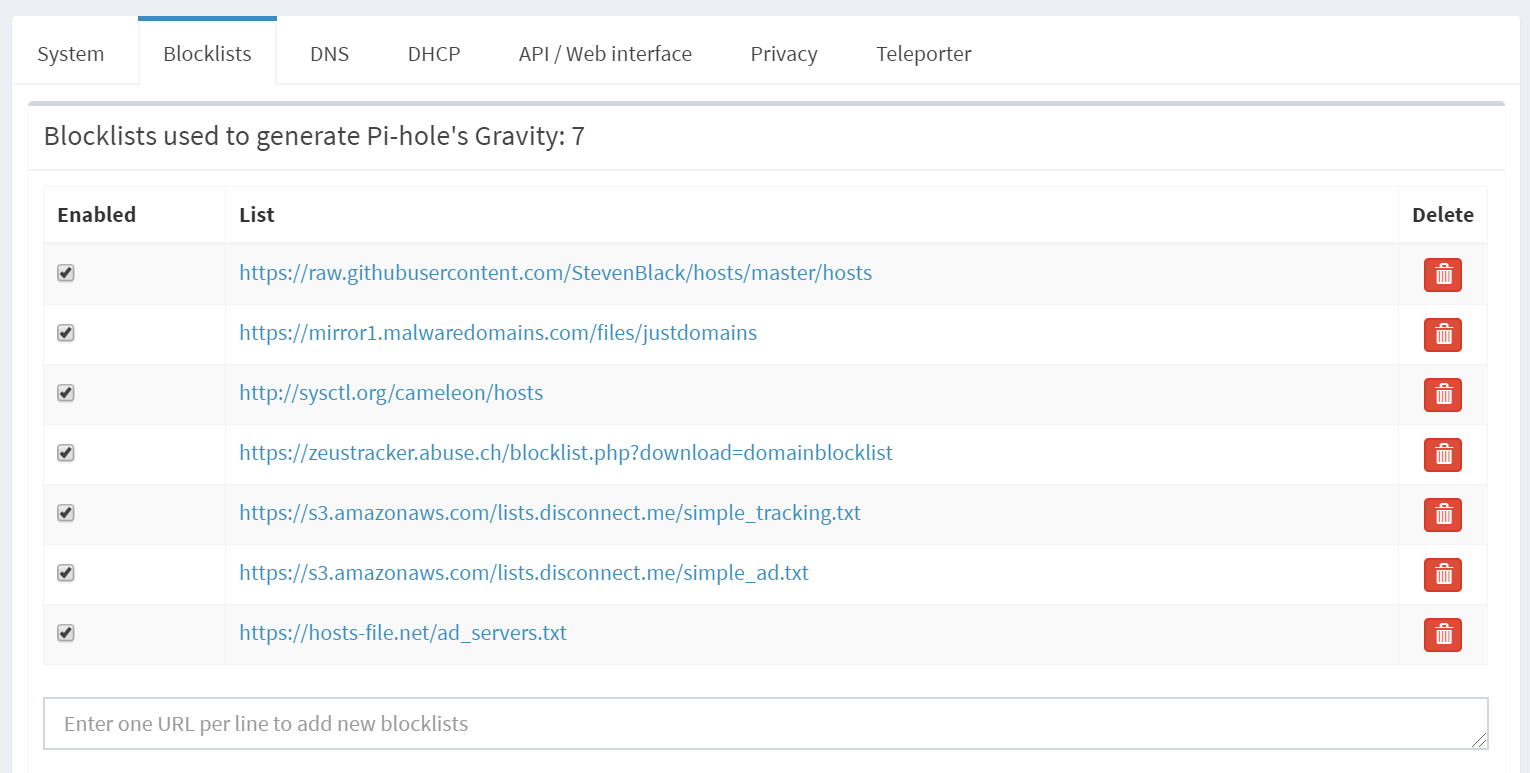
The Pi-Hole compares the requested domain against a curated, regularly updated blacklist of known advertising, telemetry, and tracking domains. If a match is found, the DNS query is answered with a null or non-routable IP address, effectively silencing the request. The ad server is never contacted, the data is never downloaded, and the malicious or superfluous payload never reaches the end-user device.
Technical Implementation and Network-Wide Integration
The architecture of network-wide DNS filtering offers several distinct advantages over traditional software-based extensions:
- Universal Coverage: Because the filtering occurs at the DNS layer via the local DHCP configuration, protection extends automatically to every device connected to the network. This includes internet-of-things (IoT) devices, smart appliances, and mobile phones where installing traditional browser extensions is either difficult or impossible.
- Bandwidth and Data Conservation: By dropping unwanted connection requests at the DNS level, users conserve bandwidth. This is particularly beneficial for households operating under capped internet service provider (ISP) data plans.
- Caching and Speed Improvements: Pi-Hole also functions as a local DNS caching server. Frequently requested domain resolutions are served instantly from local memory, potentially reducing initial lookup latency for legitimate web traffic.
- Platform Independence: Because the system operates independently of the web browser, changes to browser extension APIs (such as those implemented in Chromium or Firefox) do not impact the core filtering capability.
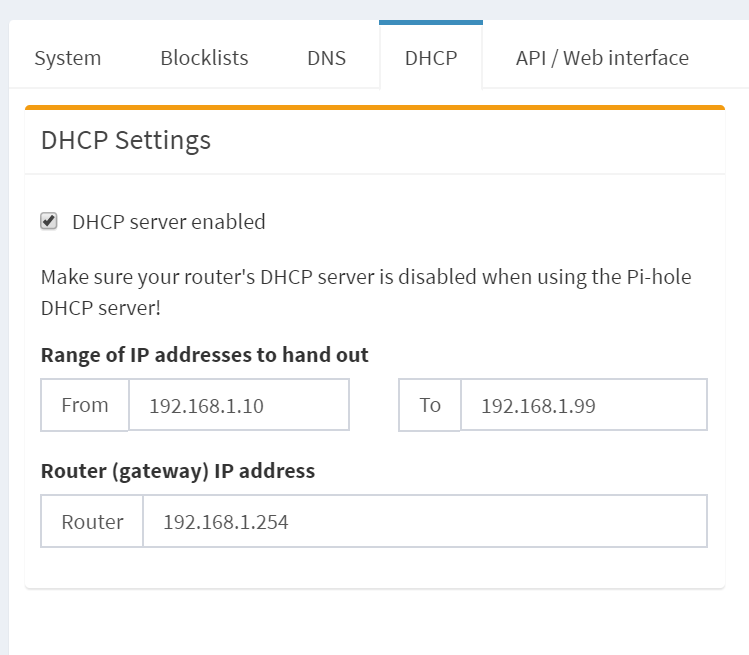
Setting up a Pi-Hole typically involves deploying the software onto a dedicated Raspberry Pi connected via an ethernet port to a local router. By disabling the router’s native DHCP server and allowing the Pi-Hole to manage local IP assignments and DNS routing, the system seamlessly integrates into existing home infrastructure. While configuration requires a modest understanding of networking concepts, extensive documentation and community-driven forums have lowered the barrier to entry significantly over the years.
Broader Implications for the Future of the Web
The popularity of tools like Pi-Hole and the persistent debate surrounding web bloat highlight a growing consumer demand for digital sovereignty and performance optimization. As commercial entities continue to balance user experience against revenue generation through behavioral tracking, the friction between open web standards and monetized surveillance is unlikely to dissipate.
Industry analysts note that while network-level blocking and browser modifications provide effective tactical relief for individual users, the systemic challenge of website obesity remains an architectural concern for software developers and publishers alike. Without concerted industry shifts toward minimalist design principles and ethical resource management, the reliance on downstream mitigation tools—ranging from hardware sinkholes to sophisticated browser extensions—will remain an essential component of navigating the modern internet.
Related posts: