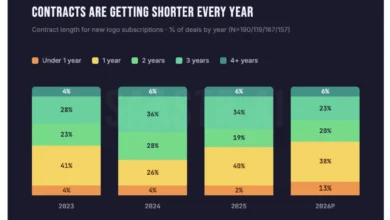
The software-as-a-service industry is undergoing a profound structural transformation, driven by the rapid integration of artificial intelligence into core product architectures. According to recent data compiled by industry analysts and subscription metrics platforms such as ChartMogul, AI-native SaaS startups are achieving unprecedented growth velocity, scaling three times faster to reach the $1 million Annual Recurring Revenue (ARR) milestone within six months compared to their traditional counterparts. However, this explosive early acceleration masks a concerning underlying vulnerability: these same companies are experiencing significantly weaker net revenue retention (NRR) and higher long-term churn rates.
For decades, the standard playbook for product-led growth (PLG) centered on friction reduction. Software developers and user experience (UX) strategists focused on streamlining onboarding pipelines, minimizing form fields, and accelerating the elusive "time-to-first-value" metric. Historically, users encountered significant barriers upon first login, facing daunting blank canvases and complex configuration requirements that often resulted in high drop-off rates during initial onboarding sessions. Artificial intelligence has fundamentally rewritten this dynamic. Today, new users can sign up for a platform, articulate their objectives through natural language prompts, and receive fully realized, functional outputs—such as pre-formatted presentations, populated customer relationship management pipelines, or automated document drafts—within seconds.
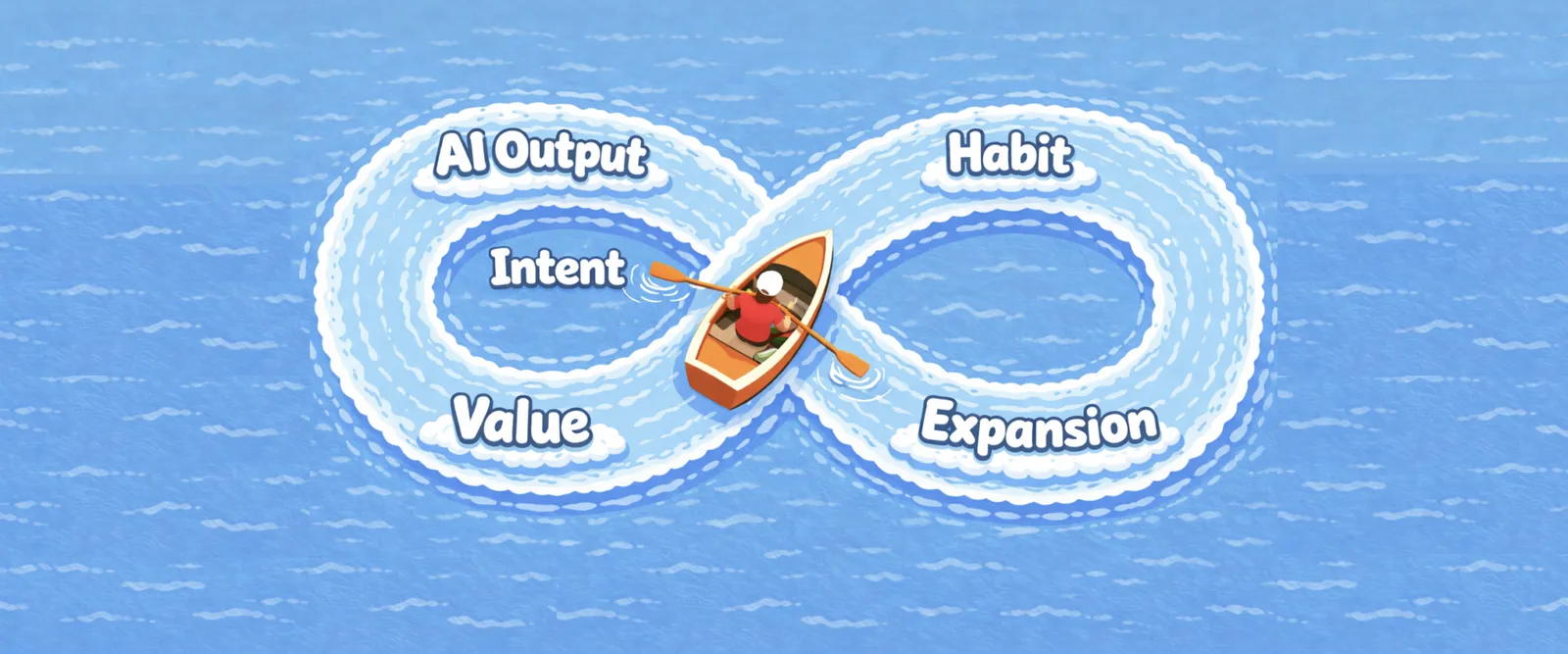
While this immediate gratification dramatically improves initial user engagement, industry experts note that it introduces a subtler, more insidious challenge. Lisa Heiss, a product-led growth and activation strategist and founder of UXELERATE, points out that while AI eliminates the friction of setup, it also assumes the cognitive heavy lifting that previously forced users to build a mental model of the product. In traditional software models, the effort required to configure a workspace inherently fostered user understanding and integration. When AI bypasses this friction entirely, users experience passive value. They may be thoroughly impressed by the initial output, but because they have not actively invested labor into the setup or customization process, they often fail to integrate the tool into their daily operational workflows. Consequently, when faced with a recurring problem, these users lack a compelling, deeply ingrained reason to return to the specific platform.
The Evolution of User Activation and the Churn Wave
The divergence between rapid early acquisition and long-term retention has forced executive teams and product developers to reevaluate how user activation is measured and achieved. Historically, activation was treated as a binary milestone: a user completed a designated sequence of onboarding steps, and the system registered them as activated. In the current AI-native landscape, this metric has proven dangerously inadequate.
Data from the ChartMogul SaaS retention study highlights the magnitude of the "AI churn wave." While early-stage metrics look exceptionally healthy—characterized by high signup-to-activation conversion rates and rapid initial capital influx—cohort analyses tracking performance over 30, 60, and 90 days reveal steeper declines in user retention than those observed in legacy SaaS categories. This disconnect stems from a misaligned definition of activation. Current dashboards frequently measure whether a user successfully generated a first-session artifact, failing to track whether that artifact was subsequently edited, shared, or integrated into a broader team workflow.
To bridge this gap, forward-thinking SaaS companies are beginning to adopt advanced behavioral tracking metrics. Rather than merely monitoring initial output generation, product teams are analyzing downstream engagement indicators, such as secondary action rates, return-trigger effectiveness, and the volume of accumulated contextual data tied to individual profiles.
Four Defining Patterns in AI-Native Activation
Market leaders navigating this retention paradox are systematically deploying four distinct structural patterns designed to convert passive initial satisfaction into durable, habit-forming workflows.
1. Instantaneous AI-Generated First Outputs
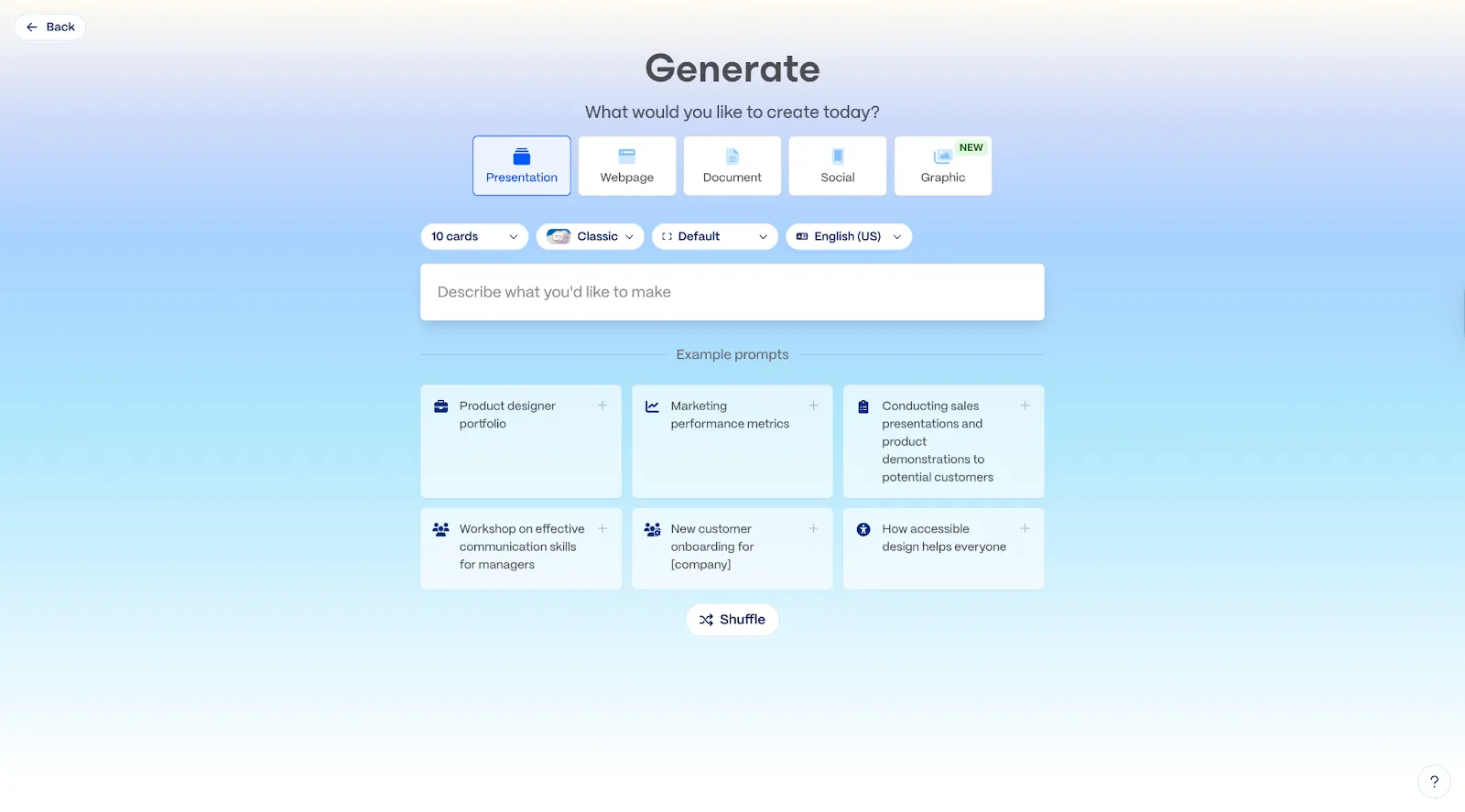
Rather than presenting new users with an intimidating, empty interface, leading platforms leverage generative models to deliver functional artifacts immediately upon registration. Companies like Gamma, a modern presentation design platform, exemplify this approach. Upon onboarding, users describe their intended topic, and the system instantly generates a fully styled, structured slide deck. This shifts the user’s starting point from zero to a reactive position, where they can critique, edit, and personalize an existing foundation rather than building from scratch. This immediate relevance generates a strong psychological response of recognition and validation.
2. Autonomous Setup and Model-Inference Configuration
Configuration fatigue has historically been a primary driver of early-stage churn. Connecting disparate databases, importing legacy information, and establishing complex workflows routinely broke user momentum before tangible value could be realized. AI-native applications now utilize model inference to automate this setup phase. Platforms such as HubSpot and Intercom deploy automated routines to construct CRM pipelines and help centers from unstructured background data, effectively removing administrative bottlenecks and granting users immediate access to operational environments.
3. Transitioning from Linear Onboarding to Conversational Feedback Loops
Traditional software onboarding relied on rigid, linear walkthroughs—Step 1 followed by Step 2 and Step 3. AI-driven products have replaced these static scripts with adaptive, conversational dialogues. By interacting with the user in real time, the software captures nuanced intent, context, and operational requirements. This continuous feedback loop ensures that subsequent interactions become increasingly tailored and effective, aligning the software’s capabilities with the user’s specific professional environment.
4. Context-Aware In-Workflow Integration
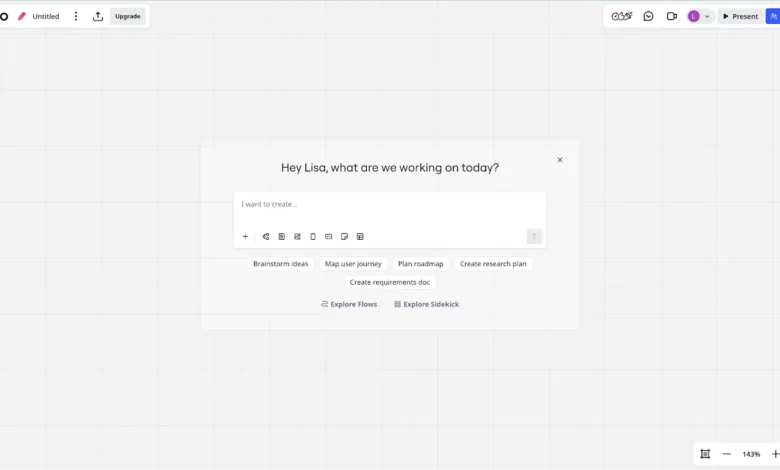
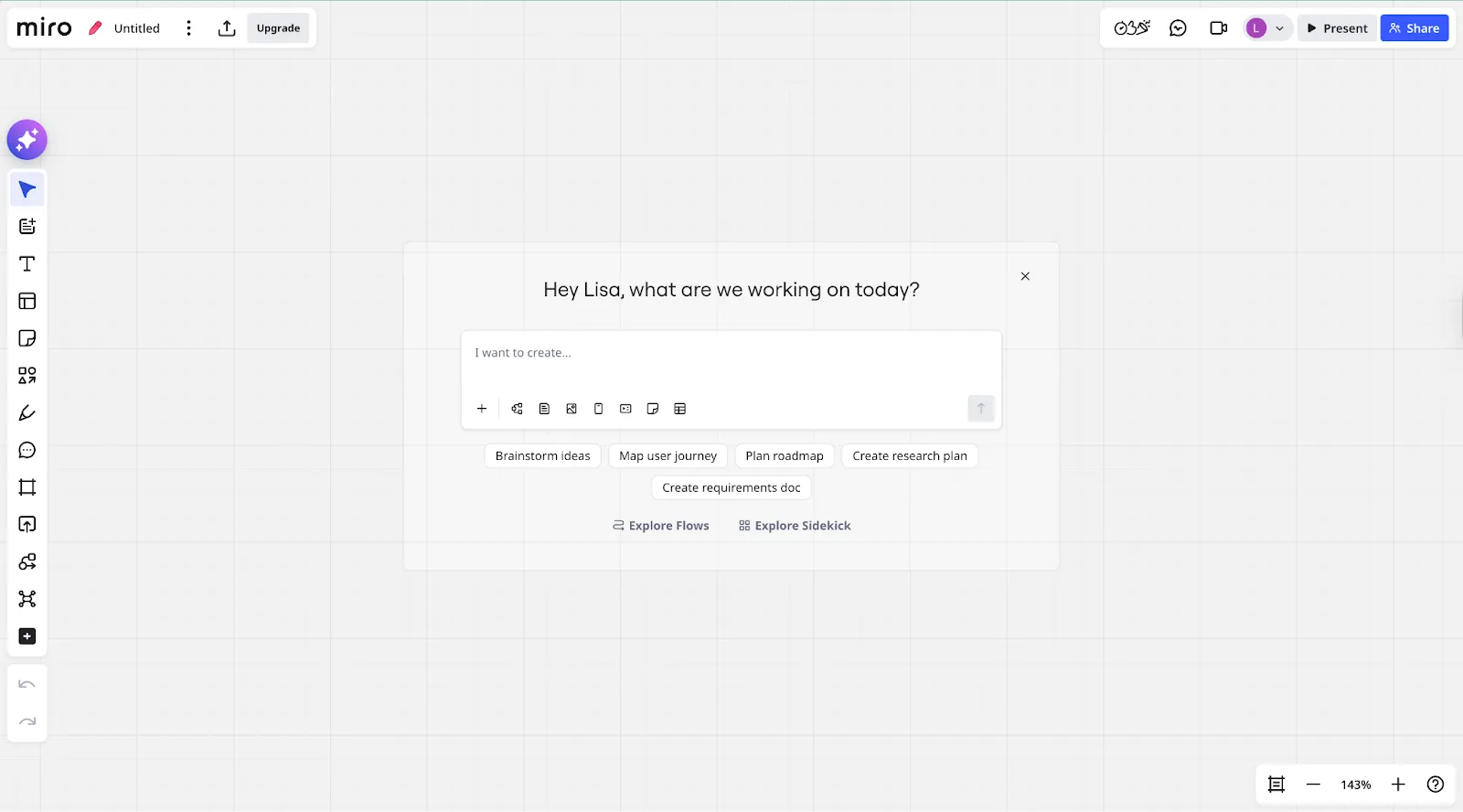
The most resilient AI products avoid treating artificial intelligence as a standalone feature or novelty widget. Instead, they embed context-aware intelligence directly into the user’s ongoing workspace. Tools like Miro utilize contextual understanding to analyze existing canvas content, enabling functionalities such as automated clustering and real-time summarization without disrupting established workflows. As users continue to operate within these environments, the platform accumulates valuable context regarding preferences, project histories, and team dynamics, thereby establishing a high structural switching cost that deters migration to competing services.
Broader Economic and Strategic Implications
The implications of the AI churn wave extend far beyond individual product metrics, influencing venture capital investment strategies and enterprise software valuation models. As investors increasingly prioritize net revenue retention and long-term customer lifetime value (LTV) over top-of-funnel acquisition metrics, SaaS startups face mounting pressure to demonstrate sustainable unit economics.
Venture capital firms and market analysts note that an enterprise model reliant exclusively on rapid acquisition offset by high churn is ultimately unsustainable, particularly as customer acquisition costs (CAC) continue to rise across competitive generative AI sectors. Consequently, product leadership teams are recalibrating their roadmaps to prioritize retention architecture alongside introductory user experience design.
Industry observers suggest that the coming years will establish a clear bifurcation in the software market. Companies that treat artificial intelligence merely as a marketing tool for rapid customer acquisition will struggle with persistent attrition. Conversely, organizations that successfully transform instantaneous initial value into sticky, context-accumulating workflow habits are poised to dominate their respective categories.
Strategic Adjustments for Product Teams
To mitigate the risks associated with the AI churn wave, SaaS executives and product managers are implementing targeted operational adjustments:
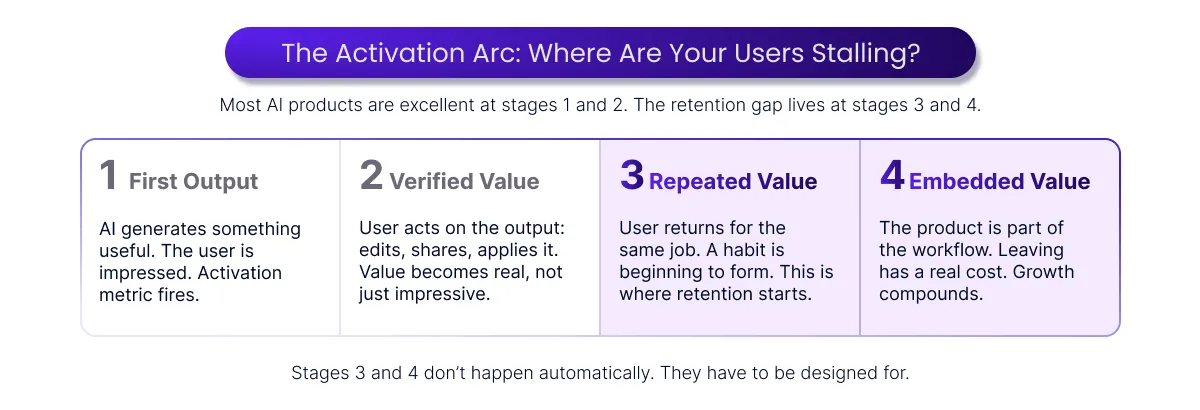
- Redefining Activation Milestones: Companies are shifting their primary activation metrics away from passive milestones, such as onboarding completion or initial content generation, toward active downstream behaviors including editing, exporting, collaborative sharing, and recurring platform visits.
- Engineering Explicit Return Triggers: Rather than relying on passive utility, product architects are designing deliberate operational catalysts—such as automated notification systems, collaborative review requests, and asynchronous status updates—to systematically encourage users to return the following day.
- Cultivating Contextual Switching Costs: Development teams are focusing on data architectures that allow the software to learn and adapt continuously to user preferences over time, ensuring that the accumulated contextual history provides a tangible barrier against churn.
- Segmenting Cohort Analytics: Organizations are decoupling analytics dashboards to independently monitor cohorts that engage in secondary actions during their initial session versus those that do not, thereby gaining a more accurate predictive indicator of 30-day and 90-day retention performance.
Ultimately, the commercial maturation of the artificial intelligence sector demonstrates that while velocity opens doors, integration secures tenancy. The defining competitive advantage in modern software development will belong not to the products that deliver the fastest initial impression, but to those that successfully embed themselves into the foundational fabric of daily human workflows.
Related posts: